
When it comes to high-performance materials for demanding applications, Haynes230 alloy stands out as a premier choice across multiple industries. As a specialized Haynes230 manufacturer, Qingchuan New Materials (Zhengzhou) Co., Ltd. has established itself as a trusted partner for companies requiring precision-engineered components that withstand extreme conditions. This comprehensive guide explores our capabilities as a Haynes230 factory, the unique properties of this superalloy, and its diverse applications in modern engineering.
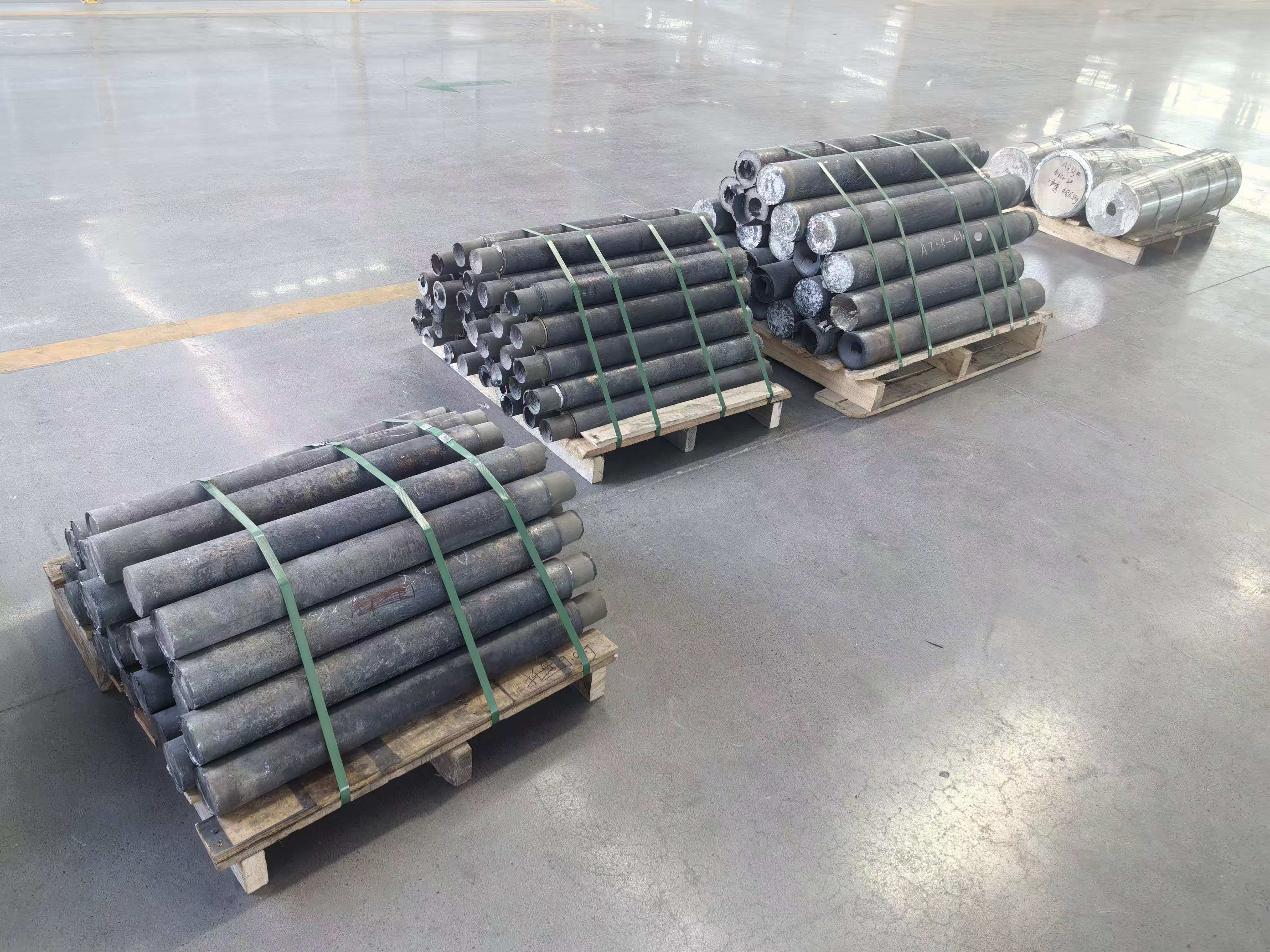
Understanding Haynes230 Alloy Composition and Properties
Haynes230 alloy is a nickel-chromium-tungsten-manganese superalloy renowned for its exceptional combination of properties that make it ideal for high-temperature applications. The precise composition typically includes:
- Nickel: 47-51%
- Chromium: 22-24%
- Tungsten: 13-15%
- Manganese: 0.3-1.0%
- Cobalt: 2% (max)
- Other trace elements
This carefully balanced formulation gives Haynes230 its remarkable characteristics:
High-Temperature Strength: Maintains mechanical integrity at temperatures up to 1150°C (2100°F), outperforming many other superalloys in prolonged exposure to extreme heat.
Oxidation Resistance: Forms a stable, adherent oxide layer that protects against corrosion even in aggressive environments containing sulfur and other reactive elements.
Thermal Stability: Exhibits minimal microstructural changes during thermal cycling, ensuring consistent performance in applications with frequent temperature fluctuations.
Fabrication Flexibility: Despite its high strength, Haynes230 can be formed, welded, and machined using appropriate techniques, making it versatile for various manufacturing processes.
Our Capabilities as a Haynes230 Manufacturer
As a leading Haynes230 factory located in Zhengzhou High-Tech Industrial Development Zone, Qingchuan New Materials operates from a modern standard workshop equipped with state-of-the-art production facilities. Our manufacturing capabilities include:
Precision Casting: Specialized investment casting processes for producing complex Haynes230 components with tight tolerances and excellent surface finish. This method is particularly valuable for aerospace and medical applications where component integrity is critical.
Powder Metallurgy: Advanced powder production and consolidation techniques for creating Haynes230 materials with unique microstructures and enhanced properties for specialized applications.
Machining Services: CNC machining capabilities to produce finished Haynes230 components from cast or forged blanks, ensuring precise dimensions and surface quality.
Quality Control: Comprehensive analytical and testing facilities including spectroscopy, metallography, and mechanical testing to verify material composition and performance against stringent specifications.
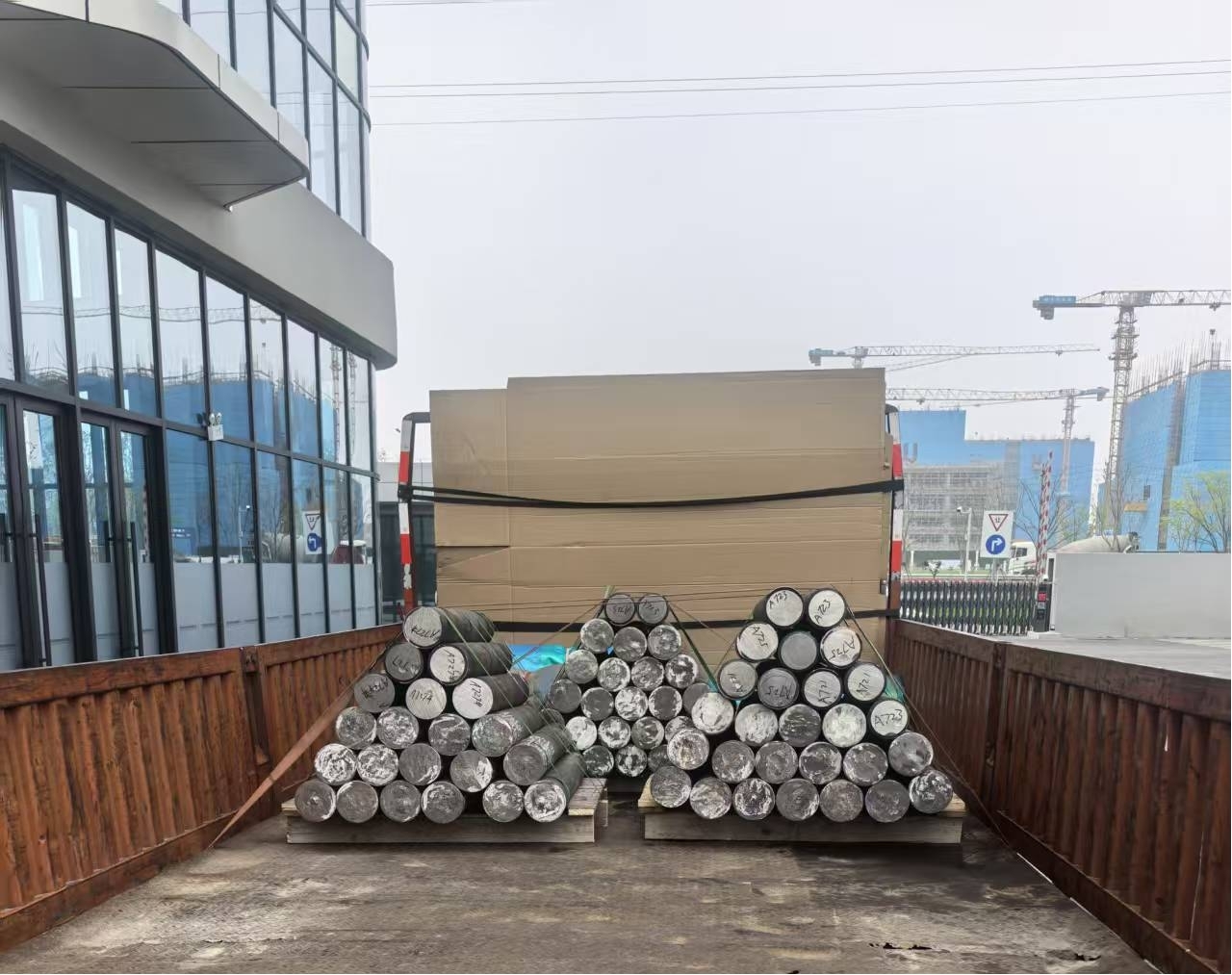
The Haynes230 Production Process
Our manufacturing process for Haynes230 components combines advanced technology with rigorous quality control at every stage:
1. Material Preparation: High-purity raw materials are carefully weighed and mixed to achieve the exact alloy composition required for Haynes230.
2. Melting and Refining: The materials are melted in vacuum induction furnaces to prevent contamination and ensure homogeneous composition.
3. Casting: Depending on the application, we use either investment casting for complex shapes or directional solidification for components requiring specific grain structures.
4. Heat Treatment: Precision-controlled heat treatment processes optimize the material’s microstructure for the intended application, enhancing properties like strength and ductility.
5. Finishing: Components undergo machining, grinding, and polishing as needed to achieve the required dimensions and surface finish.
6. Quality Inspection: Each component undergoes rigorous testing including dimensional checks, non-destructive testing, and material verification to ensure compliance with specifications.
Diverse Applications of Haynes230 Alloy
The unique properties of Haynes230 make it indispensable across several high-tech industries:
Aerospace and Aviation: Haynes230 components are used in aircraft engines, rocket nozzles, and combustion chambers where extreme temperatures and corrosive environments are common. Its ability to maintain strength at high temperatures makes it ideal for turbine blades, combustor cans, and afterburner parts.
Gas Turbines: Power generation turbines rely on Haynes230 for hot-section components that must withstand high thermal stresses and corrosive combustion gases. The alloy’s resistance to oxidation and hot corrosion ensures long service life in these demanding applications.
Automotive Industry: High-performance engines, particularly in motorsport and luxury vehicles, utilize Haynes230 for exhaust valves, turbocharger components, and other parts exposed to extreme heat and chemical exposure.
Marine Applications: The alloy’s resistance to seawater corrosion and high-temperature performance makes it valuable for marine propulsion systems, offshore drilling equipment, and other components exposed to harsh marine environments.
Medical Devices: Haynes230’s biocompatibility and ability to be precision-cast make it suitable for surgical instruments, dental implants, and orthopedic devices that require both strength and corrosion resistance.
Metal Powder 3D Printing: As additive manufacturing grows, Haynes230 powder enables the production of complex components with internal geometries impossible to achieve through traditional methods, opening new possibilities in aerospace and medical fields.
| Industry | Typical Haynes230 Applications | Key Requirements Met |
|---|---|---|
| Aerospace | Turbine blades, combustor cans, afterburner parts | High-temperature strength, oxidation resistance |
| Medical | Dental implants, surgical instruments | Biocompatibility, corrosion resistance |
| Automotive | Exhaust valves, turbocharger components | Thermal fatigue resistance, durability |
| Industrial | Heat treating fixtures, furnace components | High-temperature stability, dimensional control |
FAQ
What makes Haynes230 alloy suitable for high-temperature applications?
Haynes230’s exceptional high-temperature performance comes from its unique composition of nickel, chromium, and tungsten. The nickel base provides excellent strength at elevated temperatures, while chromium forms a protective oxide layer that resists oxidation. Tungsten enhances the alloy’s high-temperature strength and resistance to thermal fatigue, making it ideal for components exposed to extreme heat and thermal cycling.
How does Haynes230 compare to other superalloys like Inconel 718?
While both are nickel-based superalloys, Haynes230 offers superior high-temperature strength and oxidation resistance compared to Inconel 718, particularly above 700°C. Inconel 718 has better room-temperature ductility and is easier to fabricate, making it preferred for some applications. Haynes230 excels in environments requiring maximum thermal stability and corrosion resistance at very high temperatures.
Can Haynes230 components be welded?
Yes, Haynes230 can be welded using appropriate techniques, though it requires careful control of welding parameters to prevent cracking and maintain material properties. Gas tungsten arc welding (GTAW) and electron beam welding are commonly used methods. Preheating and post-weld heat treatment may be necessary depending on the application and component geometry.
What are the main challenges in machining Haynes230 alloy?
Machining Haynes230 presents challenges due to its high strength and work-hardening tendency. Key considerations include using sharp cutting tools, maintaining proper cutting speeds and feeds, and employing coolant to control heat generation. CNC machining with carbide or ceramic tools typically provides the best results for precision components.
How does Qingchuan ensure the quality of its Haynes230 products?
As a responsible Haynes230 manufacturer, we implement strict quality control measures at every production stage. This includes: 1) Verifying raw material purity through spectroscopy; 2) Monitoring melting and casting parameters in real-time; 3) Conducting dimensional inspections using advanced metrology equipment; 4) Performing non-destructive testing (NDT) for internal defects; 5) Validating material properties through mechanical testing. Our quality management system is certified to international standards.
Summary
As a specialized Haynes230 manufacturer, Qingchuan New Materials combines advanced production technology with rigorous quality control to deliver precision-engineered components for the most demanding applications. Our capabilities as a Haynes230 factory include precision casting, powder metallurgy, and machining services, supported by comprehensive testing facilities to ensure material integrity and performance.
The unique properties of Haynes230 alloy make it indispensable across aerospace, medical, automotive, and industrial sectors where components must withstand extreme temperatures and corrosive environments. By choosing Qingchuan as your Haynes230 supplier, you gain access to a manufacturer committed to innovation, quality, and customer satisfaction in every component we produce.