 Qingchuan New Materials (Zhengzhou) Co., Ltd.
Qingchuan New Materials (Zhengzhou) Co., Ltd.
Qingchuan New Materials (Zhengzhou) Co., Ltd.
Qingchuan New Materials (Zhengzhou) Co., Ltd.
Qingchuan New Materials (Zhengzhou) Co., Ltd.
I. Introduction: Technical Value of Iron-Nickel Positive Expansion Seal Alloy
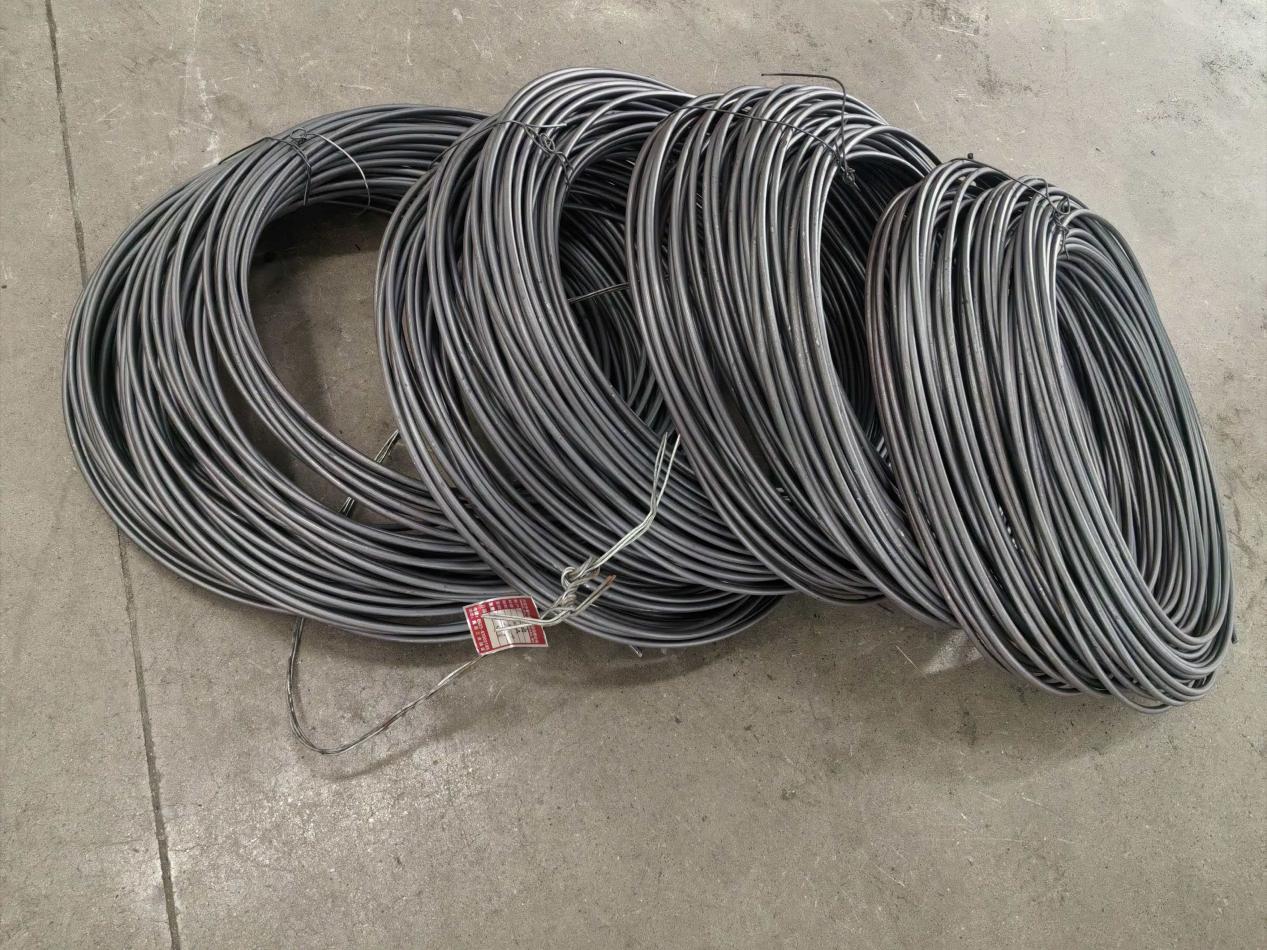
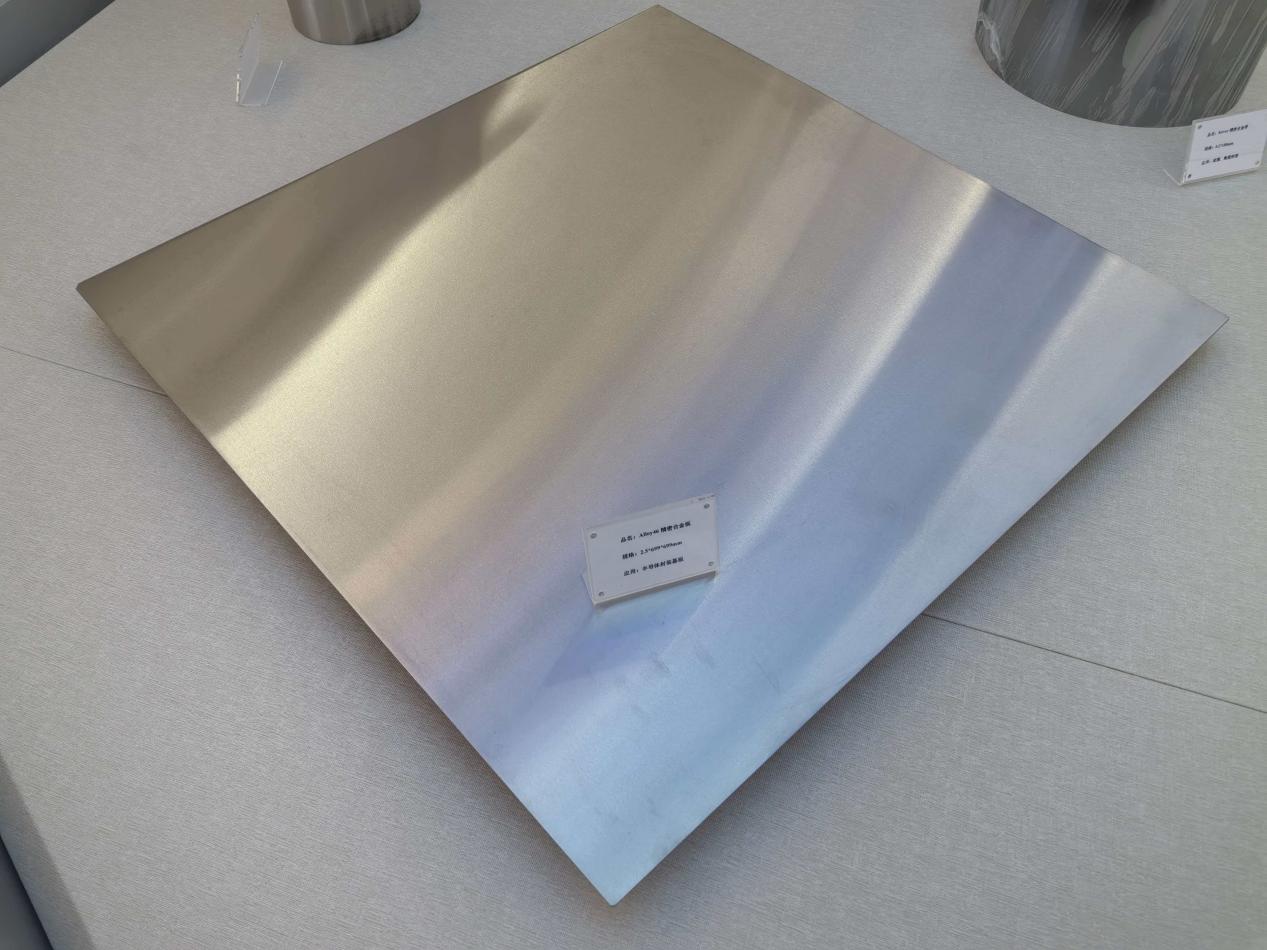
Iron-nickel fixed expansion sealing alloys are a type of special alloys that achieve thermal expansion coefficient matching with materials such as glass and ceramics through precise control of nickel content, widely used in electronic packaging, aerospace, energy power, and other fields. Their core characteristics include extremely low thermal expansion coefficient, excellent sealing properties, and high-temperature stability. As a professional enterprise engaged in the research and manufacturing of high-purity metals and special alloys, Qinchuan New Materials (Zhengzhou) Co., Ltd. leverages the regional advantages of the Zhengzhou High-Tech Industrial Development Zone to build a full-chain technological system covering material design, melting process, and precision processing, providing critical support for the domestic substitution of iron-nickel fixed expansion alloys.
II. Technical Layout: Systematic Breakthrough from Material Design to Process Control
1. Material composition optimization
Qinchuan New Materials has developed a series of alloys such as 4J42, 4J45, 4J50, and 4J52 by adjusting the nickel content (44.5%-52.5%) and trace elements like carbon (≤0.05%) and manganese (≤0.80%). Taking 4J52 alloy as an example, its nickel content is controlled between 51.5%-52.5%, and it has an average linear expansion coefficient of 9.8-11.0×10⁻⁶℃⁻¹ within the temperature range of 20-300°C, which highly matches the thermal expansion coefficient of soft lead glass, significantly reducing the thermal stress at the sealing interface.
2. Innovation in Smelting Technology
The combined process of vacuum induction melting (VIM) + electroslag remelting (ESR) effectively controls the content of gases and inclusions. For example, in the production of 4J50 alloy, the oxygen content is reduced to below 15ppm through the VIM process, and further purification of the melt is achieved by combining the ESR process, thereby reaching the international advanced level of alloy purity. This process can reduce pore defects in the sealing process and improve the densification of the material.
3. Heat Treatment System Optimization
For different application scenarios, Qinchuan New Materials has formulated differentiated heat treatment plans. Taking the 4J45 alloy as an example, its standard heat treatment procedure is to heat it to 900℃±20℃ in a hydrogen atmosphere, hold it for 1 hour, and then cool it to below 200℃ at a rate of ≤5℃/min. This process can refine the grain size to ASTM 8-10 levels, enhance the material's deep drawing elongation properties, and meet the processing requirements for complex structural components.
Chapter 3: Application Practice: Technology Implementation from Laboratory to Industrialization
1. Aerospace field: Turbine blade sealing
In the manufacturing of a certain type of aviation engine turbine blade, Qinchuan New Materials' 4J50 alloy, through matching design with ceramic cores, achieves precise shaping of the cooling channels within the blade cavity. Tests show that this material maintains a yield strength of ≥350MPa with 0.2% at 850℃ high temperature, and its coefficient of thermal expansion deviates from the ceramic core by ≤1.5×10⁻⁶℃⁻¹, effectively preventing cracking risks at the sealing interface. Currently, this solution has replaced imported materials, reducing the cost of each engine by 28%.
2. Electronic Packaging Field: High Reliability Chip Carrier
In response to the needs of a well-known electronic component manufacturer, Qinchuan New Materials has developed a chip carrier based on the 4J42 alloy. By optimizing the nickel content of the alloy (42%-43%), the thermal expansion coefficient is matched with silicon chips (3.2×10⁻⁶℃⁻¹) with an improvement of 40%. Actual applications show that the failure rate of chips made with this material decreases by 31% in temperature cycles from -40℃ to 125℃, significantly extending the product's lifespan.
3. Energy and Power Field: Turbine Sealing Ring
In the manufacturing of heavy-duty gas turbine sealing rings, Qinchuan New Materials uses 4J52 alloy combined with hot isostatic pressing (HIP) technology to eliminate micro-porosity within the material (porosity ≤ 0.1%). Verified by a 10,000-hour high-temperature endurance test, the sealing ring achieves a creep fracture life of 1,200 hours under 650℃ and 200MPa conditions, reaching the international level of similar products, providing critical material support for the domestic gas turbine's self-sufficiency.
Four, Technical Advantages: Upgrade from Single Material to System Solution
1. Full-process quality control capability
Qingchuan New Materials has a complete laboratory covering spectral analysis, metallographic testing, and mechanical property testing, capable of real-time monitoring of material composition, grain size, and sealing airtightness. For example, in the production of 4J50 alloy, the detection accuracy of nickel content is improved to ±0.02% by laser diffraction, ensuring the performance stability of each batch of materials.
2. Customized service capability
Based on customer requirements, Qinchuan New Materials can provide a full-process service ranging from material selection, mold design to post-treatment. Taking a certain car turbocharger impeller project as an example, the company improved the thermal fatigue life within the temperature range of -40℃ to 400℃ by adjusting the manganese content (0.6%-0.7%) of the 4J48 alloy, meeting the customer's needs for high-speed and high-temperature conditions.
3. Collaborative Innovation in Industry, University, and Research
Qingchuan New Materials has established a joint laboratory with Zhengzhou University and the Institute of Process Engineering, Chinese Academy of Sciences, focusing on the research of the toughening mechanism of high-temperature alloys. For instance, by introducing nano-scale γ' phase (Ni₃(Al,Ti)) strengthening technology, the endurance strength of 4J50 alloy at 750℃ has been increased to 380MPa, an 18% improvement over traditional processes. The relevant achievements have applied for 3 invention patents and been included in the industry standard "Guidelines for the Application of High-Temperature Alloy Materials."
V. Conclusion: Material innovation drives the upgrade of high-end manufacturing
Iron-nickel fixed-expansion sealing alloys serve as a "bridge" for connecting different materials, with their performance directly determining the reliability and lifespan of high-end equipment. Qinchuan New Materials, through systematic innovation in material design, process control, and application services, has not only achieved the domestic substitution of such alloys but also promoted their large-scale application in aerospace, electronic packaging, energy power, and other fields. In the future, as the requirements for material thermal expansion coefficient matching accuracy and high-temperature stability continue to improve, Qinchuan New Materials will continue to deepen technological research and development, providing higher-quality material solutions for high-end manufacturing.