
In the realm of advanced materials engineering, specialty alloys play a pivotal role in enabling technological progress across multiple industries. Among these specialized materials, Alloy46 stands out as a critical component for high-performance applications requiring exceptional resistance to corrosion and elevated temperatures. As a professional enterprise dedicated to the research, development, and manufacturing of high-purity metals and specialty alloys, Qingchuan New Materials (Zhengzhou) Co., Ltd. has established itself as a premier Alloy46 producer serving global markets.
Understanding Alloy46: Composition and Properties
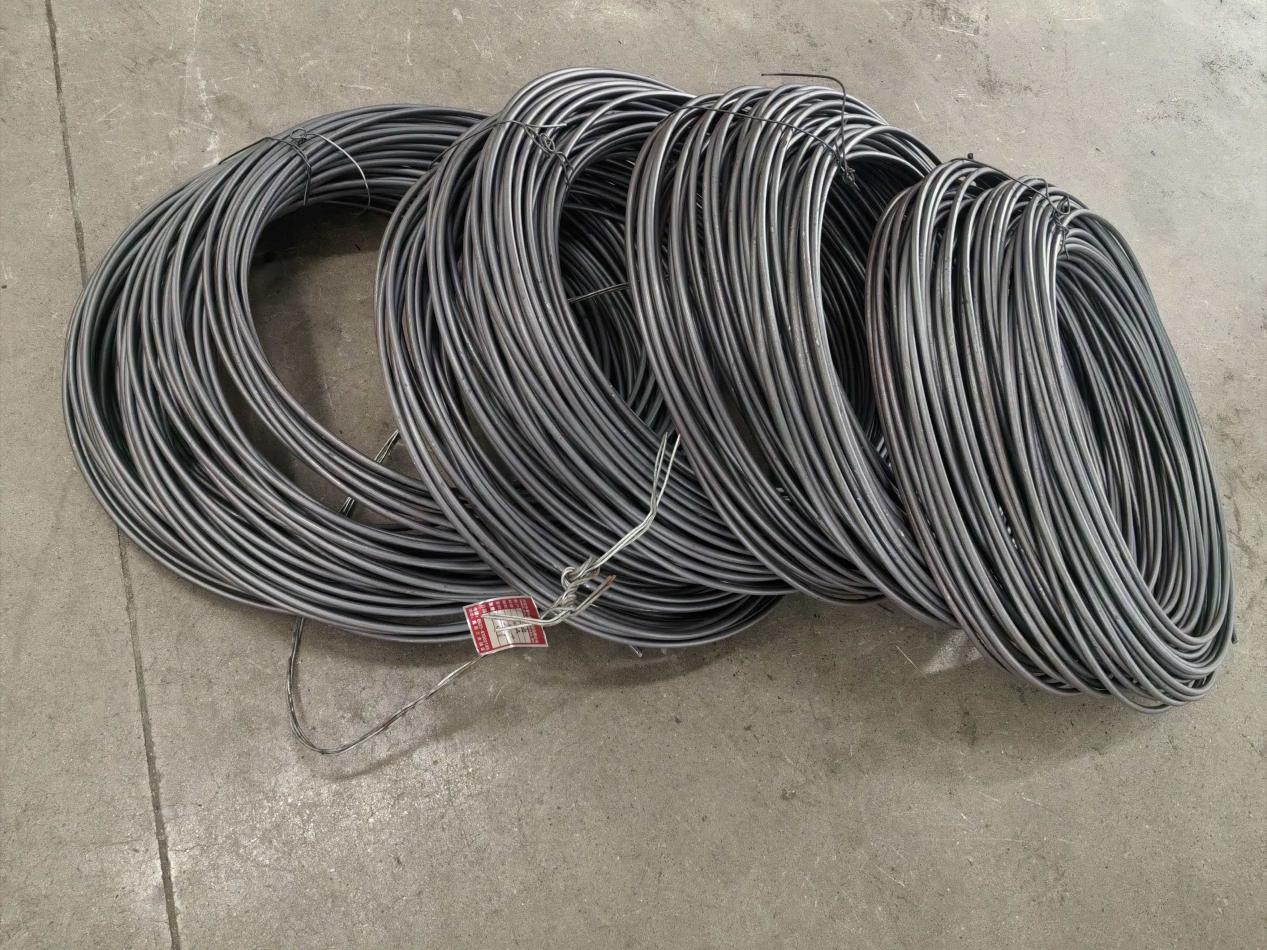
Alloy46, also known by its technical designation Ni-Cr-Fe alloy, belongs to the family of nickel-based specialty alloys renowned for their exceptional performance in extreme environments. The precise composition of Alloy46 typically includes approximately 46% nickel, 22% chromium, and 30% iron, with trace amounts of other elements to enhance specific properties. This carefully balanced formulation provides the alloy with remarkable resistance to oxidation, carburization, and sulfidation at temperatures exceeding 1000°C (1832°F).
The material’s microstructure features a stable austenitic matrix that maintains its integrity even under prolonged exposure to aggressive chemical environments and thermal cycling. This makes Alloy46 particularly valuable for applications where both corrosion resistance and high-temperature strength are critical requirements. The alloy’s excellent thermal stability ensures minimal dimensional changes during service, while its good fabricability allows for complex shaping through various manufacturing processes.
Advanced Production Capabilities at Qingchuan New Materials
As a leading Alloy46 manufacturer, Qingchuan New Materials operates from a state-of-the-art facility located in Zhengzhou High-Tech Industrial Development Zone. Our modern standard workshop spans over 20,000 square meters and houses cutting-edge production lines specifically designed for specialty alloys and high-purity materials. The company’s production capabilities include:
- Vacuum induction melting (VIM) for precise alloy composition control
- Electroslag remelting (ESR) to enhance material purity and homogeneity
- Hot rolling and cold rolling mills for producing various product forms
- Precision machining facilities for finished components
- Powder metallurgy production lines for specialized applications
Our comprehensive analytical and testing capabilities ensure that every batch of Alloy46 meets the highest quality standards. These include advanced spectroscopic analysis, metallographic examination, mechanical property testing, and corrosion resistance evaluation. The company maintains ISO 9001:2015 quality management system certification and follows ASTM, AMS, and other international standards in all production processes.
Product Forms and Specifications
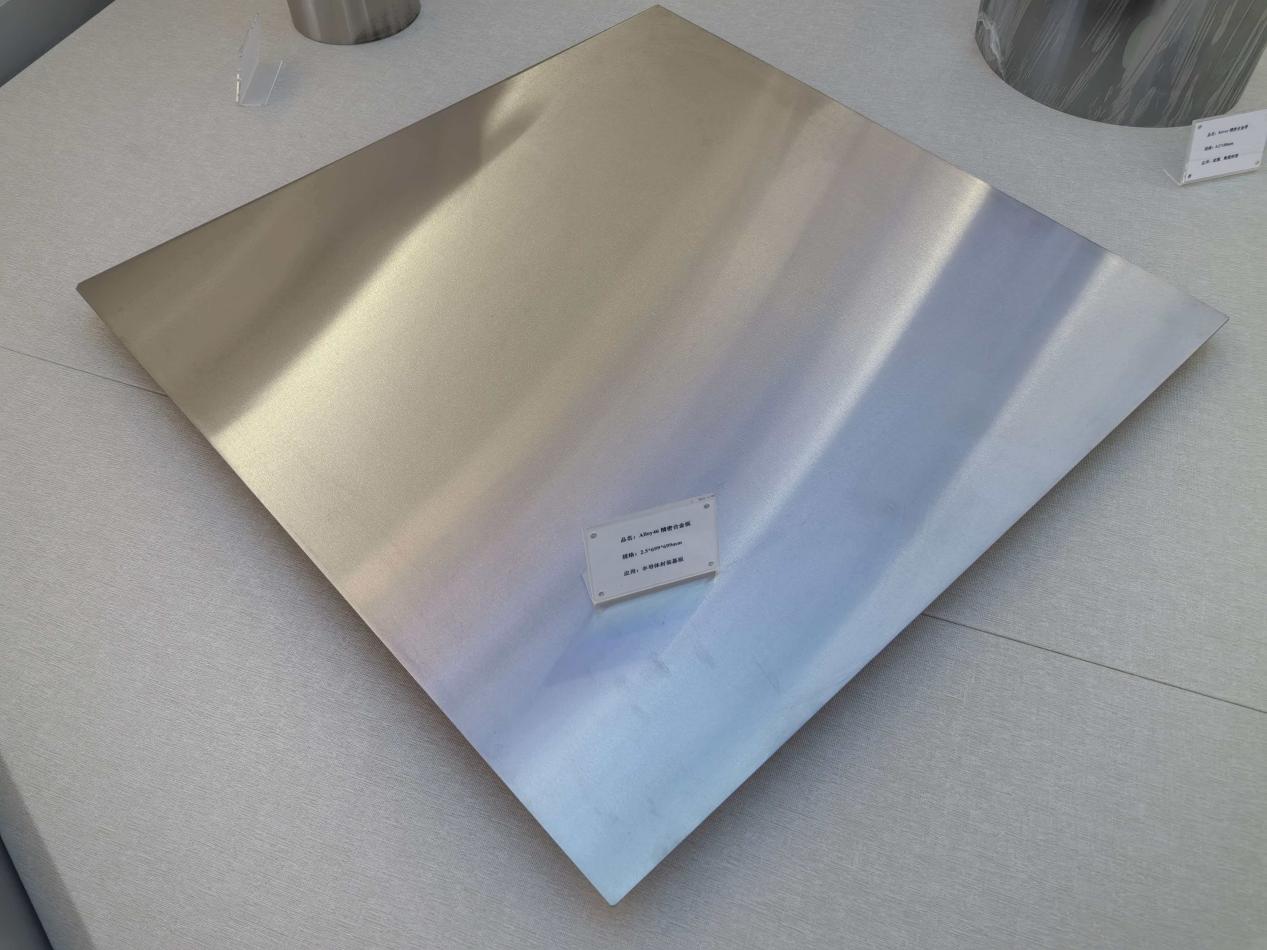
As a versatile Alloy46 producer, Qingchuan New Materials offers the material in various product forms to meet diverse application requirements:
| Product Form | Dimensions | Surface Finish |
|---|---|---|
| Round Bar | 6mm to 300mm diameter | Black, peeled, polished |
| Flat Bar | Thickness 3mm to 100mm | Hot rolled, cold drawn |
| Sheet/Plate | 0.5mm to 50mm thickness | 2B, BA, No.4, No.8 |
| Wire | 0.05mm to 12mm diameter | Annealed, bright |
| Powder | 15-45μm, 45-106μm | Gas atomized, spherical |
Diverse Applications of Alloy46 Across Industries
The exceptional properties of Alloy46 make it indispensable for numerous high-performance applications across various industrial sectors. As a leading Alloy46 supplier, Qingchuan New Materials serves customers in the following key markets:
Aviation and Aerospace
In the aerospace industry, Alloy46 finds extensive use in manufacturing components for gas turbine engines, including combustion chambers, transition ducts, and afterburner parts. The alloy’s ability to withstand extreme temperatures and corrosive exhaust gases makes it ideal for these critical applications. Additionally, Alloy46 is used in structural components for aircraft that require both strength and resistance to atmospheric corrosion.
Automotive Industry
The automotive sector benefits from Alloy46’s properties in several ways. The material is used in exhaust systems, particularly for high-performance vehicles and those running on alternative fuels that produce more aggressive exhaust gases. Alloy46 components help reduce emissions by maintaining their integrity under extreme thermal conditions. The alloy is also finding applications in electric vehicle battery systems where thermal stability is crucial.
Medical Devices
In the medical field, Alloy46’s biocompatibility combined with its corrosion resistance makes it valuable for surgical instruments and implantable devices. The material is used in the production of artificial joints, dental implants, and various orthopedic devices where long-term performance in the human body is essential. Its excellent fatigue resistance ensures the durability of these critical medical components.
Energy Sector
The energy industry utilizes Alloy46 in several applications, including components for nuclear power plants, fossil fuel power generation, and renewable energy systems. In nuclear applications, the alloy’s resistance to radiation-induced embrittlement and corrosion makes it suitable for reactor internals and fuel handling equipment. For conventional power plants, Alloy46 is used in boiler tubes, superheater elements, and other high-temperature components.
FAQ
What makes Alloy46 suitable for high-temperature applications?
Alloy46’s suitability for high-temperature applications stems from its stable austenitic microstructure and balanced composition of nickel, chromium, and iron. The nickel content provides excellent thermal stability and resistance to oxidation, while chromium enhances corrosion resistance. The alloy forms a protective chromium oxide layer on its surface when exposed to high temperatures, preventing further oxidation and scaling. Additionally, the austenitic structure maintains its strength even at elevated temperatures, making Alloy46 ideal for continuous service in the 800-1100°C range.
How does Alloy46 compare to other nickel-based alloys?
Compared to other nickel-based alloys, Alloy46 offers a cost-effective solution with a good balance of properties for many applications. While it may not match the extreme temperature capabilities of alloys like Inconel 718 or Hastelloy X, Alloy46 provides excellent performance at more moderate high temperatures with better machinability and lower cost. Its composition makes it particularly resistant to carburizing and sulfidizing environments, giving it an advantage over some other alloys in specific chemical processing applications. For many industrial uses, Alloy46 provides the optimal combination of properties and cost-effectiveness.
What are the main challenges in manufacturing Alloy46?
Manufacturing Alloy46 presents several challenges due to its specialized composition and required properties. One key challenge is achieving precise control over the alloy’s chemical composition during melting, as even small variations can significantly affect performance. The high chromium content requires careful melting practices to avoid oxidation and ensure homogeneity. Another challenge is maintaining the material’s cleanliness during processing, as any contamination can degrade its corrosion resistance. Additionally, producing thin sections or complex shapes while maintaining the alloy’s properties requires advanced forming and heat treatment techniques. Qingchuan New Materials addresses these challenges through its state-of-the-art production facilities and rigorous quality control processes.
Can Alloy46 be welded, and what precautions are needed?
Yes, Alloy46 can be welded using various techniques including TIG (GTAW), MIG (GMAW), and submerged arc welding. However, welding this alloy requires special precautions to maintain its corrosion resistance and mechanical properties. The primary concern is preventing intergranular corrosion in the heat-affected zone, which can occur if the material is heated into the sensitization range (approximately 550-850°C). To mitigate this, post-weld heat treatment may be required to dissolve any chromium carbides that form during welding. Using low-carbon filler materials and maintaining proper interpass temperatures during welding also help preserve the alloy’s properties. Qingchuan New Materials provides detailed welding guidelines and can assist customers with welding procedure specifications for their specific applications.
Summary
As a premier Alloy46 manufacturer and producer, Qingchuan New Materials (Zhengzhou) Co., Ltd. plays a vital role in advancing materials technology for demanding industrial applications. Our state-of-the-art production facilities, combined with rigorous quality control processes, enable us to deliver high-purity Alloy46 that meets the most stringent international standards. The alloy’s exceptional combination of high-temperature strength, corrosion resistance, and thermal stability makes it indispensable across multiple sectors, from aerospace and automotive to energy and medical devices.
By continuously investing in research and development, Qingchuan New Materials remains at the forefront of specialty alloy innovation. Our commitment to providing customized solutions and technical support ensures that customers receive not just materials, but comprehensive support for their most challenging applications. As industries continue to push the boundaries of performance and efficiency, Alloy46 from Qingchuan New Materials will remain a material of choice for engineers and designers seeking reliable, high-performance solutions.