
When selecting materials for high-temperature, corrosion-resistant applications in industries like aerospace, gas turbines, and medical devices, Haynes230 alloy stands out as a premium choice. This nickel-chromium-tungsten superalloy offers exceptional performance in extreme environments, but choosing the right supplier and understanding its applications requires careful consideration. This guide provides detailed insights into Haynes230’s properties, applications, quality standards, and supplier selection criteria.
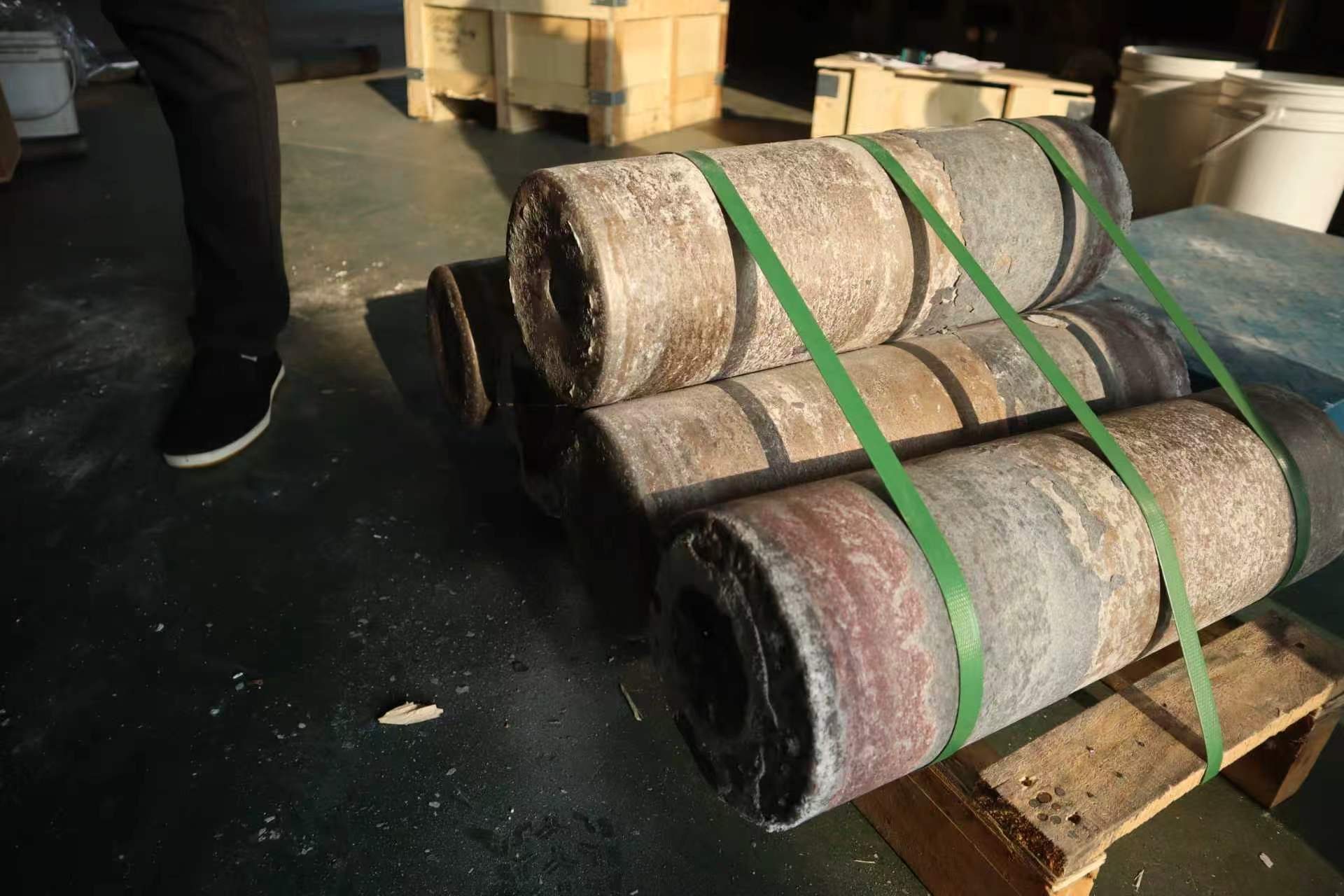
Understanding Haynes230 Alloy Composition and Properties
Haynes230 (UNS N06230) is a solid-solution-strengthened nickel-chromium-tungsten alloy designed specifically for high-temperature applications requiring excellent oxidation resistance and thermal stability. Its unique composition includes:
- Nickel (Ni): 47-51% – Provides excellent corrosion resistance and high-temperature strength
- Chromium (Cr): 22-24% – Enhances oxidation resistance at elevated temperatures
- Tungsten (W): 13-15% – Improves high-temperature strength and creep resistance
- Minor elements: Manganese (Mn), Silicon (Si), Iron (Fe), Carbon (C), and others for optimal performance
The alloy’s microstructure remains stable up to 1150°C (2100°F), making it suitable for continuous service at temperatures up to 1095°C (2000°F). Its key properties include:
- Exceptional oxidation resistance up to 1150°C
- Excellent resistance to carburizing and nitriding environments
- Good thermal fatigue resistance
- High tensile and creep-rupture strength at elevated temperatures
- Good fabricability and weldability
Key Applications of Haynes230 Alloy
The unique combination of properties makes Haynes230 ideal for demanding applications across multiple industries:
1. Aerospace and Gas Turbine Components
Haynes230’s ability to withstand extreme temperatures and corrosive environments makes it perfect for:
- Combustion cans and liners
- Transition ducts
- Afterburner components
- Seals and rings
- Turbine blades and vanes
The alloy’s performance in jet engine hot sections helps improve efficiency and reduce maintenance requirements compared to conventional materials.
2. Industrial Gas Turbines
In power generation applications, Haynes230 is used for:
- Combustor baskets
- Transition pieces
- Heat shields
- Exhaust components
The alloy’s resistance to oxidation and hot corrosion helps extend component life in harsh operating conditions, reducing downtime and maintenance costs.
3. Medical Device Manufacturing
Haynes230’s biocompatibility and corrosion resistance make it suitable for:
- Artificial joints and implants
- Dental prosthetics
- Surgical instruments
The material meets stringent medical device standards while providing the durability required for long-term implantation.
4. Chemical Processing Industry
In corrosive environments, Haynes230 is used for:
- Furnace components
- Heat exchangers
- Retorts
- Muffles
The alloy’s resistance to carburization and nitridation makes it valuable in processes involving hydrocarbon cracking or other reactive chemicals.
Quality Standards and Certification for Haynes230
When selecting Haynes230 materials, it’s crucial to verify compliance with international standards. Reputable manufacturers should provide:
| Standard | Description |
|---|---|
| ASTM B619 | Seamless pipe specifications |
| ASTM B622 | Seamless tube specifications |
| ASTM B564 | Forgings specifications |
| AMS 5872 | Sheet, strip, and plate specifications |
| ISO 9001 | Quality management system certification |
| AS9100 | Aerospace quality management system (for aerospace applications) |
Additional certifications may include:
- NADCAP accreditation for heat treatment and special processes
- PED (Pressure Equipment Directive) certification for European market applications
- RoHS compliance for certain medical and electronic applications
- Material test reports (MTRs) with traceability to raw materials
How to Select the Right Haynes230 Supplier
Choosing a reliable Haynes230 supplier requires evaluating several critical factors:
1. Manufacturing Capabilities
Look for suppliers with:
- State-of-the-art production facilities for melting, forging, and processing
- Precision machining capabilities for finished components
- In-house heat treatment and finishing operations
- Cleanroom facilities for medical-grade applications
2. Quality Control Systems
Reliable suppliers should have:
- Comprehensive testing laboratories with spectrometers, tensile testers, and microscopy
- Statistical process control (SPC) systems for consistent quality
- Batch traceability from raw materials to finished products
- Regular internal audits and external certifications
3. Technical Expertise
Choose suppliers that offer:
- Material selection assistance based on application requirements
- Design support for complex components
- Failure analysis and problem-solving capabilities
- Documentation support for regulatory compliance
4. Production Capacity and Lead Times
Consider:
- Ability to handle both prototype and production volumes
- Flexibility to accommodate urgent orders
- Inventory management programs for just-in-time delivery
- Geographic location relative to your manufacturing facilities
5. Reputation and References
Verify through:
- Customer testimonials and case studies
- Industry certifications and awards
- Longevity in the specialty alloys market
- Participation in relevant trade associations
FAQ
What makes Haynes230 different from other nickel-based superalloys?
Haynes230 offers superior oxidation resistance at temperatures up to 1150°C compared to many other nickel alloys. Its unique combination of chromium and tungsten provides excellent resistance to carburizing and nitriding environments while maintaining good thermal fatigue resistance.
Can Haynes230 be used for welding applications?
Yes, Haynes230 has good weldability using conventional welding methods. However, proper preheat and post-weld heat treatment are essential to maintain corrosion resistance and mechanical properties in the heat-affected zone.
How does Haynes230 compare to Inconel 625 in terms of performance?
While both are nickel-chromium alloys, Haynes230 offers better high-temperature strength and oxidation resistance above 980°C. Inconel 625 has better aqueous corrosion resistance but isn’t suitable for the same extreme temperature applications as Haynes230.
What surface finishes are available for Haynes230 components?
Common finishes include pickled, passivated, sandblasted, polished, and electropolished. The choice depends on the application requirements, with medical devices typically requiring the highest surface finish standards.
How can I verify the authenticity of Haynes230 material?
Reputable suppliers provide material test reports (MTRs) with traceability to the original melt. Advanced testing methods like positive material identification (PMI) using X-ray fluorescence (XRF) or optical emission spectrometry (OES) can verify the alloy composition.
Summary
Selecting Haynes230 alloy for your high-temperature applications requires understanding its unique properties, application suitability, and quality requirements. This nickel-chromium-tungsten superalloy offers exceptional performance in extreme environments, making it ideal for aerospace, gas turbines, medical devices, and chemical processing applications. When choosing a supplier, prioritize those with advanced manufacturing capabilities, comprehensive quality control systems, technical expertise, and proven industry reputation. By considering these factors and verifying compliance with relevant standards, you can ensure reliable performance and long-term value from your Haynes230 components.