
In the advanced manufacturing landscape, specialty alloys play a critical role in enabling high-performance applications across aerospace, medical, energy, and industrial sectors. Qingchuan New Materials (Zhengzhou) Co., Ltd. stands as a leading nickel-based alloy manufacturer and high-purity material supplier, combining cutting-edge production technology with rigorous quality control to deliver solutions that meet the most demanding industry standards. Strategically located in Zhengzhou High-Tech Industrial Development Zone, our modern facility operates state-of-the-art production lines for alloy materials, powder metallurgy products, and vacuum coating targets, serving global clients with precision-engineered components.
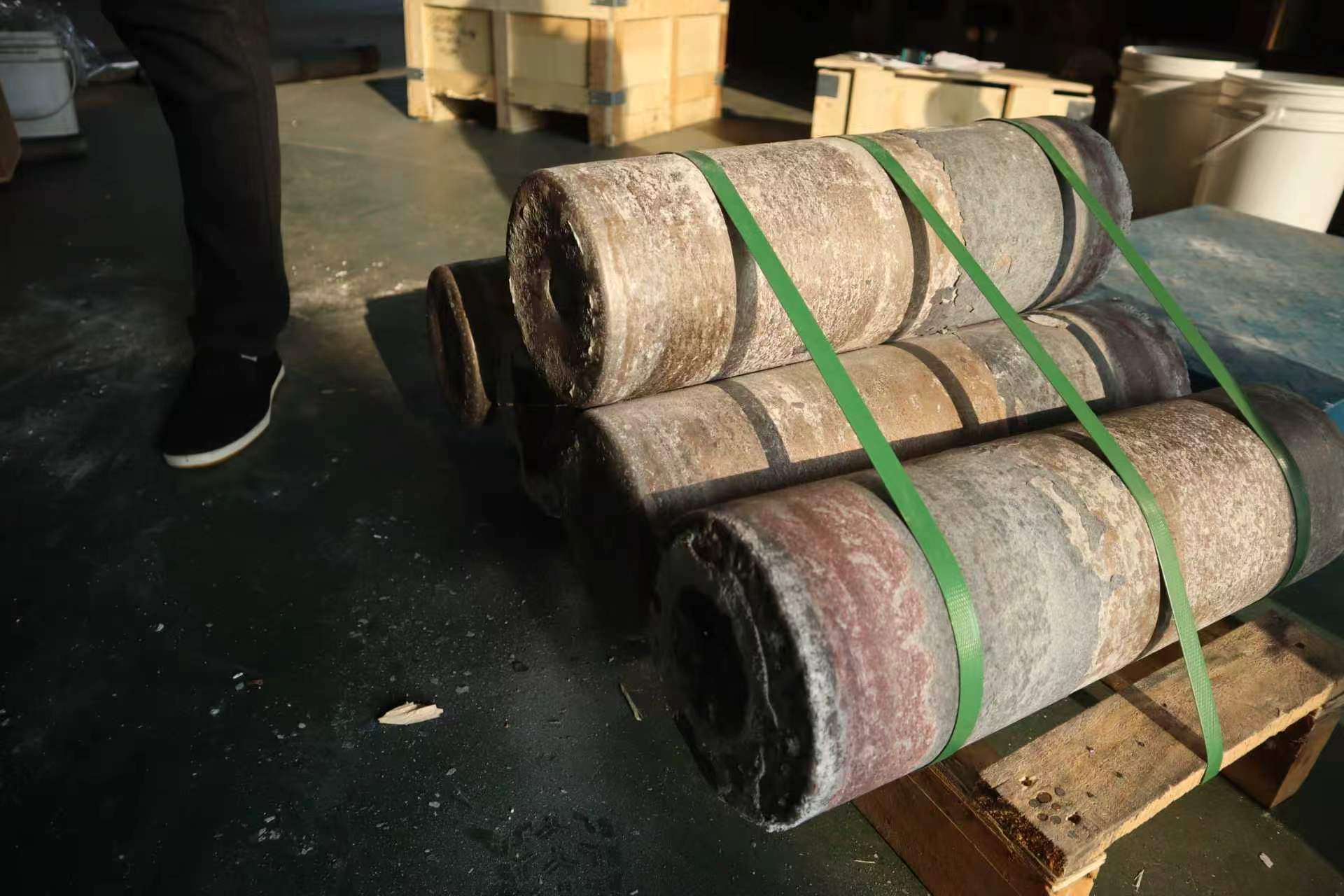
Core Competencies in Specialty Alloy Production
As a professional nickel-based alloy factory, Qingchuan New Materials maintains complete control over the production process from raw material purification to final component machining. Our manufacturing capabilities encompass three primary areas: high-purity metal production, specialty alloy development, and advanced material processing. The facility houses specialized equipment including vacuum induction melting furnaces, gas atomization systems for powder production, and precision CNC machining centers, enabling us to produce materials with purities exceeding 99.95% and dimensional tolerances within ±0.01mm.
The production workflow begins with raw material selection and purification, where we employ advanced degassing techniques to remove impurities from chromium, nickel, and cobalt base materials. For high-purity chromium flakes and powders, our proprietary evaporation process ensures consistent particle size distribution and minimal oxidation, critical for vacuum coating applications. The nickel-based alloy manufacturing line supports multiple material grades including Inconel 718, Hastelloy X, and custom formulations tailored to specific operating conditions.
Comprehensive Product Range for Industrial Applications
Qingchuan’s product portfolio addresses diverse industry requirements through five main material categories: wrought superalloys, cast superalloys, powder metallurgy products, high-purity materials, and vacuum coating targets. Each category contains multiple sub-grades optimized for particular applications:
- Wrought Superalloys: Nickel-based (Inconel 625, 718), cobalt-based (Haynes 188), and iron-based (A286) alloys supplied as bar, sheet, and wire forms for forging and machining
- Cast Superalloys: Investment casting powders and pre-alloyed feedstock for turbine blades, combustion chambers, and medical implant components
- Powder Metallurgy: Gas-atomized powders for metal 3D printing (SLM, EBM processes) with optimized flowability and packing density
- High-Purity Materials: 5N (99.999%) purity nickel, chromium, and cobalt targets for semiconductor and display manufacturing
- Evaporation Materials: Chromium flakes and nickel pellets engineered for consistent deposition rates in magnetron sputtering systems
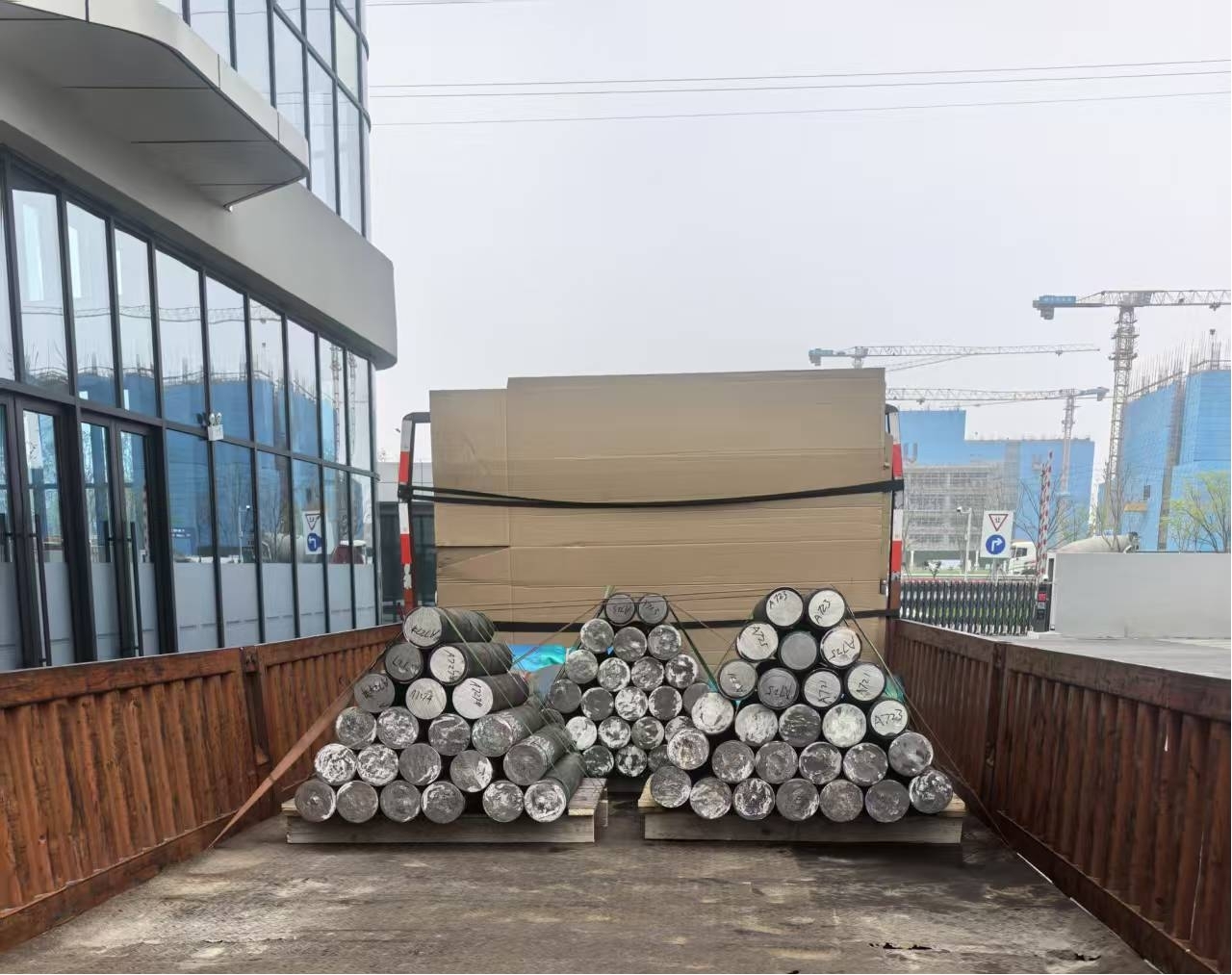
Material Specification Comparison
Selecting the appropriate alloy grade requires evaluation of operating temperature, corrosion resistance, and mechanical load requirements. The following table compares key properties across our primary nickel-based alloy offerings:
| Property | Inconel 718 | Hastelloy X | Nimonic 90 |
|---|---|---|---|
| Max Service Temp (°C) | 650 | 1200 | 950 |
| Yield Strength (MPa) | 1100 | 310 | 760 |
| Corrosion Resistance | Good (pitting) | Excellent (oxidizing) | Moderate |
| Typical Applications | Turbine disks, fasteners | Combustion cans, afterburners | Blades, rings |
Industry-Specific Alloy Solutions
The aerospace sector represents our largest market segment, where nickel-based alloys enable critical engine components operating under extreme conditions. For gas turbine engines, our cast superalloys achieve 8:1 aspect ratios in single-crystal turbine blades, combining creep resistance with thermal fatigue durability. In the medical field, our cobalt-chrome alloys meet ASTM F75 standards for hip joint implants, offering biocompatibility alongside mechanical strength comparable to human bone.
Emerging applications in additive manufacturing drive demand for our optimized metal powders. The spherical morphology and narrow particle size distribution of our gas-atomized powders ensure consistent layer adhesion and minimal porosity in 3D-printed parts. This capability supports aerospace clients producing complex fuel nozzles and structural brackets with weight reductions exceeding 40% compared to traditional casting methods.
Quality Assurance and Certification Standards
As an ISO 9001:2015 certified nickel-based alloy manufacturer, Qingchuan implements comprehensive quality management systems covering raw material inspection, in-process monitoring, and final product verification. Our analytical laboratory employs ICP-MS, XRF, and SEM-EDS equipment to validate material composition to ppm-level accuracy. Mechanical testing follows ASTM standards including tensile testing (E8), hardness measurement (E18), and impact resistance (E23).
For aerospace applications, we maintain Nadcap accreditation for heat treatment and non-destructive testing processes. Medical device components undergo additional biocompatibility testing per ISO 10993 standards, with batch-specific certificates of analysis provided for every shipment. This rigorous quality framework has enabled us to become an approved supplier for multiple global aerospace OEMs and medical device manufacturers.
FAQ
What makes nickel-based alloys suitable for high-temperature applications?
Nickel-based alloys derive their high-temperature capabilities from a solid solution strengthening mechanism where elements like chromium, cobalt, and molybdenum dissolve into the nickel matrix. This creates strong atomic bonds that resist deformation under thermal stress. Additionally, gamma prime (Ni3(Al,Ti)) precipitates form during aging treatment, providing exceptional creep resistance up to 70% of the material’s melting point.
How do you ensure material purity in high-purity nickel targets?
Our purification process combines vacuum distillation with electron beam melting to remove gaseous impurities and heavy metals. The nickel is then processed through multiple zone refining stages to achieve 5N (99.999%) purity. Each production batch undergoes glow discharge mass spectrometry (GDMS) analysis to verify impurity levels below 10ppm for key elements like iron, copper, and carbon.
What advantages do your metal powders offer for 3D printing?
Our gas-atomized powders feature spherical morphology with D50 particle sizes optimized for specific printing technologies (20-45μm for SLM, 45-105μm for EBM). The narrow particle size distribution (PSD) ensures consistent powder flow and packing density, reducing porosity in printed parts. Flowability measurements using Hall flowmeters consistently exceed 25s/50g, meeting the stringent requirements of aerospace component production.
How does your company support import substitution for industrial tools?
We develop specialty alloys specifically for tooling applications where domestic production has historically relied on imports. Our cobalt-based alloys for taps and drills demonstrate 30% longer tool life compared to standard HSS materials when machining hardened steels. By collaborating with tool manufacturers during the material development phase, we optimize alloy compositions for specific cutting conditions and workpiece materials.
Summary
Qingchuan New Materials (Zhengzhou) Co., Ltd. has established itself as a premier nickel-based alloy manufacturer and high-purity material supplier through continuous investment in production technology and quality systems. Our vertically integrated facility produces specialty alloys that meet the most demanding requirements of aerospace, medical, and industrial clients worldwide. By combining advanced metallurgical expertise with responsive customer service, we deliver solutions that help manufacturers improve component performance, reduce production costs, and accelerate time-to-market for new product developments.