
In the realm of advanced materials manufacturing, the production of iron-nickel precision alloys represents a pinnacle of metallurgical engineering. These specialized alloys combine the exceptional properties of iron and nickel to create materials with superior strength, corrosion resistance, and thermal stability – essential characteristics for demanding applications in aerospace, medical devices, and industrial machinery. Qingchuan New Materials (Zhengzhou) Co., Ltd. stands as a premier manufacturer in this field, offering comprehensive solutions from raw material processing to finished component production.
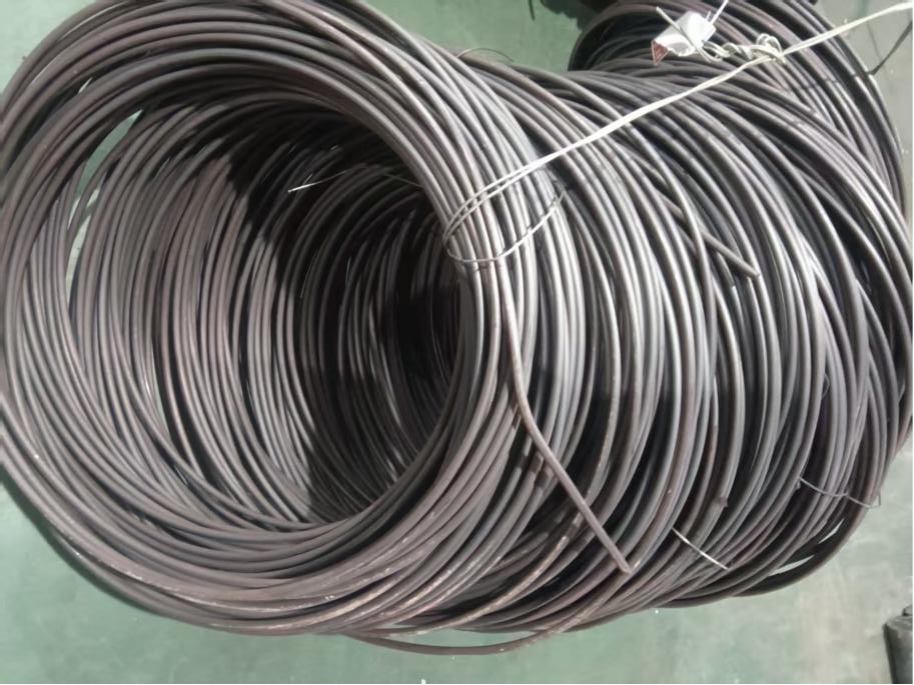
Core Competencies in Iron-Nickel Alloy Production
As a dedicated iron-nickel precision alloy processing factory, Qingchuan New Materials operates from a state-of-the-art facility located in Zhengzhou High-Tech Industrial Development Zone. Our modern workshop spans 5,000 square meters and houses advanced production lines specifically designed for specialty alloy manufacturing. The equipment portfolio includes:
- Vacuum induction melting furnaces for precise alloy composition control
- Electroslag remelting (ESR) systems for ultra-high purity material production
- Hot rolling and cold rolling mills with thickness control ±0.01mm
- Precision cutting and machining centers with CNC automation
- Comprehensive material testing laboratory with SEM, XRD, and ICP analysis
This technical infrastructure enables us to produce iron-nickel alloys with purity levels exceeding 99.95%, meeting the most stringent requirements for aerospace and medical applications. Our quality management system is certified to ISO 9001:2015 standards, with additional compliance with AS9100D for aerospace-grade materials.
Product Range and Customization Capabilities
The company’s iron-nickel alloy product line includes three primary categories tailored to specific application requirements:
1. High-Temperature Resistant Alloys
Our nickel-based superalloy series (INCONEL® equivalents) demonstrates exceptional performance at temperatures exceeding 1,000°C. These materials feature optimized compositions with chromium, molybdenum, and cobalt additions to resist oxidation and creep deformation. Typical applications include:
- Gas turbine blades and vanes
- Aerospace engine components
- Industrial furnace fixtures
- Chemical processing equipment
2. Corrosion-Resistant Alloys
For environments requiring superior chemical stability, our iron-nickel-chromium alloys (HASTELLOY® equivalents) provide unmatched resistance to pitting, crevice corrosion, and stress corrosion cracking. These materials are widely used in:
- Marine engineering components
- Oil and gas exploration equipment
- Pharmaceutical processing vessels
- Pollution control devices
3. Precision-Grade Alloys
Our medical-grade iron-nickel alloys meet biocompatibility requirements for permanent implants, featuring controlled impurity levels and excellent mechanical properties. These materials undergo special processing to ensure:
- Magnetic resonance imaging (MRI) compatibility
- Fatigue resistance exceeding 10⁷ cycles
- Smooth surface finish (Ra ≤ 0.1μm)
- Sterilization compatibility
| Alloy Type | Nickel Content | Max Operating Temp | Key Applications |
|---|---|---|---|
| Nickel-based superalloy | 50-75% | 1,200°C | Aerospace engines |
| Corrosion-resistant alloy | 30-60% | 600°C | Chemical processing |
| Medical-grade alloy | 24-30% | 300°C | Orthopedic implants |
Advanced Manufacturing Processes
The production of iron-nickel precision alloys involves multiple sophisticated processes, each requiring precise control to achieve the desired material properties. Our manufacturing workflow includes:
1. Melting and Refining: Using vacuum induction melting (VIM) followed by electroslag remelting (ESR), we achieve homogeneous alloy compositions with minimal segregation. This dual-melting process removes impurities and creates directionally solidified ingots with fine grain structures.
2. Forming Operations: Hot rolling reduces ingot cross-sections while maintaining material integrity, followed by cold rolling to achieve final thickness tolerances. Our rolling mills incorporate automatic gauge control (AGC) systems to ensure dimensional accuracy within ±0.01mm.
3. Heat Treatment: Solution annealing and precipitation hardening treatments optimize the alloy’s microstructure. We employ computer-controlled furnaces with uniform temperature distribution (±2°C) to prevent thermal gradients that could induce residual stresses.
4. Precision Machining: CNC turning and milling centers equipped with high-speed steel (HSS) and carbide tooling produce components with complex geometries. Our machining parameters are optimized for each alloy type to minimize tool wear and maintain surface integrity.
Quality Control and Certification
As an iron-nickel precision alloy quality manufacturer, we implement rigorous quality assurance protocols at every production stage. Our comprehensive testing capabilities include:
- Chemical Analysis: Inductively coupled plasma mass spectrometry (ICP-MS) verifies alloy composition within ±0.01% of target values
- Mechanical Testing: Universal testing machines measure tensile strength, yield strength, and elongation according to ASTM E8 standards
- Metallographic Examination: Scanning electron microscopy (SEM) and energy-dispersive X-ray spectroscopy (EDS) analyze grain structure and phase distribution
- Non-Destructive Testing: Ultrasonic inspection detects internal defects in accordance with ASTM A388 requirements
- Corrosion Testing: Salt spray chambers and electrochemical cells evaluate resistance to various corrosive environments
All materials come with complete traceability documentation, including mill test certificates (MTCs) showing chemical composition, mechanical properties, and heat treatment records. We maintain ISO 17025 accreditation for our testing laboratory, ensuring results are recognized by international certification bodies.
Application Case Studies
Our iron-nickel precision alloys have been successfully implemented in numerous high-profile projects across industries:
Aerospace Turbine Blades: For a leading aircraft engine manufacturer, we supplied nickel-based superalloy blanks that withstood operational temperatures exceeding 1,100°C while maintaining dimensional stability. The components demonstrated less than 0.05mm deformation after 1,000 hours of continuous operation.
Medical Implant Production: A major orthopedic device company selected our medical-grade iron-nickel alloy for hip joint replacements due to its biocompatibility and fatigue resistance. The implants have maintained excellent clinical performance with zero reported failures over five years of follow-up.
Marine Valve Components: Our corrosion-resistant alloy was chosen for seawater valves on offshore oil platforms. The material’s resistance to chloride-induced stress corrosion cracking extended service life by 300% compared to conventional stainless steel alternatives.
FAQ
What makes iron-nickel alloys suitable for high-temperature applications?
Iron-nickel alloys form stable intermetallic compounds and solid solutions that maintain mechanical strength at elevated temperatures. The addition of chromium improves oxidation resistance by forming a protective chromium oxide layer on the surface, while molybdenum enhances creep resistance by stabilizing the alloy’s microstructure.
How do you ensure consistent alloy composition during production?
We employ dual melting processes (VIM followed by ESR) to achieve homogeneous composition. Our vacuum induction furnaces use precise weighing systems and computer-controlled charging to maintain target element ratios within ±0.01%. Each batch undergoes ICP chemical analysis before further processing.
What surface finishes can you achieve on precision alloy components?
Our machining capabilities allow for surface finishes ranging from 0.8μm Ra (standard machining) to 0.1μm Ra (superfinishing). For medical applications requiring ultra-smooth surfaces, we offer electropolishing services that reduce surface roughness to 0.05μm Ra while removing potential contamination sources.
Can you provide custom alloy formulations for specific applications?
Yes, as an iron-nickel precision alloy custom manufacturer, we offer alloy development services. Our materials engineers work with clients to optimize compositions based on operational requirements, then produce small-batch samples for testing before full-scale production.
What lead times should be expected for precision alloy orders?
Standard products from our inventory typically ship within 5-7 business days. Custom orders require 15-25 days for production, depending on complexity and quantity. For urgent requirements, we maintain expedited processing capabilities that can reduce lead times by up to 40%.
Summary
Qingchuan New Materials (Zhengzhou) Co., Ltd. has established itself as a premier iron-nickel precision alloy manufacturer through technical expertise, advanced production facilities, and unwavering commitment to quality. Our comprehensive capabilities – from alloy development to finished component machining – enable us to serve demanding industries including aerospace, medical devices, and industrial machinery. With a focus on continuous improvement and customer-specific solutions, we remain at the forefront of specialty alloy manufacturing technology.