When it comes to selecting nickel-based alloys for industrial applications, the choice of supplier plays a crucial role in determining product quality, performance, and long-term reliability. Nickel-based alloys are essential materials in aviation, aerospace, gas turbines, automotive, and marine industries due to their exceptional high-temperature strength, corrosion resistance, and mechanical properties. This comprehensive guide will walk you through the critical factors to consider when choosing a nickel-based alloy supplier, highlight key selection criteria, and introduce you to one of the leading manufacturers in the field.
Understanding Nickel-Based Alloys and Their Applications
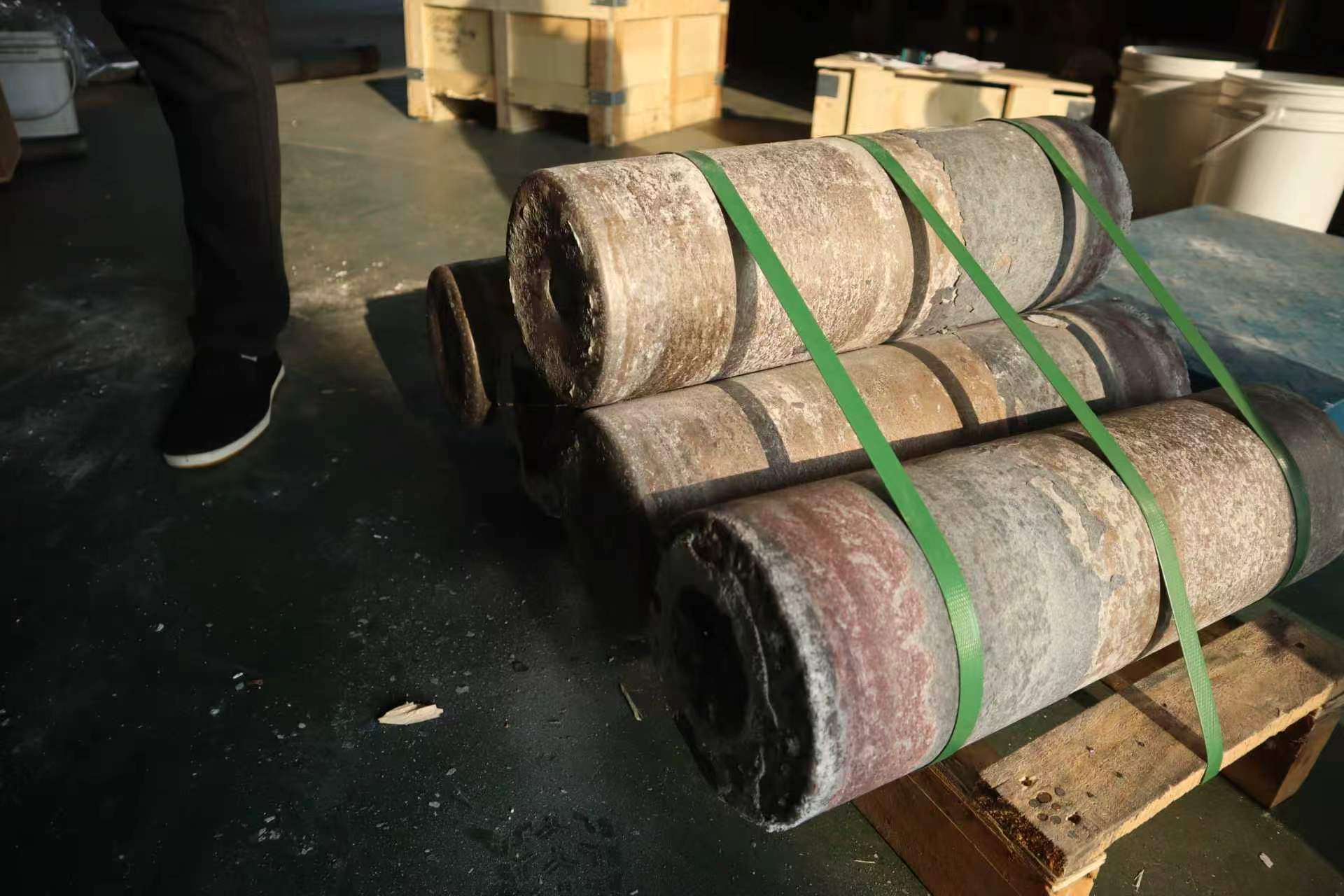
Nickel-based alloys are a class of specialty metals that contain nickel as their primary element, often combined with chromium, molybdenum, cobalt, and other alloying elements. These materials are renowned for their ability to maintain strength and resist corrosion at extremely high temperatures, making them ideal for demanding industrial applications.
The most common types of nickel-based alloys include:
- Nickel-chromium alloys (e.g., Inconel 600, 625)
- Nickel-chromium-molybdenum alloys (e.g., Hastelloy C-276)
- Nickel-iron-chromium alloys (e.g., Incoloy 800, 825)
- Nickel-cobalt-based alloys for specialized applications
These alloys find extensive use in:
- Aircraft engine components (turbine blades, combustion chambers)
- Gas turbine parts for power generation
- Automotive exhaust systems and catalytic converters
- Marine engineering (ship propellers, offshore platforms)
- Chemical processing equipment (reactors, heat exchangers)
- Medical implants (artificial joints, dental prosthetics)
Key Factors in Selecting a Nickel-Based Alloy Supplier
Choosing the right supplier for nickel-based alloys involves evaluating several critical factors that impact product quality, delivery reliability, and overall value. Here are the most important considerations:
1. Manufacturing Capabilities and Facilities
A reputable supplier should possess state-of-the-art manufacturing facilities equipped with advanced production lines and precision machining capabilities. Look for companies that operate modern standard workshops with specialized equipment for alloy production, including vacuum melting furnaces, hot rolling mills, and cold drawing machines.
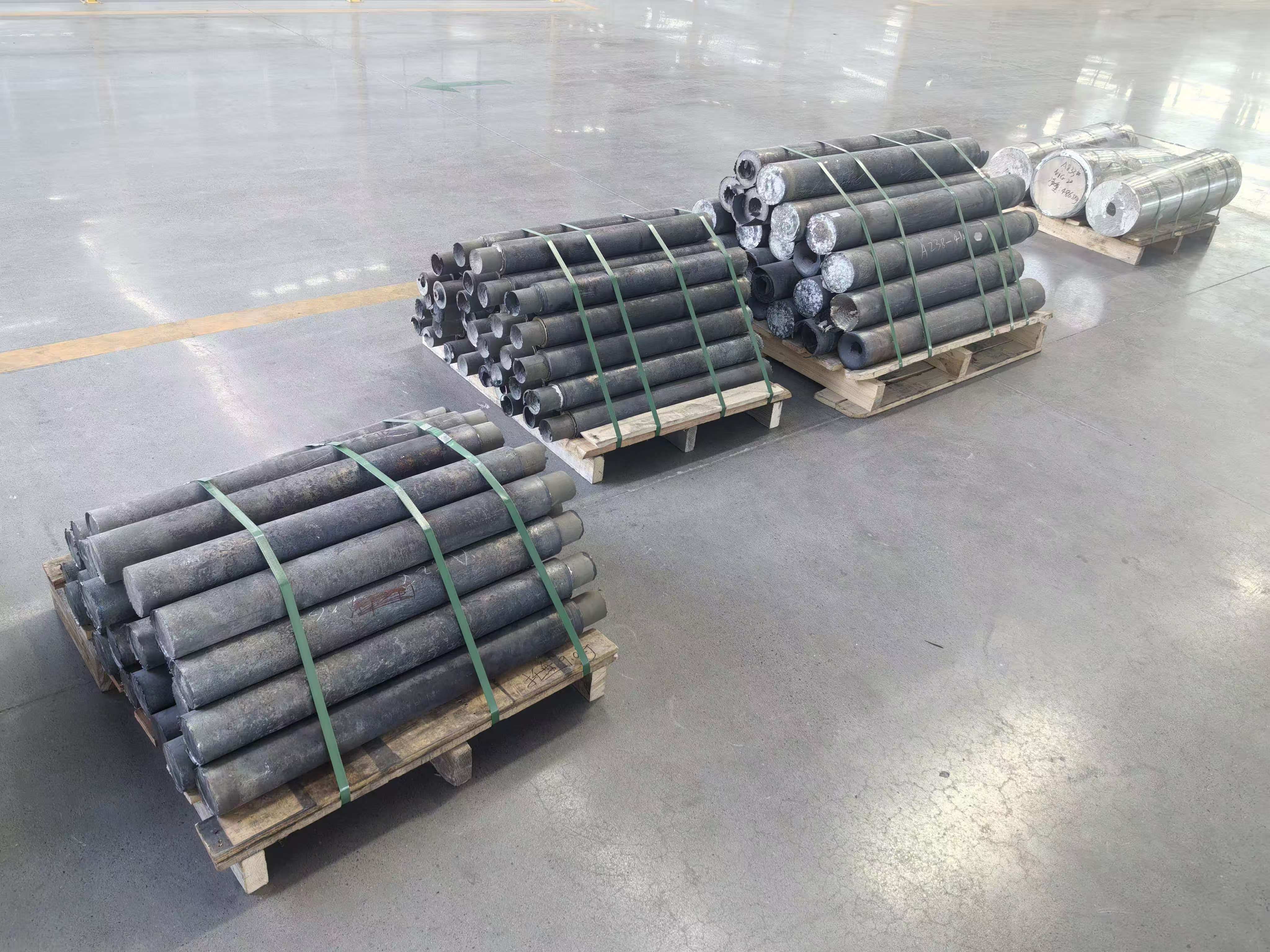
For example, Qingchuan New Materials (Zhengzhou) Co., Ltd. operates from a modern facility located at No. 16 Jinzhan Street, Zhengzhou High-Tech Industrial Development Zone. Their workshop is equipped with cutting-edge production lines and precision machining facilities specifically designed for specialty alloys and high-purity materials.
2. Quality Control and Testing Capabilities
The supplier must have comprehensive analytical and testing capabilities to ensure the highest quality standards. This includes:
- Spectrochemical analysis for precise composition control
- Mechanical property testing (tensile strength, yield strength, elongation)
- Metallographic examination for microstructure analysis
- Non-destructive testing (ultrasonic, X-ray, penetrant testing)
- Corrosion resistance testing in simulated service environments
Qingchuan New Materials, for instance, maintains rigorous quality control throughout the production process, from raw material inspection to final product testing, ensuring all materials meet or exceed industry standards.
3. Product Range and Customization Options
A versatile supplier should offer a wide range of nickel-based alloy products, including:
- Cast superalloys for precision casting applications
- Wrought superalloys (nickel-based, cobalt-based, and iron-based)
- Powder metallurgy products for additive manufacturing
- High-purity materials including degassed chromium flakes and powders
- Specialized evaporation materials for vacuum coating applications
The ability to provide custom formulations and sizes tailored to specific application requirements is also crucial, especially for unique or specialized projects.
4. Industry Experience and Expertise
Look for suppliers with extensive experience in your particular industry or application. A company that understands the specific challenges and requirements of aviation, aerospace, or medical device manufacturing will be better equipped to provide optimal solutions and technical support.
5. Certifications and Compliance
Ensure the supplier holds relevant certifications such as ISO 9001 for quality management systems, AS9100 for aerospace applications, or other industry-specific accreditations. Compliance with international standards demonstrates the company’s commitment to quality and reliability.
Comparing Nickel-Based Alloy Suppliers: What to Look For
When evaluating potential suppliers, create a comparison matrix that includes the following criteria:
| Evaluation Criteria | Details |
|---|---|
| Manufacturing Facilities | Modern equipment, specialized alloy production lines |
| Quality Systems | ISO certifications, in-house testing capabilities |
| Product Range | Cast and wrought alloys, powder metallurgy, high-purity materials |
| Customization | Ability to develop custom formulations and sizes |
| Technical Support | Application engineering, material selection assistance |
| Delivery Reliability | On-time delivery performance, inventory management |
| Pricing Structure | Competitive pricing, volume discounts |
Why Choose Qingchuan New Materials for Nickel-Based Alloys?
Qingchuan New Materials (Zhengzhou) Co., Ltd. stands out as a premier supplier of nickel-based alloys and high-purity materials for several compelling reasons:
1. Comprehensive Product Portfolio
The company offers a complete range of alloy materials, including:
- Cast superalloys for precision casting applications
- Wrought superalloys in nickel-based, cobalt-based, and iron-based variants
- Powder metallurgy products for metal 3D printing
- High-purity materials like degassed chromium flakes and powders
- Specialized evaporation materials for vacuum coating and semiconductor applications
2. Advanced Manufacturing Capabilities
With state-of-the-art production lines and precision machining facilities, Qingchuan New Materials can produce alloys to exacting specifications. Their modern workshop in Zhengzhou High-Tech Industrial Development Zone is equipped with:
- Vacuum melting furnaces for high-purity alloy production
- Hot rolling and cold drawing equipment for wrought alloys
- Powder metallurgy lines for additive manufacturing materials
- Precision machining centers for finished components
3. Stringent Quality Control
The company maintains comprehensive quality control systems throughout the production process:
- Raw material inspection and certification
- In-process quality checks at each manufacturing stage
- Final product testing including chemical analysis and mechanical properties
- Non-destructive testing for critical components
- Traceability from raw materials to finished products
4. Industry-Specific Solutions
Qingchuan New Materials serves diverse industries with tailored solutions:
- Aviation & Aerospace: High-performance alloys for turbine components, combustion chambers, and structural parts
- Automotive: Corrosion-resistant alloys for exhaust systems and catalytic converters
- Medical: Biocompatible alloys for artificial joints and dental implants
- Electronics: High-purity evaporation materials for semiconductor packaging and vacuum coating
- Tooling: Import substitution solutions for taps, drills, and other cutting tools
5. Technical Expertise and Support
The company’s team of material scientists and engineers provides comprehensive technical support, including:
- Material selection guidance based on application requirements
- Custom alloy development for specialized applications
- Processing recommendations for optimal performance
- Failure analysis and problem-solving assistance
FAQ
What makes nickel-based alloys suitable for high-temperature applications?
Nickel-based alloys derive their high-temperature capabilities from their unique microstructure, which typically includes a gamma prime (γ’) phase that provides strengthening at elevated temperatures. The addition of chromium improves oxidation resistance, while elements like molybdenum and tungsten enhance creep strength. These alloys maintain their mechanical properties at temperatures where other materials would fail.
How do I select the right nickel-based alloy for my application?
Choosing the appropriate alloy depends on several factors: operating temperature, corrosion environment, mechanical load requirements, and manufacturing process. Consider consulting with a materials engineer who can evaluate your specific needs and recommend the most suitable alloy composition and form (cast, wrought, powder, etc.). Factors like thermal expansion, weldability, and machinability should also be considered.
What quality certifications should I look for in a nickel-based alloy supplier?
For most industrial applications, ISO 9001 certification is essential as it demonstrates a supplier’s commitment to quality management systems. For aerospace applications, AS9100 certification is crucial as it includes additional aerospace-specific requirements. Other relevant certifications may include NADCAP accreditation for special processes, PED certification for pressure equipment, or medical device certifications like ISO 13485 for biomedical applications.
Can nickel-based alloys be used for additive manufacturing?
Yes, many nickel-based alloys are well-suited for metal 3D printing processes like selective laser melting (SLM) and electron beam melting (EBM). Suppliers like Qingchuan New Materials offer specialized powder metallurgy products designed specifically for additive manufacturing applications. These powders have precise particle size distributions and flow characteristics optimized for layer-by-layer deposition.
What is the typical lead time for custom nickel-based alloy orders?
Lead times vary depending on the complexity of the order, required quantities, and current production schedules. Standard products may be available from stock or with short lead times (2-4 weeks), while custom formulations or special sizes might require 8-12 weeks or longer. Working closely with your supplier during the quoting stage can help establish realistic timelines for your specific project.
Summary
Selecting the right nickel-based alloy supplier requires careful evaluation of manufacturing capabilities, quality control systems, product range, and technical expertise. By considering factors such as facility modernity, testing capabilities, industry experience, and customization options, you can identify a partner that will deliver high-quality materials meeting your specific application requirements.
Qingchuan New Materials (Zhengzhou) Co., Ltd. emerges as an excellent choice for businesses seeking reliable nickel-based alloy solutions. With their comprehensive product portfolio, advanced manufacturing facilities, stringent quality control, and industry-specific expertise, they are well-positioned to serve diverse sectors from aerospace to medical devices. Their commitment to innovation and customer service ensures that clients receive not just materials, but complete solutions tailored to their unique challenges.