
When it comes to high-performance materials for demanding industrial applications, high-temperature alloys stand out as essential components. These specialized alloys are engineered to withstand extreme temperatures, corrosion, and mechanical stress, making them indispensable in sectors like aerospace, automotive, and medical devices. In this comprehensive guide, we’ll explore everything you need to know about high-temperature alloys, from their types and applications to how to choose a reliable supplier.
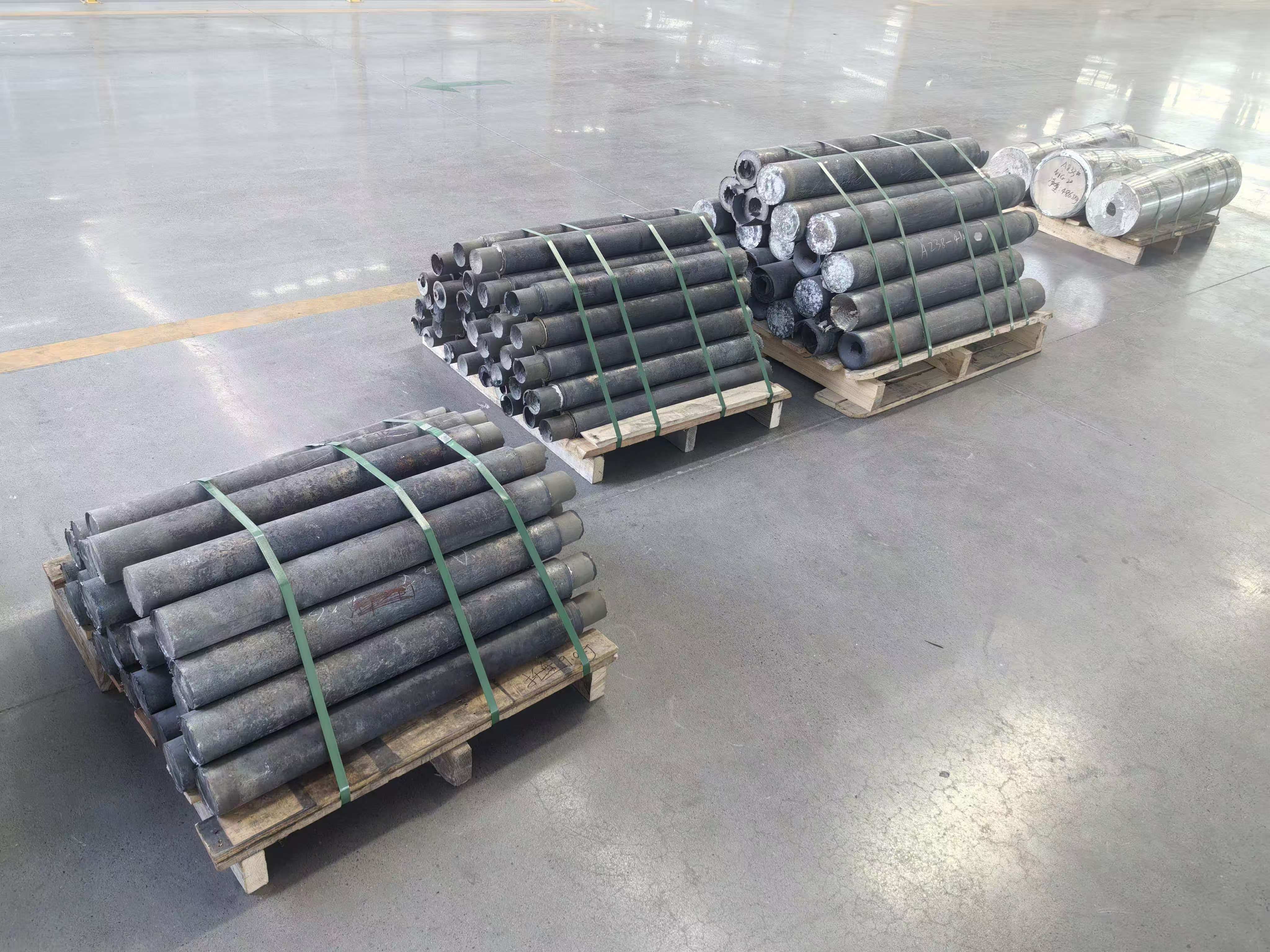
Understanding High-Temperature Alloys
High-temperature alloys, also known as superalloys, are metallic materials designed to maintain their mechanical properties at temperatures exceeding 540°C (1,000°F). These alloys combine exceptional strength, heat resistance, and oxidation resistance, making them ideal for applications where conventional materials would fail.
The development of high-temperature alloys has been driven by the need for materials that can withstand the extreme conditions found in jet engines, gas turbines, and industrial furnaces. These alloys typically contain elements such as nickel, cobalt, iron, chromium, and various refractory metals to achieve their remarkable properties.
Types of High-Temperature Alloys
High-temperature alloys come in several forms, each tailored to specific applications and performance requirements. At Qingchuan New Materials (Zhengzhou) Co., Ltd., we specialize in producing a wide range of high-quality superalloys to meet diverse industrial needs.
1. Cast Superalloys
Cast superalloys are produced through investment casting or directional solidification processes. These alloys are known for their excellent high-temperature strength and resistance to thermal fatigue. They’re commonly used in turbine blades, vanes, and other hot-section components in gas turbines and jet engines.
2. Wrought Superalloys
Wrought superalloys are formed through mechanical working processes like forging, rolling, or extrusion. These alloys offer superior ductility and toughness compared to cast superalloys, making them suitable for applications requiring complex shapes or significant deformation during service. Wrought superalloys come in nickel-based, cobalt-based, and iron-based variations, each with unique properties:
- Nickel-based superalloys: The most widely used type, offering excellent high-temperature strength and oxidation resistance. Ideal for aerospace applications.
- Cobalt-based superalloys: Known for their superior hot corrosion resistance, making them suitable for marine and industrial gas turbine applications.
- Iron-based superalloys: More cost-effective than nickel or cobalt-based alloys while still offering good high-temperature performance. Often used in automotive applications.
3. Powder Metallurgy Products
Powder metallurgy allows for the production of superalloys with unique microstructures and properties. This process involves compacting metal powders into shapes and then sintering them at high temperatures. Powder metallurgy superalloys are used in advanced aerospace components, medical implants, and metal 3D printing applications.
Applications of High-Temperature Alloys
The unique properties of high-temperature alloys make them indispensable in various industries that operate under extreme conditions. Let’s explore some of the key applications:
1. Aerospace Industry
The aerospace sector is the largest consumer of high-temperature alloys. These materials are used in:
- Turbine blades and vanes in jet engines
- Combustion chamber liners
- Afterburner components
- Rocket engine nozzles
- Structural components in hypersonic vehicles
The ability to withstand temperatures exceeding 1,000°C while maintaining strength and resistance to oxidation and hot corrosion is crucial for these applications.
2. Power Generation
High-temperature alloys play a vital role in power generation, particularly in:
- Gas turbine components for electricity generation
- Steam turbine blades and rotors
- Boiler tubes in thermal power plants
- Nuclear reactor components
These alloys enable more efficient power generation by allowing higher operating temperatures and pressures.
3. Automotive Industry
In the automotive sector, high-temperature alloys are used in:
- Turbocharger components
- Exhaust valves and manifolds
- Catalytic converter substrates
- Sensors and actuators in engine management systems
As automotive manufacturers strive for better fuel efficiency and lower emissions, the demand for high-performance materials that can withstand higher exhaust temperatures continues to grow.
4. Medical Applications
Certain high-temperature alloys, particularly those based on cobalt-chromium, are biocompatible and find applications in medical devices:
- Artificial joints (hip and knee replacements)
- Dental implants and prosthetics
- Surgical instruments
- Stents and other cardiovascular devices
These alloys offer excellent corrosion resistance in the biological environment and can withstand the mechanical stresses of daily use.
5. Industrial Processes
High-temperature alloys are essential in various industrial processes that involve extreme heat or corrosive environments:
- Chemical processing equipment
- Heat treatment fixtures
- Glass manufacturing components
- Metal refining and smelting equipment
| Alloy Type | Key Properties | Typical Applications |
|---|---|---|
| Nickel-based superalloys | Excellent high-temperature strength, oxidation resistance, creep resistance | Aerospace turbine components, power generation |
| Cobalt-based superalloys | Superior hot corrosion resistance, good strength at high temperatures | Marine gas turbines, industrial furnaces |
| Iron-based superalloys | Good high-temperature strength, more cost-effective | Automotive exhaust components, industrial equipment |
Choosing a Reliable High-Temperature Alloy Supplier
Selecting the right supplier for high-temperature alloys is crucial for ensuring product quality, performance, and reliability. Here are key factors to consider when evaluating potential suppliers:
1. Quality Assurance and Certifications
Look for suppliers with comprehensive quality management systems and relevant certifications such as ISO 9001, AS9100 (for aerospace), or NADCAP accreditation. These certifications demonstrate a commitment to consistent quality and adherence to industry standards.
2. Manufacturing Capabilities
Evaluate the supplier’s production facilities and capabilities. A reliable supplier should have:
- State-of-the-art production lines for casting, forging, or powder metallurgy
- Precision machining capabilities for finished components
- Advanced analytical and testing equipment for quality control
- The ability to produce both standard and custom alloys
3. Material Traceability
Ensure the supplier can provide complete material traceability from raw materials to finished products. This is particularly important in industries like aerospace and medical devices where strict documentation requirements exist.
4. Technical Expertise
Choose a supplier with deep technical knowledge of high-temperature alloys and their applications. They should be able to provide expert advice on alloy selection, processing, and performance characteristics.
5. Customization Capabilities
If your application requires specialized alloys or components, look for a supplier with experience in custom alloy development and manufacturing. This includes the ability to modify existing alloys or create entirely new compositions to meet specific requirements.
6. Global Reach and Logistics
Consider the supplier’s ability to serve international markets if needed. This includes export capabilities, knowledge of international standards, and efficient logistics for timely delivery.
FAQ
What makes high-temperature alloys different from regular alloys?
High-temperature alloys are specifically designed to maintain their mechanical properties at temperatures exceeding 540°C (1,000°F), whereas regular alloys may lose strength or corrode at these elevated temperatures. They contain elements like nickel, cobalt, and refractory metals that provide exceptional heat resistance.
How do I select the right high-temperature alloy for my application?
Choosing the right alloy depends on several factors including the operating temperature, environmental conditions (corrosive gases, oxidation), mechanical stresses, and cost considerations. Consult with a materials engineer or a reputable alloy supplier to determine the most suitable material for your specific needs.
Can high-temperature alloys be machined or welded?
Yes, many high-temperature alloys can be machined and welded, but these processes require specialized techniques and equipment due to the materials’ hardness and work-hardening characteristics. It’s important to work with manufacturers or machinists experienced in handling superalloys to avoid damaging the material or compromising its properties.
What is the typical lifespan of high-temperature alloy components?
The lifespan depends on the specific alloy, operating conditions, and maintenance practices. In aerospace applications, turbine blades made from advanced nickel-based superalloys can last for tens of thousands of flight hours. In industrial settings, components may need replacement every few years depending on the severity of the operating environment.
Summary
High-temperature alloys are essential materials for industries operating under extreme conditions. From aerospace turbine components to medical implants, these specialized alloys provide the strength, heat resistance, and corrosion resistance needed for critical applications. When selecting a high-temperature alloy supplier, prioritize quality assurance, technical expertise, and customization capabilities to ensure you get the best materials for your specific needs.
At Qingchuan New Materials (Zhengzhou) Co., Ltd., we’re committed to providing high-quality high-temperature alloys and related products. With our state-of-the-art manufacturing facilities and comprehensive quality control systems, we’re well-equipped to meet the demanding requirements of industries worldwide. Contact us today to learn more about our product offerings and how we can support your high-performance material needs.