
In modern industrial manufacturing, materials with precise thermal expansion properties play a critical role in ensuring component reliability under extreme conditions. Among these specialized materials, iron-nickel constant expansion sealing alloy stands out as an essential solution for applications requiring dimensional stability across wide temperature ranges. Qingchuan New Materials (Zhengzhou) Co., Ltd., a professional enterprise located in Zhengzhou High-Tech Industrial Development Zone, has established itself as a leading manufacturer of this specialized alloy through continuous research, advanced production facilities, and comprehensive quality control systems.
Understanding Iron-Nickel Constant Expansion Sealing Alloy
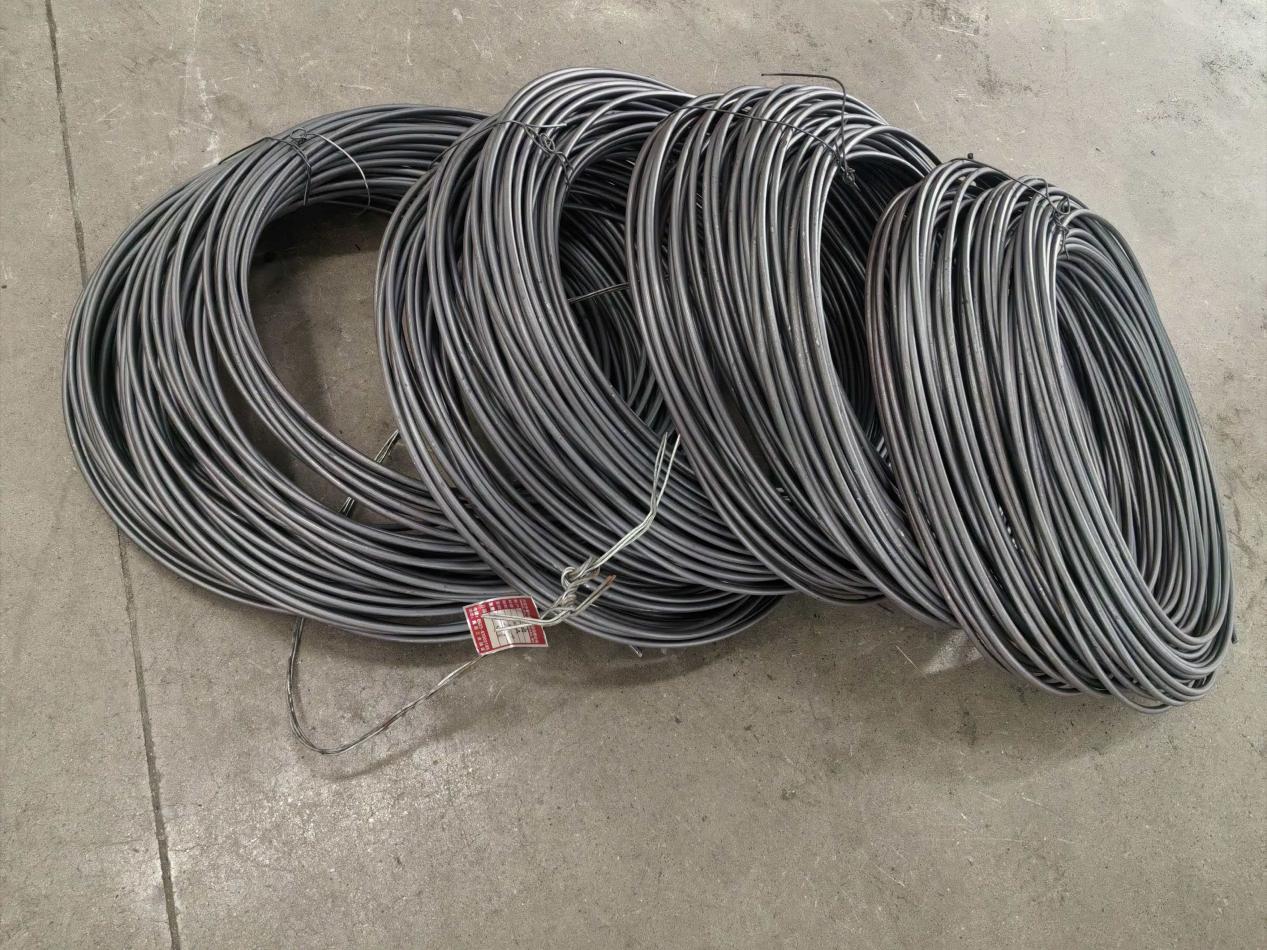
Iron-nickel constant expansion sealing alloy belongs to the controlled expansion alloy family, engineered to maintain nearly constant thermal expansion coefficients across specific temperature ranges. This unique property makes it indispensable for applications where thermal cycling could otherwise cause dimensional changes leading to component failure or leakage. The alloy typically contains 36% nickel with balanced iron content, achieving its characteristic expansion behavior through precise metallurgical composition control.
The manufacturing process for this specialized alloy requires exceptional purity control and uniform microstructure development. Qingchuan New Materials implements a vertically integrated production system starting from raw material selection through vacuum melting, precision casting, and final machining. Their modern workshop at No. 16 Jinzhan Street houses state-of-the-art vacuum induction melting furnaces capable of producing high-purity ingots with minimal impurities, which is crucial for maintaining consistent expansion properties.
Core Manufacturing Capabilities
As a dedicated iron-nickel constant expansion sealing alloy unit, Qingchuan’s production facilities feature several key advantages:
- Precision Melting Technology: Vacuum induction melting systems ensure homogeneous alloy composition with oxygen content below 10ppm, critical for preventing oxidation during service.
- Advanced Forming Processes: The company operates both hot rolling and cold rolling lines capable of producing alloy strips with thickness tolerances within ±0.01mm, meeting stringent requirements for semiconductor applications.
- Specialized Heat Treatment: Computer-controlled annealing furnaces enable precise control of recrystallization processes, optimizing the alloy’s microstructure for targeted expansion coefficients.
- Comprehensive Testing: In-house laboratories equipped with laser diffraction particle analyzers, ICP-MS spectrometers, and thermal expansion testers verify all material properties before shipment.
The production team at Qingchuan comprises experienced metallurgists and process engineers specializing in controlled expansion alloys. This dedicated iron-nickel constant expansion sealing alloy team maintains rigorous quality protocols throughout manufacturing, from raw material inspection to final product validation. Their expertise enables customization of alloy compositions to meet specific customer requirements for different expansion coefficient ranges.
Key Product Applications
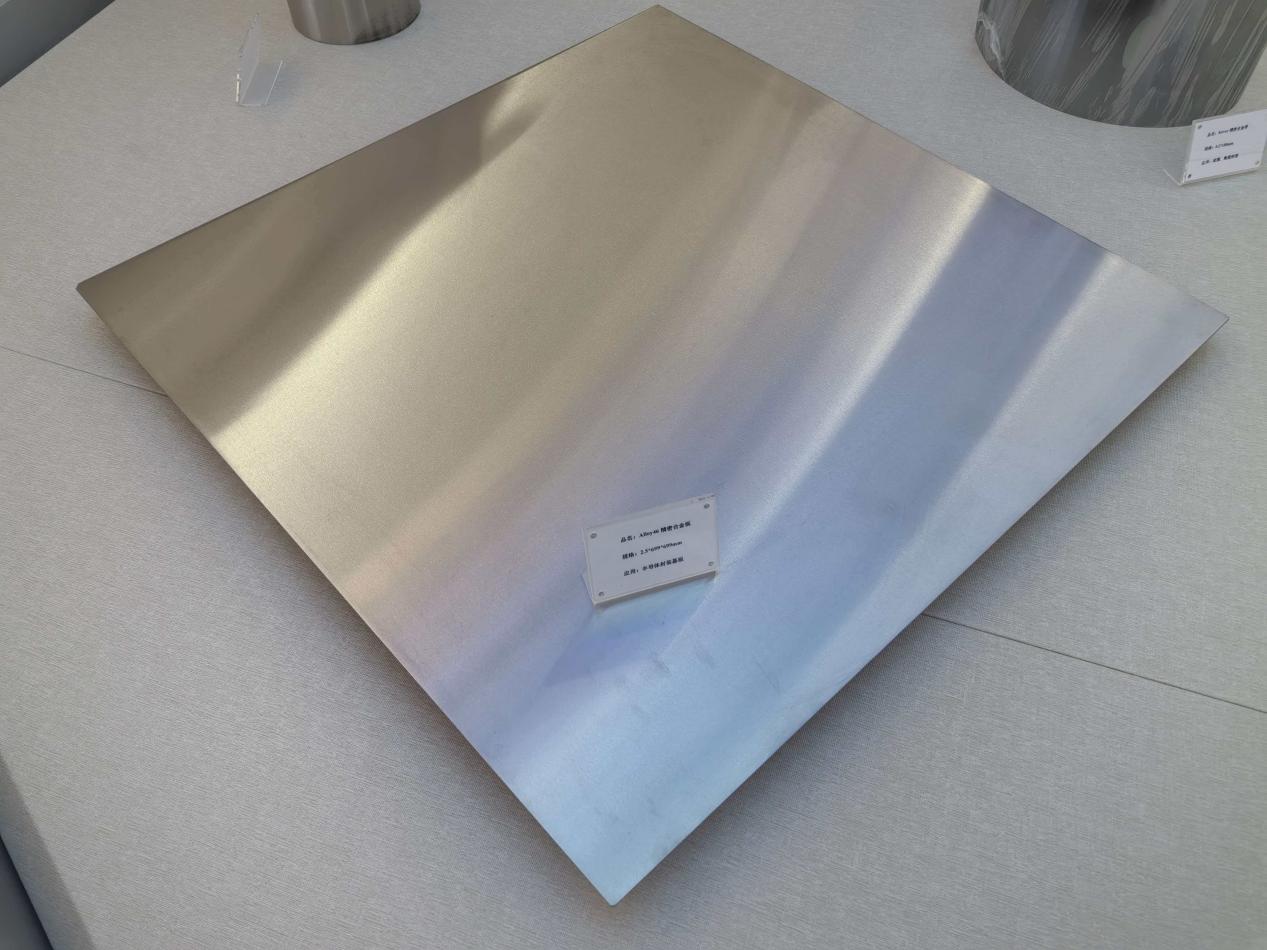
The unique properties of iron-nickel constant expansion sealing alloy enable its use in several high-value industrial sectors:
1. Aerospace & Gas Turbine Components
In aircraft engines and rocket propulsion systems, components must withstand extreme temperature gradients without leaking or deforming. Qingchuan’s alloy materials series are used to manufacture precision-cast turbine blades, combustion chamber liners, and sealing rings that maintain their dimensions from cryogenic temperatures to over 600°C. The consistent expansion behavior prevents thermal fatigue cracking and ensures reliable sealing in high-pressure environments.
2. Medical Device Manufacturing
The biocompatible versions of these alloys find application in artificial joints and dental implants where precise fit is essential for long-term functionality. The controlled expansion properties help maintain implant stability during body temperature fluctuations and sterilization cycles, while the high purity minimizes biocompatibility risks.
3. Semiconductor Equipment
In semiconductor fabrication, vacuum chambers and wafer handling systems require materials with minimal outgassing and precise thermal matching. Qingchuan’s high-purity nickel evaporation materials and alloy targets provide the necessary dimensional stability for critical components in magnetron sputtering systems and vacuum coating equipment.
4. Industrial Tooling Solutions
The alloy’s wear resistance combined with its thermal stability makes it an excellent material for precision taps, drills, and cutting tools used in high-speed machining operations. By maintaining consistent dimensions during heating and cooling cycles, these tools deliver superior performance and longer service life compared to conventional materials.
| Alloy Grade | Expansion Coefficient (20-100°C) | Typical Applications |
|---|---|---|
| 4J36 | 1.5×10⁻⁶/°C | Aerospace seals, medical implants |
| 4J42 | 2.9×10⁻⁶/°C | Semiconductor equipment, industrial tools |
| 4J50 | 4.8×10⁻⁶/°C | Glass-to-metal seals, optical components |
FAQ
What makes iron-nickel constant expansion alloy suitable for aerospace applications?
The alloy’s ability to maintain nearly constant dimensions across extreme temperature ranges (-253°C to 600°C) prevents thermal stress-induced failures in aircraft engine components and rocket seals. Its low thermal expansion coefficient mismatch with ceramic materials used in turbine blades reduces interface stresses during operation.
How does Qingchuan ensure material purity in their production process?
The company implements triple vacuum melting procedures with argon shielding to minimize oxygen pickup during melting. Each batch undergoes ICP-MS analysis to verify impurity levels below 50ppm for critical elements like sulfur, phosphorus, and carbon. The cleanroom-class finishing facilities prevent surface contamination during final processing.
Can these alloys be used for medical implants?
Yes, Qingchuan produces medical-grade versions of their 4J36 alloy that comply with ASTM F30 standard for surgical implants. These grades undergo additional biocompatibility testing and passivation treatments to ensure safety for long-term human body exposure.
What advantages do these alloys offer over aluminum for semiconductor equipment?
Compared to aluminum, iron-nickel alloys exhibit 10-20 times lower outgassing rates in vacuum environments, making them ideal for sputtering targets and chamber components. Their controlled expansion behavior prevents thermal cycling-induced leaks in high-vacuum systems, while their higher density improves sputtering efficiency.
Summary
Qingchuan New Materials (Zhengzhou) Co., Ltd. has established itself as a premier manufacturer of iron-nickel constant expansion sealing alloy through its advanced production facilities, specialized technical team, and comprehensive quality control systems. Located in Zhengzhou High-Tech Industrial Development Zone, the company serves global customers across aerospace, medical, semiconductor, and industrial tooling sectors with its precision-engineered alloy materials. By combining state-of-the-art manufacturing equipment with rigorous testing protocols, Qingchuan delivers materials that meet the most demanding specifications for dimensional stability under extreme thermal conditions. Their ability to customize alloy compositions and provide import substitution solutions for critical components positions them as a strategic partner for companies seeking reliable, high-performance controlled expansion materials.