
Selecting the right high-temperature alloy is crucial for industries ranging from aerospace to medical device manufacturing. These specialized materials must withstand extreme conditions while maintaining structural integrity and performance. As a leading manufacturer of specialty alloys and high-purity materials, Qingchuan New Materials (Zhengzhou) Co., Ltd. provides this comprehensive guide to help you make informed decisions when choosing high-temperature alloys for your specific applications.
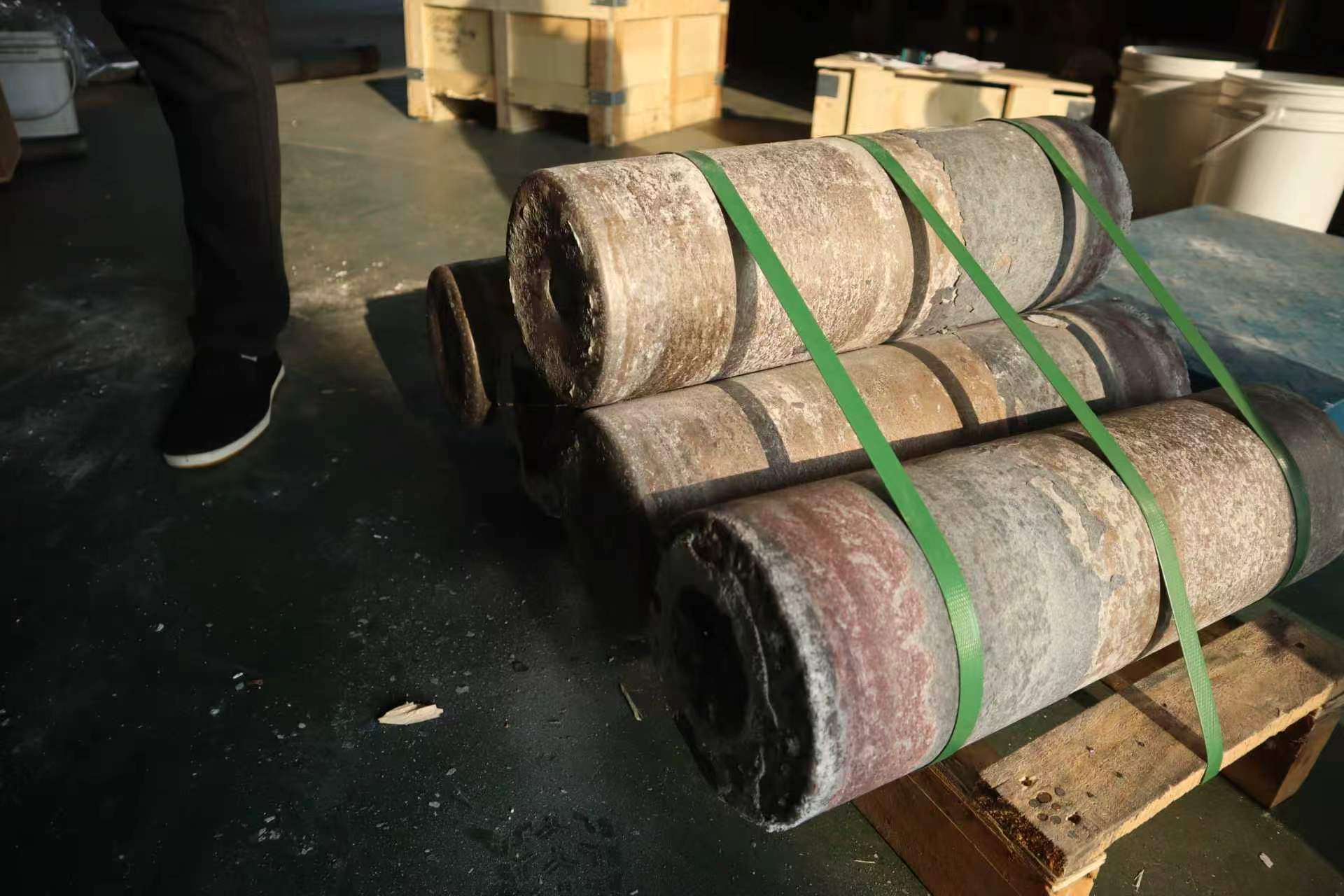
Understanding High-Temperature Alloy Categories
High-temperature alloys fall into three primary categories based on their base elements: nickel-based, cobalt-based, and iron-based. Each type offers distinct advantages and is suitable for different operating conditions and applications.
Nickel-based superalloys represent the most widely used category, accounting for approximately 50% of all superalloy production. These alloys excel in temperatures up to 1,100°C (2,012°F) and demonstrate exceptional resistance to oxidation and hot corrosion. Common applications include aircraft engine components, gas turbine blades, and industrial furnaces.
Cobalt-based alloys offer superior wear resistance and maintain strength at temperatures exceeding 1,000°C (1,832°F). These materials find primary use in medical implants, dental prosthetics, and cutting tools where both heat resistance and biocompatibility are essential.
Iron-based alloys provide a cost-effective alternative for applications operating at lower temperatures (up to 760°C or 1,400°F). They offer good strength and corrosion resistance, making them suitable for automotive exhaust systems and industrial burners.
Key Selection Criteria for High-Temperature Alloys
Choosing the optimal alloy requires careful evaluation of several critical factors that influence performance and longevity in specific operating environments:
1. Operating Temperature Range
The primary consideration is the maximum continuous operating temperature your application requires. Nickel-based alloys typically perform best above 800°C (1,472°F), while cobalt-based materials excel in the 800-1,000°C range. Iron-based alloys are most suitable for temperatures below 760°C (1,400°F).
2. Corrosion Resistance Requirements
Evaluate the specific corrosion mechanisms present in your operating environment:
- Oxidation resistance: Critical for high-temperature air exposure
- Sulfidation resistance: Important for sulfur-containing environments
- Chloride stress corrosion cracking: Consider for marine or chemical processing applications
- Hot corrosion: Relevant for combustion environments with contaminants
3. Mechanical Property Needs
Consider the required strength levels at operating temperature, along with fatigue resistance and creep properties for long-term applications. Nickel-based alloys generally offer the highest strength at elevated temperatures.
4. Manufacturing Process Compatibility
Different alloys respond differently to various manufacturing techniques:
- Casting: Suitable for complex shapes but may require heat treatment
- Forging: Improves mechanical properties but has shape limitations
- Powder metallurgy: Enables near-net-shape manufacturing with uniform properties
- Additive manufacturing: Requires specific alloy formulations for 3D printing
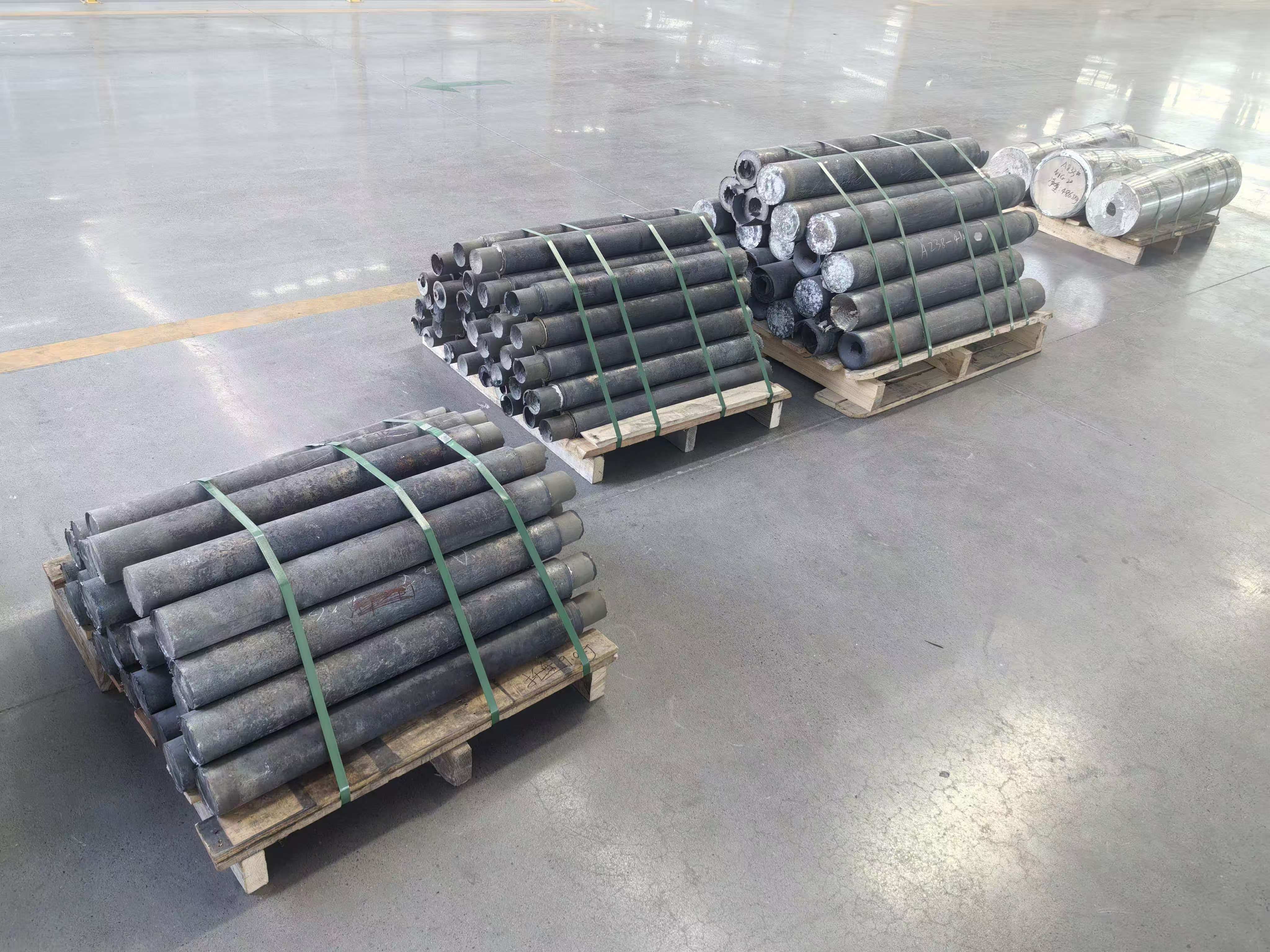
5. Cost Considerations
While performance is paramount, budget constraints often influence material selection. Nickel-based alloys typically cost 2-3 times more than cobalt-based alternatives, with iron-based alloys being the most economical option. Consider the total lifecycle cost, including maintenance and replacement frequency.
Quality Standards for High-Temperature Alloys
When evaluating manufacturers, verify compliance with international quality standards specific to your industry:
| Standard | Applicable Industry | Key Requirements |
|---|---|---|
| AMS 5837 | Aerospace | Nickel-based alloy for gas turbine disks |
| ASTM F75 | Medical | Cobalt-chromium alloy for surgical implants |
| ASME SB-163 | Chemical Processing | Nickel-copper alloy for condenser tubes |
| ISO 5832-12 | Orthopedic | Wrought cobalt-chromium-molybdenum alloy |
Leading Manufacturers of High-Temperature Alloys
When sourcing high-temperature alloys, consider manufacturers with the following capabilities:
1. Qingchuan New Materials (Zhengzhou) Co., Ltd.
As a professional enterprise specializing in R&D and manufacturing of high-purity metals and specialty alloys, Qingchuan operates from a modern facility in Zhengzhou High-Tech Industrial Development Zone. Our capabilities include:
- State-of-the-art production lines for specialty alloys
- Precision machining facilities for high-purity materials
- Comprehensive analytical and testing laboratories
- ISO 9001:2015 quality management system certification
- Custom alloy development for specific applications
2. Other Reputable Manufacturers
While many global manufacturers produce high-temperature alloys, distinguishing factors include:
- Vertical integration from raw material production to finished components
- Proprietary alloy formulations with enhanced properties
- Consistent batch-to-batch quality through advanced process controls
- Global certification compliance for multiple industries
- Technical support for material selection and application engineering
Application-Specific Alloy Recommendations
Different industries require specialized alloy formulations to meet their unique performance demands:
Aerospace Applications
For aircraft engine components exposed to extreme temperatures and stresses, nickel-based superalloys like Inconel 718 or Hastelloy X provide optimal performance. These materials offer excellent fatigue resistance and maintain strength at temperatures exceeding 650°C (1,200°F).
Medical Implants
Biocompatible cobalt-chromium alloys such as ASTM F75 or ISO 5832-12 are standard for artificial joints and dental prosthetics. These materials combine corrosion resistance with mechanical properties that mimic natural bone structure.
Automotive Exhaust Systems
Ferritic stainless steels like 409 or 439 grades offer cost-effective corrosion resistance for exhaust components operating up to 800°C (1,472°F). For higher performance requirements, nickel-based alloys may be specified.
FAQ
What is the primary difference between nickel-based and cobalt-based superalloys?
Nickel-based superalloys generally offer superior high-temperature strength and oxidation resistance, making them ideal for aerospace applications. Cobalt-based alloys provide better wear resistance and maintain strength at slightly lower temperatures, making them preferred for medical implants and cutting tools.
How can I verify the quality of high-temperature alloy materials?
Request certification documents including material test reports (MTRs) that verify chemical composition and mechanical properties. Reputable manufacturers conduct comprehensive testing including spectroscopy analysis, tensile testing, and microstructure examination.
What factors affect the cost of high-temperature alloys?
Primary cost drivers include raw material prices (especially nickel and cobalt), manufacturing complexity, required purity levels, and certification requirements. Custom formulations and small production runs also increase costs compared to standard grades.
Can high-temperature alloys be used for additive manufacturing?
Yes, but specific alloy formulations are required for 3D printing processes. These powders must have precise particle size distributions and flow characteristics. Many manufacturers now offer AM-optimized versions of popular superalloys.
How often should high-temperature alloy components be inspected?
Inspection frequency depends on operating conditions and criticality of the component. For aerospace applications, non-destructive testing may occur after every flight cycle. Industrial components might follow maintenance schedules based on operating hours or calendar time.
Summary
Selecting the right high-temperature alloy requires careful consideration of your specific application requirements, operating environment, and budget constraints. Nickel-based alloys excel in extreme temperatures, cobalt-based materials offer superior wear resistance, and iron-based alloys provide cost-effective solutions for moderate conditions. Always verify manufacturer capabilities through quality certifications and material test reports.
As a trusted supplier of specialty alloys and high-purity materials, Qingchuan New Materials (Zhengzhou) Co., Ltd. combines advanced manufacturing capabilities with rigorous quality control to deliver materials that meet the most demanding specifications. Our modern facility in Zhengzhou High-Tech Industrial Development Zone ensures consistent production of high-performance alloys for industries worldwide.