
When it comes to high-performance materials for extreme environments, Haynes230 alloy stands out as a premier choice across multiple industries. This nickel-chromium-tungsten alloy combines exceptional high-temperature strength with outstanding oxidation and corrosion resistance, making it indispensable in applications ranging from aerospace to medical devices. As a leading Haynes230 manufacturer, Qingchuan New Materials (Zhengzhou) Co., Ltd. brings decades of expertise to producing this specialized material with consistent quality and reliability.
Understanding Haynes230 Alloy Composition and Properties
Haynes230 belongs to the family of nickel-based superalloys, specifically formulated to maintain mechanical integrity at temperatures exceeding 1093°C (2000°F). Its unique composition includes:
- Nickel (Balance): Provides the matrix for excellent high-temperature strength
- Chromium (22-24%): Enhances oxidation resistance and forms protective surface oxides
- Tungsten (13-15%): Increases high-temperature strength and creep resistance
- Molybdenum (1.5% max): Improves corrosion resistance in reducing environments
- Lanthanum (0.005-0.05%): Enhances oxidation resistance at extreme temperatures
This precise chemical balance gives Haynes230 several critical advantages over other superalloys:
Exceptional High-Temperature Strength: Maintains yield strength above 310 MPa (45 ksi) even at 982°C (1800°F), outperforming many competing alloys in sustained load applications.
Superior Oxidation Resistance: Forms a tenacious, adherent oxide scale that protects against spalling and cracking during thermal cycling, crucial for components exposed to rapid temperature changes.
Outstanding Corrosion Resistance: Resists both oxidizing and reducing environments, including sulfur-bearing gases and carburizing atmospheres commonly found in industrial processing.
Excellent Fabricability: Despite its high alloy content, Haynes230 maintains good formability and weldability, allowing for complex component manufacturing without compromising material integrity.
Haynes230 Production Base: Our Modern Manufacturing Facility
As a dedicated Haynes230 production base, our Zhengzhou facility represents the pinnacle of modern alloy manufacturing. Strategically located in the Zhengzhou High-Tech Industrial Development Zone, our 10,000 square meter workshop combines advanced technology with rigorous quality control:
State-of-the-Art Equipment: Our production lines feature vacuum induction melting (VIM) and electroslag remelting (ESR) capabilities, ensuring homogeneous alloy composition and minimal impurities. This dual-melting process produces ingots with superior cleanliness and consistent microstructure.
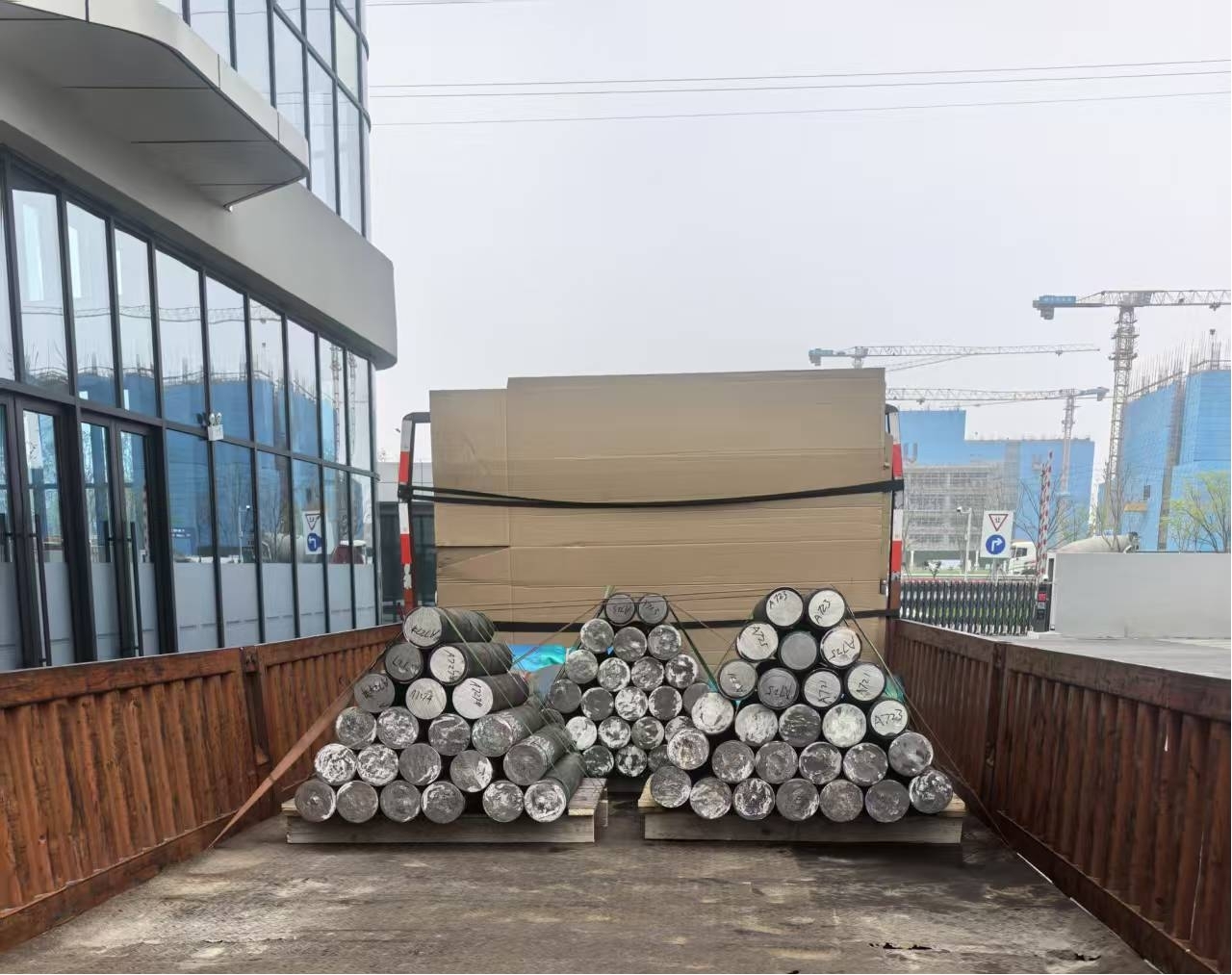
Precision Processing Facilities: From hot rolling to cold drawing, our machining centers can produce Haynes230 in various forms including sheet, plate, bar, wire, and custom profiles. Our CNC equipment maintains tolerances within ±0.05mm for critical dimensions.
Comprehensive Testing Labs: Each batch undergoes rigorous testing including:
- Spectrographic analysis for precise chemical composition verification
- Mechanical testing at elevated temperatures (tensile, creep, fatigue)
- Metallographic examination for grain structure and phase analysis
- Corrosion testing in simulated service environments
Why Choose Our Haynes230 Production Base?
Several factors distinguish our facility as the premier Haynes230 manufacturer for global clients:
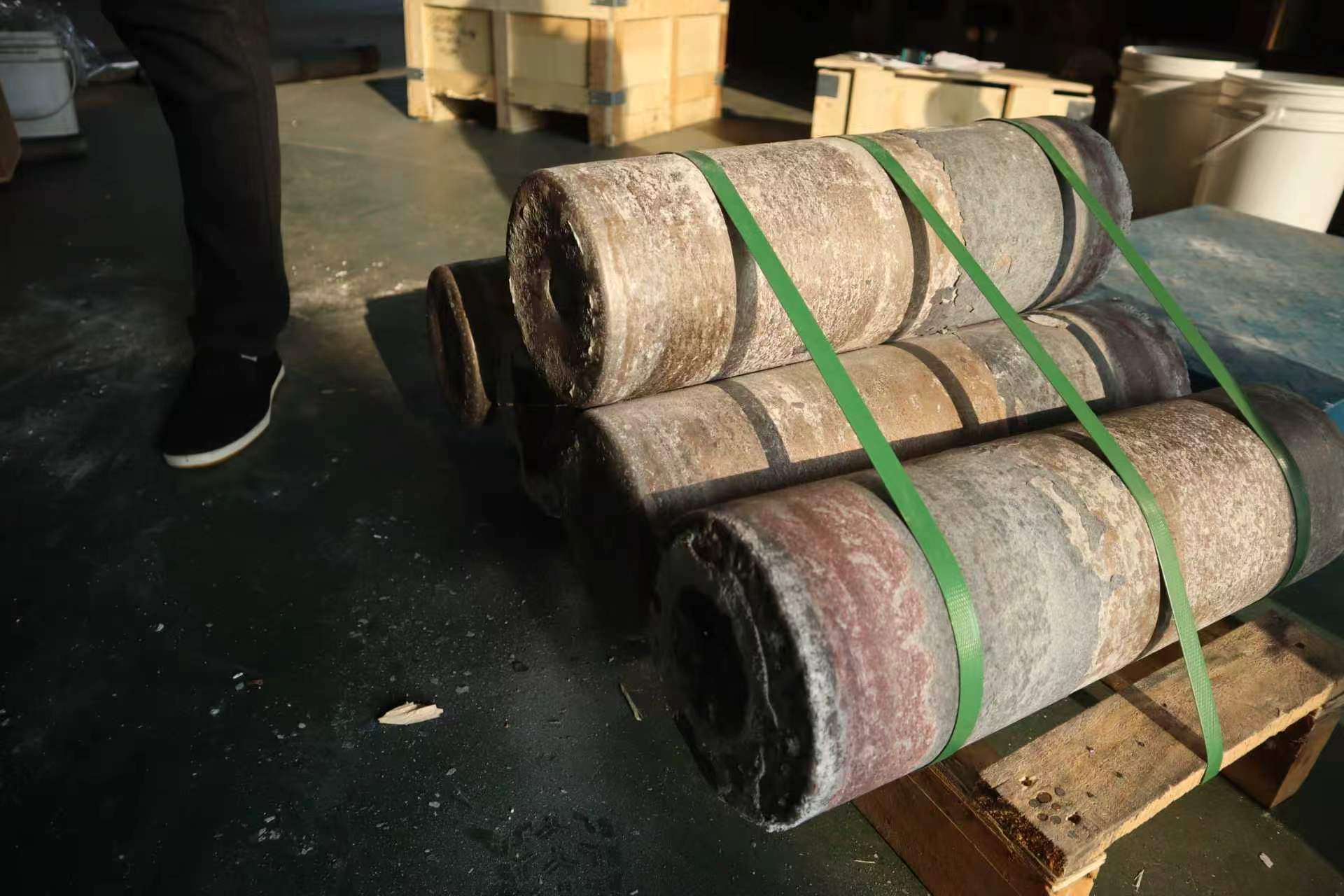
Vertical Integration: We control every step from raw material procurement to final product delivery, ensuring complete traceability and quality assurance throughout the manufacturing process.
Custom Formulation Capability: Beyond standard Haynes230 composition, our R&D team can adjust alloy elements to meet specific customer requirements for unique applications or operating conditions.
Rapid Prototyping: Our agile production system allows for quick turnaround on sample quantities, helping customers validate designs before full-scale production.
Global Certifications: Our quality management system complies with ISO 9001:2015, AS9100D (aerospace), and PED 2014/68/EU (pressure equipment), meeting the stringent requirements of international markets.
Key Applications of Haynes230 Alloy
The unique properties of Haynes230 make it indispensable across several high-stakes industries:
Aerospace & Gas Turbines: Used in combustion chambers, afterburners, and turbine shrouds where components must withstand extreme temperatures and corrosive exhaust gases. One major aerospace manufacturer reported a 300% increase in component life when switching to Haynes230 from previous materials.
Industrial Heating: Fabricated into radiant tubes, muffles, and retorts for heat treating furnaces operating at 1150°C (2100°F) continuous service. The alloy’s resistance to carburization and oxidation extends equipment life by 5-8 times compared to conventional materials.
Chemical Processing: Ideal for valves, fittings, and reactors handling sulfuric acid, nitric acid, and other aggressive chemicals at elevated temperatures. A petrochemical plant in the Middle East reported zero corrosion-related failures in their Haynes230 equipment after 5 years of continuous operation.
Power Generation: Used in waste incineration systems, biomass boilers, and coal-fired power plants for grates, burner nozzles, and other components exposed to high-temperature corrosion. The alloy’s resistance to chlorine-induced stress corrosion cracking makes it particularly valuable in waste-to-energy applications.
Medical Devices: While less common, Haynes230’s biocompatibility and corrosion resistance make it suitable for certain surgical instruments and implant components where long-term stability in bodily fluids is required.
| Industry | Typical Components | Service Temperature |
|---|---|---|
| Aerospace | Combustion liners, turbine shrouds | Up to 1093°C (2000°F) |
| Chemical Processing | Reactor vessels, heat exchangers | Up to 982°C (1800°F) |
| Power Generation | Burner nozzles, grates | Up to 1150°C (2100°F) |
Comparing Haynes230 to Other Superalloys
When selecting materials for high-temperature applications, engineers often compare Haynes230 with several other prominent superalloys:
Haynes230 vs. Inconel 625: While both offer excellent corrosion resistance, Haynes230 provides superior high-temperature strength above 871°C (1600°F). Inconel 625 excels in lower-temperature marine environments but would deform under the same loads at elevated temperatures.
Haynes230 vs. Hastelloy X: These alloys share similar applications, but Haynes230 demonstrates better creep resistance and thermal fatigue life. Hastelloy X remains more widely used due to its lower cost, but critical components increasingly specify Haynes230 for extended service life.
Haynes230 vs. RA330: A heat-resistant austenitic stainless steel, RA330 costs significantly less but cannot match Haynes230’s strength at temperatures above 982°C (1800°F). RA330 finds use in lower-stress applications where cost is the primary concern.
The choice between these materials depends on specific application requirements including maximum service temperature, expected load cycles, corrosion environment, and budget constraints. Our engineering team provides detailed material selection guidance based on comprehensive application analysis.
FAQ
What makes Haynes230 suitable for aerospace applications?
Haynes230 combines high-temperature strength with excellent oxidation resistance, maintaining structural integrity in combustion chambers and turbine sections where temperatures exceed 1000°C. Its resistance to thermal fatigue makes it ideal for components experiencing rapid temperature changes during operation.
How does your production process ensure Haynes230 quality?
We use dual melting (VIM + ESR) to achieve homogeneous composition, followed by precision hot rolling and cold drawing. Each batch undergoes spectrographic analysis, mechanical testing at elevated temperatures, and metallographic examination to verify compliance with AMS 5872 specifications.
Can you supply Haynes230 in custom shapes or sizes?
Absolutely. Our facility can produce Haynes230 in sheet, plate, bar, wire, and custom profiles with tolerances as tight as ±0.05mm. We also offer rapid prototyping services for new component designs.
What documentation comes with your Haynes230 products?
Every shipment includes a mill test report (MTR) detailing chemical composition, mechanical properties, and heat treatment data. We maintain complete batch traceability from raw material suppliers to final product delivery.
Summary
As a dedicated Haynes230 manufacturer with a state-of-the-art production base in Zhengzhou, Qingchuan New Materials delivers unmatched expertise in producing this critical high-performance alloy. Our vertically integrated facility combines advanced melting technology with rigorous quality control to produce Haynes230 materials that consistently meet the most demanding specifications across aerospace, energy, and industrial sectors. With global certifications, custom formulation capabilities, and comprehensive technical support, we serve as the trusted partner for companies requiring reliable Haynes230 supply for their most challenging applications.