
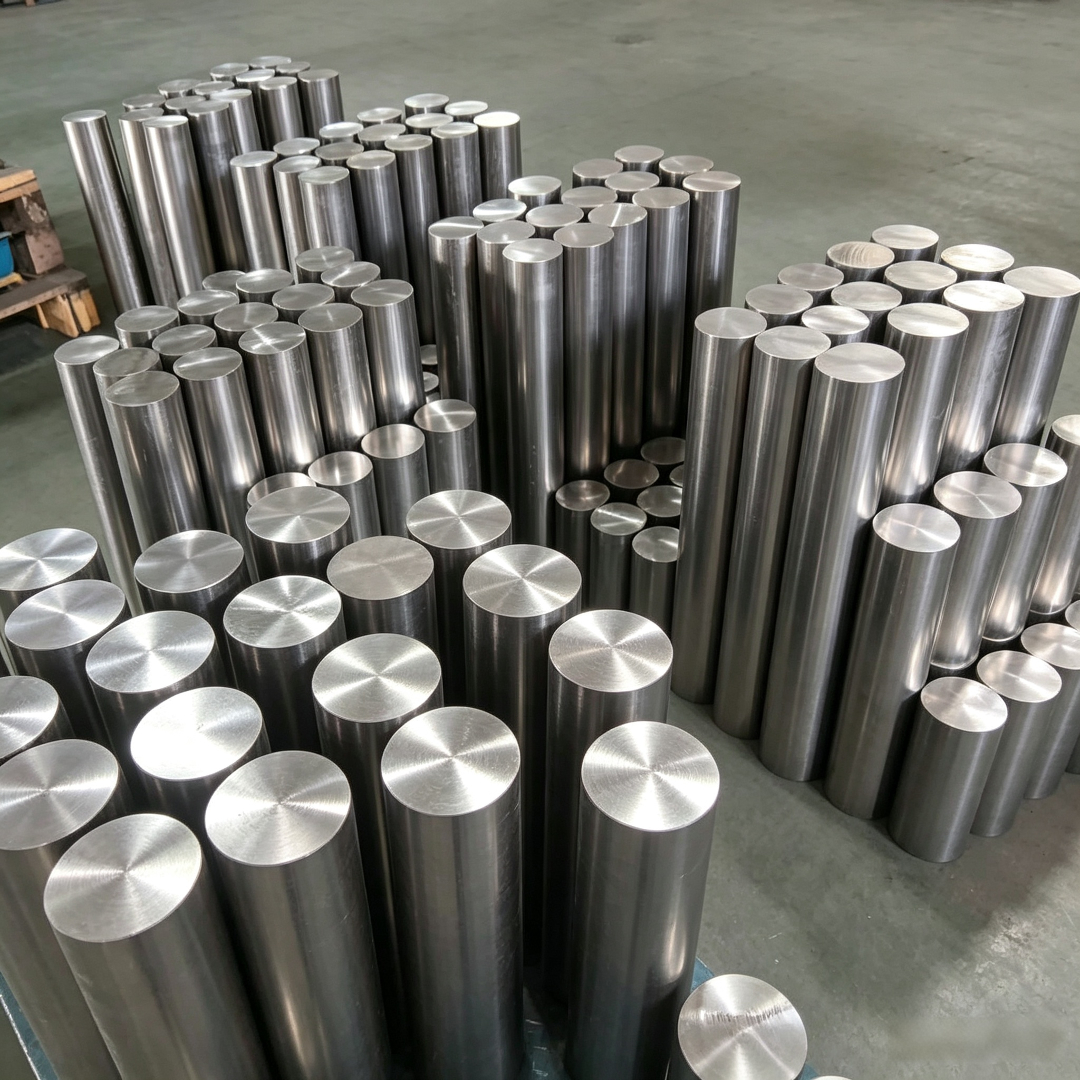
In the realm of high-performance materials, Inconel792 alloy stands as a premier choice for demanding applications where extreme temperatures, corrosion resistance, and mechanical strength are critical. As a nickel-based superalloy with exceptional properties, Inconel792 (also known as GH792 or Alloy792) has become indispensable in aerospace, gas turbines, medical device manufacturing, and other industrial sectors. This comprehensive guide explores the composition, properties, applications, and sourcing considerations for Inconel792 alloy, providing valuable insights for engineers, procurement specialists, and industry professionals worldwide.
Understanding Inconel792 Alloy Composition and Properties
Inconel792 belongs to the family of nickel-chromium-based superalloys, specifically designed for high-temperature applications. Its chemical composition typically includes:
- Nickel (Ni): 58-63%
- Chromium (Cr): 18-21%
- Cobalt (Co): 8-10%
- Molybdenum (Mo): 2.8-3.5%
- Aluminum (Al): 1.8-2.5%
- Titanium (Ti): 0.6-1.2%
- Other elements: Carbon, Manganese, Silicon, Sulfur, Phosphorus, Boron
This precise combination of elements gives Inconel792 its remarkable properties:
- High-temperature strength: Maintains mechanical integrity at temperatures up to 1000°C (1832°F)
- Oxidation resistance: Forms a stable, protective oxide layer that prevents further corrosion
- Hot corrosion resistance: Withstands degradation in sulfur-containing environments at elevated temperatures
- Thermal fatigue resistance: Excellent performance under cyclic heating and cooling conditions
- Fabricability: Can be processed through casting, forging, and machining operations
- Weldability: Suitable for various welding techniques with proper procedures
Key Applications of Inconel792 Alloy
The exceptional properties of Inconel792 make it indispensable in several high-performance industries:
Aerospace and Gas Turbine Applications
In the aerospace industry, Inconel792 is primarily used for manufacturing hot-section components in aircraft engines and industrial gas turbines. These include:
- Turbine blades and vanes
- Combustion chamber liners
- Afterburner components
- Seals and rings
The alloy’s ability to maintain strength at high temperatures while resisting oxidation and hot corrosion makes it ideal for these critical components that operate in extreme environments.
Medical Device Manufacturing
Inconel792’s biocompatibility combined with its excellent mechanical properties has led to its adoption in medical device manufacturing, particularly for:
- Artificial joints (hip, knee, shoulder implants)
- Dental prosthetics and implants
- Surgical instruments
The alloy’s resistance to body fluids and its ability to withstand repeated sterilization cycles make it an excellent choice for long-term implants.
Industrial Applications
Beyond aerospace and medical fields, Inconel792 finds applications in various industrial sectors:
- Marine engineering for components exposed to seawater
- Chemical processing equipment for corrosive environments
- Power generation for boiler and heat exchanger components
- Automotive for high-performance exhaust systems
Manufacturing Processes for Inconel792 Alloy
Producing high-quality Inconel792 components requires specialized manufacturing processes:
Precision Casting
Investment casting (lost-wax process) is commonly used for complex aerospace components. This method allows for near-net-shape production with excellent surface finish and dimensional accuracy. The process involves:
- Creating wax patterns of the desired components
- Forming ceramic molds around the patterns
- Melting out the wax (lost-wax)
- Pouring molten Inconel792 alloy into the molds
- Heat treatment for optimal mechanical properties
Powder Metallurgy
For certain applications, powder metallurgy techniques may be employed:
- Hot isostatic pressing (HIP) for dense components
- Metal injection molding (MIM) for small, complex parts
- Additive manufacturing (3D printing) for rapid prototyping and custom components
Machining and Finishing
After primary shaping processes, Inconel792 components often require machining to achieve final dimensions and surface finish. Specialized tooling and cutting parameters are necessary due to the alloy’s work-hardening tendency. Finishing operations may include:
- Grinding
- Polishing
- Electropolishing for improved corrosion resistance
- Coating applications for specific environmental requirements
| Property | Inconel792 Value | Comparison to Standard Inconel 718 |
|---|---|---|
| Density (g/cm³) | 8.19 | Similar |
| Melting Range (°C) | 1330-1380 | Similar |
| Yield Strength @700°C (MPa) | 620 | Higher |
| Ultimate Tensile Strength @RT (MPa) | 1275 | Comparable |
| Elongation (%) | 15 | Similar |
| Oxidation Resistance @1000°C (100h) | Excellent | Superior |
Sourcing Inconel792 Alloy: Key Considerations
When selecting a supplier for Inconel792 alloy, several factors should be considered to ensure material quality and reliable delivery:
Manufacturing Capabilities
Look for suppliers with:
- Modern production facilities with advanced equipment
- Experience in producing specialty alloys and high-purity materials
- Capability for both small batch and large-scale production
- In-house testing and quality control laboratories
Quality Assurance
Ensure the supplier maintains:
- ISO 9001 or similar quality management system certification
- Comprehensive material testing protocols (chemical analysis, mechanical testing, NDT)
- Traceability from raw materials to finished products
- Certificates of Conformance (CoC) with each shipment
Technical Support
A reliable supplier should offer:
- Material selection guidance based on application requirements
- Processing recommendations for optimal performance
- Assistance with component design for manufacturability
- Post-sales support for any material-related issues
FAQ
What is the primary difference between Inconel792 and Inconel 718?
While both are nickel-based superalloys, Inconel792 contains higher levels of cobalt and aluminum compared to Inconel 718. This composition gives Inconel792 superior high-temperature strength and oxidation resistance, particularly above 700°C, making it more suitable for extreme aerospace applications.
Can Inconel792 be used for medical implants?
Yes, Inconel792 is biocompatible and has excellent mechanical properties that make it suitable for certain medical implants, particularly those requiring high strength at body temperature and resistance to body fluids. However, specific applications should be validated through biological testing and regulatory approval processes.
What machining challenges are associated with Inconel792?
Inconel792 work-hardens rapidly during machining, which can lead to tool wear and dimensional inaccuracies if not properly managed. Specialized tooling with high-speed steel or carbide inserts, along with optimized cutting parameters (lower speeds, higher feeds), are typically required for successful machining of this alloy.
How does Inconel792 compare to titanium alloys in aerospace applications?
While titanium alloys offer excellent strength-to-weight ratios, Inconel792 provides superior high-temperature strength and oxidation resistance. For components operating above 600°C, Inconel792 is generally preferred despite its higher density. The choice between materials depends on specific application requirements and operating conditions.
Summary
Inconel792 alloy (GH792, Alloy792) represents a pinnacle of materials engineering, combining exceptional high-temperature strength, oxidation resistance, and mechanical properties. Its applications span critical aerospace components, medical implants, and demanding industrial sectors where performance cannot be compromised. When sourcing Inconel792, it’s essential to partner with a reputable manufacturer with advanced production capabilities, rigorous quality control, and technical expertise to ensure optimal material performance in your specific application.