
In the realm of high-performance materials, Inconel939 alloy stands out as a premier choice for applications demanding exceptional resistance to extreme temperatures and corrosive environments. Also known as Alloy939 or UNSN09939, this nickel-based superalloy has become indispensable in industries such as aerospace, automotive, and marine, where reliability and durability are paramount. This comprehensive guide explores the properties, applications, and advantages of Inconel939 alloy, providing valuable insights for engineers, manufacturers, and procurement professionals seeking optimal material solutions.
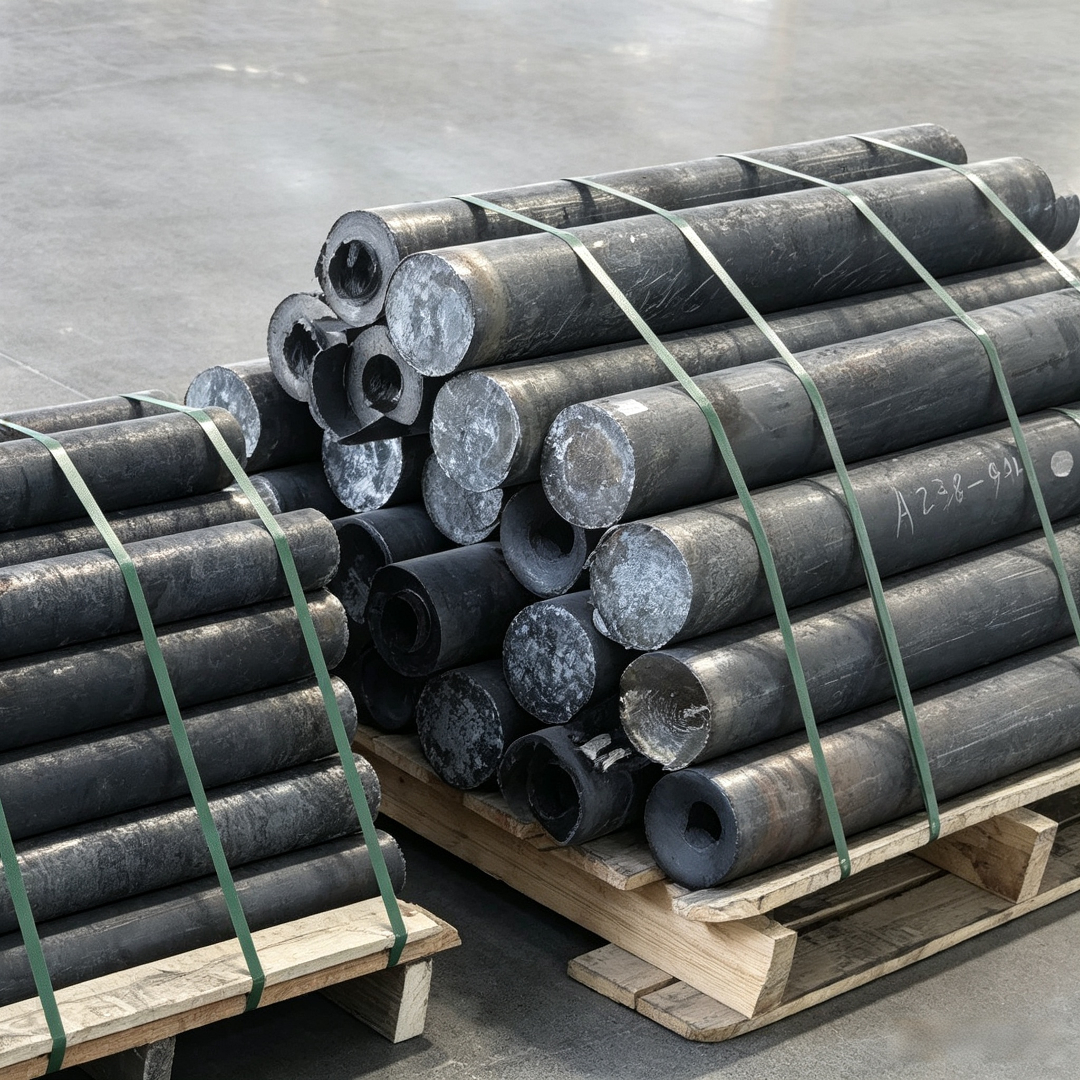
Understanding Inconel939 Alloy Composition and Properties
Inconel939 alloy belongs to the family of nickel-based superalloys, renowned for their ability to maintain mechanical strength and resist oxidation at elevated temperatures. The precise composition of Inconel939 typically includes nickel as the base element, supplemented by significant amounts of chromium, cobalt, and molybdenum, along with smaller additions of aluminum, titanium, and other elements. This carefully balanced formulation results in a material that exhibits exceptional high-temperature strength, excellent oxidation and corrosion resistance, and good fabricability.
One of the defining characteristics of Inconel939 is its ability to retain strength at temperatures exceeding 1000°C (1832°F). This makes it particularly suitable for applications involving prolonged exposure to high heat, such as gas turbine components, combustion chambers, and exhaust systems. The alloy’s resistance to oxidation and hot corrosion ensures long-term reliability in aggressive environments, reducing maintenance requirements and extending service life.
Key Applications of Inconel939 Alloy in Various Industries
The unique combination of properties offered by Inconel939 alloy has led to its widespread adoption across multiple high-tech industries. In the aerospace sector, this material plays a critical role in the manufacturing of turbine blades, combustor cans, and afterburner components, where exposure to extreme temperatures and corrosive exhaust gases is commonplace. The alloy’s ability to withstand these harsh conditions contributes to improved engine efficiency and reliability.
In the automotive industry, Inconel939 finds application in exhaust systems, turbocharger components, and valve seats for high-performance engines. Its resistance to thermal cycling and corrosion ensures consistent performance even under the most demanding driving conditions. Marine applications benefit from the alloy’s resistance to seawater corrosion, making it ideal for offshore platform components, shipboard heat exchangers, and propulsion systems.
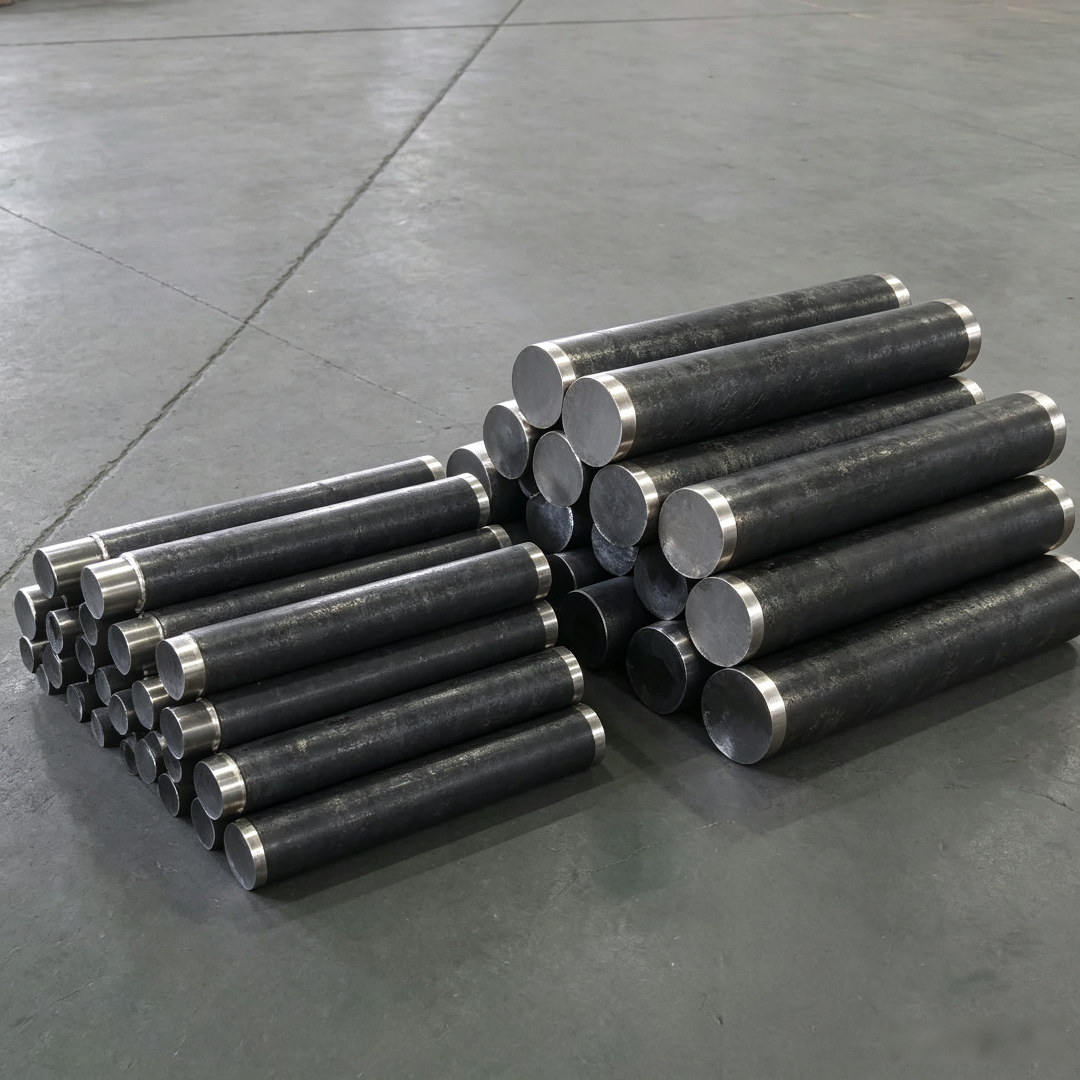
Precision Casting with Inconel939 Alloy
One of the most common methods for shaping Inconel939 alloy into complex components is precision casting, also known as investment casting. This process allows for the production of near-net-shape parts with excellent dimensional accuracy and surface finish, minimizing the need for extensive machining operations. Precision casting is particularly advantageous for components with intricate geometries, such as turbine blades and medical implants, where traditional manufacturing methods would be impractical or cost-prohibitive.
The precision casting of Inconel939 alloy requires specialized techniques to ensure optimal material properties in the final product. Controlled solidification rates and precise temperature management during the casting process help to minimize segregation and promote a uniform microstructure throughout the component. Post-casting heat treatments may be employed to further refine the grain structure and enhance mechanical properties, ensuring that the finished parts meet the stringent requirements of demanding applications.
Advantages of Choosing Inconel939 Alloy for High-Performance Components
Selecting Inconel939 alloy for your high-temperature or corrosion-resistant applications offers numerous advantages over alternative materials. Firstly, the alloy’s exceptional strength retention at elevated temperatures enables the design of lighter, more efficient components without compromising safety or performance. This weight reduction can lead to significant fuel savings in aerospace and automotive applications, as well as improved payload capacities.
Secondly, Inconel939’s resistance to oxidation and hot corrosion extends the service life of components, reducing the frequency of maintenance and replacement. This translates to lower lifecycle costs and increased operational uptime, which are critical factors in industries where downtime can be extremely costly. The alloy’s good fabricability also simplifies the manufacturing process, allowing for the production of complex shapes with minimal waste.
Another key advantage of Inconel939 alloy is its compatibility with various surface treatment technologies. Coatings such as thermal barrier coatings (TBCs) can be applied to further enhance the alloy’s resistance to high-temperature oxidation and erosion, extending its useful life in the most extreme environments. Additionally, the alloy’s weldability enables the repair of damaged components or the fabrication of larger assemblies from smaller sections, providing flexibility in design and maintenance.
Comparing Inconel939 Alloy with Other High-Performance Materials
When selecting a material for high-temperature applications, it’s essential to consider how Inconel939 alloy compares to other available options. Compared to stainless steels, Inconel939 offers significantly better strength retention and oxidation resistance at elevated temperatures, making it suitable for applications where stainless steels would fail. While cobalt-based superalloys may offer similar high-temperature properties, Inconel939 often provides a more cost-effective solution without sacrificing performance.
In comparison to other nickel-based superalloys, Inconel939 stands out for its balanced combination of properties. Some alloys may offer higher strength at specific temperatures but may be more susceptible to oxidation or hot corrosion. Others may have better fabricability but lower creep resistance. The careful formulation of Inconel939 ensures that it meets the demands of a wide range of applications, providing a versatile solution for engineers and designers.
| Property | Inconel939 Alloy | Stainless Steel 316 | Cobalt-Based Alloy |
|---|---|---|---|
| Maximum Service Temperature | 1000°C (1832°F) | 600°C (1112°F) | 1100°C (2012°F) |
| Oxidation Resistance | Excellent | Good | Excellent |
| Hot Corrosion Resistance | Very Good | Poor | Excellent |
| Cost | Moderate | Low | High |
FAQ
What are the primary industries that use Inconel939 alloy?
Inconel939 alloy is primarily used in industries that require materials capable of withstanding extreme temperatures and corrosive environments, such as aerospace, automotive, marine, and power generation. In aerospace, it’s used for turbine blades, combustor cans, and afterburner components. The automotive industry employs it in exhaust systems, turbocharger components, and high-performance engine valves. Marine applications include offshore platform components and shipboard heat exchangers, while power generation uses it in gas turbine components.
How does Inconel939 alloy compare to stainless steel in high-temperature applications?
Inconel939 alloy offers significantly better performance than stainless steel in high-temperature applications. While stainless steel 316, for example, has a maximum service temperature of around 600°C (1112°F), Inconel939 can maintain its mechanical properties at temperatures exceeding 1000°C (1832°F). Additionally, Inconel939 provides superior oxidation and hot corrosion resistance, making it more suitable for aggressive environments where stainless steel would quickly degrade.
Can Inconel939 alloy be welded for repair or fabrication purposes?
Yes, Inconel939 alloy is weldable, which provides flexibility in both repair and fabrication processes. This weldability allows for the repair of damaged components or the joining of smaller sections to create larger assemblies. However, welding Inconel939 requires specialized techniques and equipment to prevent issues such as hot cracking or loss of corrosion resistance in the heat-affected zone. Proper post-wd heat treatment may also be necessary to restore the material’s optimal properties.
What surface treatments can be applied to Inconel939 alloy to enhance its properties?
Several surface treatments can be applied to Inconel939 alloy to further enhance its properties for specific applications. Thermal barrier coatings (TBCs) are commonly used to provide additional protection against high-temperature oxidation and erosion, extending the service life of components in extreme environments. Other treatments may include shot peening to improve fatigue resistance or diffusion coatings to enhance hot corrosion resistance in marine or chemical processing applications.
How does the cost of Inconel939 alloy compare to other high-performance materials?
The cost of Inconel939 alloy typically falls between that of stainless steel and cobalt-based superalloys. While stainless steel offers a low-cost solution for less demanding applications, it lacks the high-temperature performance of Inconel939. Cobalt-based alloys, on the other hand, may offer similar or superior properties in some aspects but come at a significantly higher cost. Inconel939 provides a balanced solution, offering excellent high-temperature performance and corrosion resistance at a moderate cost, making it a cost-effective choice for many applications.
Summary
Inconel939 alloy (Alloy939, UNSN09939) represents a pinnacle of material science, offering unparalleled performance in high-temperature and corrosive environments. Its unique combination of properties, including exceptional strength retention, excellent oxidation and corrosion resistance, and good fabricability, makes it the material of choice for critical components in aerospace, automotive, marine, and power generation industries. By understanding the composition, properties, and applications of Inconel939 alloy, engineers and procurement professionals can make informed decisions when selecting materials for demanding applications, ensuring optimal performance, reliability, and cost-effectiveness over the product lifecycle.