
The Mar-M247 superalloy series represents a pinnacle of material engineering for high-temperature applications, particularly in the aerospace industry. As a leading manufacturer of high-purity metals and specialty alloys, Qingchuan New Materials (Zhengzhou) Co., Ltd. offers a comprehensive range of Mar-M247 products including cast ingots, forging blanks, casting blanks, master alloys, and plates. This guide provides an in-depth analysis of Mar-M247 material properties, manufacturing processes, and application scenarios across various industries.
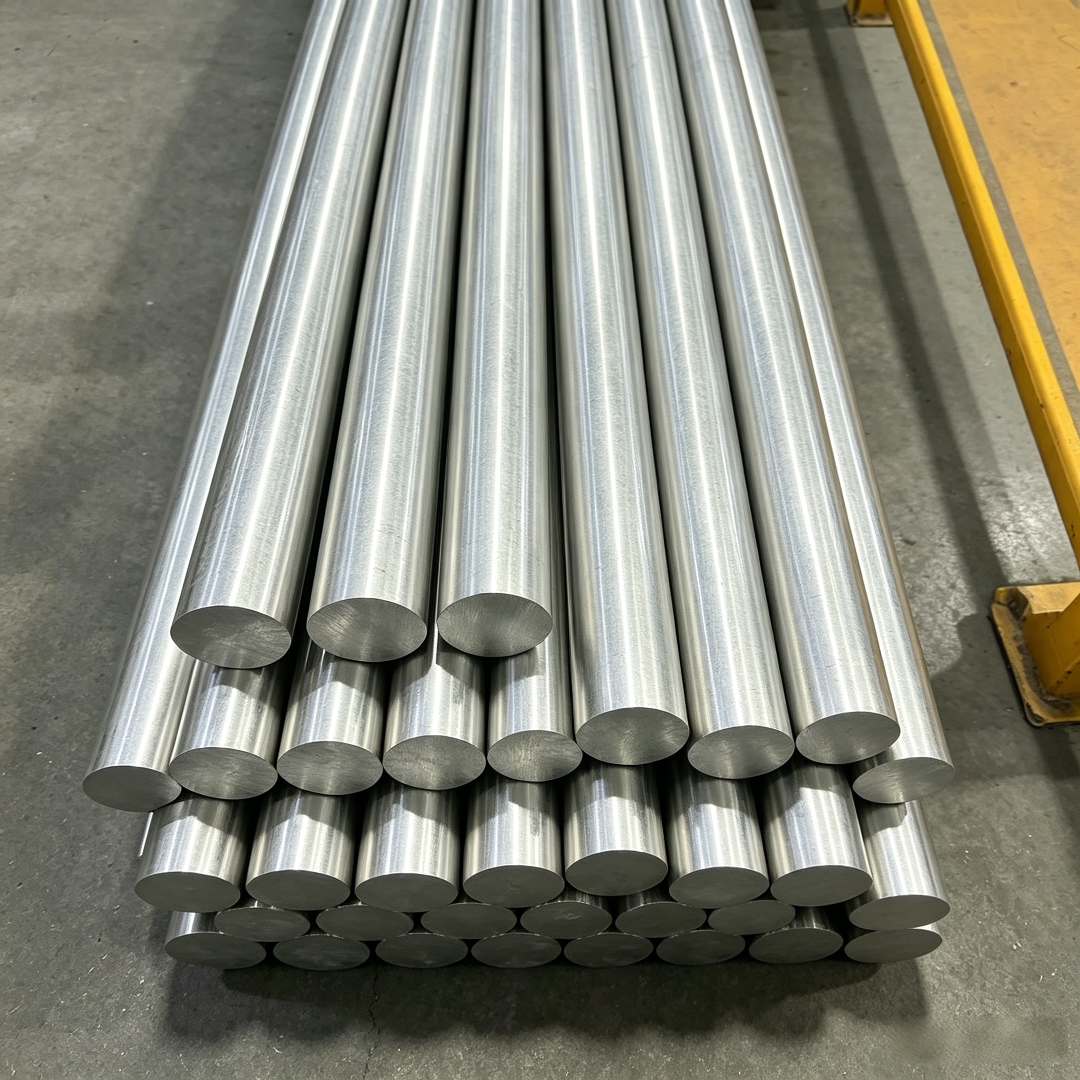
Understanding Mar-M247 Material Composition
Mar-M247 is a nickel-based superalloy specifically developed for high-temperature applications requiring exceptional strength and corrosion resistance. The alloy’s composition typically includes 52-55% nickel, 8-10% cobalt, 7-9% chromium, 9-10% tungsten, 3-3.5% aluminum, 1-1.5% titanium, and trace amounts of other elements including carbon, boron, and zirconium. This precise composition gives Mar-M247 its unique combination of properties:
- Excellent high-temperature strength (up to 1100°C)
- Superior oxidation and hot corrosion resistance
- Good thermal fatigue resistance
- Exceptional creep rupture strength
- Excellent weldability and fabricability
The manufacturing process for Mar-M247 begins with high-purity raw materials in our Zhengzhou production facility. Using vacuum induction melting (VIM) and electroslag remelting (ESR) processes, we produce master alloys with exceptional chemical homogeneity and minimal impurities. This foundational quality ensures consistent performance across all subsequent product forms.
Mar-M247 Product Range and Specifications
Qingchuan New Materials offers a complete range of Mar-M247 products tailored to different manufacturing requirements and application scenarios:
1. Mar-M247 Cast Ingots
Our cast ingots serve as the primary material for various casting processes. Available in sizes ranging from 50kg to 500kg, these ingots undergo strict quality control measures including chemical composition analysis, ultrasonic testing, and low-power microscopy inspection. The casting process for Mar-M247 requires precise temperature control and specialized equipment to prevent elemental segregation and ensure uniform microstructure.
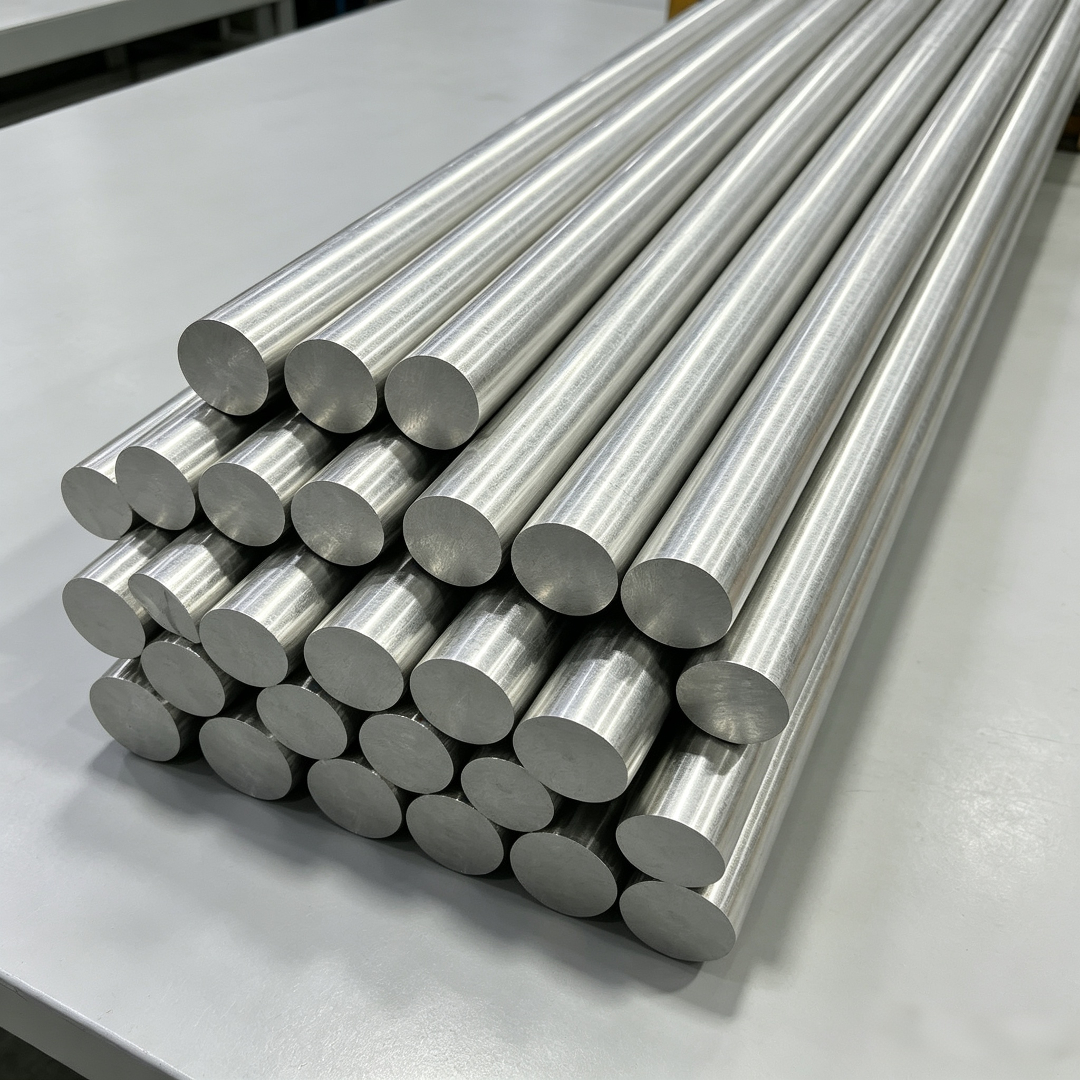
2. Mar-M247 Forging Blanks
Forging blanks represent the intermediate stage between cast ingots and finished components. Our forging blanks undergo a multi-step process including: homogenization heat treatment, cogging, and precision forging. The typical dimensions for our forging blanks range from Ø200mm to Ø600mm in diameter and 100mm to 500mm in length. Key advantages of our forging blanks include:
- Improved microstructure through hot working
- Reduced porosity and improved density
- Enhanced mechanical properties
- Better machinability for final component production
3. Mar-M247 Casting Blanks
Designed specifically for investment casting processes, our casting blanks provide optimal material properties for producing complex aerospace components. The casting blank production involves precise control of solidification parameters to achieve the desired grain structure and phase distribution. Our casting blanks are available in various shapes and sizes to accommodate different casting molds and production requirements.
4. Mar-M247 Master Alloys
As a critical component in alloy production, our Mar-M247 master alloys ensure consistent quality and performance in final products. Produced through advanced melting and refining processes, our master alloys feature:
- Extremely low gas content (O, N, H)
- Minimal non-metallic inclusions
- Precise chemical composition control
- Excellent batch-to-batch consistency
5. Mar-M247 Plates
Our Mar-M247 plates are produced through hot rolling processes followed by solution annealing and age hardening treatments. Available in thicknesses from 5mm to 50mm and widths up to 1000mm, these plates demonstrate excellent flatness and surface finish. The plates undergo rigorous quality inspection including ultrasonic testing, eddy current testing, and mechanical property verification to meet the most demanding aerospace specifications.
| Product Type | Typical Dimensions | Heat Treatment | Key Properties |
|---|---|---|---|
| Cast Ingots | 50-500kg | Homogenization | Chemical homogeneity |
| Forging Blanks | Ø200-600mm × 100-500mm | Solution + Age | Improved ductility |
| Plates | 5-50mm × up to 1000mm | Annealing | Excellent flatness |
Aerospace Applications of Mar-M247 Superalloy
The Mar-M247 superalloy finds extensive applications in the aerospace industry due to its exceptional high-temperature performance. Key application areas include:
1. Turbine Engine Components
Mar-M247 is widely used in manufacturing turbine blades, vanes, and discs for both commercial and military aircraft engines. The alloy’s ability to maintain strength at elevated temperatures (up to 1100°C) makes it ideal for these critical components that operate under extreme thermal and mechanical stresses. Our casting blanks are particularly suited for producing single-crystal or directionally solidified turbine blades with optimized grain structures.
2. Combustion Chambers
The combustion chamber of a gas turbine engine requires materials that can withstand intense heat and corrosive environments. Mar-M247’s excellent oxidation resistance and thermal stability make it an ideal choice for combustion chamber liners and other hot-section components. Our forging blanks provide the material foundation for producing these complex shapes with precise dimensional control.
3. Afterburner Components
In military aircraft, afterburners generate additional thrust by injecting fuel into the exhaust stream, creating extremely high temperatures. Mar-M247’s superior hot corrosion resistance makes it suitable for afterburner flame holders, nozzles, and other components exposed to these harsh conditions. Our master alloys ensure consistent quality in producing these critical parts.
4. Spacecraft Components
The aerospace industry also extends to spacecraft applications where Mar-M247’s properties are valuable for rocket engine components, re-entry shields, and other structures exposed to extreme thermal environments during launch and re-entry. Our plates provide the material foundation for producing these components with the required thickness and surface quality.
Manufacturing Process and Quality Control
At Qingchuan New Materials, we implement rigorous quality control measures throughout the Mar-M247 production process to ensure our products meet the highest international standards:
1. Raw Material Inspection
All incoming raw materials undergo strict inspection for chemical composition, purity levels, and physical properties. We source our nickel, cobalt, chromium, and other base metals from certified suppliers with established quality management systems.
2. Melting and Refining Processes
Our state-of-the-art vacuum induction melting (VIM) and electroslag remelting (ESR) facilities enable precise control over the melting process, minimizing gas pickup and non-metallic inclusions. This results in master alloys with exceptional cleanliness and chemical homogeneity.
3. Hot Working Processes
For forging blanks and plates, we employ advanced hot working techniques including precision forging and hot rolling. These processes are carefully controlled to achieve the desired microstructure and mechanical properties while maintaining dimensional accuracy.
4. Heat Treatment
All Mar-M247 products undergo specific heat treatment cycles tailored to their intended application. Our solution annealing and age hardening processes are optimized to achieve the best combination of strength, ductility, and stress rupture properties.
5. Non-Destructive Testing
We employ various non-destructive testing methods including ultrasonic testing, eddy current testing, and radiographic inspection to detect any internal defects or surface irregularities. This ensures our products meet the stringent requirements of the aerospace industry.
6. Mechanical Property Verification
Random samples from each production batch undergo comprehensive mechanical testing including tensile testing, impact testing, and stress rupture testing at elevated temperatures. This verifies that our products meet or exceed the specified property requirements.
FAQ
What are the main differences between Mar-M247 cast ingots and forging blanks?
Mar-M247 cast ingots serve as the primary material for various casting processes and are produced directly from melting operations. Forging blanks, on the other hand, undergo additional hot working processes after casting to improve their microstructure and mechanical properties. Forging blanks typically have better ductility and reduced porosity compared to cast ingots, making them more suitable for forging operations to produce final components.
How does Mar-M247 compare to other nickel-based superalloys like Inconel 718?
While both are nickel-based superalloys, Mar-M247 offers superior high-temperature strength and creep resistance compared to Inconel 718, making it more suitable for applications above 650°C. Inconel 718, however, has better room-temperature ductility and weldability, making it preferable for certain applications where these properties are critical. Mar-M247 is specifically optimized for extreme high-temperature environments found in aerospace engine hot sections.
What quality certifications do your Mar-M247 products comply with?
Our Mar-M247 products comply with international standards including AMS 5837, AMS 5596, and GE B50TF25 for aerospace applications. We maintain ISO 9001:2015 quality management system certification and AS9100D aerospace quality management system certification. All our products come with complete material test reports (MTRs) documenting chemical composition, mechanical properties, and non-destructive testing results.
How do you ensure batch-to-batch consistency in Mar-M247 production?
We implement several measures to ensure consistent quality across all production batches: 1) Using certified raw materials from approved suppliers, 2) Employing precise process control parameters in all manufacturing stages, 3) Conducting regular equipment calibration and maintenance, 4) Implementing statistical process control (SPC) methods, and 5) Performing comprehensive testing on representative samples from each batch. Our advanced production facilities in Zhengzhou enable us to maintain tight control over all manufacturing parameters.
What is the typical lead time for Mar-M247 product orders?
Lead times vary depending on product type, quantity, and current production schedules. For standard products like cast ingots and forging blanks, lead times typically range from 4-6 weeks. Custom products or large orders may require 8-12 weeks depending on complexity and production capacity. We maintain reasonable inventory levels of standard products to help reduce lead times for urgent orders and work closely with customers to meet their specific delivery requirements.
Summary
The Mar-M247 superalloy series from Qingchuan New Materials represents a comprehensive solution for high-temperature aerospace applications. Our product range including cast ingots, forging blanks, casting blanks, master alloys, and plates provides material options for every stage of component manufacturing. With state-of-the-art production facilities in Zhengzhou and rigorous quality control measures, we ensure our Mar-M247 products meet the most demanding specifications of the aerospace industry. Whether for turbine engine components, combustion chambers, or spacecraft structures, our Mar-M247 materials deliver the exceptional performance required in extreme operating environments.