In the realm of advanced materials engineering, specialty alloys play a pivotal role in enabling technological progress across multiple industries. Among these, NiCr8020 alloy (also known as Nichrome80 or Ni80Cr20) stands out as a critical material with exceptional properties that make it indispensable in demanding applications. Qingchuan New Materials (Zhengzhou) Co., Ltd., a professional enterprise specializing in high-purity metals and specialty alloys, offers comprehensive solutions for industries requiring materials with superior performance characteristics.
Understanding NiCr8020 Alloy Composition and Properties
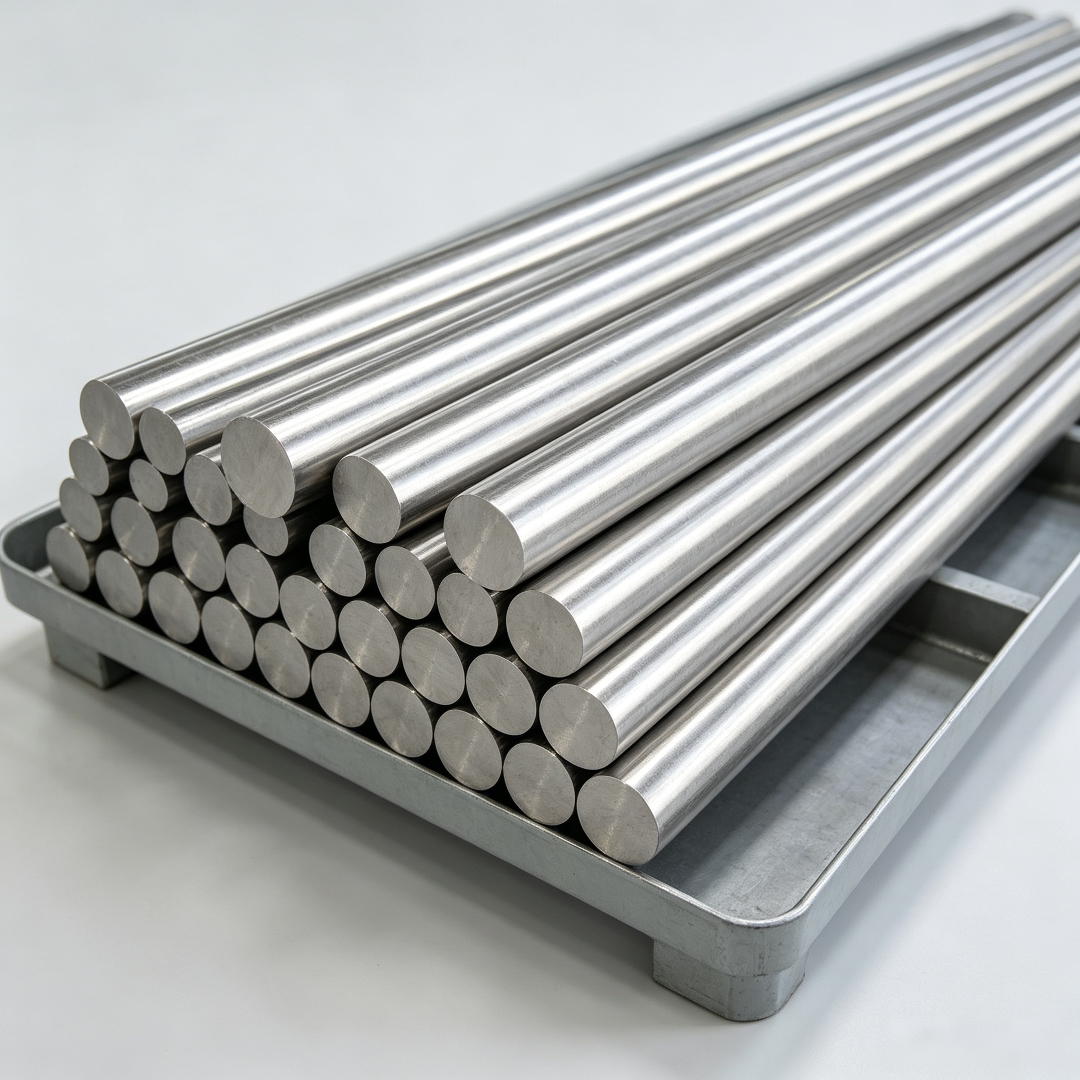
NiCr8020 alloy, scientifically designated as UNSN06003, belongs to the Nichrome family of resistance heating alloys. Its composition typically consists of approximately 80% nickel and 20% chromium, with trace amounts of other elements to enhance specific properties. This precise composition gives the alloy its characteristic high electrical resistance, excellent oxidation resistance, and stable performance at elevated temperatures.
The alloy’s microstructure reveals a homogeneous distribution of nickel and chromium phases, which contributes to its exceptional mechanical properties. With a melting point around 1400°C (2552°F), NiCr8020 maintains its structural integrity in environments where other materials would fail. Its coefficient of thermal expansion is carefully controlled to ensure dimensional stability during temperature fluctuations.
One of the most remarkable properties of NiCr8020 is its resistivity, which remains consistent across a wide temperature range. This makes it ideal for applications requiring precise temperature control, such as in heating elements for industrial furnaces, household appliances, and scientific equipment. The alloy’s oxidation resistance allows it to form a protective chromium oxide layer when exposed to high temperatures in air, preventing further degradation and extending service life.
Manufacturing Process of Specialty Alloys
At Qingchuan New Materials, the production of NiCr8020 alloy and other specialty materials follows a rigorous process designed to ensure the highest quality standards. The process begins with the selection of raw materials – high-purity nickel and chromium sourced from reputable suppliers with strict quality control measures.
The manufacturing facility, located in Zhengzhou High-Tech Industrial Development Zone, features state-of-the-art equipment including vacuum induction melting furnaces, electroslag remelting units, and precision rolling mills. These advanced technologies enable precise control over the alloy’s composition and microstructure throughout the production cycle.
Quality control is integrated at every stage of production. Advanced analytical techniques such as inductively coupled plasma mass spectrometry (ICP-MS) and glow discharge mass spectrometry (GDMS) are employed to verify the chemical composition with exceptional accuracy. Mechanical properties are evaluated through tensile testing, hardness measurements, and fatigue testing under simulated service conditions.
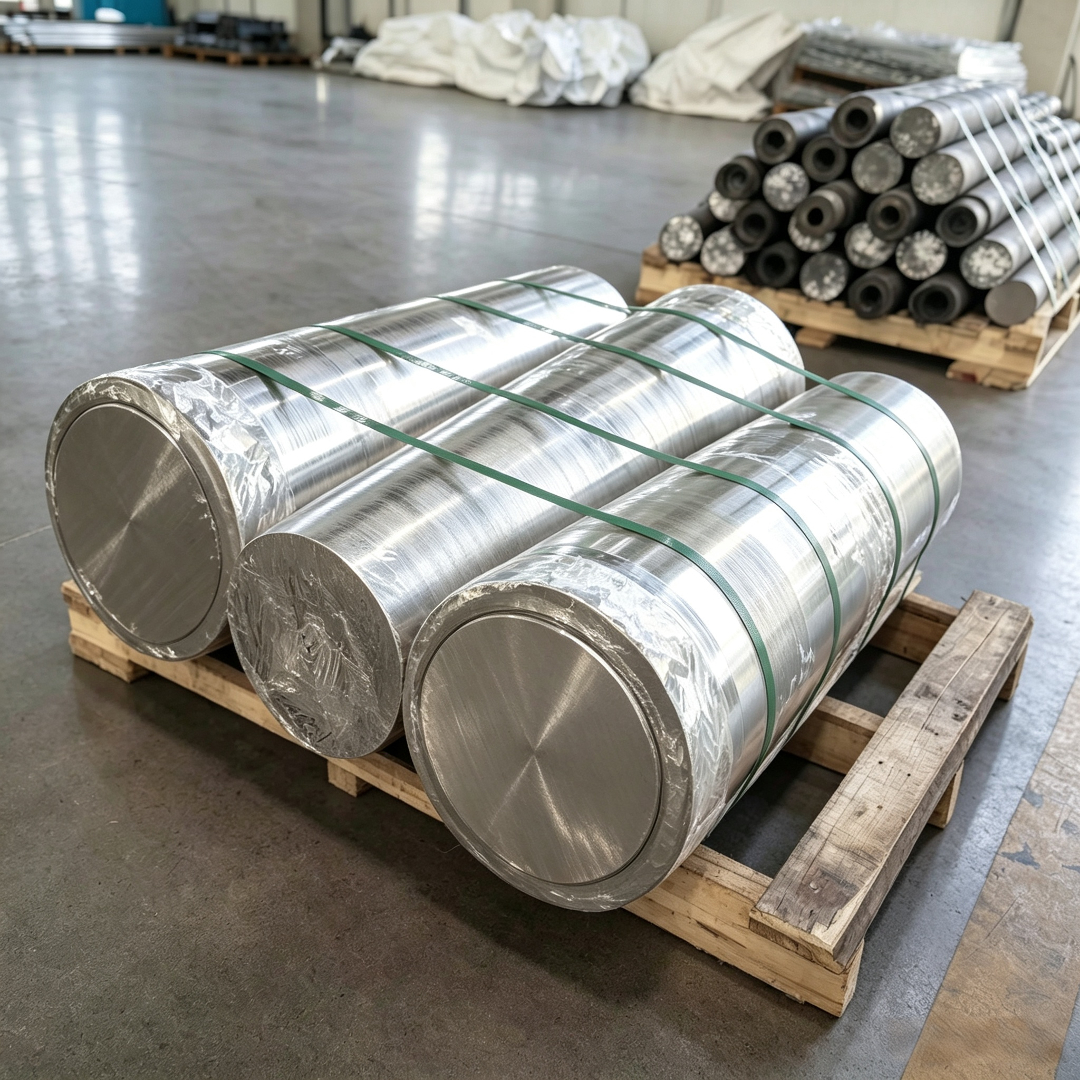
The company’s commitment to quality extends to its packaging and shipping processes. Specialty alloys are carefully packaged to prevent contamination and damage during transportation, with each shipment accompanied by detailed certification documents confirming compliance with international standards such as ASTM, AMS, and ISO specifications.
Key Parameters of NiCr8020 Alloy
Understanding the technical specifications of NiCr8020 alloy is crucial for selecting the right material for specific applications. The following table summarizes the key parameters:
| Parameter | Specification |
|---|---|
| Chemical Composition | Ni: 78-82%, Cr: 19-21%, Fe: ≤1%, Mn: ≤0.6%, C: ≤0.03% |
| Density | 8.4 g/cm³ |
| Melting Point | 1400°C (2552°F) |
| Electrical Resistivity | 1.09 μΩ·m at 20°C |
| Tensile Strength | 650-850 MPa (annealed) |
| Elongation | 30-40% (annealed) |
| Maximum Continuous Service Temperature | 1200°C (2192°F) in air |
Diverse Applications of NiCr8020 Alloy
The unique combination of properties makes NiCr8020 alloy suitable for a wide range of applications across multiple industries. Its versatility stems from its ability to withstand extreme temperatures while maintaining stable electrical and mechanical properties.
Aerospace and Aviation Applications
In the aerospace industry, where materials must perform reliably under extreme conditions, NiCr8020 alloy finds extensive use. The alloy’s high-temperature strength and oxidation resistance make it ideal for manufacturing combustion chamber liners, afterburner components, and turbine engine parts. Its ability to maintain structural integrity at temperatures exceeding 1000°C ensures the safety and efficiency of aircraft engines.
The alloy’s low thermal expansion coefficient also makes it valuable for precision components that must maintain dimensional stability across temperature extremes encountered during flight operations. This property is particularly important for optical systems and sensor components where even slight dimensional changes can affect performance.
Medical Device Manufacturing
The medical industry benefits from NiCr8020 alloy’s biocompatibility and corrosion resistance. The alloy is widely used in the production of surgical instruments, dental implants, and orthopedic devices. Its ability to withstand repeated sterilization cycles without degradation ensures the longevity and reliability of medical implants.
For dental applications, NiCr8020 alloy’s combination of strength and workability makes it suitable for crowns, bridges, and partial denture frameworks. The alloy’s aesthetic properties can be enhanced through surface treatments to match natural tooth color, providing patients with both functional and cosmetic benefits.
Industrial Heating Elements
Perhaps the most well-known application of NiCr8020 alloy is in the production of resistance heating elements. The alloy’s consistent electrical resistivity across a wide temperature range makes it ideal for electric furnaces, heaters, and appliances. From household appliances like toasters and hair dryers to industrial equipment such as heat treatment furnaces and ceramic kilns, NiCr8020 heating elements provide reliable and efficient heat generation.
The alloy’s formability allows manufacturers to produce heating elements in various shapes and sizes, including wires, strips, and coils, to suit specific application requirements. Its ability to operate at high surface loadings without significant sagging or deformation extends the service life of heating elements, reducing maintenance costs for end-users.
Metal Powder 3D Printing
With the rapid growth of additive manufacturing technologies, NiCr8020 alloy has found new applications in metal powder 3D printing. The alloy’s excellent flowability and packing density make it suitable for selective laser melting (SLM) and electron beam melting (EBM) processes. These advanced manufacturing techniques enable the production of complex geometries that would be difficult or impossible to achieve through traditional methods.
In aerospace and medical applications, 3D printing with NiCr8020 powder allows for the creation of lightweight, high-strength components with optimized designs for specific load conditions. This capability is transforming the way engineers approach component design, enabling the consolidation of multiple parts into single, integrated structures that reduce weight and improve performance.
Comparative Analysis: NiCr8020 vs. Other Specialty Alloys
When selecting materials for specific applications, engineers often compare NiCr8020 alloy with other specialty alloys to determine the most suitable option. Understanding the differences between these materials is crucial for making informed decisions that optimize performance and cost-effectiveness.
Compared to pure nickel alloys, NiCr8020 offers superior oxidation resistance at high temperatures due to the formation of a protective chromium oxide layer. This makes it more suitable for applications involving prolonged exposure to air at elevated temperatures. In contrast, pure nickel alloys may require additional coatings or protective atmospheres to prevent oxidation.
When compared to other Nichrome alloys with different compositions, such as NiCr6040 (60% Ni, 40% Cr), NiCr8020 demonstrates better high-temperature strength and oxidation resistance due to its higher nickel content. However, NiCr6040 may offer better weldability and formability for certain applications where these properties are prioritized.
In the realm of superalloys, NiCr8020 provides a cost-effective alternative for applications that don’t require the extreme performance of nickel-based or cobalt-based superalloys. While superalloys offer superior creep resistance and strength at very high temperatures, they come at a significantly higher cost. NiCr8020 strikes a balance between performance and affordability for many industrial applications.
FAQ
What are the primary applications of NiCr8020 alloy in the aerospace industry?
In aerospace applications, NiCr8020 alloy is primarily used for manufacturing combustion chamber liners, afterburner components, and turbine engine parts due to its excellent high-temperature strength and oxidation resistance. The alloy’s low thermal expansion coefficient also makes it valuable for precision components in optical systems and sensors that require dimensional stability across extreme temperature ranges encountered during flight operations.
How does Qingchuan New Materials ensure the quality of its NiCr8020 alloy products?
Qingchuan New Materials implements a comprehensive quality control system at every stage of production. This includes rigorous testing of raw materials, in-process monitoring using advanced analytical techniques like ICP-MS and GDMS, and final product inspection for mechanical properties and dimensional accuracy. Each shipment comes with detailed certification documents confirming compliance with international standards such as ASTM, AMS, and ISO specifications.
Can NiCr8020 alloy be used for medical implants?
Yes, NiCr8020 alloy is suitable for certain medical implant applications due to its biocompatibility and excellent corrosion resistance. It’s commonly used for dental implants, crowns, bridges, and some orthopedic devices. The alloy’s ability to withstand repeated sterilization cycles without degradation ensures the longevity and reliability of medical implants, making it a preferred material in the healthcare industry.
What advantages does NiCr8020 offer for metal powder 3D printing?
NiCr8020 alloy offers several advantages for metal powder 3D printing applications. Its excellent flowability and packing density make it suitable for selective laser melting (SLM) and electron beam melting (EBM) processes. The alloy enables the production of complex geometries that would be difficult with traditional manufacturing methods, particularly beneficial for aerospace and medical components requiring lightweight, high-strength structures with optimized designs.
How does NiCr8020 alloy compare to other Nichrome alloys in terms of performance?
Compared to other Nichrome alloys, NiCr8020 (with its 80% Ni, 20% Cr composition) demonstrates better high-temperature strength and oxidation resistance than NiCr6040 (60% Ni, 40% Cr) due to its higher nickel content. However, NiCr6040 may offer better weldability and formability for certain applications. NiCr8020 strikes an optimal balance between performance and cost for many industrial applications that don’t require the extreme capabilities of more expensive superalloys.
Summary
NiCr8020 alloy represents a critical material in the advancement of modern technology across multiple industries. Its unique combination of high-temperature strength, oxidation resistance, and stable electrical properties makes it indispensable in aerospace, medical, industrial heating, and emerging additive manufacturing applications. Qingchuan New Materials (Zhengzhou) Co., Ltd. stands as a leading supplier of this specialty alloy, offering high-quality products manufactured through rigorous processes that ensure consistency and reliability.
The company’s strategic location in Zhengzhou High-Tech Industrial Development Zone, coupled with its state-of-the-art production facilities and comprehensive quality control measures, positions it as an ideal partner for industries requiring precision materials. From raw material selection to final product delivery, Qingchuan New Materials maintains stringent standards to meet the demanding requirements of global customers.
As technology continues to evolve, the demand for specialty alloys like NiCr8020 will only increase. Industries seeking to improve efficiency, reduce weight, and enhance performance in extreme environments will find in NiCr8020 alloy a material that meets these challenges head-on. With its commitment to innovation and quality, Qingchuan New Materials is well-positioned to support these advancements and contribute to the progress of materials engineering worldwide.