In the realm of advanced materials, specialty alloys play a pivotal role in driving innovation across various industries. Among these, NiCr8020 stands out as a versatile and high-performance alloy, widely recognized for its exceptional properties and diverse applications. Qingchuan New Materials (Zhengzhou) Co., Ltd., a leading manufacturer based in Zhengzhou High-Tech Industrial Development Zone, specializes in the research, development, and production of NiCr8020 alloy materials, including wire, sheet, strip, and round bar. This article delves into the properties, applications, and supplier considerations for NiCr8020, providing a comprehensive guide for professionals seeking reliable and high-quality alloy solutions.
Understanding NiCr8020 Alloy Materials
NiCr8020 is a nickel-chromium-based alloy known for its excellent high-temperature strength, corrosion resistance, and thermal stability. The alloy’s composition, typically consisting of approximately 80% nickel and 20% chromium, with minor additions of other elements, contributes to its unique properties. These properties make NiCr8020 an ideal choice for applications that demand reliability and performance under extreme conditions.
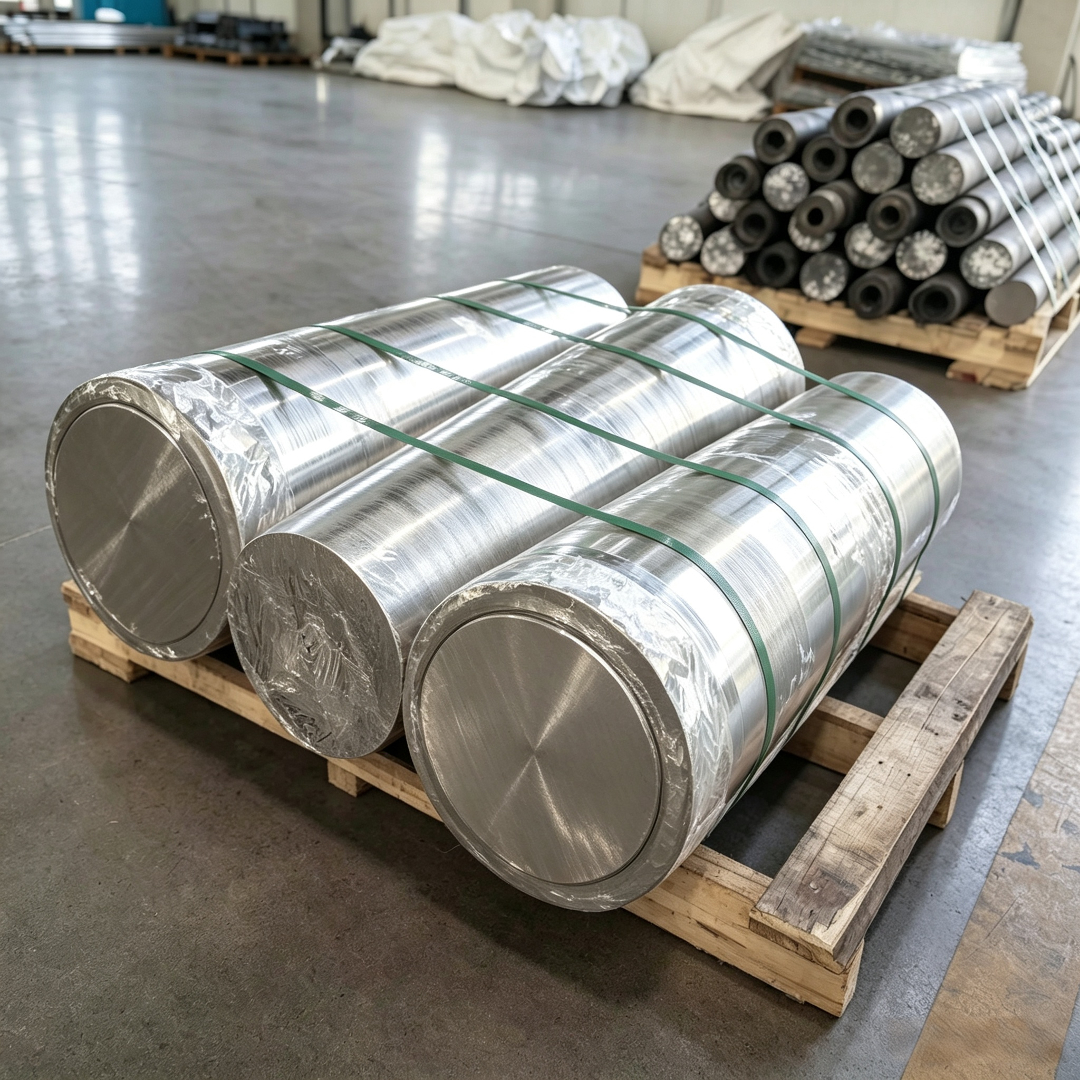
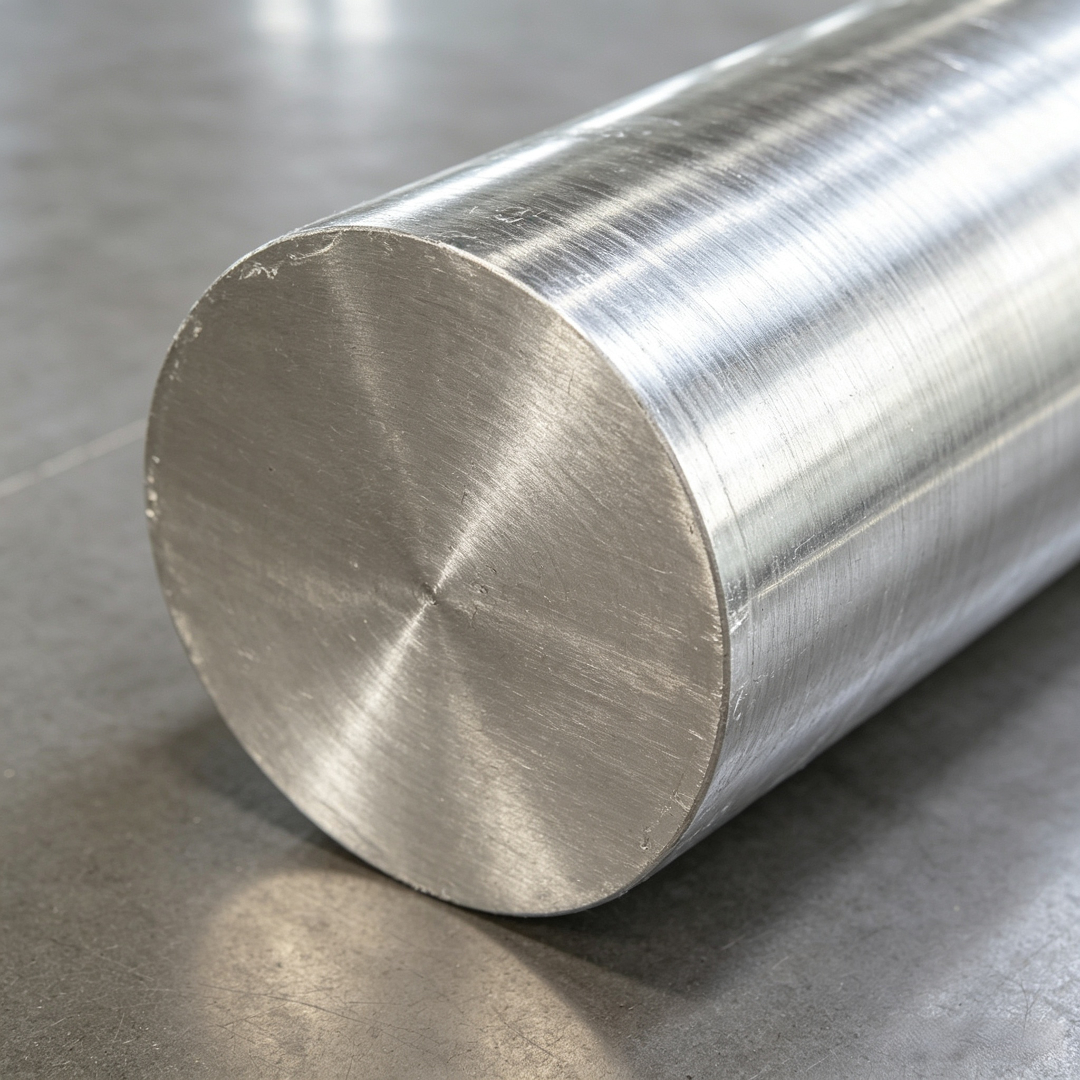
At Qingchuan New Materials, we offer a comprehensive range of NiCr8020 alloy materials, including wire, sheet, strip, and round bar. Each product is manufactured using state-of-the-art production lines and precision machining facilities, ensuring consistent quality and adherence to international standards. Our NiCr8020 wire is available in various diameters, suitable for welding, braiding, and other applications where flexibility and strength are crucial. The NiCr8020 sheet and strip are ideal for forming components that require precise dimensions and excellent surface finish, while the round bar offers superior mechanical properties for machining into complex shapes.
Key Properties of NiCr8020 Alloy
The success of NiCr8020 in diverse applications can be attributed to its outstanding properties. One of the most notable features of this alloy is its high-temperature strength, which allows it to maintain its structural integrity even at elevated temperatures. This property is particularly valuable in industries such as aerospace and gas turbines, where components are exposed to extreme heat and stress.
Corrosion resistance is another critical property of NiCr8020. The alloy’s chromium content forms a protective oxide layer on the surface, preventing corrosion and extending the service life of components. This makes NiCr8020 an excellent choice for applications in harsh environments, such as marine and chemical processing industries.
Thermal stability is yet another advantage of NiCr8020. The alloy exhibits minimal dimensional changes with temperature fluctuations, ensuring consistent performance over a wide range of operating conditions. This property is essential for applications that require precise control and stability, such as in medical devices and semiconductor packaging.
Comparison with W.Nr.2.4869 Alloy
W.Nr.2.4869 is another widely recognized nickel-chromium-based alloy, often compared to NiCr8020 due to their similar compositions and properties. However, there are subtle differences between the two alloys that can influence their suitability for specific applications. For instance, W.Nr.2.4869 may contain slightly different proportions of alloying elements, resulting in variations in mechanical properties and corrosion resistance.
When selecting between NiCr8020 and W.Nr.2.4869, it is essential to consider the specific requirements of the application. Factors such as operating temperature, corrosion environment, and mechanical loads should be evaluated to determine the most appropriate alloy. Qingchuan New Materials offers both NiCr8020 and W.Nr.2.4869 alloy materials, providing customers with the flexibility to choose the best solution for their needs.
Applications of NiCr8020 Alloy Materials
The versatility of NiCr8020 alloy materials is reflected in their wide range of applications across various industries. In the aerospace sector, NiCr8020 is used for manufacturing high-temperature components such as turbine blades, combustion chambers, and exhaust nozzles. The alloy’s ability to withstand extreme heat and stress makes it an ideal choice for these critical applications, ensuring the safety and reliability of aircraft.
The automotive industry also benefits from the use of NiCr8020 alloy materials. Components such as exhaust valves, turbocharger turbines, and catalytic converters rely on the alloy’s high-temperature strength and corrosion resistance to perform efficiently under demanding conditions. NiCr8020’s thermal stability ensures consistent performance, even during rapid temperature changes, contributing to the overall durability and longevity of automotive components.
In the medical field, NiCr8020 finds applications in the production of artificial joints, dental prosthetics, and surgical instruments. The alloy’s biocompatibility, combined with its excellent mechanical properties, makes it suitable for implants that require long-term integration with the human body. NiCr8020’s corrosion resistance ensures that medical devices remain functional and sterile, reducing the risk of infection and improving patient outcomes.
The marine industry is another sector where NiCr8020 alloy materials are extensively used. Components such as propeller shafts, heat exchangers, and seawater valves are exposed to corrosive environments, making corrosion resistance a critical requirement. NiCr8020’s ability to form a protective oxide layer on its surface prevents corrosion, extending the service life of marine components and reducing maintenance costs.
Supplier Considerations for NiCr8020 Alloy Materials
Selecting a reliable supplier for NiCr8020 alloy materials is crucial to ensure the quality and performance of components. When evaluating potential suppliers, several factors should be considered, including production capabilities, quality control measures, and industry experience.
Qingchuan New Materials (Zhengzhou) Co., Ltd. stands out as a trusted supplier of NiCr8020 alloy materials, offering a comprehensive range of products manufactured using advanced production lines and precision machining facilities. Our state-of-the-art workshop is equipped with the latest technology, enabling us to produce high-quality alloy materials that meet international standards.
Quality control is a top priority at Qingchuan New Materials. We possess comprehensive analytical and testing capabilities, allowing us to verify the composition and properties of our NiCr8020 alloy materials. Our rigorous quality control measures ensure that each product meets the specified requirements, providing customers with confidence in the reliability and performance of our materials.
Industry experience is another valuable asset when selecting a supplier. Qingchuan New Materials has been serving customers in the aerospace, automotive, medical, and marine industries for years, gaining valuable insights into the specific requirements and challenges of each sector. Our team of experts is dedicated to providing personalized solutions, working closely with customers to understand their needs and deliver tailored alloy materials that meet their expectations.
| Product | Key Features | Applications |
|---|---|---|
| NiCr8020 Wire | High flexibility, excellent strength | Welding, braiding, electrical components |
| NiCr8020 Sheet | Precise dimensions, excellent surface finish | Forming components, heat exchangers |
| NiCr8020 Strip | Thin profile, high strength | Spring applications, electrical contacts |
| NiCr8020 Round Bar | Superior mechanical properties, machinability | Machining into complex shapes, shafts |
FAQ
What are the main applications of NiCr8020 alloy materials?
NiCr8020 alloy materials are widely used in aerospace, automotive, medical, and marine industries. They are suitable for manufacturing high-temperature components, corrosion-resistant parts, and medical implants due to their excellent properties.
How does NiCr8020 compare to W.Nr.2.4869 alloy?
NiCr8020 and W.Nr.2.4869 are similar nickel-chromium-based alloys, but they may have slight differences in composition and properties. The choice between the two depends on specific application requirements, such as operating temperature and corrosion environment.
What quality control measures does Qingchuan New Materials implement for NiCr8020 alloy materials?
Qingchuan New Materials has comprehensive analytical and testing capabilities to verify the composition and properties of NiCr8020 alloy materials. Our rigorous quality control measures ensure that each product meets international standards and customer specifications.
Can NiCr8020 alloy materials be used in medical implants?
Yes, NiCr8020 alloy materials are biocompatible and suitable for medical implants such as artificial joints and dental prosthetics. Their excellent mechanical properties and corrosion resistance make them ideal for long-term integration with the human body.
What factors should be considered when selecting a supplier for NiCr8020 alloy materials?
When selecting a supplier, consider factors such as production capabilities, quality control measures, industry experience, and customer service. A reliable supplier should offer high-quality products, comprehensive testing, and personalized solutions to meet specific needs.
Summary
NiCr8020 alloy materials, including wire, sheet, strip, and round bar, offer a versatile and high-performance solution for various industries. Their exceptional properties, such as high-temperature strength, corrosion resistance, and thermal stability, make them suitable for demanding applications in aerospace, automotive, medical, and marine sectors. Qingchuan New Materials (Zhengzhou) Co., Ltd. is a trusted supplier of NiCr8020 alloy materials, providing high-quality products manufactured using advanced technology and rigorous quality control measures. By understanding the properties, applications, and supplier considerations for NiCr8020, professionals can make informed decisions and select the best alloy materials for their specific needs.