
In the demanding fields of aerospace, gas turbines, and medical device manufacturing, material selection can make or break project success. Among the advanced materials available today, Inconel939 alloy (also known as UNSN09939, Inc939, or Alloy939) stands out as a premium solution for high-temperature, corrosion-resistant applications. This comprehensive guide explores everything you need to know about this specialized nickel-based superalloy, from its composition and properties to its diverse industrial applications and manufacturing considerations.
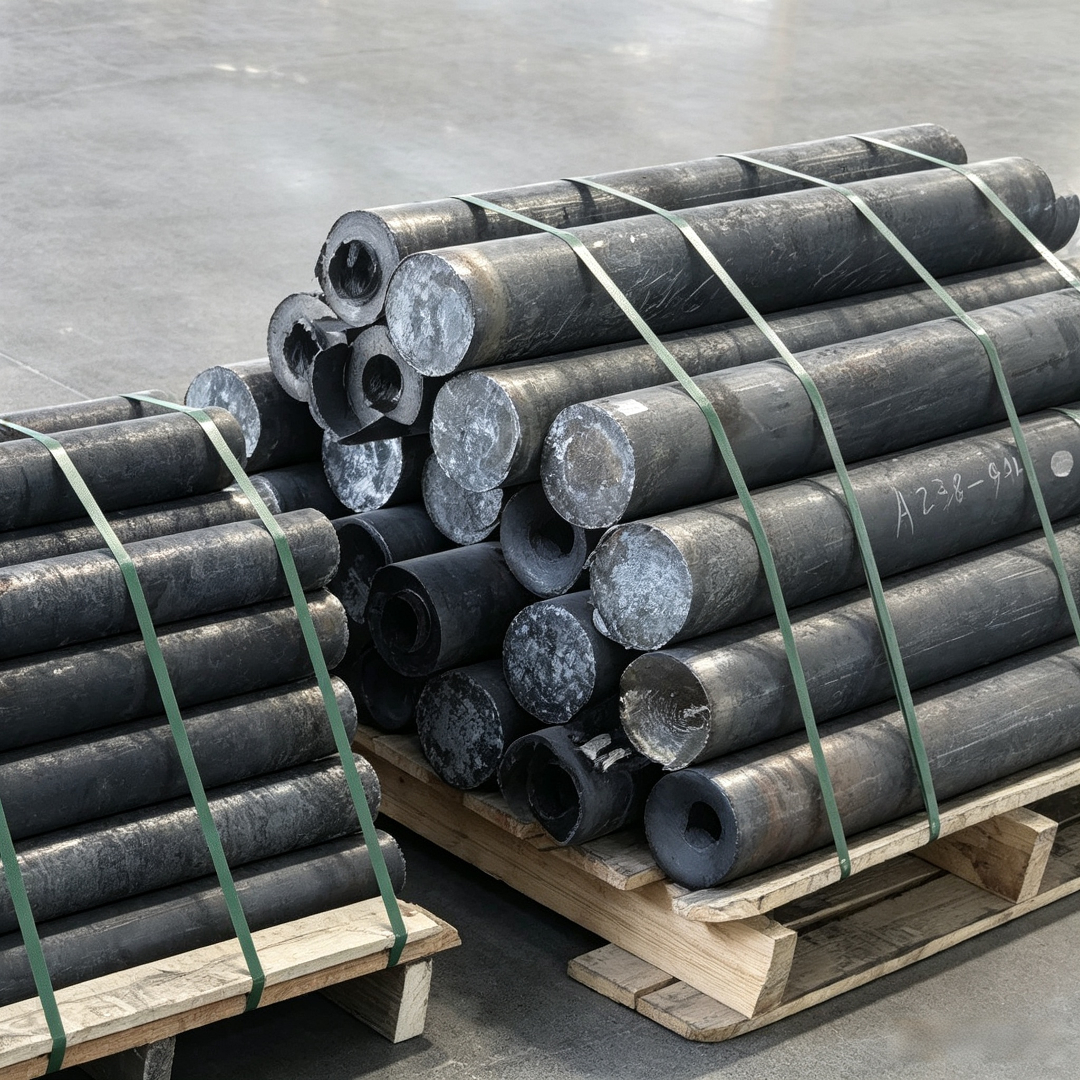
Understanding Inconel939 Alloy Composition and Properties
Inconel939 belongs to the family of nickel-based superalloys, specifically designed for exceptional performance at elevated temperatures. The alloy’s composition typically includes:
- Nickel (Ni): 50-55% – Provides excellent corrosion resistance and high-temperature strength
- Chromium (Cr): 18-21% – Enhances oxidation resistance and forms protective surface layers
- Cobalt (Co): 10-15% – Improves hot corrosion resistance and strength at high temperatures
- Molybdenum (Mo): 3-5% – Increases strength and resistance to pitting corrosion
- Aluminum (Al): 0.5-1.5% – Forms strengthening precipitates during heat treatment
- Titanium (Ti): 0.5-1.5% – Works with aluminum to create age-hardening precipitates
- Other elements: Trace amounts of carbon, boron, zirconium, and others for specific property optimization
This carefully balanced composition gives Inconel939 several remarkable properties that make it ideal for extreme environments:
- High-temperature strength: Maintains mechanical properties up to 1000°C (1832°F)
- Excellent oxidation resistance: Forms stable chromium oxide layers that prevent further oxidation
- Superior corrosion resistance: Withstands sulfur-containing environments and other corrosive media
- Good fabricability: Can be formed, welded, and machined with proper techniques
- Long-term stability: Resists thermal fatigue and maintains properties during cyclic heating
Manufacturing Process of Inconel939 Alloy
The production of high-quality Inconel939 alloy requires precise control at every stage. As a leading specialty alloys manufacturer, Qingchuan New Materials (Zhengzhou) Co., Ltd. employs state-of-the-art processes to ensure consistent material quality:
1. Melting and refining: The raw materials are melted in a vacuum induction furnace (VIM) to achieve precise composition control and minimize impurities. This is followed by electroslag remelting (ESR) or vacuum arc remelting (VAR) for further purification and homogenization.
2. Forming processes: Depending on the final product requirements, the alloy can be processed through:
- Casting: For complex shapes like turbine blades or medical implants
- Forging: To produce wrought components with improved mechanical properties
- Powder metallurgy: For specialized applications requiring uniform microstructure
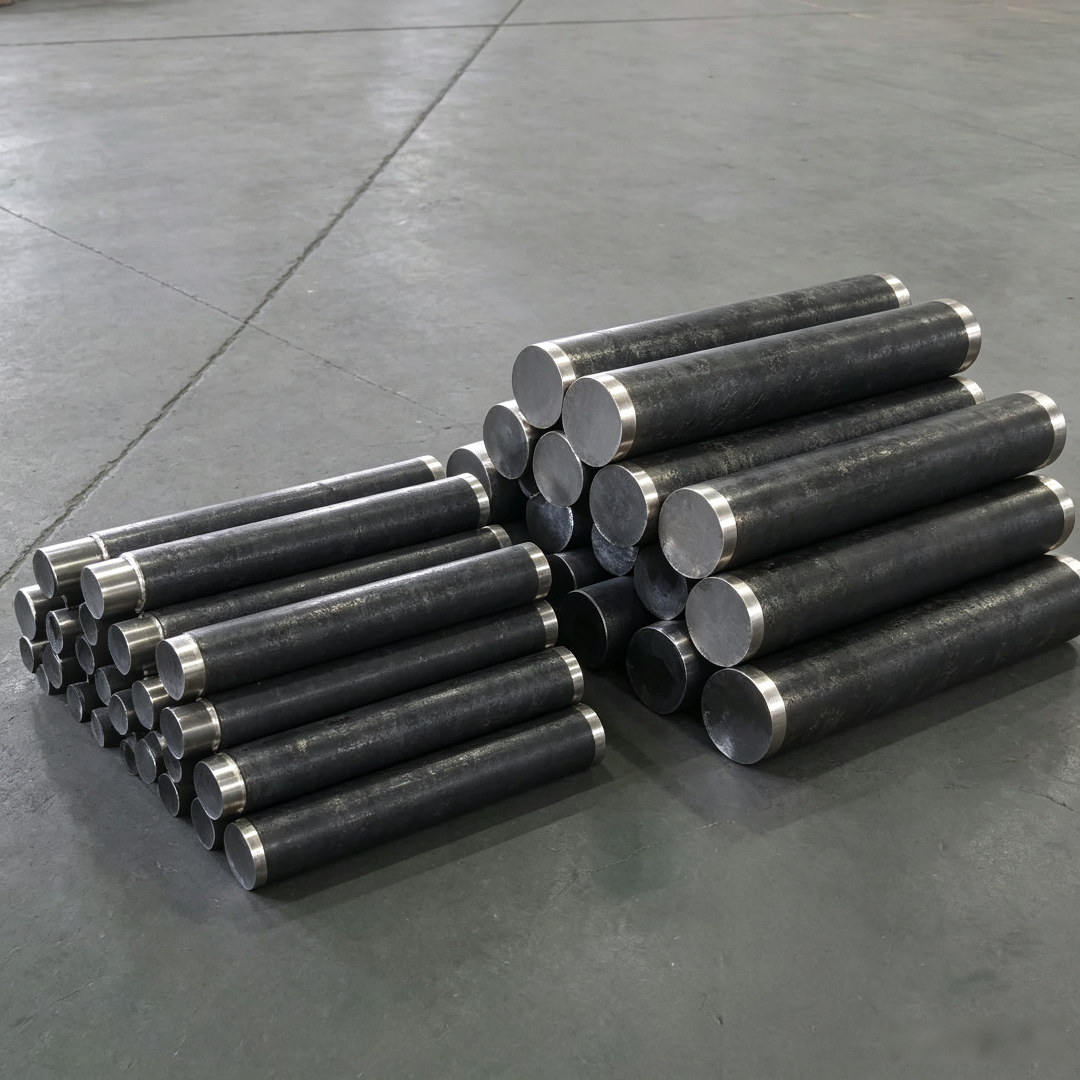
3. Heat treatment: Critical for achieving desired properties, heat treatment typically involves solution annealing followed by aging to precipitate strengthening phases.
4. Quality control: Comprehensive testing ensures compliance with specifications, including:
- Chemical composition analysis (OES, ICP)
- Mechanical property testing (tensile, impact, fatigue)
- Metallographic examination
- Non-destructive testing (X-ray, ultrasonic)
Comparing Inconel939 with Other Superalloys
When selecting materials for high-performance applications, engineers often compare Inconel939 with other superalloys. Here’s how it stacks up against some common alternatives:
| Property/Alloy | Inconel939 | Inconel 718 | Hastelloy X |
|---|---|---|---|
| Maximum service temperature | 1000°C | 650°C | 1150°C |
| Chromium content | 18-21% | 17-21% | 20-23% |
| Cobalt content | 10-15% | 0% | 0% |
| Primary strengthening mechanism | γ’ precipitates | γ” precipitates | Solid solution |
| Best suited for | High-temp, corrosive environments with mechanical loads | Lower-temp applications requiring high strength | Very high-temp applications without significant mechanical loads |
Key Applications of Inconel939 Alloy
The unique combination of properties makes Inconel939 alloy indispensable in several critical industries:
1. Aerospace and Gas Turbine Applications
In the aerospace industry, where components must withstand extreme temperatures and corrosive environments while maintaining structural integrity, Inconel939 excels. Typical applications include:
- Turbine blades and vanes
- Combustor cans and liners
- Afterburner components
- Exhaust nozzle flaps
- Case liners and heat shields
The alloy’s ability to maintain strength at high temperatures while resisting oxidation and hot corrosion makes it ideal for these demanding applications, where failure could have catastrophic consequences.
2. Medical Device Manufacturing
In the medical field, Inconel939’s biocompatibility combined with its mechanical properties makes it valuable for:
- Artificial joints (hip, knee implants)
- Dental prosthetics and implants
- Surgical instruments
- Orthopedic fixation devices
The alloy’s resistance to body fluids and ability to withstand sterilization processes ensure long-term reliability in medical applications. Precision casting techniques allow for the production of complex, patient-specific implants with excellent surface finish.
3. Marine and Offshore Applications
The harsh marine environment demands materials that can resist both corrosion and mechanical stress. Inconel939 finds use in:
- Seawater valves and fittings
- Offshore platform components
- Ship propulsion systems
- Desalination plant equipment
Its resistance to pitting and crevice corrosion in chloride-containing environments makes it particularly valuable for marine applications where other materials might quickly fail.
4. Industrial Gas Turbines
For power generation applications, Inconel939 is used in:
- Industrial gas turbine hot-section components
- Heat recovery steam generators
- Combustion equipment
The alloy’s ability to withstand the high temperatures and corrosive gases produced during combustion ensures reliable operation and extended service life in power plants.
Selecting the Right Inconel939 Supplier
When sourcing Inconel939 alloy for your projects, choosing the right supplier is crucial for ensuring material quality and project success. Consider these key factors:
1. Manufacturing Capabilities
Look for suppliers with:
- Advanced melting and refining equipment (VIM, ESR/VAR)
- Precision casting facilities for complex shapes
- Forging and heat treatment capabilities
- Comprehensive testing and quality control systems
Qingchuan New Materials (Zhengzhou) Co., Ltd., for example, operates from a modern standard workshop in Zhengzhou High-Tech Industrial Development Zone, equipped with state-of-the-art production lines and precision machining facilities specifically designed for specialty alloys and high-purity materials.
2. Material Certification and Traceability
Ensure your supplier provides complete material certification including:
- Chemical composition analysis reports
- Mechanical property test results
- Heat treatment records
- Non-destructive testing reports
Traceability from raw materials to finished products is essential for quality assurance, especially in critical applications like aerospace and medical devices.
3. Technical Support and Expertise
Choose a supplier that offers:
- Material selection guidance based on your application requirements
- Processing recommendations for optimal performance
- Failure analysis and problem-solving support
- Custom alloy development capabilities
4. Supply Chain Reliability
Consider factors such as:
- Production capacity to meet your volume requirements
- Lead times for material delivery
- Inventory management capabilities
- Flexibility to accommodate urgent orders
FAQ
What makes Inconel939 suitable for high-temperature applications?
Inconel939’s suitability for high-temperature applications comes from its nickel-based composition with significant additions of chromium, cobalt, and molybdenum. These elements form stable oxide layers that protect against oxidation at elevated temperatures, while the alloy’s microstructure maintains strength through precipitate strengthening. The material can typically withstand continuous service temperatures up to 1000°C (1832°F) while maintaining good mechanical properties.
How does Inconel939 compare to stainless steel in corrosion resistance?
While both Inconel939 and stainless steels offer good corrosion resistance, Inconel939 provides superior performance in high-temperature and aggressive environments. Stainless steels rely primarily on chromium to form protective oxide layers, but these can break down at elevated temperatures. Inconel939’s higher chromium content combined with cobalt and molybdenum additions gives it better resistance to oxidation, hot corrosion, and pitting in chloride-containing environments, making it ideal for applications where stainless steel would fail.
Can Inconel939 be welded for fabrication purposes?
Yes, Inconel939 can be welded using appropriate techniques, though it requires careful control of welding parameters to avoid issues like hot cracking. Gas tungsten arc welding (GTAW) and electron beam welding are commonly used methods. Preheating and post-weld heat treatment may be necessary depending on the application. It’s important to work with experienced welders familiar with nickel-based superalloys and to use matching filler materials to maintain corrosion resistance and mechanical properties in the weld zone.
What are the typical lead times for Inconel939 alloy products?
Lead times for Inconel939 products depend on several factors including the form (cast, forged, etc.), complexity of the component, and order quantity. For standard products like bars or sheets, lead times might range from 2-4 weeks. Custom castings or forged components typically require 6-12 weeks or longer, as they involve multiple manufacturing steps including pattern making, melting, casting/forging, heat treatment, and finishing. Working with a supplier that maintains strategic inventory of semi-finished products can help reduce lead times for urgent orders.
How should Inconel939 components be cleaned and maintained?
Cleaning and maintenance of Inconel939 components depend on the application environment. For general cleaning, mild alkaline or neutral detergents with soft brushes or cloths are recommended to avoid surface damage. Avoid using chlorinated or fluorinated cleaning agents that could cause stress corrosion cracking. In marine or chemical environments, regular inspection for signs of corrosion or pitting is important. For medical implants, sterilization methods must be compatible with the alloy’s properties. Always follow the manufacturer’s specific maintenance recommendations for your particular application.
Summary
Inconel939 alloy (UNSN09939) represents a pinnacle of materials engineering for extreme environments. Its unique combination of high-temperature strength, excellent corrosion resistance, and good fabricability makes it indispensable in aerospace, gas turbines, medical devices, and other demanding applications. When selecting Inconel939 for your projects, partner with a reputable manufacturer like Qingchuan New Materials (Zhengzhou) Co., Ltd. that offers advanced production capabilities, comprehensive quality control, and technical expertise to ensure optimal material performance.
As industries continue to push the boundaries of performance and efficiency, materials like Inconel939 will play an increasingly vital role in enabling innovation and ensuring reliability in critical applications. By understanding its properties, applications, and manufacturing considerations, engineers and procurement professionals can make informed decisions about incorporating this premium alloy into their designs.