
In the realm of advanced materials engineering, Inconel939 stands as a cornerstone alloy for demanding applications across aerospace, medical, and industrial sectors. As a professional manufacturer of high-purity metals and specialty alloys, Qingchuan New Materials (Zhengzhou) Co., Ltd. has established itself as a trusted supplier of Inconel939 alloy materials, offering comprehensive solutions from raw material production to precision component manufacturing.
This comprehensive guide explores the unique properties, manufacturing processes, and diverse applications of Inconel939 alloy materials, providing valuable insights for engineers, procurement specialists, and industry professionals seeking reliable solutions for their most challenging projects.
Understanding Inconel939 Alloy Composition
Inconel939 belongs to the nickel-based superalloy family, specifically engineered for exceptional performance at elevated temperatures and corrosive environments. The alloy’s unique composition typically includes:
- Nickel (Ni): 58-65% – Provides excellent corrosion resistance and high-temperature strength
- Chromium (Cr): 20-24% – Enhances oxidation resistance and contributes to overall strength
- Cobalt (Co): 8-12% – Improves high-temperature stability and stress-rupture properties
- Molybdenum (Mo): 2-4% – Increases resistance to pitting and crevice corrosion
- Aluminum (Al) + Titanium (Ti): 1-2% – Forms strengthening precipitates during heat treatment
- Trace elements: Carbon (C), Boron (B), Zirconium (Zr) – Refine grain structure and improve hot workability
This precise composition gives Inconel939 its remarkable combination of properties, making it ideal for applications where other materials would fail under extreme conditions. The alloy maintains its strength up to 1000°C (1832°F) while resisting oxidation, carburization, and various forms of corrosion.
Manufacturing Processes for Inconel939 Products
At Qingchuan New Materials, we employ advanced manufacturing techniques to produce Inconel939 alloy materials in various forms, each tailored to specific application requirements:
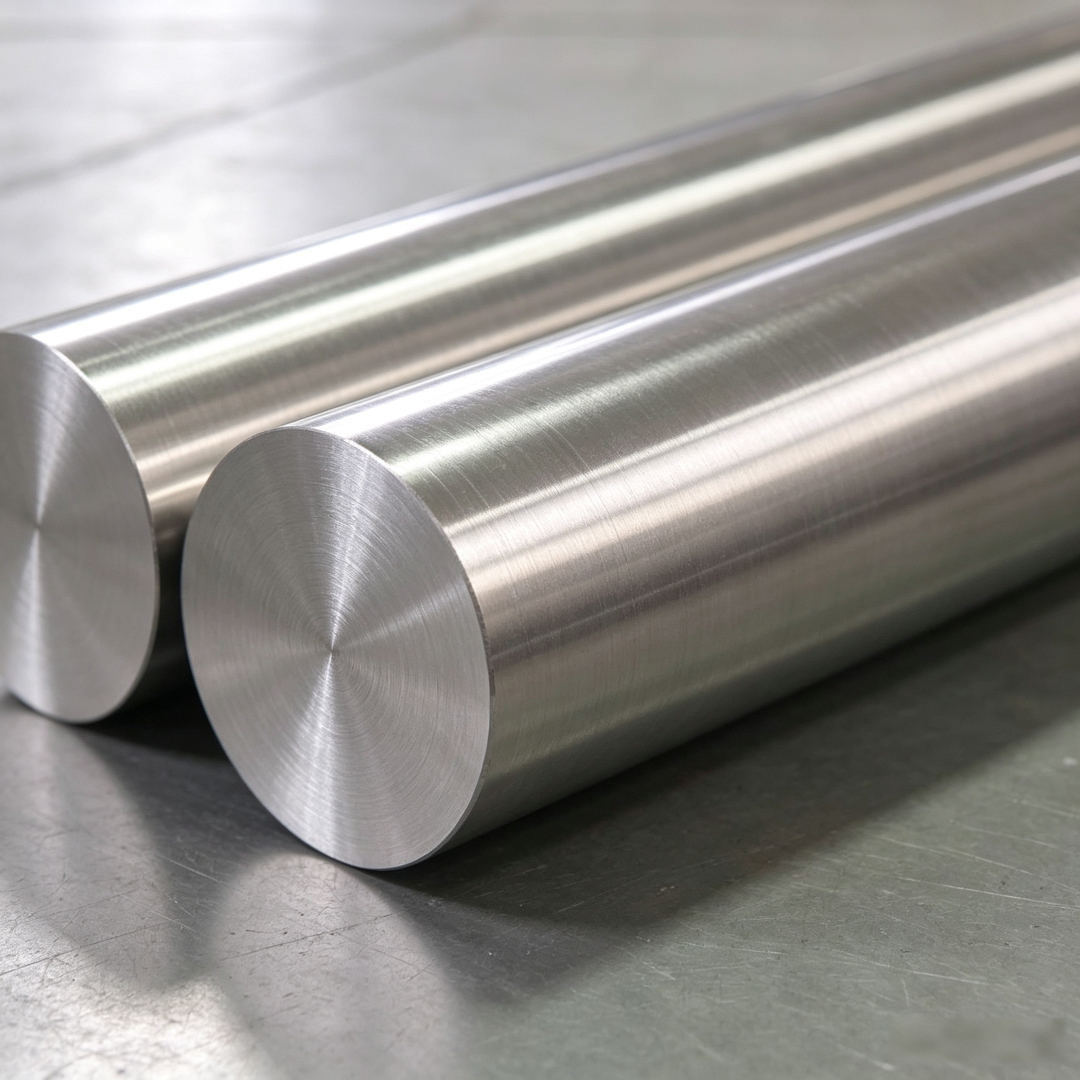
1. Inconel939 Round Bar Production
Our round bar manufacturing begins with vacuum induction melting (VIM) to produce high-purity ingots. These ingots then undergo electroslag remelting (ESR) for further purification and homogenization. The final forging and rolling processes produce round bars with precise dimensions and optimal mechanical properties.
Key features of our Inconel939 round bars:
- Diameters ranging from 6mm to 300mm
- Lengths up to 6000mm (customizable)
- Surface finish options: black, peeled, polished, or ground
- Strict dimensional tolerance control (±0.05mm for critical dimensions)
2. Inconel939 Ingot Casting
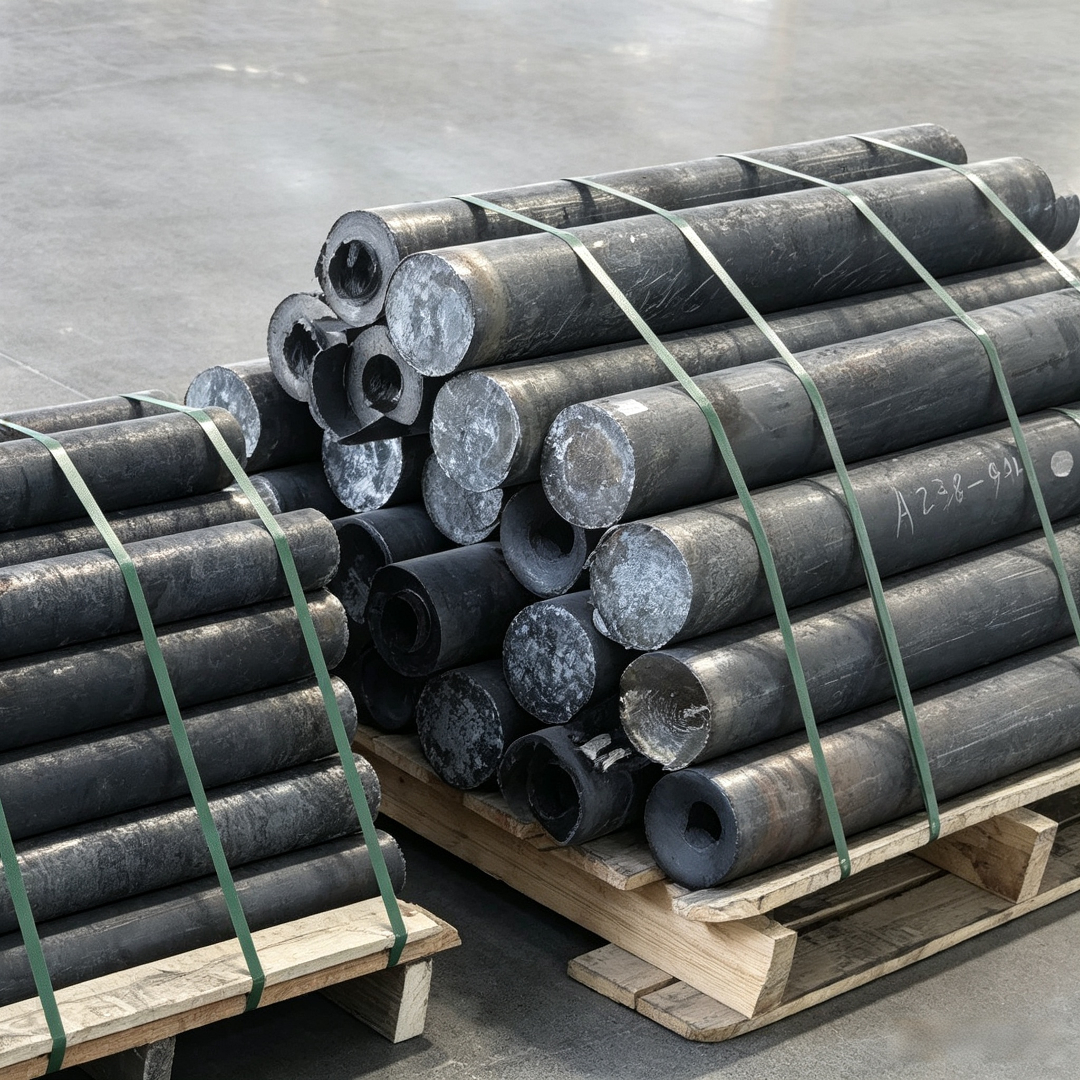
For applications requiring large cross-sections or custom shapes, we offer Inconel939 ingot casting services. Our vacuum arc remelting (VAR) process ensures exceptional material purity and uniformity throughout the ingot volume.
Ingot specifications:
- Weight range: 50kg to 3000kg
- Dimensions tailored to customer requirements
- Optional ultrasonic testing for internal quality verification
- Chemical composition analysis per ASTM E415
3. Inconel939 Forging Blank Production
Our forging blanks are engineered for subsequent machining into complex components. The process involves heating the material to optimal forging temperatures (typically 1150-1200°C) and shaping it using precision dies or open-die forging techniques.
Forging blank advantages:
- Improved mechanical properties through grain refinement
- Enhanced fatigue resistance compared to cast components
- Reduced machining time and material waste
- Near-net shape production for complex geometries
4. Inconel939 Casting Blank Manufacturing
For applications requiring intricate shapes or thin-walled structures, our investment casting process produces high-quality Inconel939 casting blanks. This method allows for the production of complex components with minimal post-processing requirements.
Casting blank capabilities:
- Wall thicknesses down to 0.5mm
- Complex internal geometries possible
- Dimensional accuracy up to CT5 grade
- Surface roughness Ra ≤ 3.2μm
Quality Control Systems for Inconel939 Alloys
At Qingchuan New Materials, we implement rigorous quality control measures throughout the production process to ensure our Inconel939 products meet the highest international standards:
| Quality Parameter | Testing Method | Acceptance Criteria |
|---|---|---|
| Chemical Composition | OES (Optical Emission Spectroscopy) | ±0.05% for major elements |
| Mechanical Properties | Tensile testing (ASTM E8) | Meets AMS 5837 specifications |
| Microstructure | Metallographic examination | Grain size ASTM E112 Grade 5-8 |
| Non-destructive Testing | UT (Ultrasonic Testing) per ASTM E233 | Level 2 acceptance |
| Surface Quality | Visual inspection + dye penetrant | No surface defects visible at 10x magnification |
Our quality management system is certified to ISO 9001:2015 standards, and we maintain complete traceability from raw material procurement to final product delivery. Each batch of Inconel939 alloy materials comes with a comprehensive test report documenting all quality parameters.
Key Applications of Inconel939 Alloy Materials
The exceptional properties of Inconel939 make it indispensable across multiple high-technology industries:
1. Aerospace Components
Inconel939’s ability to withstand extreme temperatures and corrosive environments makes it ideal for:
- Turbine blades and vanes
- Combustion chamber liners
- Afterburner components
- Thrust reverser systems
- Aircraft exhaust systems
The alloy’s resistance to thermal fatigue and oxidation at high temperatures ensures reliable performance throughout the service life of these critical components.
2. Medical Implants
In the medical field, Inconel939’s biocompatibility and corrosion resistance make it suitable for:
- Artificial hip and knee joints
- Dental implants and abutments
- Spinal fixation devices
- Trauma fixation plates and screws
Our medical-grade Inconel939 materials comply with ASTM F136 and ISO 5832-3 standards, ensuring they meet the stringent requirements for implantable devices.
3. Industrial Gas Turbines
For power generation applications, Inconel939 is used in:
- Turbine discs and spacers
- Transition ducts
- Heat shields
- Combustor baskets
The alloy’s ability to maintain strength at high temperatures while resisting oxidation and hot corrosion extends the service life of these components, reducing maintenance costs and improving overall plant efficiency.
4. Chemical Processing Equipment
In harsh chemical environments, Inconel939 provides reliable performance in:
- Reaction vessels
- Heat exchangers
- Valves and fittings
- Piping systems
The alloy’s resistance to pitting, crevice corrosion, and stress-corrosion cracking makes it suitable for handling a wide range of aggressive chemicals at elevated temperatures.
Selecting the Right Inconel939 Product Form
Choosing the appropriate product form for your application depends on several factors, including component complexity, required mechanical properties, and production volume. Here’s a guide to help you make the right selection:
| Product Form | Best Suited For | Advantages |
|---|---|---|
| Round Bar | Shafts, pins, bolts, simple turned components | Uniform properties, easy to machine, wide size range |
| Ingot | Custom forging blanks, large cross-section components | Cost-effective for large volumes, pure material |
| Forging Blank | Complex machined components, high-stress applications | Improved properties, reduced machining time |
| Casting Blank | Intricate shapes, thin-walled structures, low-volume production | Near-net shape, minimal material waste |
Our technical team works closely with customers to analyze their specific requirements and recommend the most suitable product form and processing route to optimize performance and cost-effectiveness.
FAQ
What are the main differences between Inconel939 round bar and forging blank?
Inconel939 round bars are produced through continuous rolling or forging processes, resulting in uniform properties along the length and consistent dimensional accuracy. Forging blanks, on the other hand, are shaped to near-final dimensions using precision forging techniques, which improves mechanical properties through grain refinement and enhances fatigue resistance. Forging blanks are typically used for components that will undergo minimal machining but require superior strength characteristics.
How does the manufacturing process affect the properties of Inconel939 casting blanks?
The investment casting process used for Inconel939 casting blanks allows for precise control over microstructure and mechanical properties. The rapid solidification rates during casting produce fine-grained structures that enhance strength and ductility. Additionally, our proprietary heat treatment processes further optimize properties by controlling precipitate formation and grain growth, resulting in casting blanks with properties comparable to wrought products in many applications.
What quality certifications do your Inconel939 products comply with?
All our Inconel939 alloy materials are manufactured in compliance with international standards including ASTM, AMS, and ISO specifications. Our quality management system is certified to ISO 9001:2015, and we can provide materials compliant with specific industry requirements such as AMS 5837 for aerospace applications, ASTM F136 for medical implants, and NACE MR0175 for oil and gas applications. Each batch comes with complete traceability and a comprehensive test report.
Can you provide custom sizes for Inconel939 round bars?
Yes, we offer custom sizes for Inconel939 round bars to meet specific customer requirements. Our production capabilities allow us to manufacture round bars in diameters ranging from 6mm to 300mm and lengths up to 6000mm. We can also provide special surface finishes such as polished, ground, or centerless ground to precise tolerances. Our engineering team works closely with customers to develop optimal solutions for their unique applications.
What are the advantages of using Inconel939 for medical implants compared to other materials?
Inconel939 offers several advantages for medical implant applications: 1) Excellent biocompatibility with human tissues 2) Superior corrosion resistance in bodily fluids 3) High fatigue strength for long-term durability 4) Ability to withstand sterilization processes without degradation 5) Magnetic resonance imaging (MRI) compatibility. These properties make Inconel939 an ideal choice for load-bearing implants like hip and knee replacements that require both biocompatibility and mechanical performance over extended periods.
Summary
Inconel939 alloy materials from Qingchuan New Materials represent the pinnacle of high-performance materials engineering, combining exceptional mechanical properties with outstanding resistance to extreme environments. Our comprehensive product range—including round bars, ingots, forging blanks, and casting blanks—provides solutions for the most demanding applications across aerospace, medical, industrial, and chemical processing sectors.
With state-of-the-art manufacturing facilities in Zhengzhou High-Tech Industrial Development Zone and a commitment to continuous quality improvement, we deliver Inconel939 products that meet or exceed international standards while offering competitive pricing and reliable supply chains.
Whether you require standard sizes or custom solutions, our technical team stands ready to collaborate with you from initial material selection through final component production. Contact us today to discuss how our Inconel939 alloy materials can enhance the performance and reliability of your critical applications.