
In the realm of advanced materials, specialty alloys play a pivotal role in driving innovation across various industries. Qingchuan New Materials (Zhengzhou) Co., Ltd., a professional enterprise dedicated to the research, development, and manufacturing of high-purity metals and specialty alloys, stands at the forefront of this technological evolution. Strategically located in the Zhengzhou High-Tech Industrial Development Zone, our company operates from a modern standard workshop equipped with state-of-the-art production lines and precision machining facilities. This article delves into the world of NiCr8020 alloy, Ni80Cr20, Cr20Ni80, and other specialty alloys, exploring their applications, properties, and the advantages they offer to industries worldwide.
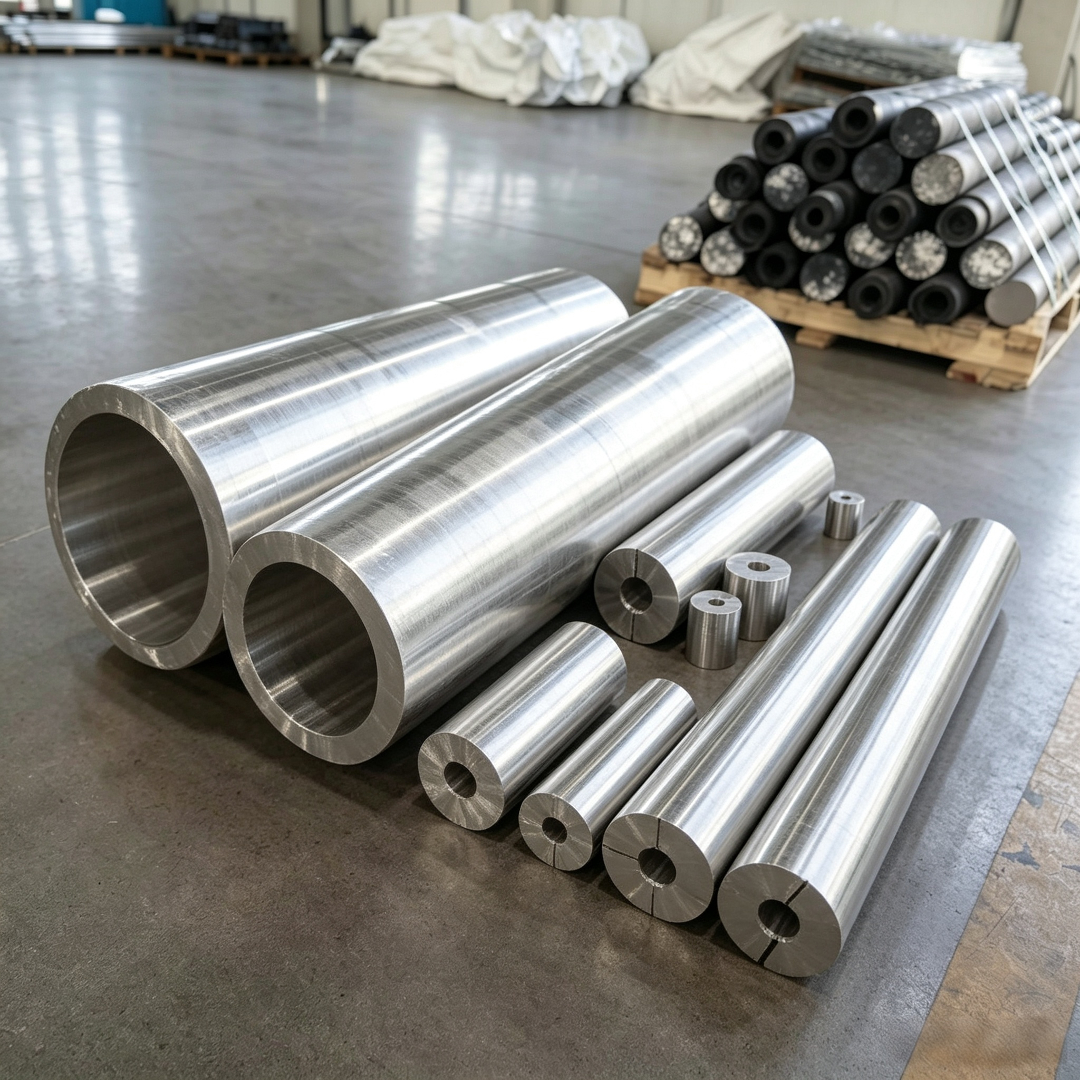
Understanding NiCr8020 Alloy and Its Variants
NiCr8020 alloy, also known as Ni80Cr20 or Cr20Ni80, is a nickel-chromium alloy renowned for its exceptional high-temperature strength, oxidation resistance, and electrical conductivity. This alloy belongs to the Nichrome family, which is widely used in heating elements, resistors, and other applications requiring stable performance under extreme conditions. The composition of NiCr8020 typically consists of 80% nickel and 20% chromium, with trace amounts of other elements to enhance specific properties.
UNSN06003 is another designation for a similar nickel-chromium alloy, often used interchangeably with NiCr8020 depending on the industry standards and specifications. These alloys are designed to withstand temperatures exceeding 1000°C, making them ideal for use in furnaces, kilns, and other high-heat environments. Their resistance to oxidation and corrosion ensures longevity and reliability, reducing maintenance costs and downtime.
Applications of NiCr8020 Alloy and Specialty Alloys
The versatility of NiCr8020 alloy and its variants extends across a wide range of industries, each leveraging its unique properties to enhance performance and efficiency. Here are some key applications:
Aerospace and Aviation
In the aerospace industry, NiCr8020 alloy is used in the precision casting of high-temperature and corrosion-resistant components. These include turbine blades, combustion chambers, and exhaust nozzles, where the alloy’s ability to maintain structural integrity under extreme conditions is crucial. The aerospace sector demands materials that can withstand the rigors of flight, and NiCr8020 meets these requirements with its exceptional thermal stability and resistance to oxidation.
Automotive Industry
The automotive industry also benefits from the properties of NiCr8020 alloy, particularly in the manufacturing of exhaust systems and catalytic converters. These components are exposed to high temperatures and corrosive gases, making the alloy’s resistance to heat and chemical degradation essential. By using NiCr8020, automotive manufacturers can ensure that their vehicles meet stringent emissions standards while maintaining optimal performance.
Medical Devices
Precision casting of medical devices is another area where NiCr8020 alloy shines. Artificial joints, dental prosthetics, and surgical instruments require materials that are biocompatible, corrosion-resistant, and capable of withstanding sterilization processes. The alloy’s combination of strength and resistance to bodily fluids makes it an excellent choice for these critical applications, ensuring patient safety and device longevity.
Metal Powder 3D Printing
The advent of metal powder 3D printing has opened up new possibilities for the use of NiCr8020 alloy. This additive manufacturing technique allows for the creation of complex geometries and customized components with minimal waste. NiCr8020 powder is used to produce parts for aerospace, automotive, and medical industries, where precision and performance are paramount. The alloy’s printability and post-processing characteristics make it a valuable material in the 3D printing landscape.
Magnetron Sputtering Targets and Vacuum Coating
NiCr8020 alloy is also employed in the production of magnetron sputtering targets and vacuum coating applications. These processes are used to deposit thin films of material onto substrates, creating coatings with specific properties such as hardness, reflectivity, and electrical conductivity. The alloy’s uniform composition and sputtering characteristics make it an ideal choice for producing high-quality coatings in the semiconductor, optics, and display industries.
Advantages of Using NiCr8020 Alloy and Specialty Alloys
The use of NiCr8020 alloy and other specialty alloys offers several advantages over traditional materials, making them the preferred choice for demanding applications. Some of these benefits include:
- High-Temperature Strength: NiCr8020 alloy maintains its mechanical properties at elevated temperatures, ensuring reliable performance in high-heat environments.
- Oxidation Resistance: The alloy forms a protective oxide layer when exposed to oxygen, preventing further oxidation and extending the lifespan of components.
- Corrosion Resistance: NiCr8020 is resistant to a wide range of corrosive substances, including acids, alkalis, and salts, making it suitable for harsh chemical environments.
- Electrical Conductivity: The alloy’s high electrical conductivity makes it ideal for use in heating elements, resistors, and other electrical components.
- Biocompatibility: In medical applications, NiCr8020’s biocompatibility ensures that it does not cause adverse reactions when in contact with bodily tissues or fluids.
- Customizability: The alloy can be tailored to specific requirements by adjusting its composition or processing parameters, allowing for the creation of materials with optimized properties for particular applications.
Comparing NiCr8020 Alloy with Other Materials
When selecting materials for a specific application, it is essential to compare the properties of NiCr8020 alloy with those of other available options. For instance, stainless steel is a commonly used material due to its corrosion resistance and strength. However, stainless steel may not offer the same level of high-temperature performance as NiCr8020 alloy, making the latter a better choice for applications involving extreme heat.
Similarly, while copper is an excellent conductor of electricity, it lacks the high-temperature strength and oxidation resistance of NiCr8020 alloy. In applications where both electrical conductivity and thermal stability are required, NiCr8020 provides a superior solution. By understanding the unique properties of each material, engineers and designers can make informed decisions that optimize the performance and longevity of their products.
| Property | NiCr8020 Alloy | Stainless Steel | Copper |
|---|---|---|---|
| High-Temperature Strength | Excellent | Good | Poor |
| Oxidation Resistance | Excellent | Good | Poor |
| Corrosion Resistance | Excellent | Excellent | Fair |
| Electrical Conductivity | Good | Poor | Excellent |
| Biocompatibility | Excellent | Excellent | Good |
FAQ
What is the primary composition of NiCr8020 alloy?
NiCr8020 alloy is primarily composed of 80% nickel and 20% chromium, with trace amounts of other elements to enhance specific properties. This composition gives the alloy its exceptional high-temperature strength, oxidation resistance, and electrical conductivity.
What industries commonly use NiCr8020 alloy?
NiCr8020 alloy is widely used in industries such as aerospace, automotive, medical devices, metal powder 3D printing, and magnetron sputtering targets. Its unique properties make it suitable for applications requiring high-temperature performance, corrosion resistance, and electrical conductivity.
How does NiCr8020 alloy compare to stainless steel in terms of high-temperature performance?
NiCr8020 alloy offers superior high-temperature performance compared to stainless steel. While stainless steel is resistant to corrosion and has good strength at moderate temperatures, NiCr8020 maintains its mechanical properties at much higher temperatures, making it ideal for extreme heat environments.
What are the benefits of using NiCr8020 alloy in medical devices?
The benefits of using NiCr8020 alloy in medical devices include its biocompatibility, corrosion resistance, and ability to withstand sterilization processes. These properties ensure patient safety and the longevity of medical implants and instruments.
Can NiCr8020 alloy be used in 3D printing?
Yes, NiCr8020 alloy can be used in metal powder 3D printing. The alloy’s printability and post-processing characteristics make it suitable for producing complex geometries and customized components for various industries, including aerospace, automotive, and medical.
Summary
NiCr8020 alloy, along with its variants Ni80Cr20 and Cr20Ni80, represents a class of specialty alloys that are indispensable in modern industry. Their exceptional properties, including high-temperature strength, oxidation resistance, and electrical conductivity, make them ideal for a wide range of applications, from aerospace components to medical devices. Qingchuan New Materials (Zhengzhou) Co., Ltd. is committed to advancing the development and manufacturing of these alloys, providing customers with high-quality materials that meet the most demanding requirements. By choosing NiCr8020 alloy, industries can achieve superior performance, reliability, and efficiency, driving innovation and progress in their respective fields.