
In the realm of high-performance materials, NiCr8020 alloy stands out as a critical component for applications demanding exceptional resistance to high temperatures and corrosion. As a professional enterprise dedicated to the research and development of specialty alloys and high-purity materials, Qingchuan New Materials (Zhengzhou) Co., Ltd. has established itself as a leading manufacturer in this field. This comprehensive guide delves into the properties, applications, and manufacturing standards of NiCr8020 alloy materials, providing valuable insights for engineers, procurement specialists, and industry professionals.
Understanding NiCr8020 Alloy Composition and Properties
NiCr8020 alloy, also known by its German designation W.Nr.2.4869, is a nickel-chromium-based alloy with excellent oxidation resistance and high-temperature strength. The composition typically includes approximately 80% nickel and 20% chromium, with trace amounts of other elements to enhance specific properties. This precise composition gives NiCr8020 its unique combination of mechanical and chemical characteristics:
- High-temperature stability: Maintains structural integrity at temperatures up to 1200°C (2192°F)
- Corrosion resistance: Excellent resistance to oxidation, carburization, and chlorination in harsh environments
- Thermal fatigue resistance: Withstands repeated heating and cooling cycles without cracking
- Mechanical strength: High tensile and yield strength even at elevated temperatures
- Workability: Can be formed into various shapes including wire, sheet, strip, and round bar
These properties make NiCr8020 an ideal choice for demanding applications where other materials would fail. The alloy’s ability to maintain its properties at extreme temperatures makes it invaluable in industries such as aerospace, power generation, and chemical processing.
Manufacturing Process and Quality Control
At Qingchuan New Materials, the production of NiCr8020 alloy materials follows stringent quality control protocols to ensure consistency and performance. The manufacturing process begins with the selection of high-purity raw materials, which are then melted in a vacuum induction furnace to prevent contamination. This is followed by precision casting or forging, depending on the desired final shape and application requirements.
The company’s state-of-the-art production lines and machining facilities enable the creation of NiCr8020 in various forms:
| Product Form | Dimensions | Typical Applications |
|---|---|---|
| Wire | 0.1-10mm diameter | Resistance heating elements, welding electrodes |
| Sheet | 0.1-50mm thickness | Heat shields, combustion chambers |
| Strip | 0.05-6mm thickness | Spring components, flexible connectors |
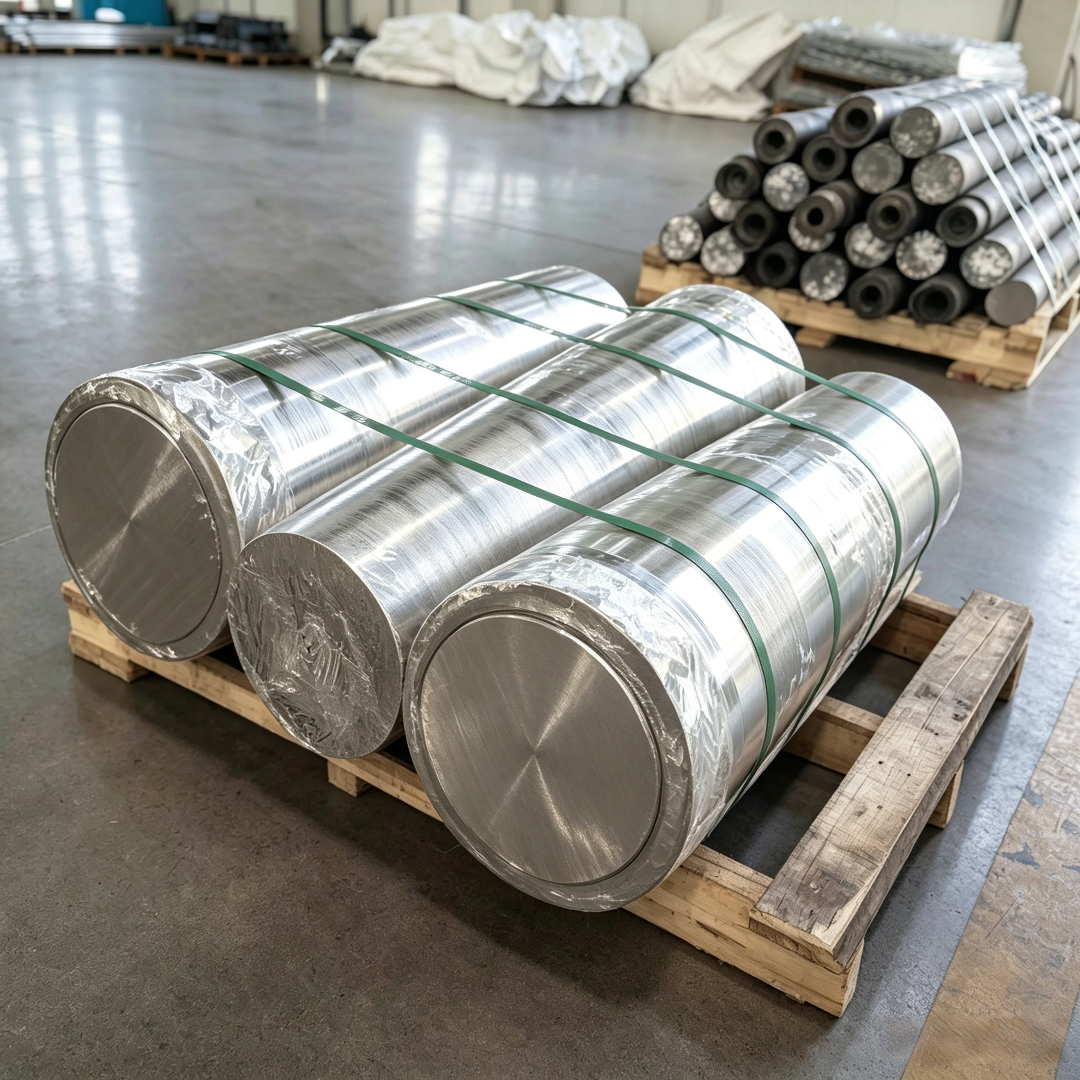
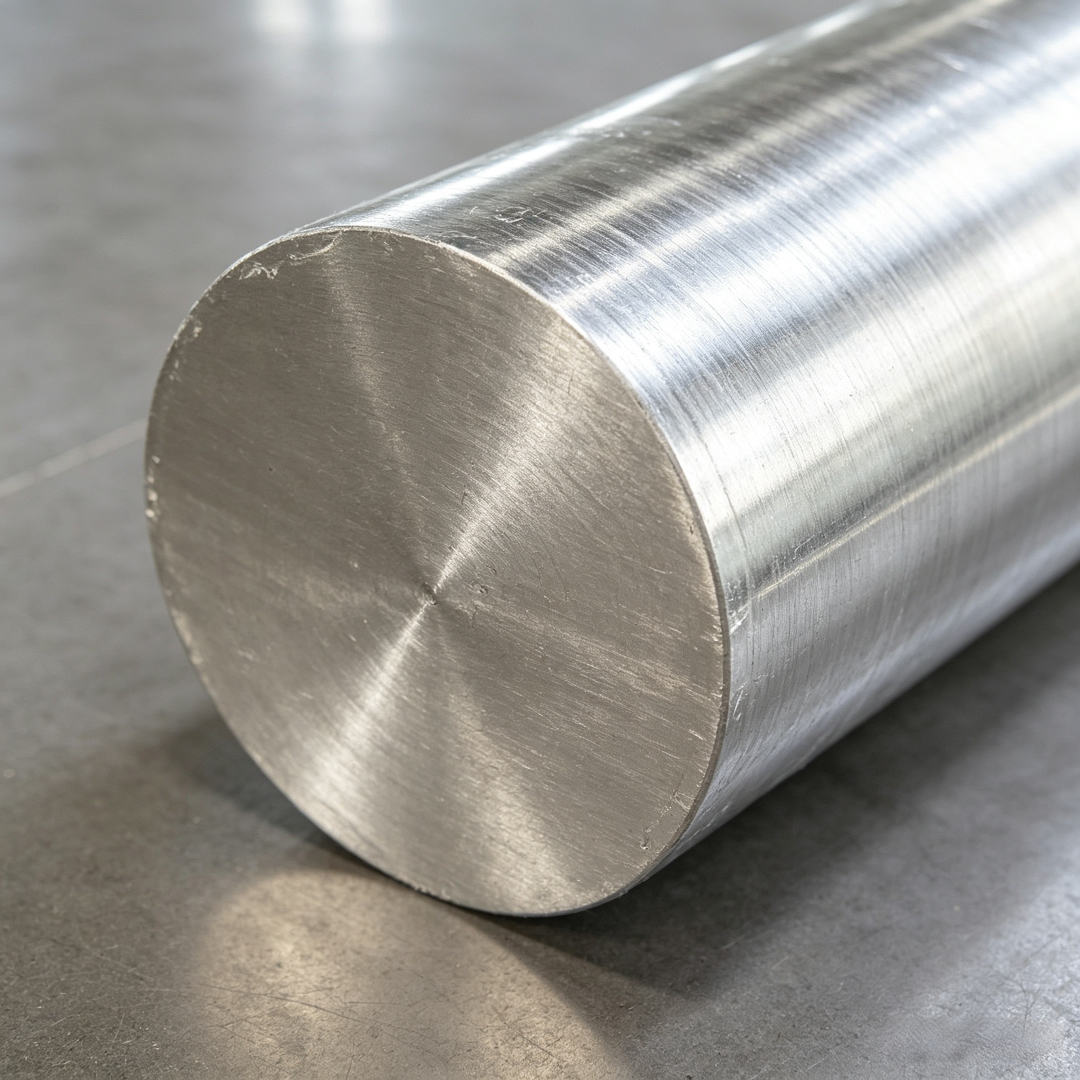
| Round bar | 5-300mm diameter | Shafts, valves, fasteners |
Throughout the manufacturing process, comprehensive analytical and testing capabilities ensure that each batch meets the highest quality standards. These tests include chemical composition analysis, mechanical property testing, and non-destructive examination methods such as ultrasonic testing and X-ray fluorescence spectroscopy.
Key Applications of NiCr8020 Alloy Materials
The unique properties of NiCr8020 alloy make it indispensable in several high-performance industries. Understanding these applications can help engineers and procurement specialists make informed decisions about material selection:
Aerospace and Aviation
In the aerospace industry, NiCr8020 is used for components that must withstand extreme temperatures and corrosive environments. Typical applications include:
- Combustion chamber liners
- Turbine blades and vanes
- Afterburner components
- Exhaust system parts
The alloy’s ability to maintain strength at high temperatures while resisting oxidation makes it ideal for these critical components, where failure could have catastrophic consequences.
Medical Devices
NiCr8020’s biocompatibility and corrosion resistance make it suitable for certain medical applications, particularly in orthopedic implants:
- Artificial joints (hip, knee, shoulder replacements)
- Dental implants and prosthetics
- Surgical instruments
The material’s stability in the human body ensures long-term performance without adverse reactions, making it a preferred choice for many implant manufacturers.
Industrial Heating
The alloy’s excellent electrical resistance and high-temperature stability make it perfect for heating applications:
- Resistance heating elements
- Industrial furnaces
- Heat treatment equipment
- Muffle furnaces
NiCr8020 heating elements can operate at temperatures up to 1200°C, providing efficient and reliable heat for various industrial processes.
Chemical Processing
In chemical plants where corrosive substances are handled at high temperatures, NiCr8020 offers superior performance:
- Reactor vessels
- Heat exchangers
- Valves and fittings
- Piping systems
The alloy’s resistance to chlorination, carburization, and other forms of chemical attack ensures long service life even in harsh environments.
Selecting the Right NiCr8020 Product Form
Choosing the appropriate product form of NiCr8020 alloy depends on several factors, including the application requirements, manufacturing process, and design constraints. Here’s a guide to help you make the right selection:
NiCr8020 Wire
Wire forms are ideal for applications requiring flexibility or when the material needs to be formed into complex shapes. Common uses include:
- Heating elements for electric furnaces
- Welding electrodes
- Spring components
- Fine wire mesh for filtration
When selecting NiCr8020 wire, consider the diameter, surface finish, and tensile strength requirements of your application.
NiCr8020 Sheet
Sheet forms provide a balance between flexibility and rigidity, making them suitable for:
- Heat shields
- Combustion chamber liners
- Enclosure panels for high-temperature equipment
- Formed components for chemical processing
Pay attention to sheet thickness, flatness, and surface condition when selecting NiCr8020 sheet for your project.
NiCr8020 Strip
Strip forms offer similar properties to sheet but in narrower widths, making them ideal for:
- Flexible electrical connectors
- Spring clips and fasteners
- Bimetallic strips for thermostats
- Edge trim for high-temperature seals
When choosing NiCr8020 strip, consider the width, thickness, and edge condition based on your specific application.
NiCr8020 Round Bar
Round bar forms provide maximum strength and are suitable for:
- Shafts and axles
- Valve stems and bodies
- Fasteners (bolts, studs, nuts)
- Machined components for high-temperature equipment
For NiCr8020 round bar, focus on diameter tolerance, straightness, and surface finish to ensure compatibility with your manufacturing processes.
FAQ
What are the main differences between NiCr8020 wire and sheet?
NiCr8020 wire is typically used for applications requiring flexibility or when the material needs to be formed into complex shapes, such as heating elements or springs. Sheet, on the other hand, provides a balance between flexibility and rigidity, making it suitable for heat shields, combustion chamber liners, and formed components. The choice depends on the specific mechanical requirements and forming processes of your application.
How does NiCr8020 compare to other nickel-based alloys in terms of high-temperature performance?
NiCr8020 (W.Nr.2.4869) offers excellent high-temperature stability up to 1200°C, with good oxidation resistance and mechanical strength. Compared to other nickel-based alloys like Inconel 600 or Hastelloy X, NiCr8020 provides a cost-effective solution for many applications while maintaining similar high-temperature properties. The specific choice depends on factors like maximum operating temperature, corrosion environment, and budget constraints.
What are the typical manufacturing tolerances for NiCr8020 round bars?
At Qingchuan New Materials, our NiCr8020 round bars are manufactured to precise tolerances to ensure compatibility with various machining processes. Typical diameter tolerances range from ±0.1mm for smaller diameters to ±0.5mm for larger bars. Straightness is controlled to within 1mm per meter length, and surface finish can be specified according to customer requirements, from as-rolled to polished conditions.
Can NiCr8020 alloy be used for medical implants?
Yes, NiCr8020 alloy is biocompatible and corrosion-resistant, making it suitable for certain medical applications, particularly in orthopedic implants. It’s commonly used for artificial joints (hip, knee, shoulder replacements) and dental prosthetics. However, the specific alloy composition and manufacturing process must meet strict medical-grade standards and regulatory requirements for each application.
What surface treatments are available for NiCr8020 sheet to enhance its properties?
Several surface treatments can be applied to NiCr8020 sheet to enhance its properties for specific applications. These include: 1) Pickling to remove oxide scale and improve surface finish, 2) Passivation to increase corrosion resistance, 3) Sandblasting for improved adhesion in coating applications, 4) Polishing for applications requiring a smooth surface finish, and 5) Coating applications such as ceramic or thermal barrier coatings for additional protection in extreme environments.
Summary
NiCr8020 alloy materials represent a versatile and high-performance solution for industries demanding exceptional resistance to high temperatures and corrosion. With its precise composition of approximately 80% nickel and 20% chromium, this alloy offers a unique combination of mechanical strength, thermal stability, and oxidation resistance that outperforms many other materials in extreme environments.
Qingchuan New Materials (Zhengzhou) Co., Ltd. has established itself as a leading manufacturer of NiCr8020 alloy materials, producing wire, sheet, strip, and round bar forms to meet diverse industry requirements. Our state-of-the-art production facilities and comprehensive quality control systems ensure that each product meets the highest international standards for specialty alloys.
From aerospace components to medical implants, and from industrial heating elements to chemical processing equipment, NiCr8020 alloy finds applications in some of the most demanding environments. By understanding the properties, manufacturing processes, and selection criteria for different product forms, engineers and procurement specialists can make informed decisions that optimize performance and reliability in their specific applications.
As industries continue to push the boundaries of temperature and corrosion resistance, NiCr8020 alloy materials will remain at the forefront of high-performance material solutions, enabling innovation and progress across multiple sectors.