
In the realm of advanced materials engineering, few alloys match the exceptional performance characteristics of Inconel713C (also known as Inc713C, Alloy713C, or UNSN07130). This nickel-based superalloy has become indispensable across multiple high-tech industries due to its unique combination of properties. As a leading manufacturer of specialty alloys and high-purity materials, Qingchuan New Materials (Zhengzhou) Co., Ltd. has positioned itself at the forefront of Inconel713C production, serving clients worldwide with stringent quality requirements.
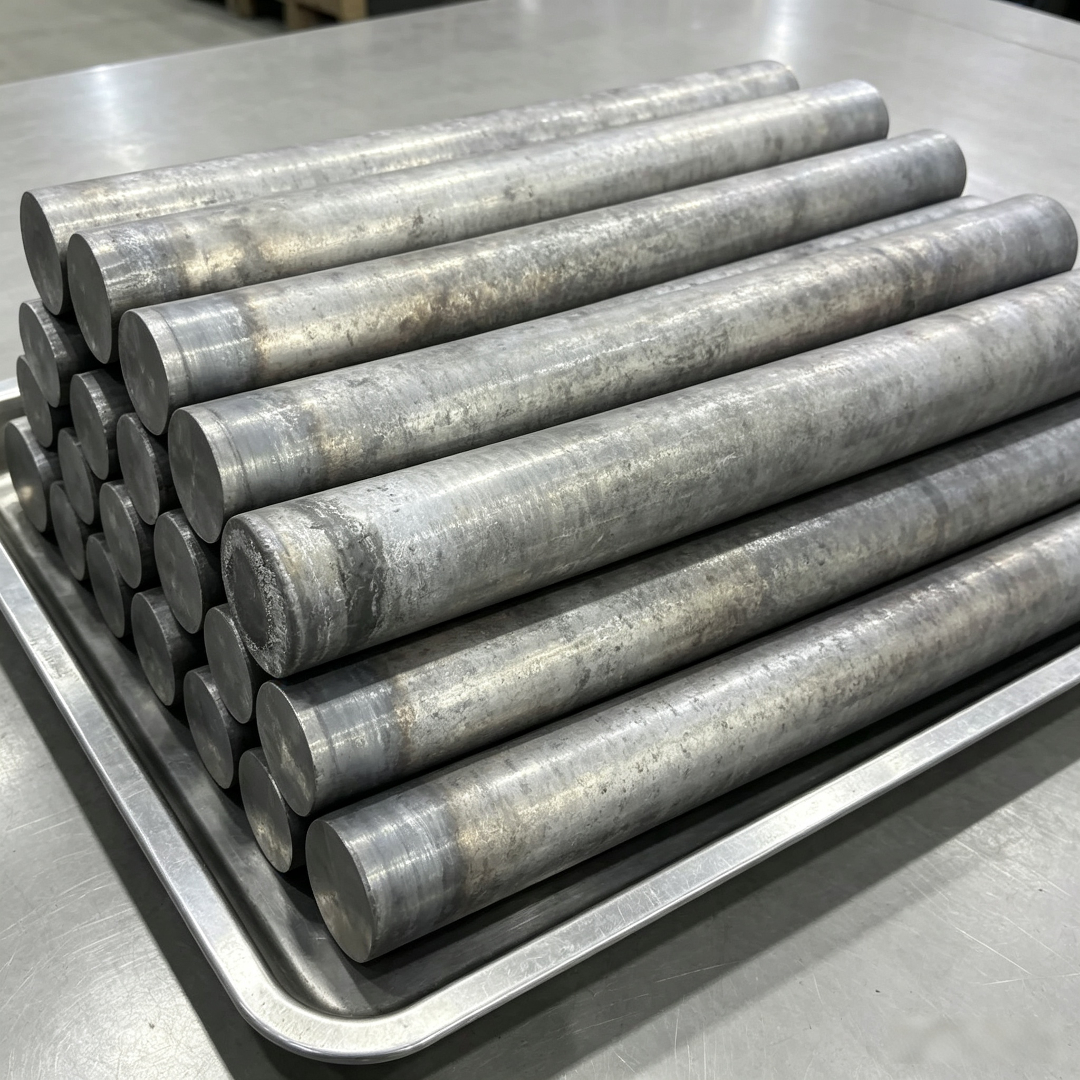
Understanding Inconel713C Alloy Composition
Inconel713C belongs to the family of nickel-based superalloys specifically engineered for high-temperature applications. Its chemical composition typically includes approximately 72% nickel, 13% chromium, 4% aluminum, 3% titanium, and trace amounts of other elements including carbon, boron, and zirconium. This precise formulation creates a gamma prime (γ’) precipitate-strengthened structure that provides exceptional strength at elevated temperatures while maintaining good oxidation resistance.
The alloy’s microstructure is characterized by a fine dispersion of γ’ precipitates within the gamma (γ) matrix. This strengthening mechanism enables Inconel713C to maintain its mechanical properties at temperatures exceeding 1000°C (1832°F), making it particularly suitable for applications involving thermal cycling and prolonged exposure to high-temperature environments. The chromium content provides excellent oxidation resistance, while the aluminum and titanium contribute to the formation of protective oxide layers on the surface.
Key Properties of UNSN07130 Material
The exceptional performance of Inconel713C stems from its unique combination of physical and mechanical properties:
- High-temperature strength: Maintains yield strength above 500 MPa at 800°C (1472°F)
- Thermal fatigue resistance: Withstands repeated heating and cooling cycles without cracking
- Oxidation resistance: Forms a stable protective oxide layer at elevated temperatures
- Hot corrosion resistance: Resists degradation in sulfur-containing environments
- Castability: Excellent fluidity for complex precision casting applications
- Weldability: Can be joined using conventional welding techniques with proper procedures
- Dimensional stability: Minimal thermal expansion and creep at operating temperatures
These properties make Inconel713C particularly valuable in applications where components must withstand extreme temperatures while maintaining structural integrity. The alloy’s combination of strength and corrosion resistance reduces maintenance requirements and extends component service life, delivering significant cost savings over time.
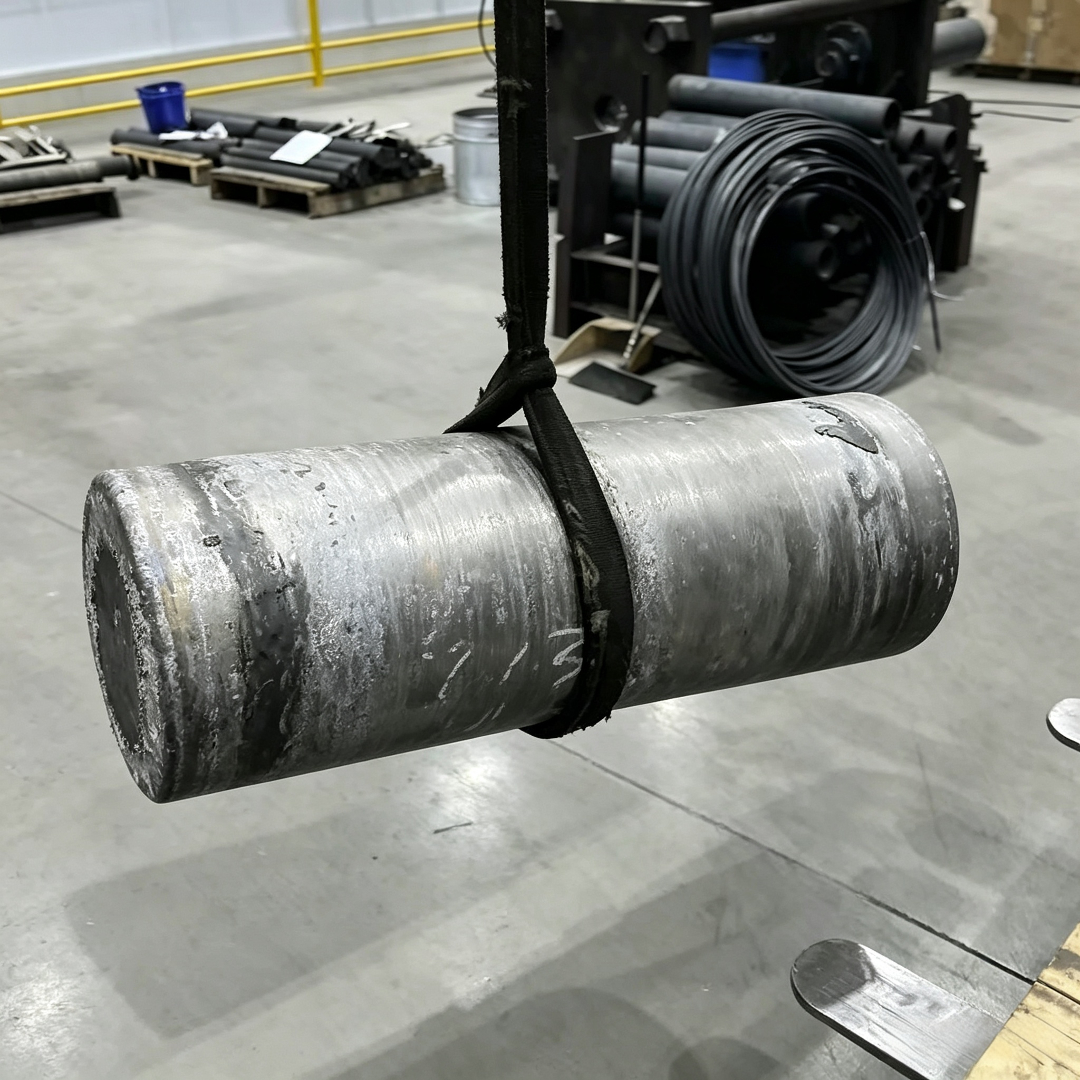
Primary Applications of Inconel713C Alloy
The unique properties of Inconel713C have led to its widespread adoption across several high-value industries:
Aviation and Aerospace
In the aviation industry, Inconel713C is extensively used for manufacturing turbine blades, vanes, and other hot-section components in aircraft engines. The alloy’s ability to maintain strength at high temperatures while resisting oxidation and hot corrosion makes it ideal for these critical applications. Components made from Inconel713C can withstand the extreme thermal and mechanical stresses experienced during flight operations, ensuring reliable performance and safety.
The aerospace sector similarly relies on Inconel713C for rocket engine components, re-entry vehicle parts, and other applications requiring materials that can endure extreme environments. The alloy’s dimensional stability at high temperatures is particularly valuable in space applications where thermal cycling is severe.
Gas Turbine Manufacturing
Gas turbine manufacturers utilize Inconel713C for both industrial and power generation applications. The alloy’s excellent hot corrosion resistance makes it particularly suitable for turbines operating in environments containing sulfur compounds or other corrosive elements. Components such as turbine blades, nozzles, and combustor cans benefit from the alloy’s combination of strength and corrosion protection.
In power generation applications, Inconel713C enables more efficient turbine designs by allowing higher operating temperatures. This translates to improved thermal efficiency and reduced fuel consumption, delivering both environmental and economic benefits. The alloy’s long service life in these demanding applications reduces maintenance costs and improves plant availability.
Automotive Industry
The automotive sector has adopted Inconel713C for high-performance engine components, particularly in turbocharger applications. The alloy’s ability to withstand the high exhaust gas temperatures generated by modern engines makes it ideal for turbocharger wheels and housings. Components made from Inconel713C can operate at higher temperatures than those made from conventional materials, enabling more compact and efficient turbocharger designs.
In motorsport applications, Inconel713C is used for exhaust valves, manifold components, and other parts exposed to extreme thermal conditions. The alloy’s combination of strength and thermal fatigue resistance ensures reliable performance under the most demanding racing conditions.
Marine Applications
Marine turbine manufacturers utilize Inconel713C for components exposed to seawater environments. The alloy’s excellent corrosion resistance, particularly in chloride-containing environments, makes it suitable for marine propulsion systems and offshore power generation applications. Components such as turbine blades and nozzles benefit from the alloy’s ability to maintain performance in harsh marine conditions.
| Property | Inconel713C Value | Comparison to Standard Alloys |
|---|---|---|
| Yield Strength @ 800°C | 520 MPa | 30-50% higher than conventional alloys |
| Oxidation Rate @ 1000°C | 0.02 mg/cm²/h | 50-70% lower than standard materials |
| Thermal Expansion Coefficient | 12.5 ×10⁻⁶/°C | Comparable to premium superalloys |
| Castability Rating | Excellent | Superior to many wrought alloys |
Manufacturing Capabilities at Qingchuan New Materials
As a specialized manufacturer of Inconel713C alloy, Qingchuan New Materials operates from a modern facility in Zhengzhou High-Tech Industrial Development Zone. Our production capabilities include:
- Precision casting: State-of-the-art investment casting processes for complex components with tight tolerances
- Powder metallurgy: Advanced production of powder metallurgy products for specialized applications
- High-purity material production: Specialized facilities for manufacturing degassed chromium flakes, chromium powder, and other evaporation materials
- Comprehensive testing: In-house analytical capabilities including spectroscopy, microscopy, and mechanical testing
Our quality management system ensures full traceability from raw material procurement through final product delivery. Each batch of Inconel713C undergoes rigorous testing to verify compliance with international standards including AMS, ASTM, and ISO specifications. This commitment to quality has earned us certification from leading industry organizations and recognition from global clients.
FAQ
What makes Inconel713C suitable for aviation turbine components?
Inconel713C’s combination of high-temperature strength, thermal fatigue resistance, and oxidation resistance makes it ideal for aviation turbine components. The alloy maintains its mechanical properties at temperatures exceeding 1000°C while forming a protective oxide layer that prevents corrosion. This enables reliable performance in the extreme conditions experienced by aircraft engine components.
How does Inconel713C compare to other nickel-based superalloys?
Compared to standard nickel-based alloys, Inconel713C offers superior high-temperature strength and oxidation resistance. Its gamma prime strengthening mechanism provides better creep resistance than many conventional alloys, while its optimized composition delivers excellent castability for complex components. These advantages make it particularly valuable for applications requiring both strength and dimensional precision at elevated temperatures.
What quality control measures are used in Inconel713C production?
At Qingchuan New Materials, we implement comprehensive quality control throughout the production process. This includes chemical composition analysis using spectroscopy, microstructure examination using optical and electron microscopy, and mechanical property testing at various temperatures. We also perform non-destructive testing (NDT) on finished components to ensure they meet stringent quality requirements before shipment.
Can Inconel713C be used for marine applications?
Yes, Inconel713C is suitable for certain marine applications, particularly those involving exposure to seawater at elevated temperatures. The alloy’s chromium content provides good corrosion resistance in chloride-containing environments, while its nickel base offers protection against stress corrosion cracking. However, for highly aggressive marine conditions, we may recommend alternative alloys with enhanced corrosion resistance.
Summary
Inconel713C (UNSN07130) alloy represents a pinnacle of materials engineering, combining exceptional high-temperature performance with excellent corrosion resistance and castability. As a leading manufacturer of this premium superalloy, Qingchuan New Materials provides global clients with consistent, high-quality material solutions for their most demanding applications. From aviation turbine components to gas turbine parts and automotive high-performance elements, our Inconel713C products deliver reliable performance in the world’s most challenging environments.
Our commitment to advanced manufacturing techniques and comprehensive quality control ensures that each batch of Inconel713C meets the highest international standards. With facilities located in Zhengzhou High-Tech Industrial Development Zone and a team of experienced materials engineers, we stand ready to support your project requirements with tailored solutions and technical expertise.