
Qingchuan New Materials (Zhengzhou) Co., Ltd. stands as a leading professional enterprise dedicated to the research, development, and manufacturing of high-purity metals and specialty alloys, including the renowned Inconel939 series. Strategically located in Zhengzhou High-Tech Industrial Development Zone, our modern standard workshop is equipped with state-of-the-art production lines and precision machining facilities, ensuring the highest quality standards for all our products. This comprehensive guide delves into the properties, applications, and manufacturing processes of Inconel939 alloy materials, highlighting their significance in various industries.
Understanding Inconel939 Alloy Materials
Inconel939 is a nickel-based superalloy known for its exceptional high-temperature strength, corrosion resistance, and excellent mechanical properties. It belongs to the family of Inconel alloys, which are widely used in applications requiring extreme conditions, such as high temperatures and corrosive environments. The composition of Inconel939 includes nickel, chromium, cobalt, and other elements, carefully balanced to achieve optimal performance characteristics.
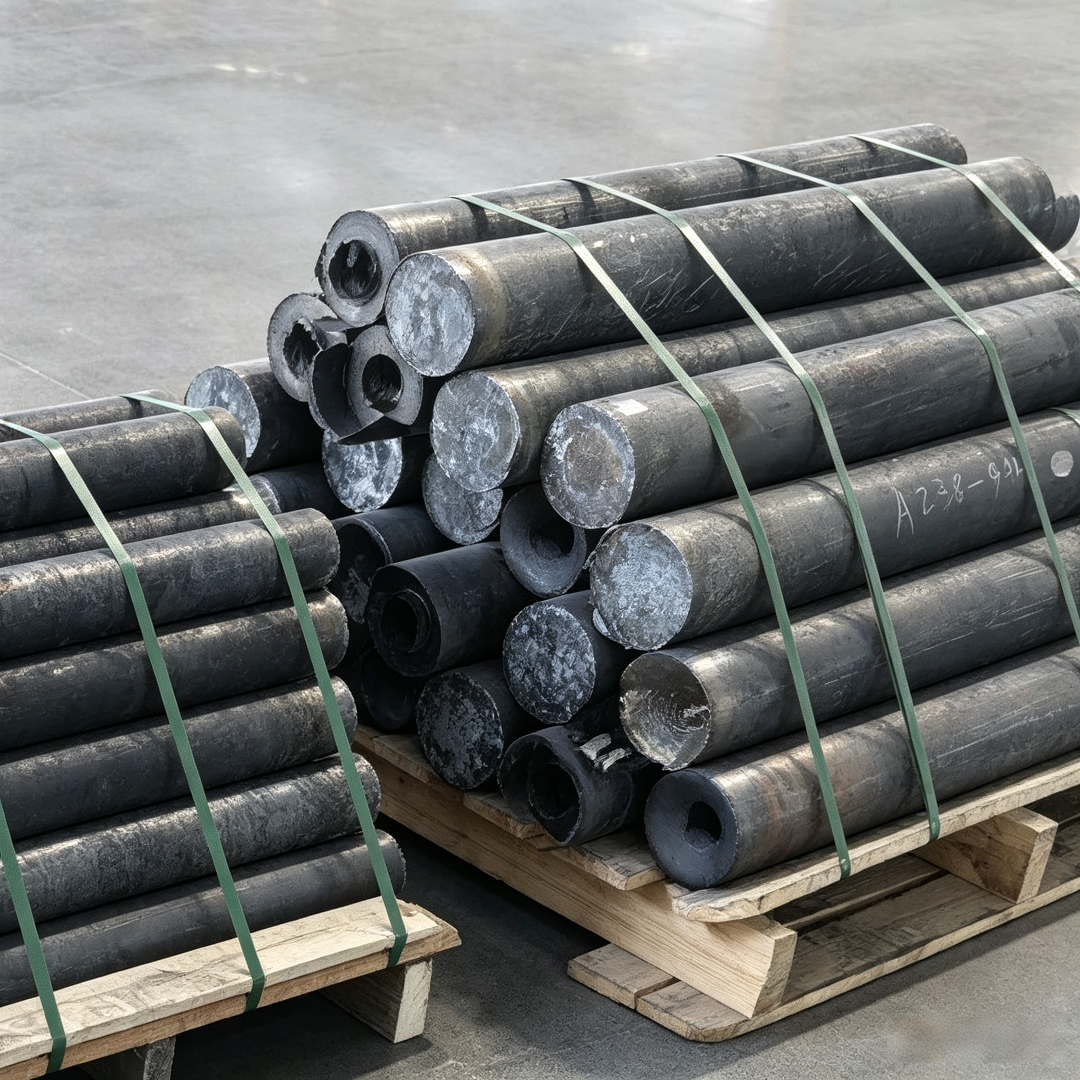
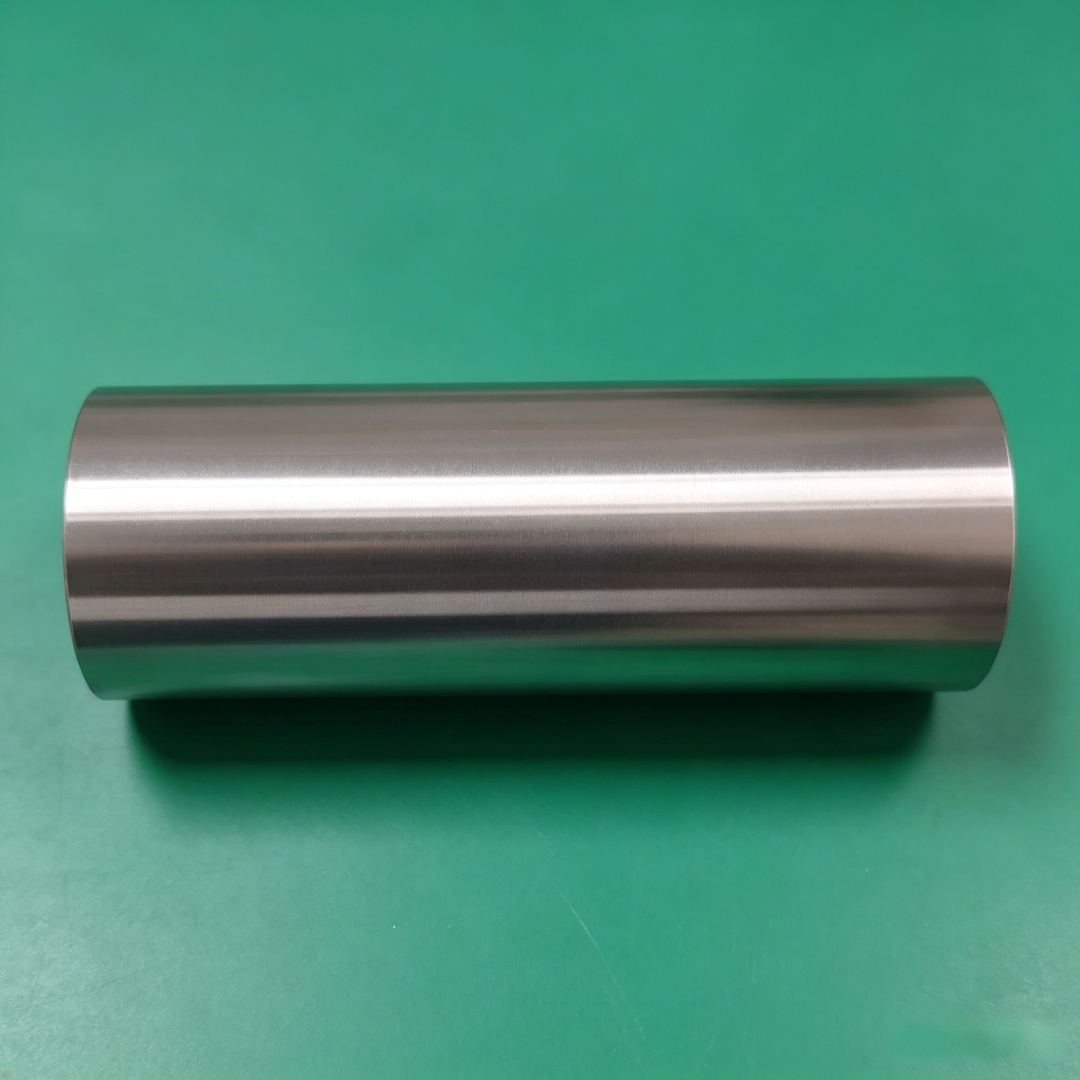
Our product range includes Inconel939 round bars, ingots, forging blanks, casting blanks, and master alloys, each tailored to meet specific industry requirements. These materials are manufactured using advanced production techniques and undergo rigorous quality control processes to ensure consistency and reliability in every batch.
Applications of Inconel939 Alloy Materials
The versatility of Inconel939 alloy materials makes them indispensable in various industries, particularly those involving high-temperature and corrosive environments. Here are some key applications:
Aviation and Aerospace
In the aviation and aerospace industries, Inconel939 is used for precision casting of high-temperature and corrosion-resistant components, such as turbine blades, engine parts, and structural elements. Its ability to withstand extreme temperatures and resist oxidation makes it an ideal choice for these critical applications, ensuring the safety and efficiency of aircraft and spacecraft.
Automotive and Marine
The automotive and marine industries also benefit from the use of Inconel939 alloy materials. In automotive applications, these materials are used in exhaust systems, turbochargers, and other components that require high-temperature resistance and durability. In the marine sector, Inconel939 is employed in the manufacturing of propellers, shafts, and other components exposed to corrosive seawater environments.
Medical Devices
In the medical field, Inconel939 alloy materials are used for precision casting of medical devices, including artificial joints and dental prosthetics. The biocompatibility and corrosion resistance of these materials make them suitable for long-term implantation in the human body, ensuring patient safety and comfort.
Metal Powder 3D Printing
With the rise of additive manufacturing technologies, Inconel939 powder metallurgy products have gained popularity in metal powder 3D printing. These materials enable the production of complex geometries and customized components with high precision and efficiency, opening up new possibilities in various industries.
Manufacturing Processes of Inconel939 Alloy Materials
The manufacturing of Inconel939 alloy materials involves several sophisticated processes, each designed to optimize the properties and performance of the final product. Here’s an overview of the key manufacturing steps:
- Melting and Casting: The process begins with melting the raw materials in an induction furnace or vacuum arc remelting (VAR) furnace to achieve a homogeneous alloy composition. The molten metal is then cast into ingots or other shapes, depending on the desired final product.
- Forging and Rolling: For Inconel939 round bars and forging blanks, the ingots undergo hot forging or rolling processes to shape them into the desired dimensions. These processes also enhance the mechanical properties of the material by refining its grain structure.
- Heat Treatment:
- Machining and Finishing: After heat treatment, the Inconel939 components may undergo machining processes, such as turning, milling, or grinding, to achieve the desired surface finish and dimensional accuracy. Finishing processes, such as polishing or coating, may also be applied to enhance the appearance and corrosion resistance of the final product.
Heat treatment is a crucial step in the manufacturing of Inconel939 alloy materials. It involves heating the material to specific temperatures and holding it for a certain period before cooling it down. This process helps to relieve internal stresses, improve ductility, and enhance the overall performance of the material.
Quality Control and Testing
At Qingchuan New Materials, we prioritize quality control and testing throughout the manufacturing process to ensure that our Inconel939 alloy materials meet the highest standards. Our comprehensive analytical and testing capabilities include chemical composition analysis, mechanical property testing, and non-destructive testing methods, such as ultrasonic testing and radiographic inspection. These tests help us to verify the integrity and performance of our products, providing our customers with confidence in their quality and reliability.
| Test Method | Purpose |
|---|---|
| Chemical Composition Analysis | To verify the elemental composition of the alloy and ensure it meets the specified requirements. |
| Mechanical Property Testing | To evaluate the tensile strength, yield strength, elongation, and other mechanical properties of the material. |
| Ultrasonic Testing | To detect internal defects, such as cracks or inclusions, in the material without damaging it. |
| Radiographic Inspection | To visualize internal structures and defects in the material using X-rays or gamma rays. |
FAQ
What are the main advantages of using Inconel939 alloy materials in aviation and aerospace applications?
Inconel939 alloy materials offer exceptional high-temperature strength, corrosion resistance, and excellent mechanical properties, making them ideal for aviation and aerospace applications. These materials can withstand extreme temperatures and resist oxidation, ensuring the safety and efficiency of aircraft and spacecraft components.
How does the manufacturing process of Inconel939 round bars differ from that of forging blanks?
The manufacturing process of Inconel939 round bars typically involves hot rolling or cold drawing after the initial forging or casting steps, while forging blanks are shaped through hot forging processes. Both processes aim to achieve the desired dimensions and mechanical properties, but the specific techniques used may vary depending on the final product requirements.
What quality control measures are in place to ensure the reliability of Inconel939 alloy materials?
At Qingchuan New Materials, we implement comprehensive quality control measures throughout the manufacturing process, including chemical composition analysis, mechanical property testing, and non-destructive testing methods, such as ultrasonic testing and radiographic inspection. These tests help us to verify the integrity and performance of our products, providing our customers with confidence in their quality and reliability.
Can Inconel939 alloy materials be used for medical device casting?
Yes, Inconel939 alloy materials are suitable for medical device casting, including artificial joints and dental prosthetics. The biocompatibility and corrosion resistance of these materials make them ideal for long-term implantation in the human body, ensuring patient safety and comfort.
What are the key considerations when selecting Inconel939 alloy materials for a specific application?
When selecting Inconel939 alloy materials for a specific application, it’s essential to consider factors such as the required mechanical properties, corrosion resistance, high-temperature performance, and compatibility with other materials. Consulting with our experts at Qingchuan New Materials can help you make an informed decision based on your specific needs and requirements.
Summary
Inconel939 alloy materials, manufactured by Qingchuan New Materials (Zhengzhou) Co., Ltd., offer exceptional properties and performance characteristics that make them indispensable in various industries, particularly those involving high-temperature and corrosive environments. Our comprehensive range of products, including round bars, ingots, forging blanks, and casting blanks, are manufactured using advanced production techniques and undergo rigorous quality control processes to ensure consistency and reliability. Whether you’re in the aviation, aerospace, automotive, marine, or medical industry, Inconel939 alloy materials provide a reliable and cost-effective solution for your critical component needs.