
The aerospace and industrial manufacturing sectors demand materials that withstand extreme conditions while maintaining structural integrity. Mar-M247 alloy materials have emerged as a critical solution for high-temperature applications requiring exceptional corrosion resistance and mechanical strength. This comprehensive guide explores the diverse applications, manufacturing processes, and quality standards of Mar-M247 alloy components from Qingchuan New Materials (Zhengzhou) Co., Ltd., a leading specialty alloy manufacturer.
Understanding Mar-M247 Alloy Composition and Properties
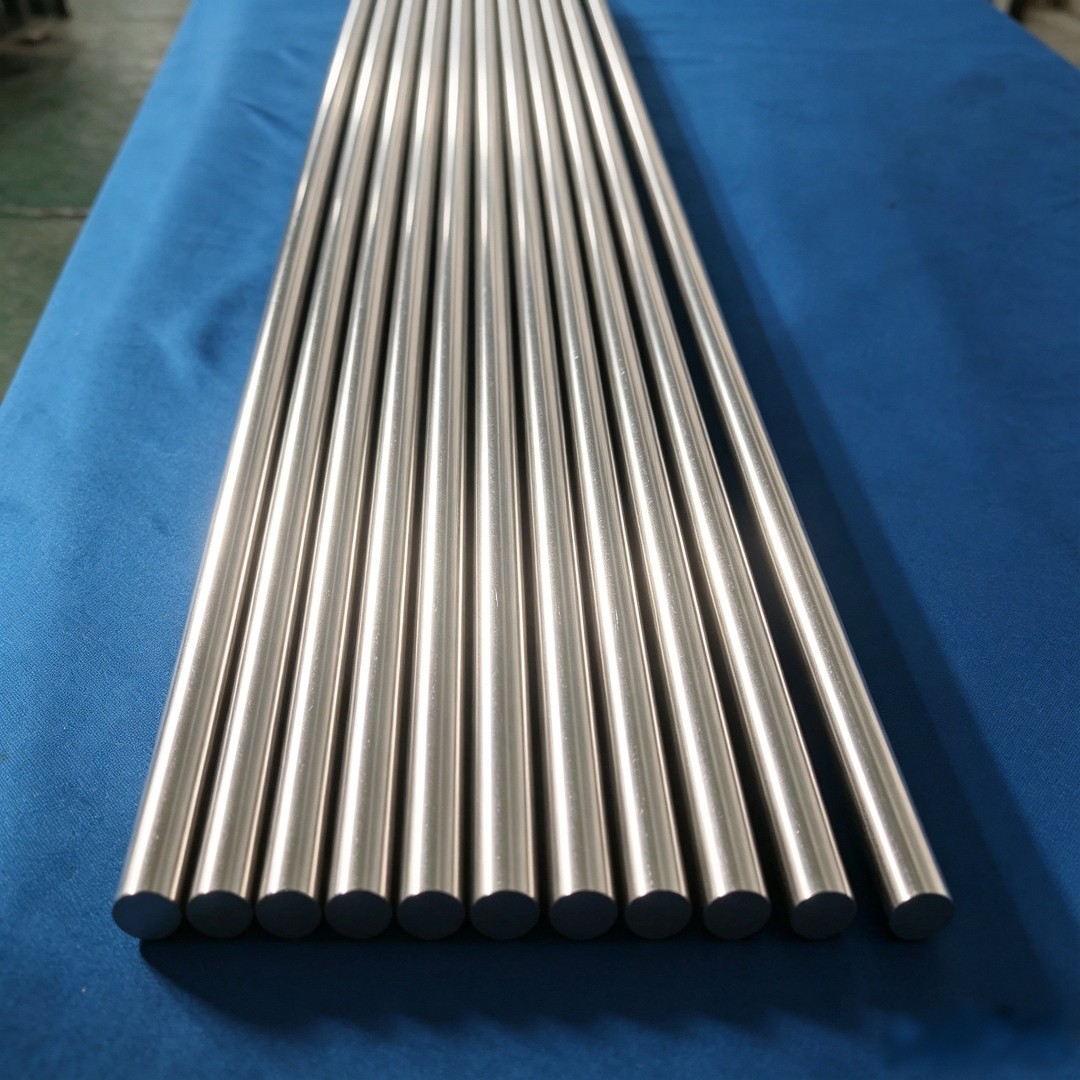
Mar-M247 belongs to the nickel-based superalloy family specifically engineered for high-temperature applications. Its unique composition typically includes 9% cobalt, 9% chromium, 3.1% aluminum, 5.5% titanium, and 1% molybdenum, with the remainder being nickel. This precise alloying creates a material capable of maintaining strength at temperatures exceeding 1,100°C (2,012°F) while resisting oxidation and hot corrosion.
The material’s exceptional properties stem from its gamma prime (γ’) phase precipitation strengthening mechanism. During heat treatment, fine γ’ particles form within the gamma matrix, creating a dispersion-strengthened structure that resists deformation under load. This characteristic makes Mar-M247 ideal for components exposed to cyclic thermal stresses and mechanical loads in turbine engines.
Qingchuan New Materials employs advanced vacuum induction melting (VIM) and vacuum arc remelting (VAR) processes to produce Mar-M247 cast ingots with exceptional purity. The company’s state-of-the-art analytical capabilities ensure each ingot meets stringent specifications for chemical composition and microstructure, with particular attention to minimizing harmful elements like sulfur and phosphorus that could compromise high-temperature performance.
Mar-M247 Castings Blanks for Aerospace Applications
The aerospace industry represents the largest consumer of Mar-M247 castings blanks, utilizing these components in critical engine sections including turbine blades, nozzles, and combustor cans. The alloy’s ability to maintain strength at elevated temperatures enables more efficient engine designs with higher thrust-to-weight ratios and improved fuel efficiency.
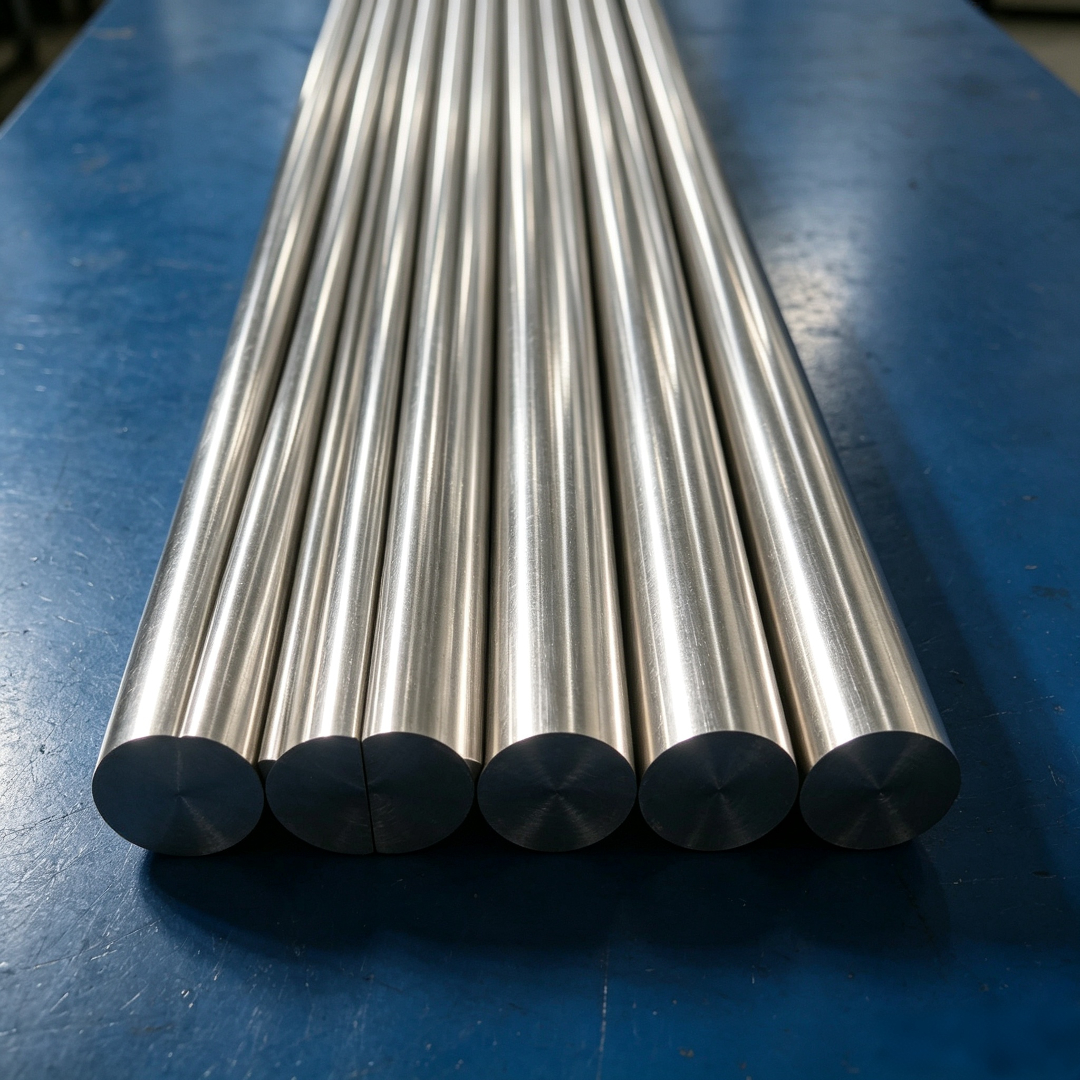
Manufacturing Mar-M247 castings requires specialized investment casting techniques. Qingchuan New Materials employs ceramic shell molds and precision wax patterns to achieve near-net shape components with minimal post-casting machining. The company’s advanced directional solidification capabilities produce columnar-grained structures that enhance creep resistance and thermal fatigue life in turbine blades.
For aviation applications, Qingchuan implements rigorous quality control measures including:
- 100% ultrasonic inspection of castings to detect internal defects
- Metallographic examination to verify grain structure and phase distribution
- Mechanical testing at operating temperatures to validate performance
- Chemical analysis using ICP-OES to ensure compositional accuracy
The company’s Mar-M247 castings blanks have successfully replaced imported components in several Chinese aerospace programs, demonstrating equivalent or superior performance while reducing procurement costs and lead times. This import substitution capability has positioned Qingchuan as a strategic partner for domestic aircraft engine manufacturers.
Mar-M247 Forging Blanks for Gas Turbine Components
While casting produces complex shapes efficiently, forging offers superior mechanical properties for components subjected to extreme stresses. Mar-M247 forging blanks from Qingchuan New Materials serve as the raw material for manufacturing turbine disks, shafts, and other critical rotating parts in industrial gas turbines.
The forging process aligns the material’s grain structure along the direction of applied stress, significantly improving fatigue resistance and crack propagation resistance. Qingchuan employs isothermal forging techniques at temperatures around 1,150°C to achieve optimal material flow without causing excessive grain growth or hot cracking.
| Parameter | Specification |
|---|---|
| Forging Temperature Range | 1,120-1,180°C |
| Grain Size (ASTM E112) | ≤ ASTM 5 |
| Tensile Strength @ Room Temp | ≥ 1,200 MPa |
| Yield Strength @ 760°C | ≥ 750 MPa |
Qingchuan’s Mar-M247 forging blanks undergo comprehensive heat treatment including solution annealing and aging to optimize their microstructure for specific applications. The company’s in-house heat treatment facilities enable precise control over temperature profiles and cooling rates, ensuring consistent mechanical properties across production batches.
For industrial gas turbine manufacturers, using Qingchuan’s domestically produced Mar-M247 forging blanks offers several advantages over imported alternatives:
- Reduced procurement costs by 15-20% through localized production
- Shorter lead times with guaranteed delivery schedules
- Full traceability from raw material to finished forging
- Customized forging sizes to minimize material waste
Mar-M247 Master Alloys for Precision Manufacturing
Master alloys play a crucial role in achieving consistent chemical composition during alloy production. Qingchuan New Materials produces Mar-M247 master alloys that serve as the foundation for creating high-quality cast ingots and forging blanks. These master alloys contain precisely controlled proportions of the alloying elements, enabling manufacturers to accurately adjust compositions during melting.
The production of Mar-M247 master alloys requires exceptional purity control, as even minor impurities can significantly impact the final alloy’s performance. Qingchuan employs multiple purification stages including:
- Electroslag remelting (ESR) to refine the alloy structure
- Zone refining to remove trace impurities
- Hydrogen reduction to minimize gas content
- Atomic absorption spectroscopy for elemental analysis
Qingchuan’s Mar-M247 master alloys have been validated by several leading aerospace component manufacturers for their consistent quality and reliable performance. The company maintains strict batch control systems to ensure complete traceability, with each master alloy lot accompanied by detailed certification reports documenting chemical composition and physical properties.
Mar-M247 Sheets for Specialized Applications
While castings and forgings dominate Mar-M247 applications, the alloy’s excellent formability at elevated temperatures enables production of thin sheets for specialized uses. Qingchuan New Materials produces Mar-M247 sheets with thicknesses ranging from 0.1mm to 10mm, serving industries including:
Medical Device Manufacturing: The alloy’s biocompatibility and corrosion resistance make it ideal for producing artificial joints, dental implants, and surgical instruments. Qingchuan’s sheets undergo special surface treatments to enhance osseointegration for orthopedic applications.
Semiconductor Industry: Mar-M247 sheets serve as sputtering targets for depositing thin films in semiconductor packaging. The material’s high purity ensures minimal contamination during the deposition process, critical for maintaining device performance.
Chemical Processing: The alloy’s resistance to sulfuric and hydrochloric acids at elevated temperatures makes Mar-M247 sheets suitable for manufacturing heat exchangers and reaction vessels in corrosive environments.
Producing Mar-M247 sheets requires specialized rolling equipment capable of maintaining precise temperature control during hot working. Qingchuan employs a multi-stage rolling process with intermediate annealing to achieve the desired thickness while maintaining the material’s mechanical properties and surface finish. The company’s advanced cleaning facilities ensure sheets meet the stringent cleanliness requirements of medical and semiconductor applications.
FAQ
What are the primary applications of Mar-M247 alloy materials?
Mar-M247 alloy materials find extensive use in aerospace for turbine blades and combustor components, in industrial gas turbines for hot section parts, in medical devices for implants and surgical instruments, and in semiconductor manufacturing for sputtering targets. The alloy’s exceptional high-temperature strength and corrosion resistance make it ideal for applications exceeding 1,000°C.
How does Qingchuan ensure the quality of Mar-M247 castings blanks?
Qingchuan implements rigorous quality control measures including 100% ultrasonic inspection, metallographic examination, mechanical testing at operating temperatures, and chemical analysis using ICP-OES. The company’s advanced analytical capabilities verify each casting meets stringent specifications for chemical composition and microstructure before shipment.
What advantages do domestically produced Mar-M247 forging blanks offer?
Domestically produced Mar-M247 forging blanks from Qingchuan offer 15-20% cost savings compared to imported alternatives, shorter lead times with guaranteed delivery, full traceability from raw material to finished product, and customized forging sizes to minimize material waste. These benefits support more efficient supply chains for industrial gas turbine manufacturers.
How are Mar-M247 master alloys used in manufacturing?
Mar-M247 master alloys serve as the foundation for creating high-quality cast ingots and forging blanks by providing precisely controlled proportions of alloying elements. Manufacturers add these master alloys during melting to accurately adjust compositions, ensuring consistent mechanical properties and performance in final components.
What specialized treatments do Mar-M247 sheets receive for medical applications?
For medical applications, Mar-M247 sheets undergo special surface treatments to enhance osseointegration, the process by which bone tissue bonds with the implant surface. These treatments may include sandblasting, acid etching, or coating applications to create micro-textures that promote cell attachment and bone growth.
Summary
Mar-M247 alloy materials from Qingchuan New Materials represent a critical solution for industries demanding materials that perform reliably under extreme conditions. The company’s comprehensive product range including cast ingots, forging blanks, master alloys, and sheets supports diverse applications from aerospace turbine components to medical implants. By combining advanced manufacturing processes with rigorous quality control, Qingchuan delivers Mar-M247 materials that meet or exceed international standards while offering cost advantages through localized production.
For manufacturers seeking reliable Mar-M247 alloy suppliers, Qingchuan New Materials provides complete traceability, customized solutions, and technical support throughout the product lifecycle. The company’s strategic location in Zhengzhou’s High-Tech Industrial Development Zone enables efficient logistics and rapid response to customer needs, solidifying its position as a preferred partner for specialty alloy requirements in Asia and beyond.