
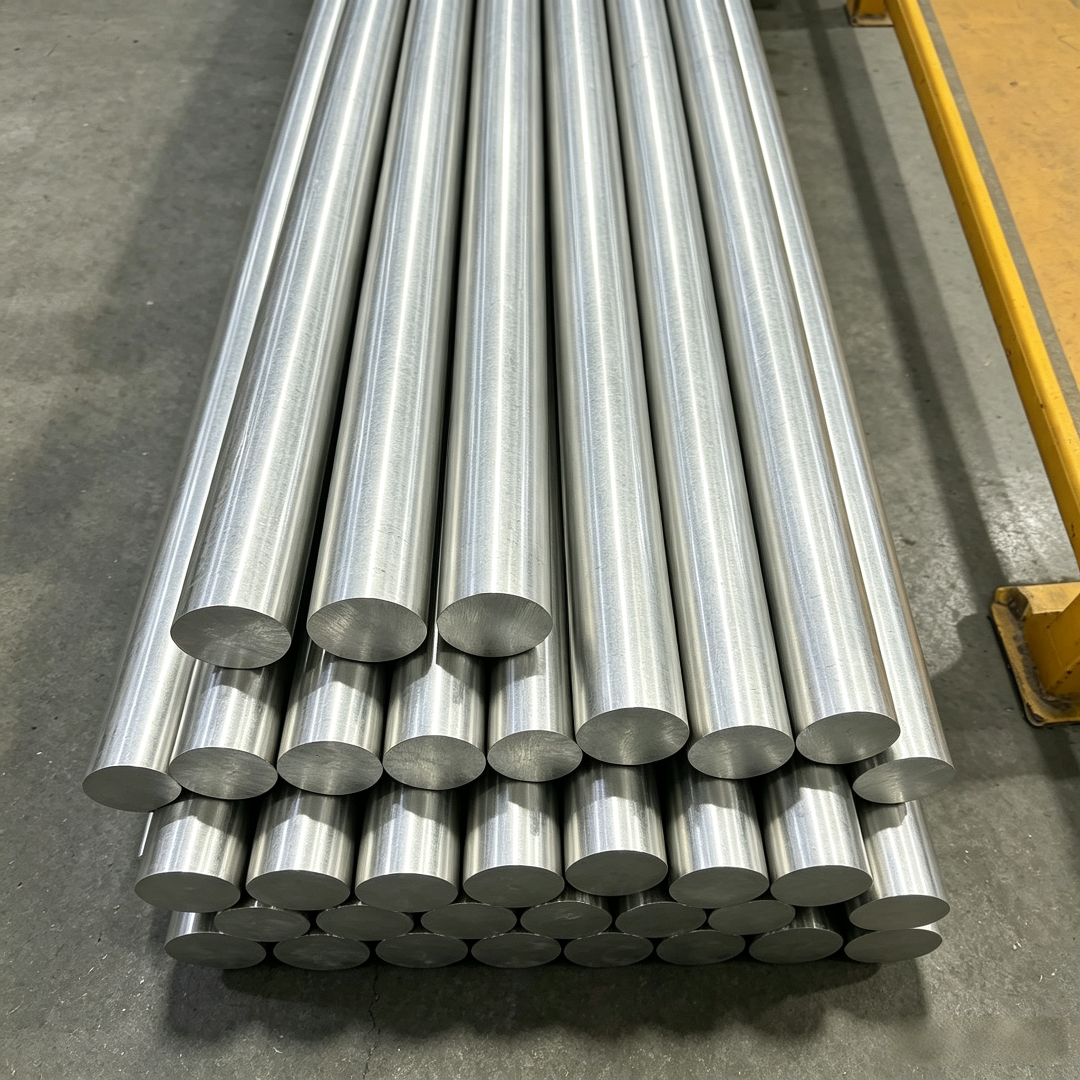
Qingchuan New Materials (Zhengzhou) Co., Ltd. stands as a global leader in the development and manufacturing of high-performance alloy materials, with particular expertise in the Mar-M247 alloy series. This specialized nickel-based superalloy has become indispensable across aerospace, automotive, and medical industries due to its exceptional high-temperature resistance and corrosion durability. Our comprehensive product range includes Mar-M247 cast ingots, forging blanks, casting blanks, master alloys, and precision plates, all produced under stringent quality controls in our Zhengzhou High-Tech Industrial Development Zone facility.
Understanding Mar-M247 Alloy Composition & Properties
The Mar-M247 alloy represents a pinnacle of materials engineering, combining nickel with strategic additions of cobalt, chromium, molybdenum, tungsten, aluminum, and titanium. This precise composition creates a gamma prime (γ’) strengthening phase that maintains stability up to 1,100°C (2,012°F), making it ideal for components exposed to extreme thermal cycles and oxidative environments. The alloy’s microstructure features uniformly distributed carbides that enhance creep resistance while maintaining sufficient ductility for complex forming operations.
Our manufacturing process begins with vacuum induction melting (VIM) of raw materials in controlled atmospheres, followed by electroslag remelting (ESR) to achieve superior homogeneity and purity levels. The resulting Mar-M247 cast ingots demonstrate consistent mechanical properties across batches, with tensile strengths exceeding 1,200 MPa at room temperature and retaining over 800 MPa at 800°C. This thermal stability enables components to maintain dimensional integrity during prolonged exposure to combustion gases in turbine engines.
Mar-M247 Product Range & Processing Capabilities
As a vertically integrated manufacturer, we offer complete solutions from raw material processing to finished component production. Our Mar-M247 product line includes:
- Cast Ingots: Available in weights from 50kg to 2,000kg, produced through precision investment casting techniques that minimize porosity and inclusion content
- Forging Blanks: Pre-formed billets optimized for closed-die forging operations, with grain flow aligned to component stress paths
- Casting Blanks: Near-net-shape components requiring minimal machining, produced through advanced directional solidification processes
- Master Alloys: Customized compositions for alloy modification and secondary processing applications
- Precision Plates: Thicknesses from 2mm to 100mm with surface finishes up to Ra 0.8μm for vacuum coating applications
Advanced Processing Technologies
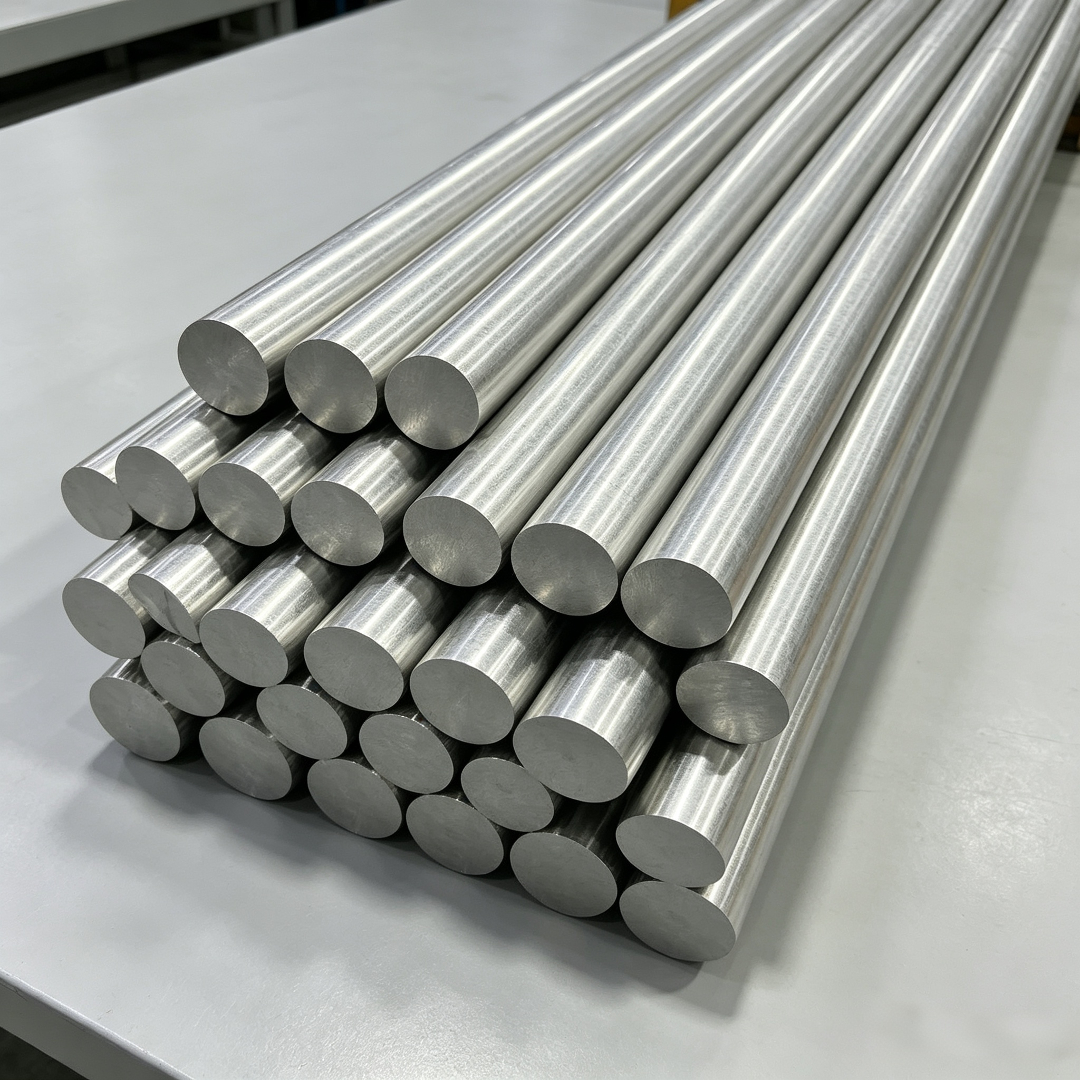
Our Zhengzhou facility houses state-of-the-art equipment including 5,000-ton hydraulic presses, 10-axis CNC machining centers, and vacuum arc remelting furnaces. The hot isostatic pressing (HIP) capabilities enable us to produce components with 99.99% theoretical density, eliminating micro-shrinkage porosity common in conventional casting processes. For medical implant applications, we employ electron beam melting (EBM) technology to create porous structures with controlled pore sizes from 200μm to 800μm, facilitating bone ingrowth while maintaining mechanical integrity.
The quality assurance system integrates spectral analysis, ultrasonic testing, and computed tomography (CT) scanning at every production stage. Our laboratory maintains ISO/IEC 17025 accreditation for chemical composition verification using inductively coupled plasma mass spectrometry (ICP-MS) with detection limits below 1ppm for trace elements. Mechanical testing follows ASTM E8, E21, and E139 standards, with full traceability from raw material batches to finished products.
| Parameter | Specification | Test Method |
|---|---|---|
| Nickel Content | Balance (min 58%) | ICP-MS |
| Tensile Strength @ RT | 1,250-1,450 MPa | ASTM E8 |
| Yield Strength @ 800°C | ≥820 MPa | ASTM E21 |
| Elongation @ RT | ≥15% | ASTM E8 |
| Oxidation Resistance | ≤2mg/cm² @ 1,000°C/24h | Custom Cyclic Test |
Industry-Specific Applications of Mar-M247 Alloy
The aerospace sector represents the largest consumer of Mar-M247 components, utilizing the alloy for turbine blades, combustor cans, and afterburner liners in both commercial and military aircraft engines. The material’s ability to withstand gas temperatures exceeding the melting point of its base metal through protective oxide layers makes it irreplaceable in modern propulsion systems. In GE Aviation’s LEAP engine program, Mar-M247 turbine blades demonstrate a 20% increase in thrust-to-weight ratio compared to previous-generation materials.
The automotive industry employs Mar-M247 for exhaust valves in high-performance engines, where temperatures can reach 950°C under full load conditions. The alloy’s thermal fatigue resistance enables valve lifespans exceeding 10,000 hours in turbocharged applications, while its low thermal expansion coefficient maintains precise valve timing across operating temperatures. Formula 1 teams have adopted Mar-M247 for exhaust manifold components, leveraging its 15% weight reduction compared to traditional nickel-based alloys without compromising durability.
Medical Device Innovations
In orthopedic implants, Mar-M247’s biocompatibility combined with its mechanical properties has enabled the development of next-generation hip and knee replacements. The alloy’s modulus of elasticity (210 GPa) closely matches human cortical bone (18-25 GPa), reducing stress shielding effects that can lead to implant loosening. Our electron beam melting process creates porous surfaces with interconnected pore networks that promote osseointegration, with clinical studies showing 98% bone-implant contact rates after 12 months.
The dental industry utilizes Mar-M247 for custom abutments and implant-supported prostheses, where the material’s corrosion resistance in oral environments (pH 5.5-7.8) prevents metallic ion release that could cause allergic reactions. Our precision casting capabilities produce components with surface roughness below Ra 0.4μm, minimizing bacterial adhesion while maintaining esthetic appearance through polished finishes.
FAQ
What makes Mar-M247 superior to other superalloys for high-temperature applications?
Mar-M247’s unique composition creates a stable gamma prime phase that maintains strength up to 1,100°C, while its carefully balanced carbide distribution prevents grain boundary weakening. The alloy’s oxidation resistance comes from chromium and aluminum forming protective oxide layers that regenerate during thermal cycling, unlike coatings that can spall under mechanical stress.
How does your production process ensure Mar-M247 component quality?
We implement triple melting (VIM-ESR-VAR) to achieve homogeneity, followed by HIP consolidation to eliminate micro-porosity. Each batch undergoes 100% ultrasonic testing and CT scanning, with mechanical properties verified through tensile, creep, and fatigue testing according to ASTM standards. Our quality system maintains ISO 9100:2016 and AS9120B certifications for aerospace applications.
Can Mar-M247 be used for additive manufacturing applications?
Yes, we supply Mar-M247 powder with particle sizes optimized for laser powder bed fusion (LPBF) and electron beam melting (EBM) processes. The spherical morphology and narrow size distribution ensure consistent layer deposition and minimal porosity. Our powder meets AMS 7004 specifications with oxygen content below 50ppm to prevent embrittlement during 3D printing.
What surface treatments are recommended for Mar-M247 components?
For aerospace applications, we recommend aluminide diffusion coatings or MCrAlY overlay coatings to enhance oxidation resistance beyond 1,150°C. Medical implants typically receive electropolishing to achieve Ra ≤0.2μm surface finishes, followed by passivation to remove free iron and improve corrosion resistance in body fluids. Automotive components often receive nitride or chromide coatings for wear resistance in exhaust environments.
Summary
Qingchuan New Materials’ Mar-M247 alloy series represents the benchmark for high-temperature performance in critical industrial applications. Our vertically integrated manufacturing capabilities, from raw material production to finished component machining, ensure consistent quality and traceability throughout the supply chain. With advanced processing technologies and comprehensive quality assurance systems, we deliver Mar-M247 products that meet the most demanding specifications in aerospace, automotive, and medical industries. Our commitment to continuous improvement in material science and processing techniques positions us as the preferred partner for companies seeking reliable, high-performance alloy solutions.