
Mar-M247 alloy stands as a cornerstone in high-temperature material technology, offering exceptional performance in extreme environments. As a professional enterprise specializing in high-purity metals and specialty alloys, Qingchuan New Materials (Zhengzhou) Co., Ltd. provides comprehensive solutions for Mar-M247 materials across various forms and applications. This guide delves into the characteristics, manufacturing processes, and industrial uses of Mar-M247 cast ingots, forging blanks, cast rough parts, master alloys, and plates.
Understanding Mar-M247 Alloy Composition
Mar-M247 is a nickel-based superalloy renowned for its excellent high-temperature strength, oxidation resistance, and thermal fatigue properties. The alloy typically contains significant amounts of cobalt, chromium, aluminum, and titanium, with precise compositions varying based on specific application requirements. This unique elemental combination enables Mar-M247 to maintain structural integrity at temperatures exceeding 1100°C (2012°F), making it ideal for demanding industrial environments.
The alloy’s microstructure features gamma prime (γ’) precipitates that provide exceptional creep resistance, while its chromium content ensures excellent oxidation and hot corrosion resistance. These characteristics make Mar-M247 particularly suitable for components exposed to extreme thermal cycling and corrosive atmospheres, such as turbine blades and combustion chambers in gas turbines.
Mar-M247 Cast Ingots: The Foundation of Quality
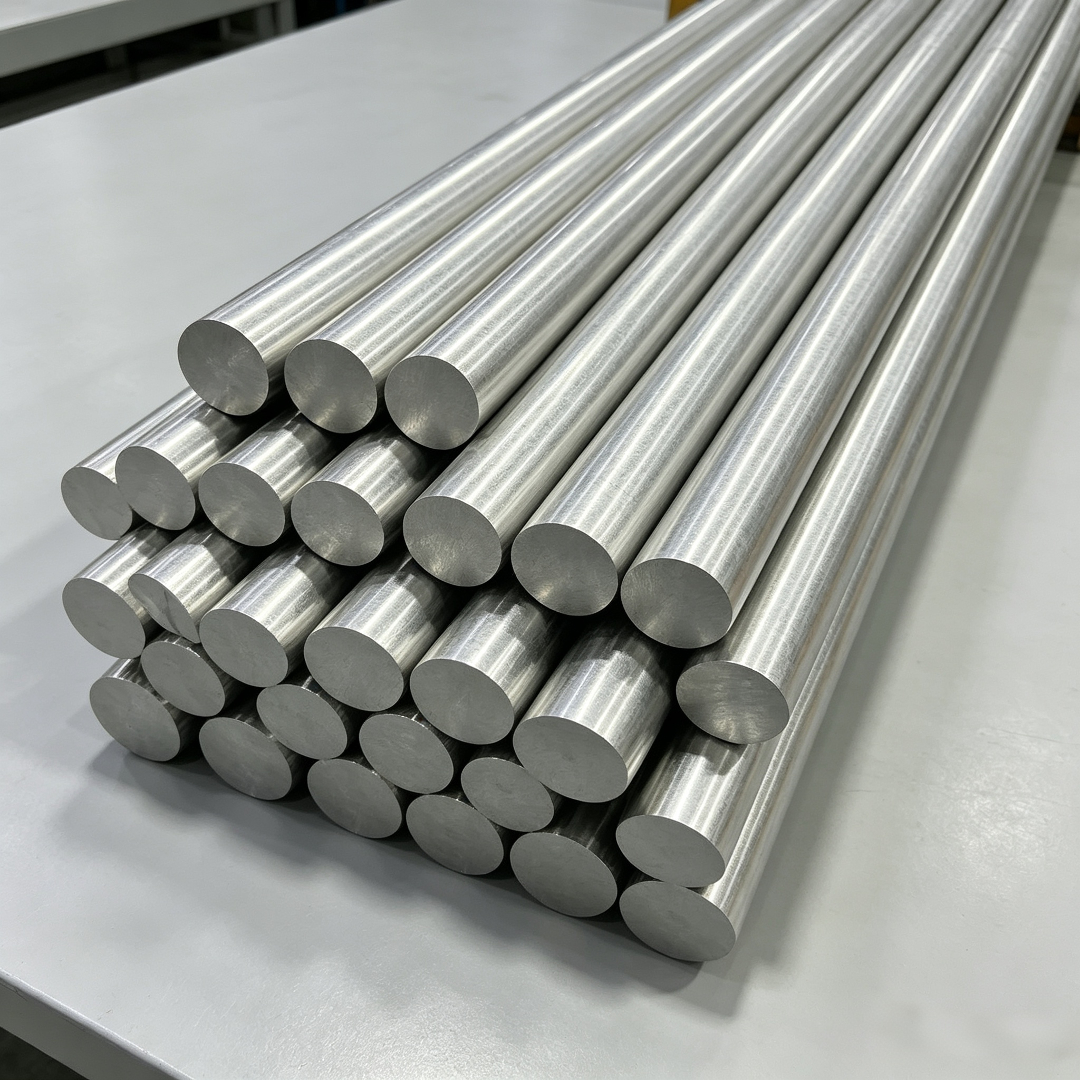
As a leading Mar-M247 cast ingots manufacturer, Qingchuan New Materials employs advanced vacuum induction melting (VIM) and vacuum arc remelting (VAR) processes to produce high-purity ingots. These processes effectively remove impurities and ensure uniform element distribution throughout the material, critical for maintaining consistent mechanical properties in final components.
The production of Mar-M247 cast ingots involves precise control of melting parameters, including temperature, holding time, and cooling rates. Our state-of-the-art facilities enable us to produce ingots ranging from small research batches to large industrial quantities, all meeting stringent international standards such as AMS 5838 and AMS 5382.
Quality assurance begins with raw material selection, where we source only the highest-grade elements and master alloys. Throughout the melting process, continuous spectral analysis ensures composition accuracy, while ultrasonic testing detects any internal defects. The result is Mar-M247 cast ingots with exceptional cleanliness and homogeneity, ready for further processing into various product forms.
Mar-M247 Forging Blanks: Precision for Demanding Applications
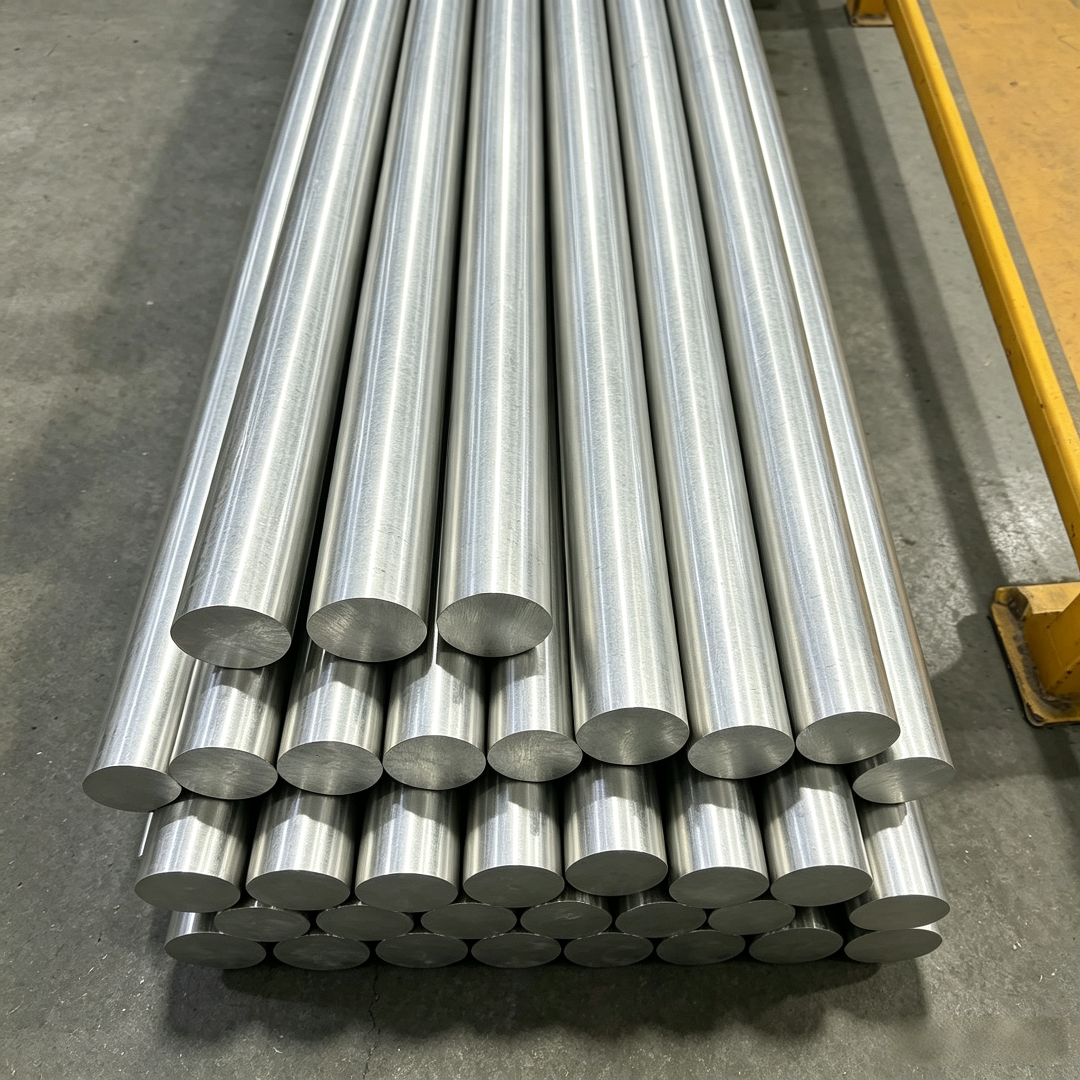
Transforming Mar-M247 cast ingots into forging blanks represents a critical step in preparing the material for high-performance components. Our forging process employs isothermal forging techniques that maintain the material at optimal temperatures throughout deformation, preserving its microstructural integrity and mechanical properties.
The production of Mar-M247 forging blanks involves several key stages:
- Preheating: Ingots are carefully heated to forging temperature in a controlled atmosphere furnace
- Upsetting: Initial deformation increases the cross-sectional area for subsequent forging operations
- Die forging: Precision dies shape the material into near-net dimensions with minimal subsequent machining
- Heat treatment: Solution annealing and aging treatments optimize the material’s microstructure and properties
Our Mar-M247 forging blanks demonstrate superior grain flow and reduced anisotropy compared to conventionally forged materials. This improved microstructural uniformity translates to enhanced fatigue resistance and better performance in applications with complex stress states, such as turbine disks and compressor wheels.
Quality Control for Forging Blanks
Each batch of Mar-M247 forging blanks undergoes rigorous quality inspection, including:
- Dimensional verification using CMM (Coordinate Measuring Machine) systems
- Ultrasonic testing to detect internal defects
- Microstructural examination via optical and scanning electron microscopy
- Mechanical property testing including tensile, impact, and fatigue analysis
This comprehensive quality assurance program ensures that our Mar-M247 forging blanks consistently meet the most demanding specifications for aviation, aerospace, and industrial gas turbine applications.
Mar-M247 Cast Rough Parts: From Molten Metal to Near-Net Shapes
Investment casting using Mar-M247 master alloys enables the production of complex components with minimal subsequent machining. This process, also known as lost-wax casting, offers distinct advantages for high-temperature alloy components:
| Casting Advantage | Description |
|---|---|
| Design Freedom | Enables production of complex internal geometries impossible with machining |
| Material Efficiency | Near-net shape production reduces material waste compared to forging |
| Surface Finish | Produces components with excellent surface quality, reducing finishing requirements |
| Thermal Properties | Fine-grained microstructure maintains properties through thermal cycling |
The production of Mar-M247 cast rough parts begins with the creation of precise wax patterns that replicate the final component geometry. These patterns are then coated with multiple layers of ceramic material to form the mold shell. After dewaxing, the shell is fired to achieve optimal strength before Mar-M247 molten metal is poured into the cavity.
Our casting facilities employ directional solidification techniques that control the cooling rate and direction, producing columnar grain structures that enhance creep resistance in high-temperature applications. This process is particularly beneficial for turbine blades and vanes, where directional properties improve performance under centrifugal loads and thermal gradients.
Mar-M247 Master Alloys: The Building Blocks of Quality
Master alloys play a crucial role in maintaining consistent composition during the production of Mar-M247 materials. These pre-alloyed mixtures contain precise proportions of alloying elements, enabling more accurate control over final material properties compared to adding individual elements during melting.
Our Mar-M247 master alloys are produced using advanced powder metallurgy techniques that ensure:
- Homogeneous element distribution
- Minimal segregation during solidification
- Reduced oxidation of reactive elements
- Consistent batch-to-batch properties
The use of Mar-M247 master alloys offers several advantages in alloy production:
- Improved process control: Reduces variability in final composition
- Enhanced material properties: Ensures optimal microstructure development
- Increased yield: Minimizes scrap from composition deviations
- Cost efficiency: Reduces the need for extensive chemical analysis and adjustments
For customers requiring custom compositions, our R&D team works closely to develop tailored Mar-M247 master alloys that meet specific application requirements. This collaborative approach ensures that even specialized formulations maintain the alloy’s fundamental high-temperature performance characteristics.
Mar-M247 Plates: Versatile Solutions for High-Temperature Applications
Mar-M247 plates represent a versatile product form with applications across multiple industries. Produced through either hot rolling or forging processes, these plates offer excellent mechanical properties combined with good formability for subsequent fabrication operations.
The production of Mar-M247 plates involves several specialized steps:
- Preheating: Ingots or slabs are heated to forging or rolling temperature in a controlled atmosphere
- Deformation: Hot rolling or forging reduces thickness while improving microstructure
- Heat treatment: Solution annealing and aging optimize properties for final application
- Surface finishing: Grinding or polishing achieves required surface quality
Our Mar-M247 plates demonstrate excellent resistance to oxidation and hot corrosion, making them ideal for:
- Combustor liners in gas turbines
- Transition ducts in industrial furnaces
- Heat shields in aerospace applications
- Molds for investment casting of superalloy components
The plates’ uniform microstructure ensures consistent performance across their entire surface area, critical for components exposed to uneven thermal loads. Additionally, our production processes minimize residual stresses, reducing the risk of distortion during subsequent fabrication or service.
FAQ
What are the primary applications for Mar-M247 cast ingots?
Mar-M247 cast ingots serve as raw material for producing various high-temperature components, including turbine blades, combustion chambers, and industrial furnace parts. Their high purity and consistent composition make them ideal for applications requiring excellent creep resistance and thermal fatigue properties at temperatures exceeding 1100°C.
How does Qingchuan ensure the quality of Mar-M247 forging blanks?
We implement a comprehensive quality control system that includes ultrasonic testing, microstructural examination, and mechanical property verification for each batch. Our isothermal forging process maintains optimal temperatures throughout deformation, preserving the material’s microstructural integrity and ensuring consistent performance in final components.
What advantages do Mar-M247 cast rough parts offer over machined components?
Investment casting using Mar-M247 enables production of complex geometries with minimal machining, reducing material waste and manufacturing costs. The process also produces components with excellent surface finish and fine-grained microstructures that enhance high-temperature performance, particularly in applications with internal cooling passages.
Why are master alloys important in Mar-M247 production?
Master alloys ensure precise control over composition during melting, reducing variability and improving final material properties. Our Mar-M247 master alloys, produced through advanced powder metallurgy techniques, provide homogeneous element distribution and minimize segregation, resulting in more consistent batch-to-batch performance.
What industries benefit most from Mar-M247 plates?
Mar-M-247 plates find applications in aerospace, power generation, and industrial processing industries. Key uses include combustor liners in gas turbines, transition ducts in industrial furnaces, heat shields in aerospace applications, and molds for investment casting of superalloy components requiring excellent oxidation resistance at high temperatures.
Summary
Mar-M247 alloy materials represent the pinnacle of high-temperature performance, offering exceptional strength, oxidation resistance, and thermal fatigue properties. From cast ingots and forging blanks to cast rough parts, master alloys, and plates, each product form serves specific industrial needs while maintaining the alloy’s fundamental characteristics.
As a leading Mar-M247 supplier, Qingchuan New Materials combines advanced manufacturing processes with rigorous quality control to deliver materials that meet the most demanding specifications. Our comprehensive approach ensures that customers receive products with consistent composition, optimal microstructure, and reliable performance in extreme environments.
Whether for aviation turbine components, industrial gas turbine parts, or specialized high-temperature applications, Mar-M247 materials from Qingchuan provide the foundation for innovative solutions that push the boundaries of what’s possible in extreme temperature engineering.