
In modern industrial manufacturing, the demand for high-performance specialty alloys continues to grow across various sectors. Among these advanced materials, NiCr8020 alloy stands out as a critical component for applications requiring exceptional heat resistance, corrosion protection, and mechanical strength. As a professional manufacturer of specialty alloys and high-purity materials, Qingchuan New Materials (Zhengzhou) Co., Ltd. has established itself as a reliable supplier of NiCr8020 in multiple forms, including wire, sheet, strip, and round bar configurations.
Understanding NiCr8020 Alloy Composition and Properties
NiCr8020 belongs to the nickel-chromium alloy family, containing approximately 80% nickel and 20% chromium by weight. This specific composition provides an optimal balance of properties that make it suitable for demanding industrial applications. The alloy demonstrates excellent oxidation resistance at elevated temperatures, maintaining its structural integrity in environments exceeding 1000°C (1832°F). This thermal stability makes NiCr8020 particularly valuable in high-temperature processing equipment and thermal spray coatings.
The chromium content contributes significantly to the alloy’s corrosion resistance properties. Chromium forms a protective oxide layer on the surface when exposed to oxygen, preventing further oxidation and corrosion. This passive layer makes NiCr8020 suitable for applications involving exposure to corrosive gases, liquids, or salt-laden environments. The alloy’s resistance to both oxidizing and reducing conditions expands its potential applications across various chemical processing industries.
From a mechanical perspective, NiCr8020 maintains good strength and ductility even at high temperatures. This combination of properties allows for easier forming and machining compared to some other high-temperature alloys. The alloy’s workability enables manufacturers to produce complex shapes and components while maintaining the material’s beneficial properties. This characteristic is particularly valuable in precision casting applications where intricate geometries are required.
Manufacturing Capabilities for NiCr8020 Products
Qingchuan New Materials operates from a modern standard workshop located in Zhengzhou High-Tech Industrial Development Zone, equipped with state-of-the-art production lines specifically designed for specialty alloy manufacturing. Our production facilities enable us to produce NiCr8020 in various forms to meet diverse customer requirements:
- NiCr8020 Wire: Produced in diameters ranging from 0.05mm to 12mm, our nickel-chromium wire demonstrates consistent electrical properties and excellent formability for spring applications, heating elements, and wire mesh production.
- NiCr8020 Sheet: Available in thicknesses from 0.1mm to 6mm, our alloy sheets provide uniform thickness and surface finish, suitable for vacuum coating targets, semiconductor packaging substrates, and precision component fabrication.
- NiCr8020 Strip: Manufactured in widths up to 300mm with precise thickness control, our alloy strips serve as ideal materials for transformer windings, flexible heating elements, and various electronic applications.
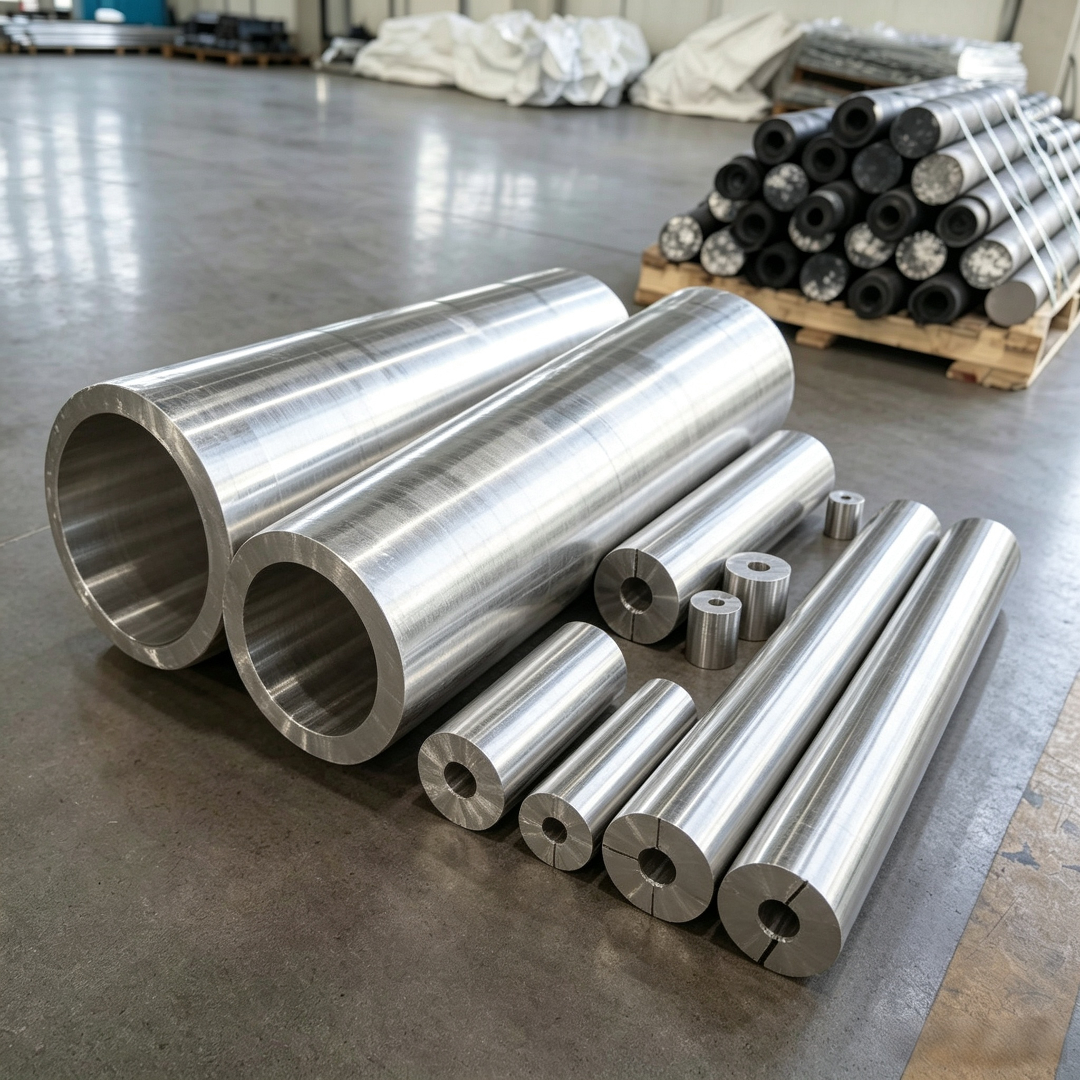
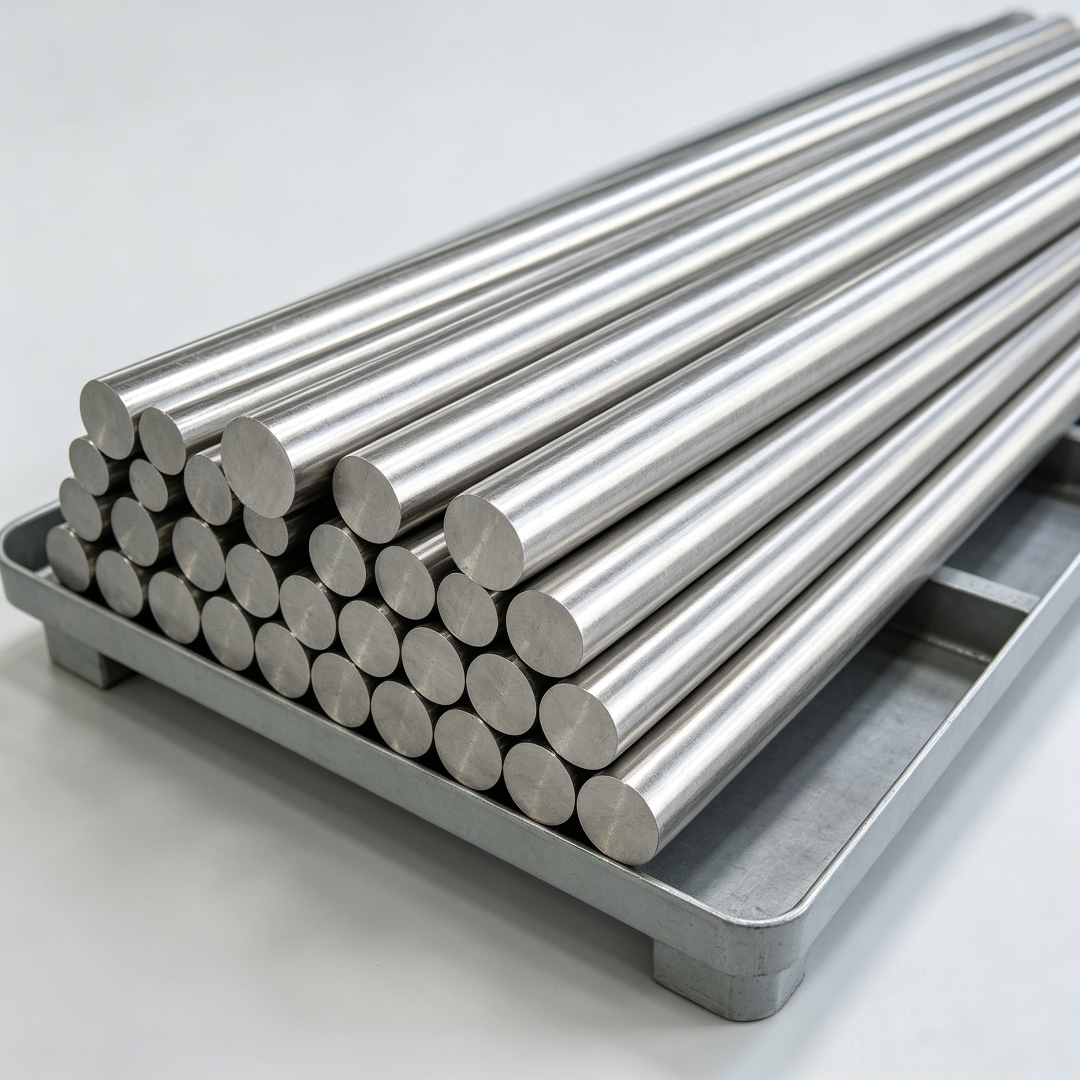
- NiCr8020 Round Bar: Produced in diameters from 3mm to 200mm, our round bars offer excellent machinability and consistent mechanical properties for valve components, shafts, and other mechanical parts.
Quality Control and Testing Procedures
Our commitment to quality extends beyond production capabilities. Qingchuan New Materials maintains comprehensive analytical and testing facilities to ensure all NiCr8020 products meet stringent international standards. Our quality control processes include:
Chemical Composition Analysis: Using advanced spectroscopy techniques, we verify that each batch of NiCr8020 maintains the specified nickel-chromium ratio within tight tolerances. This ensures consistent performance across all product forms.
Mechanical Property Testing: Our testing laboratories perform tensile strength, elongation, and hardness tests on representative samples from each production run. These tests confirm that the material meets or exceeds the required mechanical specifications for its intended application.
Microstructural Examination: Through metallographic analysis, we examine the grain structure and phase composition of NiCr8020. This microscopic inspection helps identify any potential issues that could affect the material’s performance in service.
Non-Destructive Testing: For critical applications, we employ ultrasonic testing and other non-destructive methods to detect any internal defects that might compromise component reliability. This step is particularly important for safety-critical applications in aerospace and medical industries.
Key Applications of NiCr8020 Alloy Materials
The unique combination of properties makes NiCr8020 suitable for a wide range of industrial applications across multiple sectors. Understanding these applications helps manufacturers and engineers select the appropriate material form and processing methods for their specific needs.
1. Aerospace and Aviation Components
In the aerospace industry, NiCr80220 finds extensive use in manufacturing components that must withstand extreme temperatures and corrosive environments. Typical applications include combustion chamber liners, turbine blades, and exhaust system components. The alloy’s ability to maintain strength at high temperatures while resisting oxidation makes it ideal for these demanding applications. Precision casting techniques using NiCr8020 enable the production of complex geometries required for modern aircraft engines.
2. Medical Device Manufacturing
The biocompatibility of nickel-chromium alloys, combined with their excellent corrosion resistance, makes NiCr8020 valuable in medical device production. Artificial joints, dental implants, and surgical instruments often incorporate this alloy to ensure long-term performance in the human body. The material’s ability to withstand sterilization processes without degradation is particularly important in medical applications. Precision casting and machining capabilities allow for the production of implants with precise dimensions and surface finishes required for optimal biological integration.
| Medical Application | NiCr8020 Advantage |
|---|---|
| Hip Implants | Corrosion resistance in body fluids, fatigue strength |
| Dental Implants | Biocompatibility, osseointegration properties |
| Surgical Instruments | Resistance to sterilization methods, durability |
3. Metal Powder 3D Printing
The additive manufacturing revolution has created new opportunities for NiCr8020 applications. As a powder metallurgy product, NiCr8020 powder serves as feedstock for selective laser melting (SLM) and electron beam melting (EBM) processes. These 3D printing techniques enable the production of complex geometries that would be difficult or impossible to achieve through traditional manufacturing methods. Aerospace components, medical implants, and custom tooling frequently utilize NiCr8020 powder for its combination of printability and material properties. The ability to produce near-net-shape components reduces material waste and manufacturing lead times.
4. Vacuum Coating and Sputtering Targets
In the electronics industry, NiCr8020 plays a crucial role in vacuum coating processes. The alloy’s consistent composition and purity make it ideal for manufacturing sputtering targets used in thin-film deposition. These targets enable the production of conductive layers, reflective coatings, and barrier layers on various substrates. The alloy’s resistance to sputtering erosion ensures long target life and consistent coating quality. Applications include semiconductor packaging, display technologies, and optical coatings where precise control over layer thickness and composition is essential.
5. Industrial Tooling Applications
NiCr8020 serves as an effective import substitution material for various industrial tools, including taps, drills, and cutting inserts. The alloy’s combination of hardness, toughness, and wear resistance makes it suitable for machining operations involving difficult-to-cut materials. By using NiCr8020-based tooling, manufacturers can achieve longer tool life and improved productivity compared to conventional tool steels. This application demonstrates the alloy’s versatility beyond high-temperature environments, showcasing its value in general industrial manufacturing processes.
FAQ
What are the primary differences between NiCr8020 wire and sheet products?
NiCr8020 wire and sheet differ primarily in their dimensions and typical applications. Wire products typically range from 0.05mm to 12mm in diameter and are used for heating elements, springs, and wire mesh applications where flexibility and formability are important. Sheet products, available in thicknesses from 0.1mm to 6mm, are better suited for flat components requiring precise thickness control, such as vacuum coating targets, semiconductor packaging substrates, and precision-stamped parts. Both forms maintain identical chemical composition and material properties but are processed differently to achieve their specific geometries.
How does NiCr8020 compare to other nickel-chromium alloys in high-temperature applications?
NiCr8020 offers an excellent balance of properties for many high-temperature applications compared to other nickel-chromium alloys. Its 80/20 nickel-chromium ratio provides optimal oxidation resistance up to approximately 1100°C (2012°F), making it suitable for many industrial heating applications. Some alloys with higher chromium content may offer slightly better oxidation resistance at temperatures exceeding 1200°C, but NiCr8020 provides better formability and weldability. For applications requiring even higher temperature performance, nickel-based superalloys containing additional elements like aluminum, titanium, or cobalt might be more appropriate, though at significantly higher cost.
What surface treatments are recommended for NiCr8020 components used in corrosive environments?
For NiCr8020 components operating in particularly corrosive environments, several surface treatment options can enhance performance. Passivation treatments can improve the natural oxide layer that forms on the surface, providing additional protection against corrosion. For applications involving mechanical wear in addition to corrosion, physical vapor deposition (PVD) or chemical vapor deposition (CVD) coatings can be applied to create hard, corrosion-resistant surface layers. Electropolishing is another option that can improve surface finish while removing potential corrosion initiation sites. The choice of surface treatment depends on the specific operating conditions and performance requirements of the component.
How does Qingchuan New Materials ensure consistent quality across different production batches of NiCr8020?
At Qingchuan New Materials, we implement rigorous quality control measures throughout our manufacturing process to ensure batch-to-batch consistency. Our quality system begins with careful selection of raw materials from certified suppliers. During production, we employ real-time monitoring of key process parameters to maintain control over the melting, casting, and forming operations. Each batch undergoes comprehensive testing, including chemical composition analysis, mechanical property testing, and microstructural examination. We maintain detailed records of all testing results and can provide certification documents with each shipment. Our quality management system is certified to ISO 9001 standards, demonstrating our commitment to consistent product quality.
What considerations should be made when selecting NiCr8020 for medical device applications?
When selecting NiCr8020 for medical device applications, several critical factors must be considered. First, the material must meet relevant biocompatibility standards for the intended application, such as ISO 10993 for medical devices. The manufacturing process should be validated to ensure cleanliness and freedom from contaminants that could affect biological response. Surface finish requirements are particularly stringent for implants to promote osseointegration and reduce infection risk. For reusable medical instruments, the material must withstand repeated sterilization cycles without degradation. Qingchuan New Materials works closely with medical device manufacturers to provide material certification and processing recommendations specific to their regulatory requirements.
Summary
NiCr8020 alloy materials from Qingchuan New Materials represent a versatile solution for industrial applications requiring a balance of heat resistance, corrosion protection, and mechanical strength. As a professional manufacturer with advanced production capabilities, we supply NiCr8020 in wire, sheet, strip, and round bar forms to meet diverse customer needs across aerospace, medical, electronics, and general industrial sectors. Our commitment to quality assurance through comprehensive testing and certification ensures that customers receive material that consistently meets international standards for their critical applications. Whether for precision casting, medical device manufacturing, additive manufacturing, or vacuum coating processes, NiCr8020 provides reliable performance characteristics that help manufacturers achieve their production goals while maintaining competitive advantage in their respective markets.