
Mar-M247 stands as one of the most advanced superalloy materials developed for high-temperature applications requiring exceptional strength and corrosion resistance. As a nickel-based superalloy, Mar-M247 has become indispensable in industries where components must withstand extreme operating conditions while maintaining structural integrity. This comprehensive guide explores the material properties, manufacturing processes, and diverse applications of Mar-M247 across aerospace, gas turbines, automotive, and marine sectors.
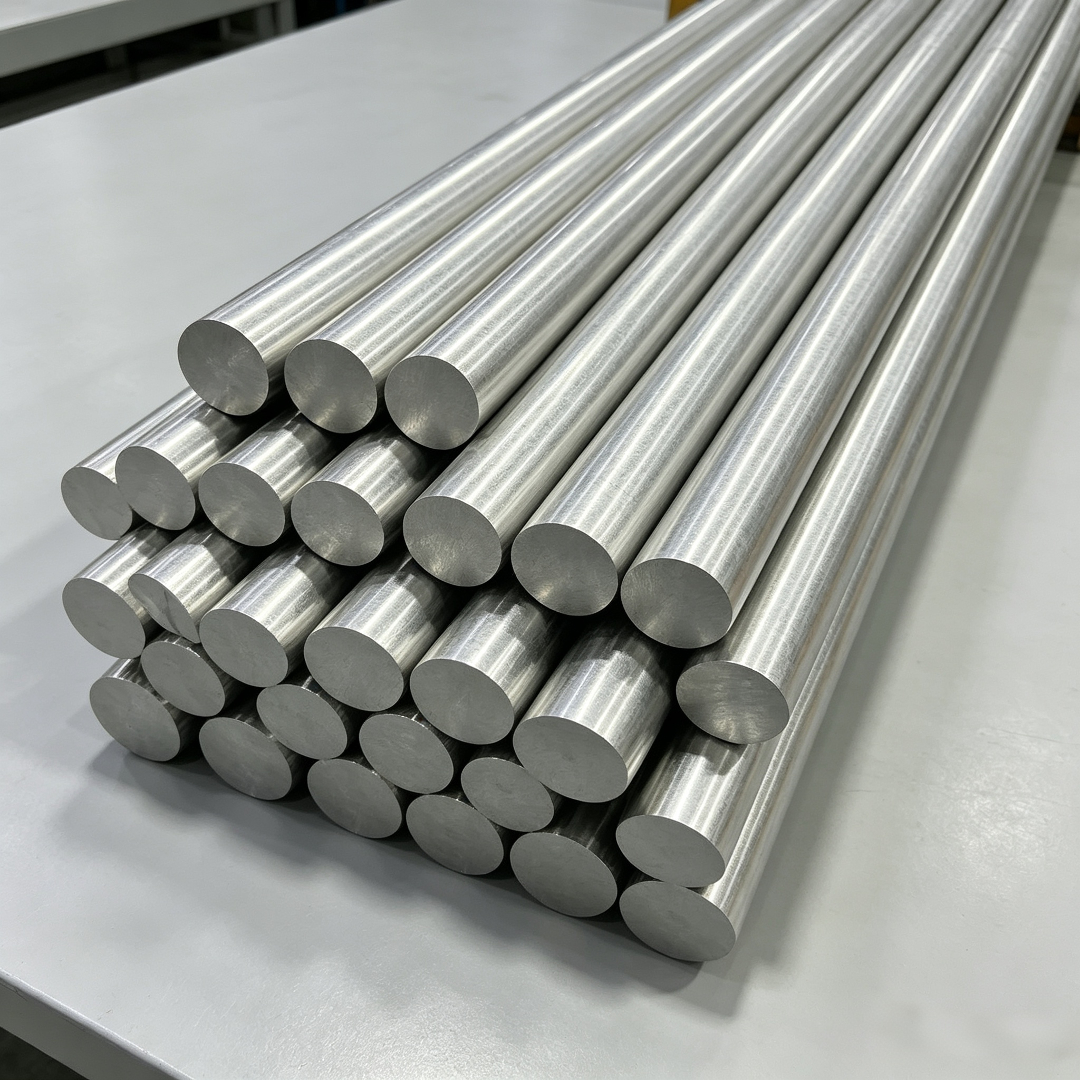
Understanding Mar-M247 Material Composition
The exceptional performance of Mar-M247 stems from its precise chemical composition engineered for optimal high-temperature behavior. This nickel-based superalloy contains significant amounts of chromium, cobalt, molybdenum, tungsten, aluminum, and titanium, with carefully controlled trace elements to enhance specific properties. The gamma prime (γ’) phase precipitation strengthening mechanism provides Mar-M247 with its remarkable strength at elevated temperatures, while the chromium content ensures excellent oxidation and hot corrosion resistance.
Mar-M247 exists in multiple forms to suit different manufacturing requirements: cast ingots serve as raw material for various processing routes; forging blanks provide the starting point for shaped components; casting blanks enable complex geometries through precision casting; master alloys ensure consistent composition during alloy production; and plates offer ready-to-use material for specific applications. Each form maintains the core material properties while facilitating different manufacturing approaches.
Manufacturing Processes for Mar-M247 Components
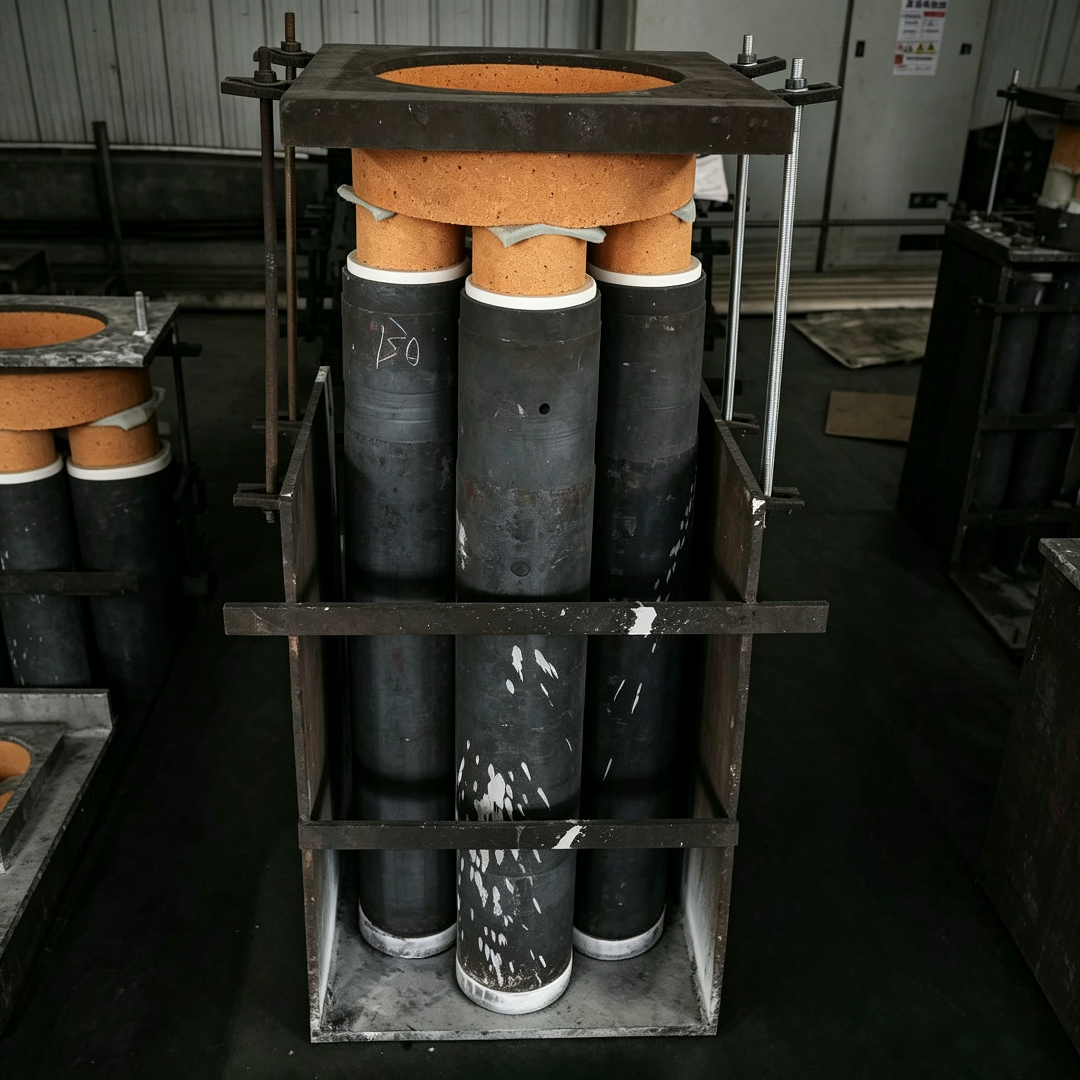
The production of Mar-M247 components involves sophisticated processes tailored to the material’s characteristics and final application requirements. Vacuum induction melting (VIM) followed by vacuum arc remelting (VAR) produces high-integrity cast ingots with minimal impurities. For forging blanks, hot working operations must be carefully controlled to maintain the material’s microstructure while achieving the desired shape and mechanical properties.
Precision casting of Mar-M247 components requires specialized techniques to handle the material’s high melting point and reactivity. Investment casting with ceramic shells and controlled solidification rates produces near-net-shape components with excellent dimensional accuracy. The casting process must account for the material’s shrinkage characteristics and potential for hot tearing during solidification.
Quality Control in Mar-M247 Production
Maintaining the highest quality standards throughout Mar-M247 production requires comprehensive analytical and testing capabilities. Advanced techniques such as optical emission spectroscopy (OES) verify chemical composition, while ultrasonic testing detects internal defects in castings and forgings. Mechanical testing at various temperatures confirms the material meets specified strength, ductility, and fatigue resistance requirements.
Microstructural analysis using scanning electron microscopy (SEM) and energy-dispersive X-ray spectroscopy (EDX) ensures proper phase distribution and identifies any undesirable precipitates. Heat treatment processes must be precisely controlled to achieve the optimal balance of strength and ductility without compromising the material’s corrosion resistance.
- Key quality parameters for Mar-M247 materials:
- Chemical composition within ±0.05% of specified values
- Grain size control (ASTM E112)
- Gamma prime phase distribution and size
- Tensile strength at room and elevated temperatures
- Creep rupture strength at operating temperatures
- Low-cycle fatigue resistance
- Oxidation resistance (weight change measurement)
- Hot corrosion resistance (salt spray testing)
Applications of Mar-M247 in Aerospace Industry
The aerospace sector represents one of the most demanding applications for Mar-M247 materials, where components must withstand extreme temperatures, mechanical stresses, and corrosive environments. Gas turbine engine hot section components such as turbine blades, vanes, and combustor cans frequently utilize Mar-M247 for its exceptional high-temperature strength and oxidation resistance. The material’s ability to maintain structural integrity at temperatures exceeding 1100°C makes it ideal for these critical applications.
Aircraft engine manufacturers select Mar-M247 for components where performance and reliability are non-negotiable. The material’s resistance to thermal fatigue and creep deformation ensures long service life even under cyclic loading conditions. Precision casting of Mar-M247 turbine blades with complex cooling passages demonstrates the material’s processability while maintaining its superior mechanical properties.
| Aerospace Application | Mar-M247 Advantage | Operating Temperature |
|---|---|---|
| Turbine blades | High creep strength, oxidation resistance | 1100-1150°C |
| Combustor cans | Thermal shock resistance, hot corrosion resistance | 950-1050°C |
| Turbine vanes | High-temperature strength, fatigue resistance | 1050-1100°C |
| Afterburner liners | Oxidation resistance, thermal stability | 850-950°C |
Mar-M247 in Industrial Gas Turbines
Industrial gas turbines for power generation and mechanical drive applications also benefit significantly from Mar-M247’s superior properties. These turbines operate under continuous high-temperature conditions, making material selection critical for reliability and efficiency. Mar-M247’s resistance to creep deformation at elevated temperatures ensures stable performance over extended service intervals, reducing maintenance requirements and operating costs.
The material’s hot corrosion resistance proves particularly valuable in industrial gas turbines operating in environments with contaminants that can accelerate degradation. This characteristic extends component service life even when burning lower-quality fuels or operating in marine atmospheres with high salt content. Precision casting of Mar-M247 components allows for complex geometries that optimize cooling efficiency and aerodynamic performance.
Automotive Applications of Mar-M247 Materials
While less common than in aerospace or industrial applications, Mar-M247 finds specialized uses in the automotive sector, particularly in high-performance and racing engines. Turbocharger components such as turbine wheels and housings benefit from the material’s ability to withstand exhaust gas temperatures that exceed the capabilities of standard materials. The weight savings achieved through Mar-M247’s high strength-to-weight ratio contribute to improved engine efficiency and performance.
Research and development efforts continue to explore additional automotive applications for Mar-M247, including exhaust valves and other hot-end components. As automotive manufacturers push for greater efficiency and performance from internal combustion engines, the material’s properties make it an attractive candidate for future engine designs.
Mar-M247 in Marine Applications
The marine industry presents unique challenges for material selection, with components exposed to corrosive saltwater environments in addition to high operating temperatures. Mar-M247’s combination of high-temperature strength and excellent corrosion resistance makes it suitable for certain marine applications, particularly in gas turbines used for ship propulsion and power generation.
Marine gas turbine components fabricated from Mar-M247 demonstrate superior performance in harsh operating conditions compared to conventional materials. The material’s resistance to pitting and stress corrosion cracking in saltwater environments ensures reliable operation with reduced maintenance requirements, which is particularly valuable for naval applications where component reliability is critical.
FAQ
What makes Mar-M247 suitable for high-temperature applications?
Mar-M247’s suitability for high-temperature applications stems from its nickel-based composition with significant additions of chromium, cobalt, and other alloying elements. The gamma prime (γ’) phase precipitation strengthening mechanism provides exceptional strength at elevated temperatures, while the chromium content ensures excellent oxidation and hot corrosion resistance. These properties allow Mar-M247 components to maintain structural integrity and performance in temperatures exceeding 1100°C.
How does Mar-M247 compare to other superalloys for aerospace use?
Compared to other superalloys, Mar-M247 offers superior high-temperature strength and creep resistance, making it particularly suitable for the most demanding aerospace applications like turbine blades and combustor cans. While other alloys may offer better weldability or lower cost, Mar-M247’s combination of properties justifies its use in critical components where performance cannot be compromised. The material’s excellent thermal fatigue resistance also contributes to its preference in cyclic loading applications.
What manufacturing processes are used for Mar-M247 components?
Mar-M247 components are manufactured using several specialized processes depending on the component type and application requirements. Precision investment casting is commonly used for complex geometries like turbine blades, while forging produces blanks for components that require additional machining. Vacuum induction melting (VIM) followed by vacuum arc remelting (VAR) ensures high-purity ingots with minimal impurities. Heat treatment processes are carefully controlled to optimize the material’s microstructure for specific mechanical properties.
How is quality controlled in Mar-M247 production?
Quality control in Mar-M247 production involves comprehensive testing throughout the manufacturing process. Chemical composition is verified using optical emission spectroscopy (OES), while ultrasonic testing detects internal defects in castings and forgings. Mechanical testing at various temperatures confirms the material meets specified strength and ductility requirements. Microstructural analysis ensures proper phase distribution, and heat treatment processes are precisely controlled to achieve the optimal balance of properties without compromising corrosion resistance.
What are the main applications of Mar-M247 in the aerospace industry?
In the aerospace industry, Mar-M247 finds primary application in gas turbine engine hot section components due to its exceptional high-temperature properties. Key applications include turbine blades and vanes, combustor cans, afterburner liners, and turbine shrouds. These components must withstand extreme temperatures, mechanical stresses, and corrosive environments, making Mar-M247’s combination of strength, creep resistance, and oxidation resistance ideal. The material’s processability allows for complex cooling passages in precision-cast components, further enhancing performance.
Summary
Mar-M247 materials represent the pinnacle of superalloy technology for high-temperature applications requiring exceptional strength and corrosion resistance. From cast ingots to precision-cast components, Mar-M247 exists in multiple forms to suit various manufacturing requirements across aerospace, gas turbines, automotive, and marine industries. The material’s unique combination of properties—derived from its precise chemical composition and specialized manufacturing processes—makes it indispensable for critical components operating in extreme environments.
As industries continue to push the boundaries of performance and efficiency, Mar-M247’s role will likely expand into new applications where conventional materials cannot meet the demanding requirements. Manufacturers like Qingchuan New Materials (Zhengzhou) Co., Ltd. play a crucial role in advancing Mar-M247 technology through continuous research, precise manufacturing, and rigorous quality control, ensuring this exceptional material continues to enable technological progress across multiple high-performance sectors.