
In the realm of advanced materials engineering, Inconel713C stands as a cornerstone alloy for demanding applications across aerospace, medical, and industrial sectors. As a professional manufacturer of high-purity metals and specialty alloys, Qingchuan New Materials (Zhengzhou) Co., Ltd. has established itself as a leading supplier of comprehensive Inconel713C solutions, including round bars, ingots, forging blanks, and master alloys. This article provides an in-depth analysis of Inconel713C alloy materials, covering their composition, manufacturing processes, applications, and quality assurance measures.
Understanding Inconel713C Alloy Composition
Inconel713C belongs to the nickel-based superalloy family, specifically designed for high-temperature applications requiring exceptional strength and corrosion resistance. The alloy’s composition typically includes: 52-56% nickel (Ni), 19-22% chromium (Cr), 9-11% cobalt (Co), 2.5-3.5% molybdenum (Mo), 1.5-2.5% titanium (Ti), 0.5-1.5% aluminum (Al), with trace amounts of carbon (C), boron (B), and zirconium (Zr). This precise chemical balance creates a gamma prime (γ’) precipitate-strengthened microstructure that maintains its properties at temperatures exceeding 800°C (1472°F).
The nickel base provides excellent oxidation resistance, while chromium enhances corrosion protection in harsh environments. Cobalt improves hot corrosion resistance, particularly in marine and industrial settings. Molybdenum contributes to pitting and crevice corrosion resistance, while titanium and aluminum form the strengthening γ’ phase through controlled precipitation hardening. This combination makes Inconel713C ideal for components exposed to extreme temperatures and corrosive conditions.
Manufacturing Processes for Inconel713C Products
Qingchuan New Materials employs advanced production techniques to ensure the highest quality standards for all Inconel713C products. The manufacturing journey begins with vacuum induction melting (VIM) to produce the master alloy, followed by vacuum arc remelting (VAR) for further purification and homogenization. This double vacuum melting process eliminates impurities and ensures uniform chemical composition throughout the material.
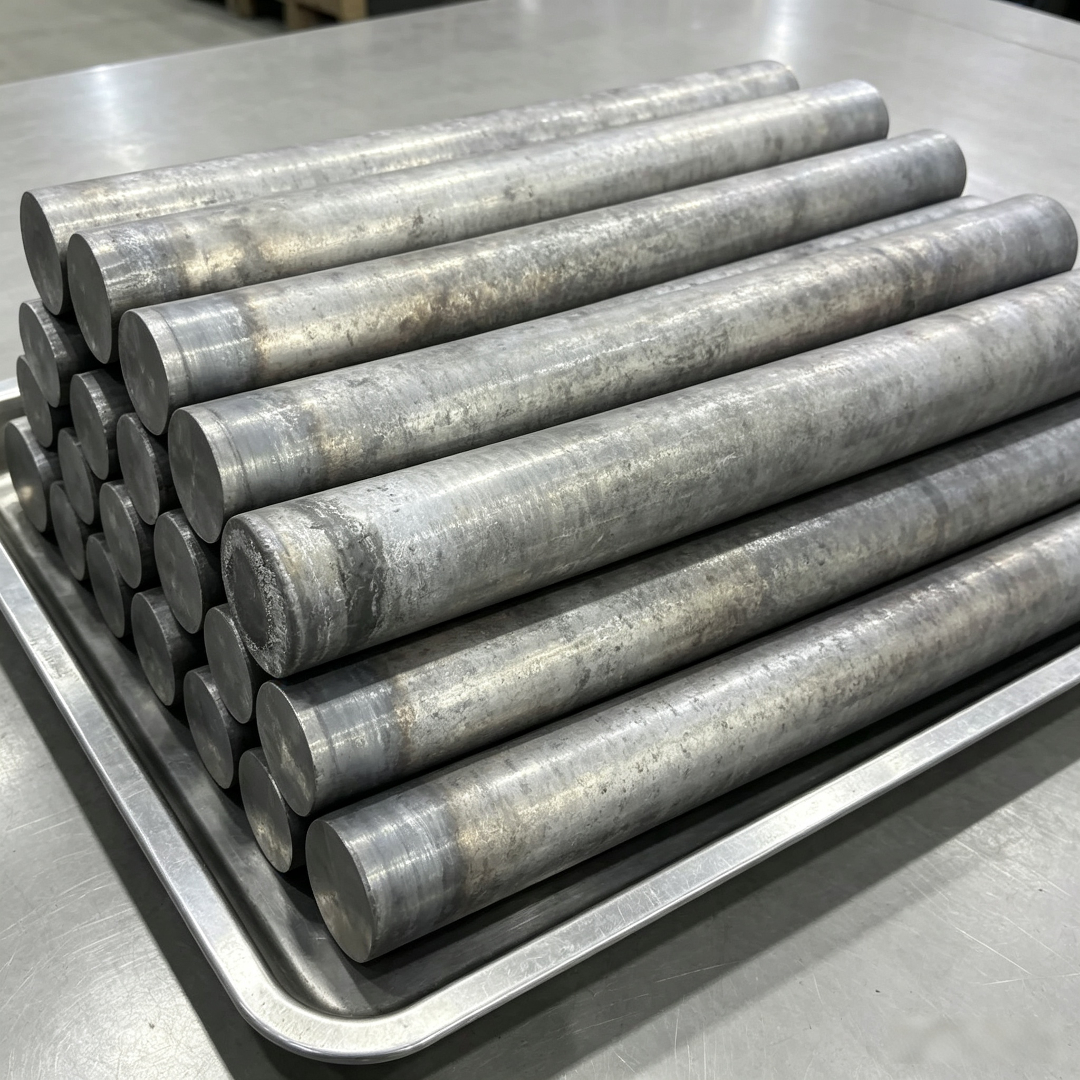
For Inconel713C round bars, the VAR ingots undergo hot rolling or forging to achieve the desired diameter and surface finish. Precision machining facilities then shape the bars to exact specifications, with final heat treatment processes optimizing their mechanical properties. The company’s state-of-the-art equipment enables production of round bars in diameters ranging from 10mm to 300mm, catering to diverse application requirements.
Inconel713C Ingot Production
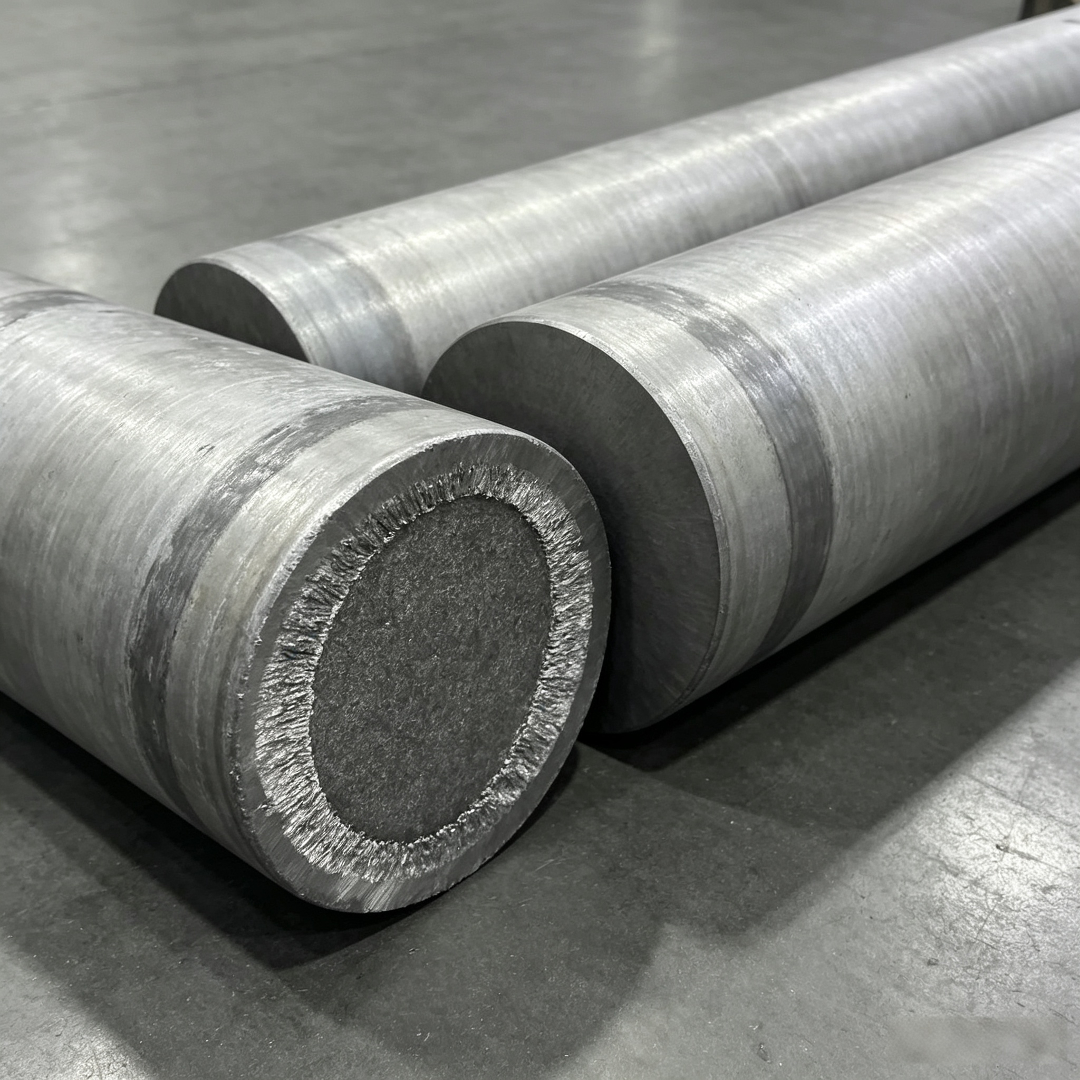
The production of Inconel713C ingots follows a rigorous process to ensure material integrity. After initial melting, the molten alloy is poured into specially designed molds to form ingots weighing up to 5 tons. These large ingots serve as the raw material for subsequent forging operations or can be directly used in investment casting processes. The company’s ability to produce large-scale ingots enables cost-effective manufacturing of complex components through precision casting techniques.
Forging Blank Production
Inconel713C forging blanks represent an intermediate product stage between ingots and finished components. These blanks undergo controlled forging operations to achieve specific grain flow patterns that enhance mechanical properties in the final part. The forging process improves the material’s fatigue resistance and crack propagation resistance, making it ideal for critical aerospace components subject to cyclic loading.
Key Applications of Inconel713C Alloy Materials
The exceptional properties of Inconel713C make it indispensable across multiple high-tech industries:
- Aerospace: Turbine blades, vanes, and discs in jet engines and industrial gas turbines benefit from the alloy’s high-temperature strength and oxidation resistance. The material’s ability to maintain strength at elevated temperatures enables more efficient engine designs with higher thrust-to-weight ratios.
- Medical Devices: Inconel713C finds application in artificial joints and dental prosthetics due to its biocompatibility, corrosion resistance, and mechanical strength. The alloy’s wear resistance ensures long-term functionality in demanding physiological environments.
- Automotive: High-performance exhaust valves and turbocharger components leverage the alloy’s thermal stability and corrosion resistance in aggressive combustion environments.
- Marine: Shipboard gas turbine components and offshore equipment utilize Inconel713C for its resistance to saltwater corrosion and high-temperature performance.
- Industrial: Heat treatment fixtures, furnace components, and chemical processing equipment benefit from the alloy’s durability in harsh operating conditions.
| Property | Inconel713C Performance | Typical Application |
|---|---|---|
| Tensile Strength (MPa) | 930-1100 (RT) | Turbine blades |
| Yield Strength (MPa) | 690-860 (RT) | Exhaust valves |
| Elongation (%) | 12-18 | Medical implants |
| Max Service Temp (°C) | 850-900 | Gas turbine components |
Quality Assurance in Inconel713C Production
Qingchuan New Materials maintains comprehensive quality control systems throughout the production process. The company’s modern analytical laboratory employs advanced testing equipment including:
- Optical emission spectrometers (OES) for precise chemical analysis
- Scanning electron microscopes (SEM) with energy-dispersive X-ray spectroscopy (EDS) for microstructure examination
- Universal testing machines for mechanical property verification
- Metallographic microscopes for grain size and phase analysis
- Hardness testers for material property confirmation
Each production batch undergoes rigorous testing to ensure compliance with international standards such as AMS 5382, AMS 5837, and ASTM B637. The company’s quality management system is certified to ISO 9001:2015, with additional certifications for aerospace (AS9100D) and medical device manufacturing (ISO 13485) in preparation.
FAQ
What makes Inconel713C suitable for aerospace applications?
Inconel713C’s combination of high-temperature strength, oxidation resistance, and fatigue durability makes it ideal for aerospace components. The alloy maintains its mechanical properties at temperatures exceeding 800°C, enabling reliable performance in jet engine turbines and other critical parts exposed to extreme thermal and mechanical stresses.
How does Inconel713C compare to other nickel-based superalloys?
Compared to alloys like Inconel 718 or Waspaloy, Inconel713C offers better high-temperature strength above 750°C while maintaining good fabricability. Its optimized chemical composition provides superior hot corrosion resistance in marine and industrial environments, making it particularly valuable for gas turbine applications in harsh settings.
What certifications should Inconel713C suppliers have?
Reputable suppliers should maintain ISO 9001 certification as a minimum, with AS9100 (aerospace) and ISO 13485 (medical) certifications indicating specialized capabilities. Product-specific certifications like AMS 5382 or ASTM B637 compliance demonstrate adherence to industry standards for material composition and properties.
Can Inconel713C be used for medical implants?
Yes, Inconel713C demonstrates excellent biocompatibility and corrosion resistance in physiological environments, making it suitable for certain medical applications. However, specific medical-grade variants may require additional processing or certification depending on the regulatory requirements of the target market.
What surface treatments are recommended for Inconel713C components?
Common surface treatments include passivation to improve corrosion resistance, coating applications like aluminide or platinum aluminide for enhanced oxidation protection at high temperatures, and shot peening to improve fatigue resistance. The optimal treatment depends on the specific application and operating environment.
How does material purity affect Inconel713C performance?
Higher purity levels reduce the risk of localized corrosion and improve high-temperature stability. Qingchuan New Materials’ double vacuum melting process ensures exceptionally low levels of impurities like sulfur, phosphorus, and trace elements that could otherwise compromise the alloy’s performance in demanding applications.
What are the machining considerations for Inconel713C?
Inconel713C requires specialized machining techniques due to its work-hardening tendency. Recommended practices include using carbide or ceramic cutting tools, maintaining proper coolant flow, and controlling cutting speeds and feeds to manage heat generation. The company provides detailed machining guidelines with each product shipment.
How does Inconel713C respond to welding processes?
The alloy can be welded using conventional methods, but requires careful control of heat input and post-weld heat treatment to prevent cracking and maintain corrosion resistance. Gas tungsten arc welding (GTAW) is commonly preferred, with filler materials matching the base alloy composition.
What storage conditions are recommended for Inconel713C products?
Products should be stored in dry, climate-controlled environments to prevent surface contamination. While the alloy demonstrates excellent corrosion resistance, prolonged exposure to moist or corrosive atmospheres should be avoided, especially for unprotected machined surfaces.
How does Qingchuan New Materials ensure batch-to-batch consistency?
The company implements strict process controls throughout manufacturing, with comprehensive traceability systems linking each product to its raw material sources, production parameters, and test results. Statistical process control (SPC) methods monitor key production variables to maintain consistent material properties across all batches.
Summary
Inconel713C alloy materials from Qingchuan New Materials represent a pinnacle of engineering achievement in high-performance metals. With comprehensive manufacturing capabilities covering round bars, ingots, forging blanks, and master alloys, the company serves as a complete solution provider for aerospace, medical, and industrial applications. The combination of advanced production technology, rigorous quality control, and specialized analytical capabilities ensures that customers receive materials meeting the most demanding specifications.
As industries continue to push the boundaries of performance and efficiency, Inconel713C’s unique properties will remain essential for components operating in extreme environments. Qingchuan New Materials’ commitment to innovation and quality positions the company as a trusted partner for organizations seeking reliable access to these critical materials, supporting technological advancement across multiple high-tech sectors.