
In the realm of advanced materials engineering, few alloys demonstrate the versatility and performance characteristics of Inconel939. As a nickel-based superalloy developed specifically for high-temperature applications, this material has become indispensable across aerospace, medical, and industrial sectors. Qingchuan New Materials (Zhengzhou) Co., Ltd., a leading manufacturer of specialty alloys and high-purity materials, offers comprehensive solutions for Inconel939 production, from raw ingots to precision-machined components.
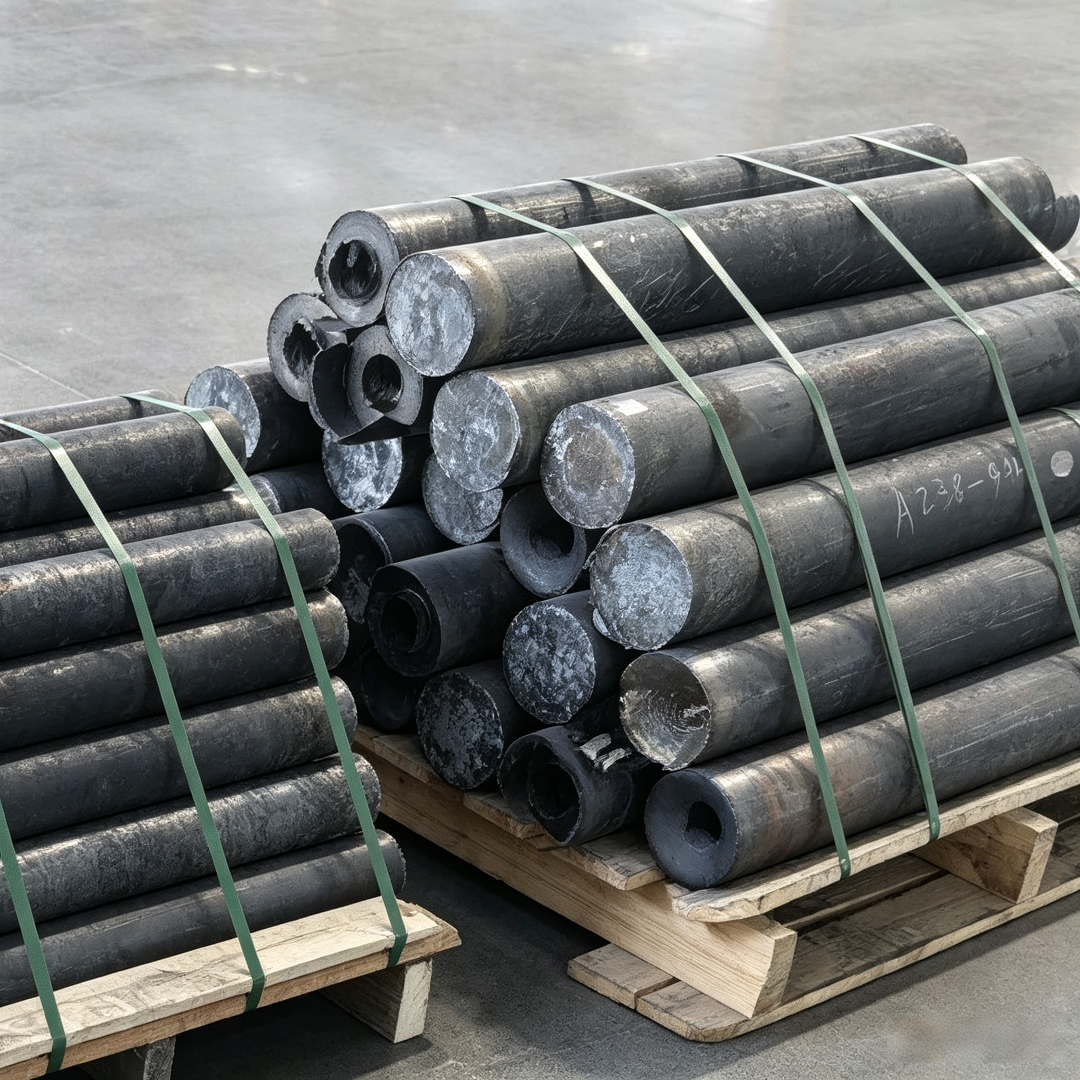
Understanding Inconel939 Alloy Composition
Inconel939 belongs to the nickel-chromium-cobalt family of superalloys, engineered to maintain exceptional mechanical properties at temperatures exceeding 1000°C. The alloy’s composition typically includes 45-50% nickel, 20-25% chromium, 10-15% cobalt, with controlled additions of molybdenum, tungsten, and aluminum. This precise elemental balance creates a microstructure that resists oxidation, creep, and thermal fatigue – critical characteristics for demanding applications.
The manufacturing process begins with vacuum induction melting (VIM) to produce Inconel939 ingots with exceptional chemical homogeneity. Qingchuan New Materials employs advanced electroslag remelting (ESR) technology to further refine the microstructure, eliminating segregation and ensuring consistent properties throughout the material. This dual-remelting approach results in ingots with superior cleanliness and reduced inclusion content compared to conventional production methods.
Inconel939 Product Forms and Applications
Qingchuan New Materials offers Inconel939 in multiple product forms to meet diverse engineering requirements:
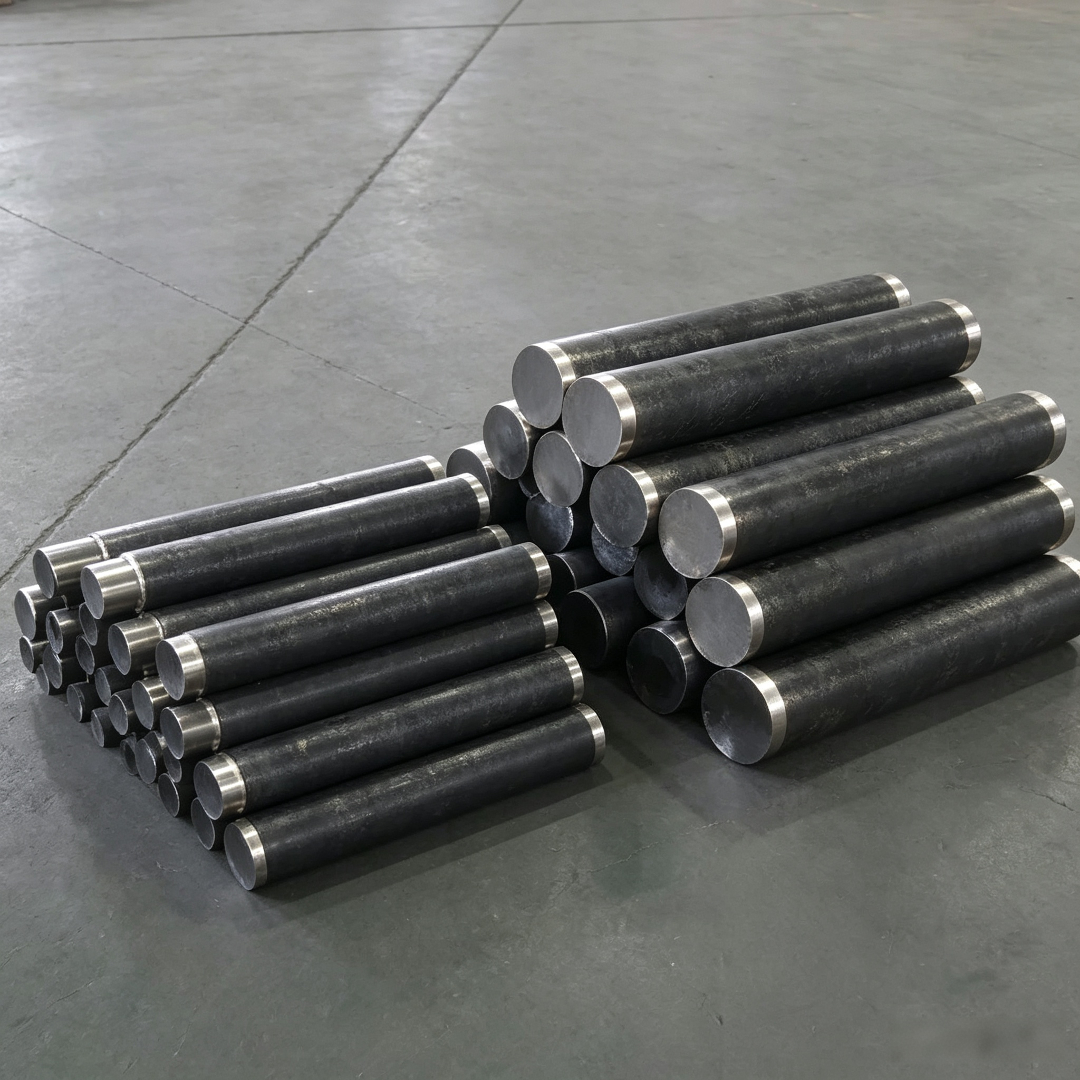
- Round Bars: Precision-ground to tight tolerances, these bars serve as raw material for machining turbine blades, seals, and fasteners. The company’s CNC turning centers produce bars with surface finishes below Ra 0.8μm, reducing subsequent processing requirements.
- Cast Ingots: Available in weights up to 500kg, these ingots provide the foundation for investment casting of complex components. The company’s vacuum casting capabilities ensure minimal porosity and excellent dimensional accuracy.
- Forging Blanks: Pre-formed through isothermal forging, these blanks reduce material waste and machining time for critical components. The controlled forging process aligns the grain structure, enhancing fatigue resistance.
- Casting Blanks: Near-net-shape castings minimize machining operations for large components like combustion chambers and exhaust manifolds. Qingchuan’s computer-simulated casting processes optimize solidification patterns to prevent hot tearing.
- Master Alloys: These specialized compositions enable precise adjustment of final alloy properties during melting, ensuring consistent performance across production batches.
Aerospace Applications
The aerospace industry represents the most demanding application field for Inconel939. Turbine blades made from this alloy withstand extreme centrifugal forces and thermal gradients in jet engines. Qingchuan’s investment casting process produces single-crystal or directionally solidified blades with optimized grain orientation, achieving fatigue lives exceeding 10,000 hours at 950°C. The company’s proprietary coating technology further enhances oxidation resistance, extending component service intervals.
For space applications, Inconel939’s low thermal expansion coefficient makes it ideal for rocket engine nozzles and re-entry shields. The material maintains structural integrity during rapid temperature changes from cryogenic propellant storage to re-entry heating. Qingchuan’s vacuum heat treatment facilities can achieve specific hardness ranges (40-48 HRC) required for different space vehicle components.
Medical Device Manufacturing
In the medical field, Inconel939’s biocompatibility and corrosion resistance enable its use in implantable devices. The alloy’s nickel content (below 40% in medical grades) complies with ASTM F136 and ISO 5832-3 standards for surgical implants. Qingchuan produces medical-grade Inconel939 with controlled sulfur content (below 0.005%) to minimize pitting corrosion in physiological environments.
Dental implant abutments and orthopedic joint components benefit from the alloy’s excellent fatigue strength and wear resistance. The company’s precision machining centers produce components with surface roughness below Ra 0.4μm, reducing bacterial adhesion and promoting osseointegration. Electropolishing services further enhance surface finish and corrosion resistance for long-term implant stability.
| Property | Inconel939 Value | Comparison Alloy |
|---|---|---|
| Ultimate Tensile Strength (MPa) | 980-1180 (at RT) | Inconel 718: 1100-1300 |
| 0.2% Yield Strength (MPa) | 620-820 (at 650°C) | Hastelloy X: 480-690 |
| Elongation (%) | 15-25 (at RT) | Rene 41: 10-20 |
| Thermal Conductivity (W/m·K) | 11.2 (at 200°C) | Inconel 625: 12.1 |
| Coefficient of Expansion (10⁻⁶/°C) | 12.6 (20-100°C) | 316L SS: 16.5 |
Quality Assurance and Certification
Qingchuan New Materials maintains comprehensive quality management systems compliant with ISO 9001:2015 and AS9100D standards for aerospace applications. The company’s in-house laboratory features advanced analytical equipment including:
- Inductively coupled plasma mass spectrometry (ICP-MS) for trace element analysis
- Scanning electron microscopy (SEM) with energy-dispersive X-ray spectroscopy (EDS)
- Glow discharge mass spectrometry (GDMS) for bulk composition verification
- Computerized tomography (CT) scanning for internal defect detection
- Universal tensile testing machines (-196°C to 1200°C capability)
Each production batch undergoes rigorous testing according to ASTM, AMS, and GE specifications. Certificates of Conformance (CoC) include detailed chemical analysis, mechanical property data, and non-destructive examination results. For medical applications, the company provides Material Safety Data Sheets (MSDS) and biocompatibility reports compliant with ISO 10993 standards.
FAQ
What makes Inconel939 suitable for high-temperature applications?
Inconel939’s nickel-chromium-cobalt base provides exceptional oxidation resistance up to 1100°C. The alloy forms a stable, adherent oxide layer that prevents further degradation. Its gamma prime (γ’) precipitates (Ni₃(Al,Ti)) provide strengthening at elevated temperatures, maintaining yield strength above 600 MPa at 650°C.
How does Qingchuan ensure material consistency in Inconel939 ingots?
We employ dual remelting processes – vacuum induction melting followed by electroslag remelting. This combination eliminates segregation and achieves chemical homogeneity within ±0.05% for critical elements. Our ESR process uses inert gas shielding to prevent atmospheric contamination during solidification.
What surface treatments are available for Inconel939 components?
Our capabilities include: 1) Electropolishing to Ra 0.2μm for medical implants, 2) Plasma spray coatings (Al₂O₃ or YSZ) for thermal barrier applications, 3) Diffusion coatings (aluminide or chromide) for oxidation protection, and 4) PVD coatings (TiN or CrN) for wear resistance in tooling applications.
Can Inconel939 be welded for component assembly?
Yes, but proper procedures are essential. We recommend gas tungsten arc welding (GTAW) with Inconel 82 or 182 filler metals. Preheat to 200-300°C and maintain interpass temperature below 150°C. Post-weld heat treatment at 1080°C for 2 hours followed by air cooling restores corrosion resistance and relieves residual stresses.
What lead times should be expected for custom Inconel939 components?
For standard product forms (round bars, ingots), we typically ship within 2-3 weeks of order confirmation. Custom castings require 4-6 weeks depending on complexity, while precision-machined components need 6-8 weeks including prototyping and validation. Urgent orders may qualify for expedited processing with 10-15% premium.
Summary
Inconel939 represents a pinnacle of superalloy engineering, combining exceptional high-temperature strength with excellent corrosion resistance and manufacturability. Qingchuan New Materials’ vertically integrated production capabilities – from raw material synthesis to precision component machining – ensure consistent quality and supply chain reliability for this critical material. The company’s investment in advanced analytical equipment and quality systems positions it as a preferred supplier for aerospace, medical, and industrial customers requiring stringent performance specifications.
As industries continue pushing performance boundaries, Inconel939’s role will expand in additive manufacturing applications, hybrid material systems, and next-generation propulsion technologies. Qingchuan’s ongoing R&D efforts focus on optimizing alloy compositions for specific applications, developing sustainable manufacturing processes, and expanding medical-grade material certifications to meet evolving market demands.