
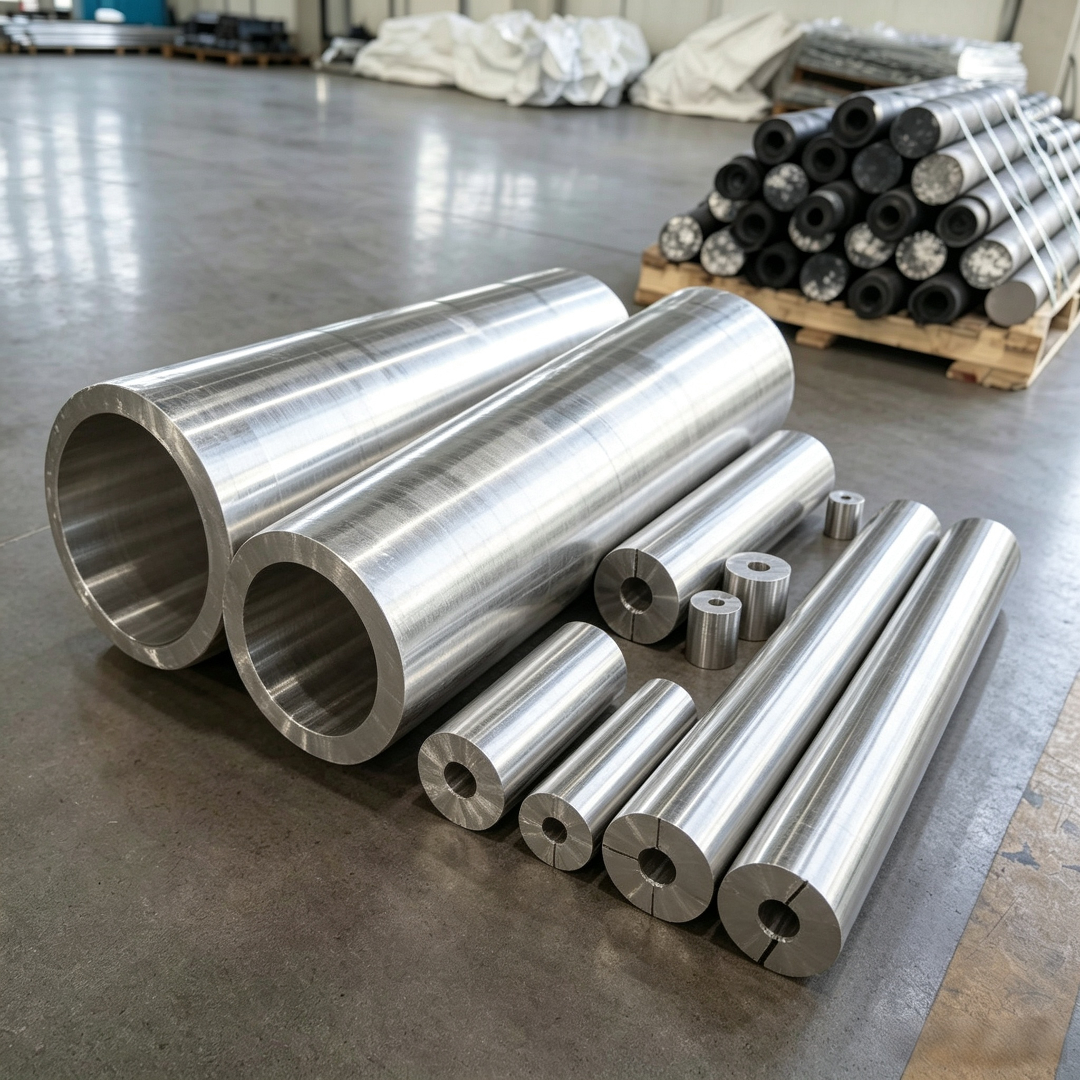
In the specialized field of high-performance alloy materials, NiCr8020 stands out as a critical component for demanding applications across aerospace, medical, and industrial sectors. As a professional manufacturer of specialty alloys and high-purity materials, Qingchuan New Materials (Zhengzhou) Co., Ltd. has developed extensive expertise in producing NiCr8020 in various forms including wire rod, sheet material, strip material, and round bar. This comprehensive guide explores the technical specifications, applications, manufacturing processes, and quality control measures that make NiCr8020 an essential material for modern engineering challenges.
Understanding NiCr8020 Alloy Composition and Properties
NiCr8020 belongs to the family of nickel-chromium alloys specifically designed for high-temperature applications requiring excellent corrosion resistance and mechanical strength. The alloy’s composition typically includes approximately 80% nickel and 20% chromium, with trace elements added to enhance specific properties. This composition corresponds to the international standard W.Nr.2.4869, ensuring global compatibility and recognition in engineering specifications.
The material’s exceptional properties stem from its unique microstructure formed during precise manufacturing processes. NiCr8020 exhibits excellent oxidation resistance up to 1200°C (2192°F), making it ideal for continuous operation in high-temperature environments. Its corrosion resistance extends to both oxidizing and reducing atmospheres, including exposure to sulfur-bearing gases and molten salts.
Mechanical properties of NiCr8020 include high tensile strength, good ductility, and excellent fatigue resistance. These characteristics enable the material to withstand demanding service conditions while maintaining dimensional stability. The alloy’s thermal expansion characteristics are carefully controlled during production to ensure compatibility with other materials in complex assemblies.
Manufacturing Capabilities for NiCr8020 Alloy Materials
At Qingchuan New Materials, we maintain state-of-the-art production facilities specifically configured for specialty alloy manufacturing. Our modern standard workshop in Zhengzhou High-Tech Industrial Development Zone houses advanced equipment for every stage of NiCr8020 production, from raw material processing to final product inspection.
The manufacturing process begins with careful selection of high-purity raw materials that meet our stringent quality standards. We employ vacuum induction melting (VIM) and electroslag remelting (ESR) technologies to achieve the desired alloy composition with minimal impurities. This dual-melting approach ensures superior material homogeneity and consistent mechanical properties throughout each batch.
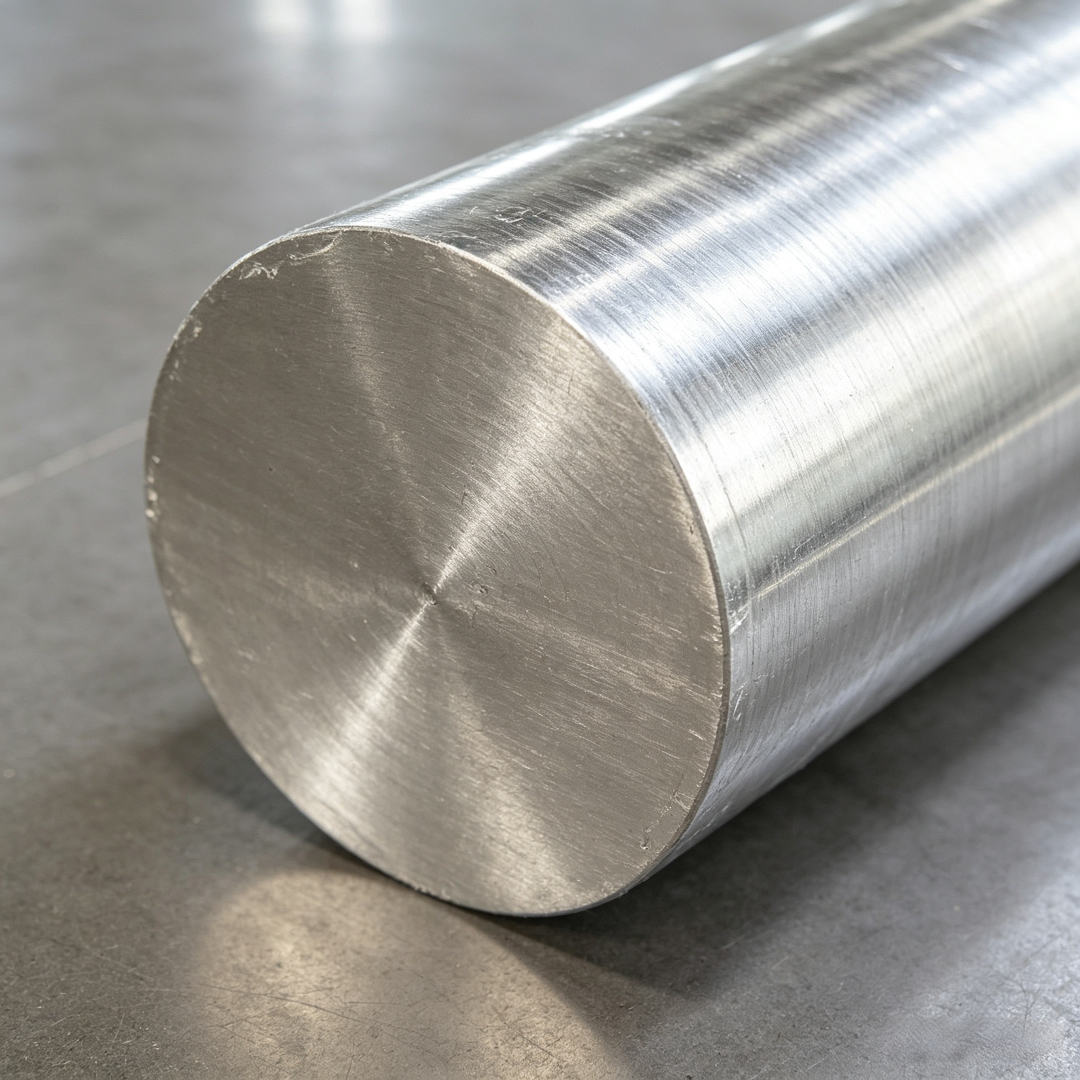
For NiCr8020 wire rod production, we utilize continuous casting and rolling processes that maintain precise dimensional control while preserving the material’s microstructure. Our sheet and strip production lines incorporate advanced cold rolling and annealing techniques to achieve required thickness tolerances and surface finishes. Round bar manufacturing employs precision extrusion and peeling processes to produce components with excellent straightness and surface quality.
Quality control permeates every stage of our manufacturing process. We implement comprehensive analytical testing using advanced equipment including optical emission spectrometers (OES), scanning electron microscopes (SEM), and X-ray diffraction (XRD) systems. These tools enable us to verify alloy composition, detect microscopic defects, and measure critical material properties with exceptional accuracy.
Key Applications of NiCr8020 Alloy Materials
The unique combination of properties makes NiCr8020 indispensable in several critical industries:
Aerospace Applications
In the aerospace sector, NiCr8020 finds extensive use in hot section components of gas turbine engines. Typical applications include combustion chamber liners, turbine blades and vanes, and afterburner components. The material’s ability to maintain strength at elevated temperatures while resisting oxidation and hot corrosion makes it ideal for these demanding environments. Our aerospace customers benefit from our ability to produce NiCr8020 components that meet stringent industry standards including AMS and GE specifications.
Medical Device Manufacturing
The biocompatibility and corrosion resistance of NiCr8020 make it valuable for medical applications, particularly in implantable devices. We supply material for artificial joints, dental prosthetics, and surgical instruments where long-term reliability in the human body is essential. Our medical-grade NiCr8020 undergoes additional processing steps including electropolishing to achieve the required surface finish and cleanliness levels.
The table below summarizes key application requirements and how NiCr8020 meets them:
| Application | Key Requirements | NiCr8020 Advantages |
|---|---|---|
| Aerospace | High-temperature strength, oxidation resistance | Maintains strength up to 1200°C, excellent oxidation resistance |
| Medical | Biocompatibility, corrosion resistance | Passivates in biological environments, resists body fluids |
| Industrial | Wear resistance, thermal stability | High hardness, maintains properties at elevated temperatures |
Industrial Applications
Beyond aerospace and medical sectors, NiCr8020 serves various industrial applications including:
- Heat treatment fixtures and baskets
- Chemical processing equipment
- Power generation components
- Metal powder 3D printing feedstock
- Magnetron sputtering targets for coating applications
In each application, the material’s combination of properties provides solutions where conventional materials would fail prematurely. Our customers report extended service life and reduced maintenance costs when using NiCr8020 components compared to alternative materials.
Material Selection Guide for NiCr8020 Alloy
Choosing the right form of NiCr8020 for your application requires consideration of several factors:
Form Selection Criteria
Wire rod (typically 0.1-10mm diameter) suits applications requiring drawing, forming, or welding into final components. Common uses include springs, electrical contacts, and welding electrodes. Our NiCr8020 wire rod offers consistent diameter tolerance and excellent surface quality for these applications.
Sheet material (0.1-50mm thickness) provides the surface area needed for heat exchangers, combustion liners, and other components requiring thermal or chemical resistance. We produce NiCr8020 sheet with tight thickness tolerances and excellent flatness for automated fabrication processes.
Strip material (typically <3mm thickness) offers the same properties as sheet but in narrower widths suitable for precision components. Applications include shims, gaskets, and flexible electrical connectors where both corrosion resistance and formability are required.
Round bar (6-300mm diameter) serves as raw material for machined components requiring high strength and corrosion resistance. Our NiCr8020 round bar undergoes special heat treatment to optimize machinability while maintaining required mechanical properties in the final component.
Surface Finish Considerations
Surface finish requirements vary by application. For example, medical implants require mirror-like finishes to minimize bacterial adhesion, while industrial components may need rough surfaces for improved coating adhesion. We offer various surface treatments including:
- Pickling for oxide removal
- Passivation for enhanced corrosion resistance
- Electropolishing for ultra-smooth surfaces
- Sandblasting for matte finishes
FAQ
What are the main differences between NiCr8020 wire rod and sheet material?
NiCr8020 wire rod typically comes in diameters ranging from 0.1mm to 10mm and is designed for drawing, forming, or welding applications. Sheet material, on the other hand, ranges from 0.1mm to 50mm in thickness and provides larger surface areas suitable for heat exchangers, combustion liners, and other components requiring thermal or chemical resistance. The manufacturing processes differ, with wire rod undergoing continuous casting and rolling while sheet material is produced through hot and cold rolling with precise thickness control.
How does NiCr8020 compare to other nickel-based alloys for aerospace applications?
NiCr8020 offers excellent oxidation resistance up to 1200°C and maintains strength at elevated temperatures, making it comparable to other aerospace-grade nickel alloys. Its specific advantage lies in its balanced composition of approximately 80% nickel and 20% chromium, which provides optimal corrosion resistance in both oxidizing and reducing environments. Compared to some alternatives, NiCr8020 offers better cost-effectiveness while meeting stringent aerospace requirements for components like combustion chamber liners and turbine blades.
What quality control measures are implemented during NiCr8020 production?
Our quality control system includes multiple inspection points throughout the production process. We use optical emission spectrometers (OES) to verify alloy composition at every melt, scanning electron microscopes (SEM) for microscopic defect detection, and X-ray diffraction (XRD) for phase analysis. Each batch undergoes mechanical property testing including tensile strength, yield strength, and elongation measurements. Final inspection includes dimensional verification using precision measuring equipment and surface quality checks before packaging and shipment.
Can NiCr8020 be used for medical implants and what certifications are required?
Yes, NiCr8020 is suitable for certain medical implant applications due to its excellent biocompatibility and corrosion resistance. For medical use, the material must meet specific standards including ASTM F136 for implantable devices. Our medical-grade NiCr8020 undergoes additional processing steps including electropolishing to achieve the required surface finish and cleanliness levels. We can provide material test reports (MTRs) documenting compliance with all relevant medical standards and regulations.
What are the advantages of choosing a Chinese manufacturer for NiCr8020 materials?
Chinese manufacturers like Qingchuan New Materials offer several advantages including competitive pricing without compromising quality, advanced production facilities comparable to international standards, and shorter lead times for both standard and custom products. Our location in Zhengzhou High-Tech Industrial Development Zone provides access to modern infrastructure and skilled labor. Additionally, we maintain strict quality control systems and can provide all necessary documentation for international customers, making us a reliable supplier for global aerospace, medical, and industrial applications.
Summary
NiCr8020 alloy materials represent a critical solution for demanding applications requiring high-temperature strength, excellent corrosion resistance, and reliable performance. As a professional manufacturer with advanced production capabilities, Qingchuan New Materials (Zhengzhou) Co., Ltd. offers comprehensive solutions for NiCr8020 in wire rod, sheet material, strip material, and round bar forms. Our state-of-the-art facilities, rigorous quality control, and technical expertise ensure that customers receive materials that meet or exceed their specifications for aerospace, medical, and industrial applications.
The material’s versatility, combined with our manufacturing capabilities, makes NiCr8020 an excellent choice for engineers and procurement professionals seeking reliable, high-performance solutions. Whether for standard components or custom applications, our team works closely with customers to provide the right material form, surface finish, and processing to optimize performance and cost-effectiveness in their specific applications.