
In the realm of high-performance specialty alloys, Inconel792 stands out as a critical material for demanding applications across multiple industries. As a professional manufacturer of high-purity metals and specialty alloys, Qingchuan New Materials (Zhengzhou) Co., Ltd. brings extensive expertise to the production and application of this remarkable alloy. This comprehensive guide explores everything you need to know about Inconel792 alloy, from its chemical composition and mechanical properties to its diverse industrial applications and manufacturing processes.
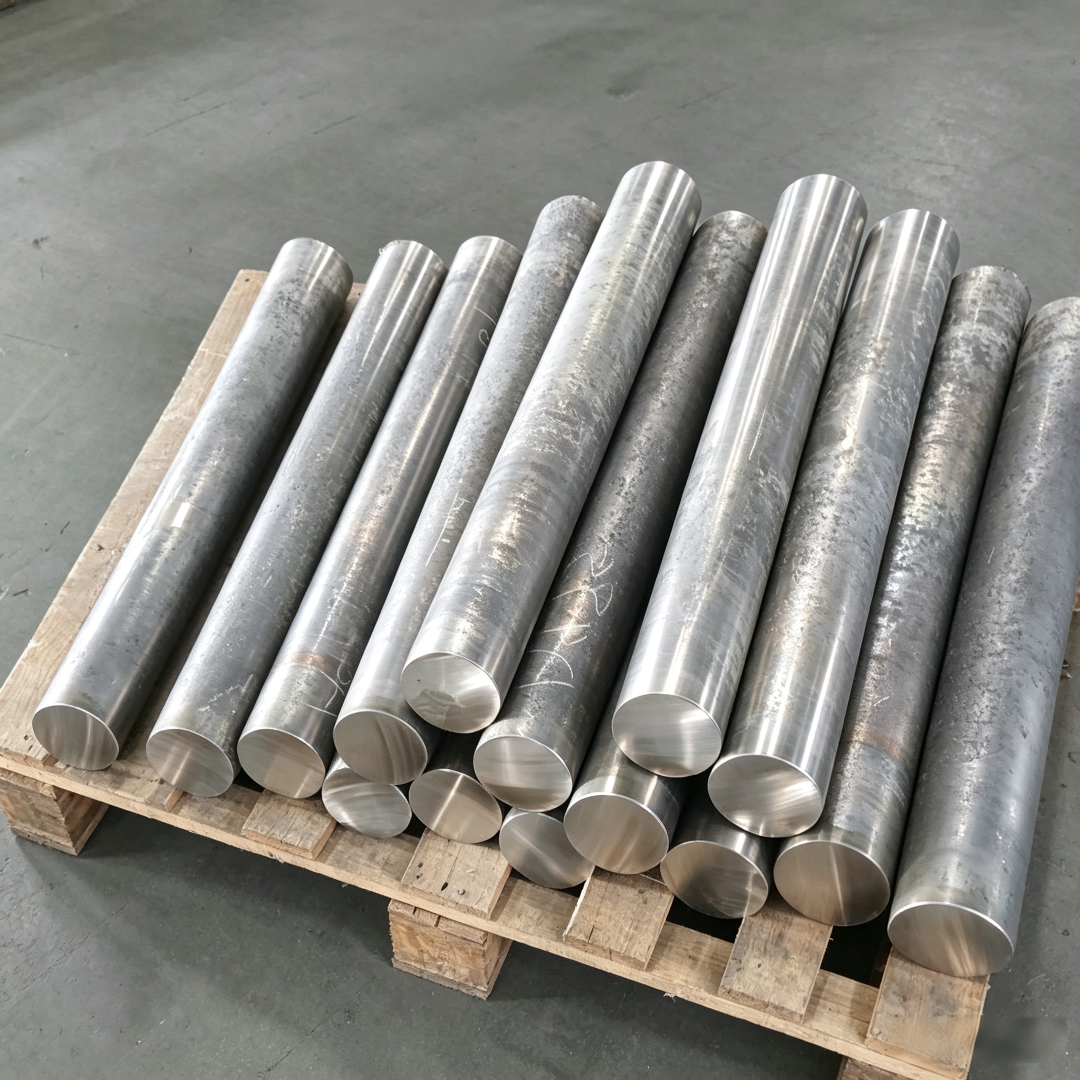
Understanding Inconel792 Alloy Composition and Properties
Inconel792, also known as Inc792, Alloy792, or GH792 in certain markets, belongs to the family of nickel-based superalloys. Its chemical composition typically includes nickel as the base metal (approximately 50-60%), with significant additions of chromium (18-22%), cobalt (8-12%), molybdenum (2-3%), titanium (1-2%), aluminum (0.5-1.5%), and other trace elements. This precise formulation gives Inconel792 its exceptional combination of properties:
- High-temperature strength: Maintains mechanical integrity at temperatures exceeding 1000°C (1832°F)
- Oxidation resistance: Forms a stable protective oxide layer that prevents degradation in extreme environments
- Corrosion resistance: Excellent resistance to both aqueous and high-temperature gas corrosion
- Thermal fatigue resistance: Withstands repeated heating and cooling cycles without cracking
- Creep resistance: Maintains dimensional stability under long-term load at elevated temperatures
- Weldability: Can be joined using conventional welding techniques with proper procedures
These properties make Inconel792 particularly suitable for applications where materials must perform reliably under the most challenging conditions. At Qingchuan New Materials, we leverage our advanced production facilities and rigorous quality control to ensure each batch of Inconel792 meets the highest industry standards.
Key Applications of Inconel792 Alloy Across Industries
The unique combination of properties in Inconel792 makes it indispensable in several high-technology sectors. As a leading specialty alloy manufacturer, we’ve seen firsthand how this material enables breakthroughs in various applications:
Aerospace Industry Applications
In the aerospace sector, Inconel792 plays a vital role in components that must withstand extreme temperatures and corrosive environments. Typical applications include:
- Turbine blades and vanes in jet engines
- Combustion chamber liners
- Afterburner components
- Thrust reverser systems
- Rocket engine nozzles
The alloy’s ability to maintain strength at high temperatures while resisting oxidation makes it ideal for these critical components, where failure could have catastrophic consequences. Our precision casting capabilities allow us to produce complex aerospace parts with minimal porosity and excellent dimensional accuracy.
Automotive Industry Applications
In the automotive sector, Inconel792 contributes to both performance and durability in high-stress components:
- Exhaust valves in high-performance engines
- Turbocharger components
- Catalytic converter substrates
- Sensor housings for exhaust gas measurement
- Heat shields for underhood components
The alloy’s resistance to thermal cycling and chemical attack makes it particularly valuable in exhaust systems, where components are exposed to both high temperatures and corrosive gases. Our wrought superalloy products provide automotive manufacturers with reliable materials for these demanding applications.
Medical Device Applications
Surprisingly, Inconel792 also finds important applications in the medical field, particularly in:
- Artificial joints (hip, knee replacements)
- Dental implants and prosthetics
- Surgical instruments
- Orthopedic fixation devices
The biocompatibility of nickel-based alloys, combined with Inconel792’s strength and corrosion resistance, makes it an excellent choice for long-term implants. Our medical-grade casting processes ensure the highest purity and cleanliness standards required for these sensitive applications.
Manufacturing Processes for Inconel792 Alloy
Producing high-quality Inconel792 components requires specialized manufacturing processes and strict quality control. At Qingchuan New Materials, we employ several key techniques to transform raw materials into finished products:
Vacuum Induction Melting (VIM)
This primary melting process ensures exceptional material purity by melting the alloy in a vacuum environment, preventing contamination from atmospheric gases. Our state-of-the-art VIM furnaces allow precise control of chemical composition and temperature.
Electroslag Remelting (ESR)
For applications requiring the highest levels of cleanliness and homogeneity, we use ESR to further refine the material. This process produces ingots with improved directional solidification and reduced segregation.
Precision Casting
Our investment casting capabilities enable the production of complex near-net-shape components with minimal machining required. This is particularly valuable for aerospace and medical applications where tight tolerances are essential.
Powder Metallurgy
For certain applications, we produce Inconel792 powder using advanced atomization techniques. This powder serves as feedstock for metal 3D printing (additive manufacturing) and hot isostatic pressing (HIP) processes.
| Manufacturing Process | Key Benefits | Typical Applications |
|---|---|---|
| Vacuum Induction Melting | High purity, precise composition control | All applications requiring base material |
| Electroslag Remelting | Improved cleanliness, reduced segregation | Critical aerospace components |
| Precision Casting | Complex shapes, minimal machining | Turbine blades, medical implants |
| Powder Metallurgy | Material efficiency, design freedom | 3D printed parts, HIPed components |
Quality Control and Certification for Inconel792 Products
At Qingchuan New Materials, we understand that applications for Inconel792 often involve critical components where failure is not an option. That’s why we’ve implemented comprehensive quality control measures throughout our manufacturing processes:
- Chemical analysis: Using advanced spectroscopy techniques to verify composition meets specifications
- Mechanical testing: Tensile, impact, and fatigue testing at various temperatures
- Non-destructive testing:
- X-ray for internal defects
- Ultrasonic testing for subsurface flaws
- Liquid penetrant testing for surface cracks
- Metallographic examination: Microstructure analysis to ensure proper heat treatment
- Corrosion testing: Salt spray, intergranular corrosion, and stress corrosion cracking tests
Our quality management system is certified to ISO 9001 standards, and we can provide material test reports (MTRs) with each shipment. For aerospace applications, we offer certification to AS9100 and other industry-specific standards.
FAQ
What is the maximum service temperature for Inconel792 alloy?
Inconel792 maintains excellent mechanical properties at temperatures up to approximately 1100°C (2012°F). However, its specific maximum service temperature depends on the application’s stress levels and duration. For short-term exposure, it can withstand even higher temperatures.
How does Inconel792 compare to Inconel 718 in terms of properties?
While both are nickel-based superalloys, Inconel792 offers superior high-temperature strength compared to Inconel 718, making it better suited for applications above 700°C (1292°F). Inconel 718, on the other hand, has better room-temperature ductility and is easier to fabricate for some applications.
Can Inconel792 be used for marine applications?
Yes, Inconel792’s excellent corrosion resistance makes it suitable for certain marine applications, particularly in high-temperature environments like exhaust systems. However, for general marine structural applications, other alloys might be more cost-effective.
What are the main challenges in machining Inconel792?
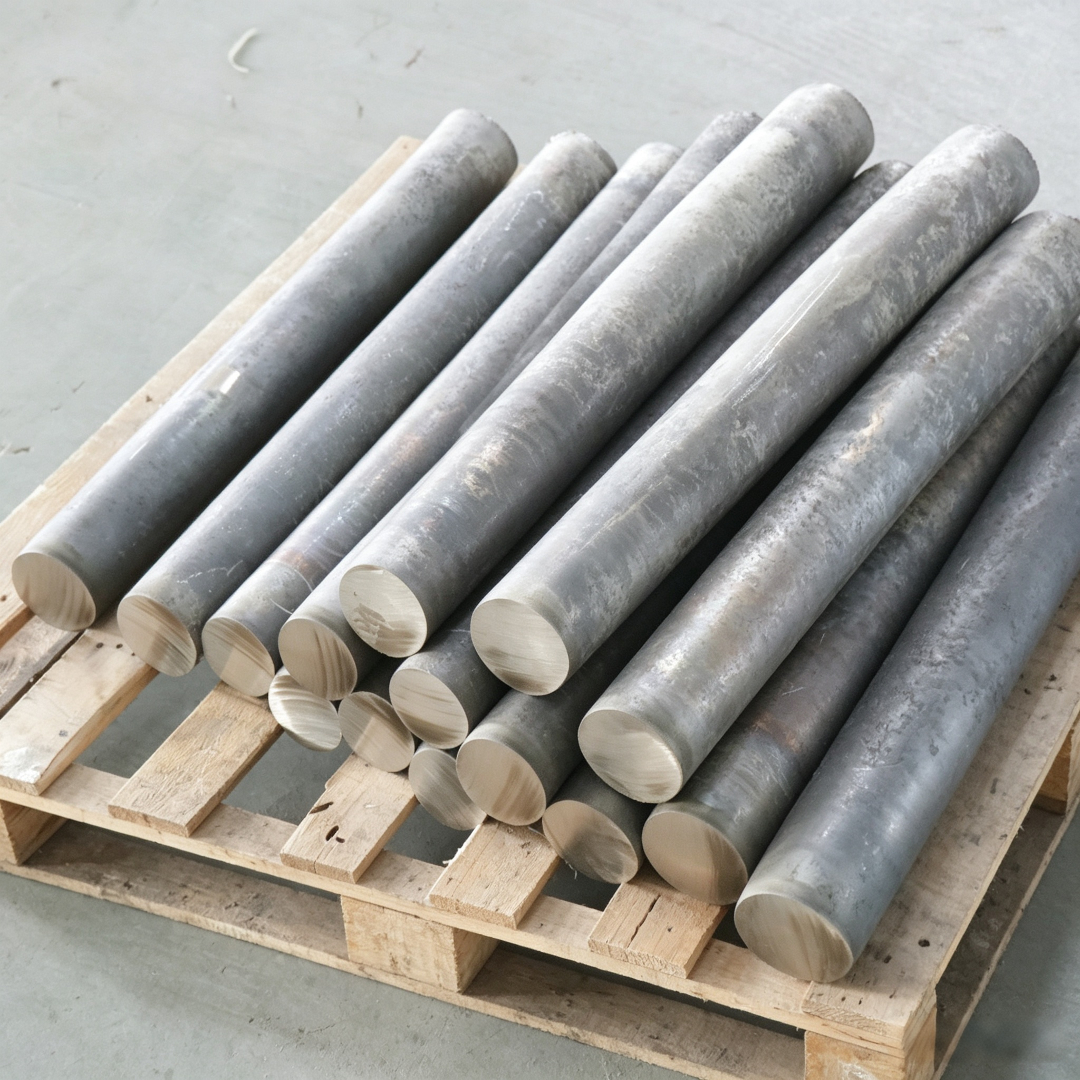
Inconel792 work-hardens rapidly during machining, which can lead to tool wear and dimensional control issues. Specialized tooling, coolants, and cutting parameters are required. Many customers find it more cost-effective to purchase near-net-shape castings rather than machining from bar stock.
Is Inconel792 suitable for cryogenic applications?
While Inconel792 maintains good toughness at low temperatures, it’s primarily optimized for high-temperature performance. For cryogenic applications, other nickel alloys like 304/316 stainless steel or certain titanium alloys might be more appropriate.
How does Qingchuan ensure the purity of its Inconel792 products?
We use Vacuum Induction Melting (VIM) as our primary melting process, which prevents contamination from atmospheric gases. Our modern facilities and rigorous quality control procedures ensure each batch meets stringent purity requirements for high-performance applications.
What certifications do your Inconel792 products carry?
Our standard products come with Material Test Reports (MTRs) showing chemical composition and mechanical properties. We can provide certification to ISO 9001, and for aerospace applications, we offer AS9100 certification and other industry-specific documentation.
Can you provide custom shapes or sizes of Inconel792 components?
Absolutely. Our precision casting capabilities allow us to produce custom components to your exact specifications. We work closely with customers during the design phase to optimize parts for both performance and manufacturability.
What is the typical lead time for Inconel792 products?
Lead times vary depending on the product form and quantity. Standard castings typically take 4-6 weeks, while custom components may require 8-12 weeks. We maintain strategic inventory of common sizes to help reduce lead times for urgent orders.
How does the cost of Inconel792 compare to other superalloys?
Inconel792 is generally more expensive than common stainless steels but is competitively priced among high-performance superalloys. Its superior high-temperature properties often justify the cost difference in demanding applications where performance cannot be compromised.
Summary
Inconel792 alloy represents a pinnacle of materials engineering, combining exceptional high-temperature strength with excellent corrosion resistance. As demonstrated by its widespread adoption in aerospace, automotive, and medical industries, this specialty alloy enables technologies that operate in some of the most challenging environments on Earth and beyond. Qingchuan New Materials (Zhengzhou) Co., Ltd. stands as a trusted partner for organizations seeking reliable access to high-quality Inconel792 products. Our modern manufacturing facilities, advanced quality control systems, and deep expertise in specialty alloys position us to support your most demanding applications. Whether you require standard shapes or custom components, we’re committed to delivering materials that meet your exact specifications and performance requirements.