
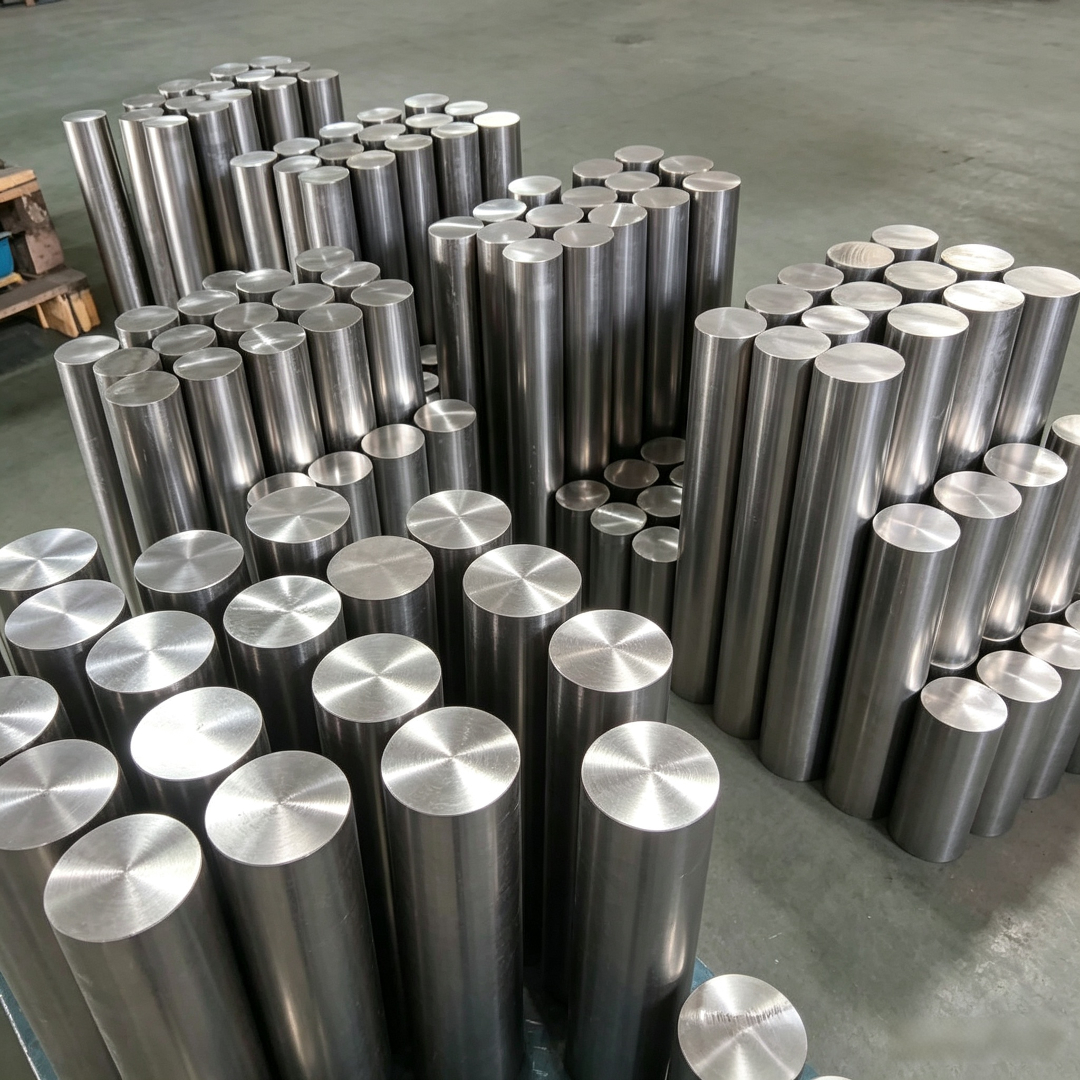
In the realm of high-performance materials, Inconel792 stands out as a premium nickel-based superalloy with exceptional mechanical properties and corrosion resistance. As a professional manufacturer of specialty alloys and high-purity materials, Qingchuan New Materials (Zhengzhou) Co., Ltd. has established itself as a trusted supplier of Inconel792 products, including round bars, ingots, forgings, and master alloys. This comprehensive guide explores the material characteristics, manufacturing processes, and industrial applications of Inconel792 alloy, providing valuable insights for engineers, procurement professionals, and industry decision-makers.
Understanding Inconel792 Alloy Composition and Properties
Inconel792, also known by its European designation W.Nr.2.4667, belongs to the nickel-based superalloy family with cobalt and chromium as primary alloying elements. The material’s exceptional performance stems from its carefully balanced composition:
- Nickel (Ni): 58-65% – Provides excellent corrosion resistance and high-temperature strength
- Chromium (Cr): 20-24% – Enhances oxidation resistance and forms protective surface oxides
- Cobalt (Co): 10-15% – Improves high-temperature strength and thermal stability
- Molybdenum (Mo): 1.5-3.0% – Increases resistance to pitting and crevice corrosion
- Aluminum (Al) + Titanium (Ti): 1.5-2.5% – Forms strengthening γ’ precipitates
This composition results in a material that maintains its mechanical properties at temperatures up to 1000°C (1832°F), making it ideal for demanding applications in extreme environments. The alloy exhibits excellent resistance to oxidation, hot corrosion, and thermal fatigue, along with good weldability and formability when properly processed.
Manufacturing Processes for Inconel792 Products
Qingchuan New Materials employs advanced manufacturing techniques to produce high-quality Inconel792 products with consistent properties and precise dimensions. The production processes vary depending on the product form:
1. Inconel792 Cast Ingots
The production begins with vacuum induction melting (VIM) followed by electroslag remelting (ESR) to ensure exceptional material purity and homogeneity. The cast ingots serve as raw material for subsequent forging or rolling processes, with sizes ranging from 50kg to 5000kg depending on customer requirements.
2. Inconel792 Forgings
Using advanced hydraulic presses and precision forging dies, the cast ingots are transformed into various forging shapes including round bars, flat bars, and custom profiles. The forging process aligns the grain structure, enhances mechanical properties, and improves the material’s resistance to fatigue and stress corrosion cracking.
3. Inconel792 Round Bars
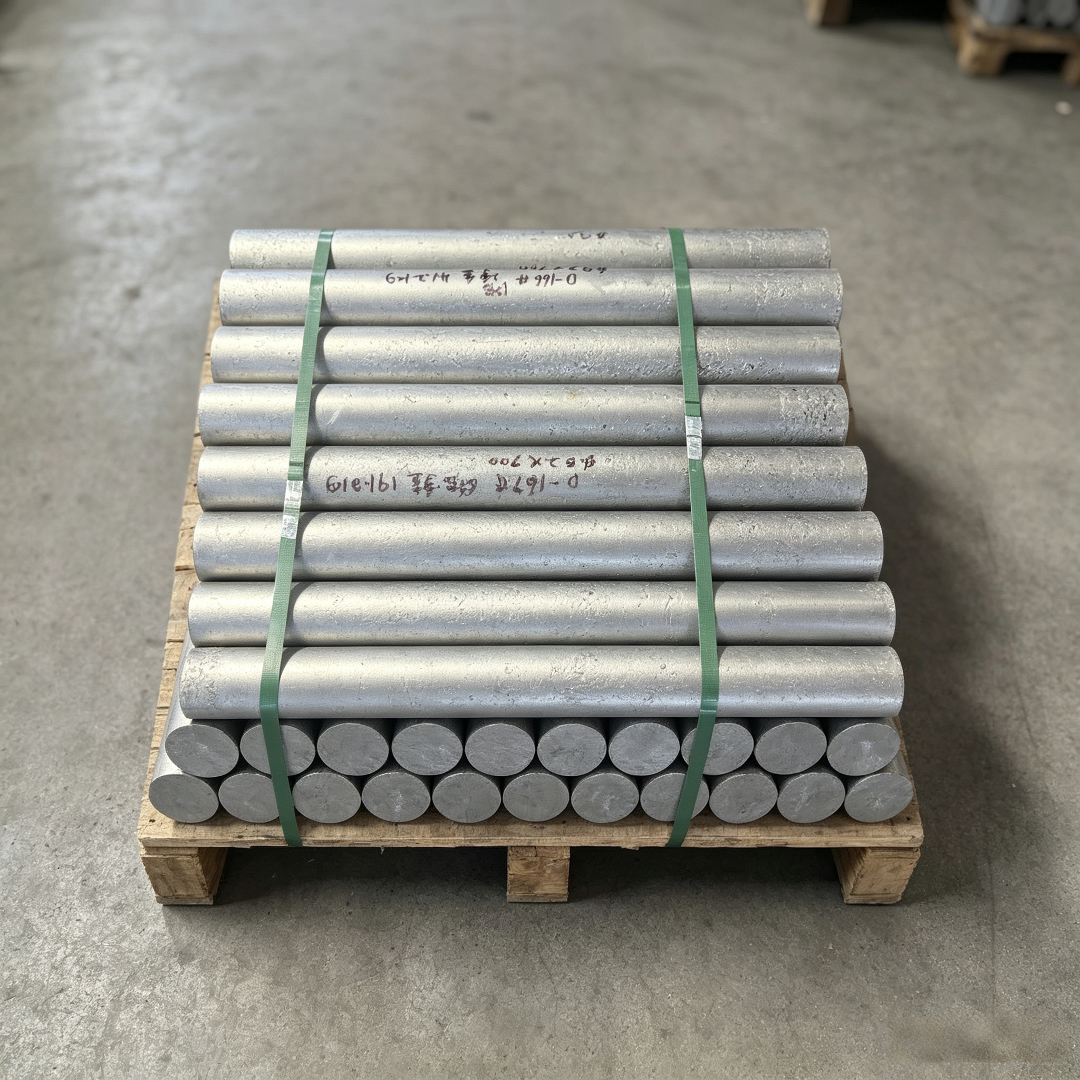
For round bar production, the forged billets undergo hot rolling to achieve the desired diameters with tight tolerances. The rolling process is followed by solution annealing and precipitation hardening heat treatments to optimize the material’s mechanical properties. Surface finishing options include peeling, grinding, or polishing to meet specific surface roughness requirements.
4. Inconel792 Master Alloys
As a professional master alloy producer, Qingchuan New Materials develops customized Inconel792 master alloys with precise compositions tailored to specific customer applications. These master alloys serve as additives in the production of specialized alloy variants or for adjusting the composition of existing alloys during melting processes.
Quality Control and Certification
Maintaining the highest quality standards is paramount in superalloy manufacturing. Qingchuan New Materials implements a comprehensive quality management system that covers every stage of production:
| Quality Control Stage | Inspection Methods | Acceptance Criteria |
|---|---|---|
| Raw Material Inspection | Chemical composition analysis (OES, ICP), purity testing | Meet ASTM/AMS specifications |
| Melting Process | Temperature monitoring, vacuum level control | Process parameters within specified range |
| Forging/Rolling | Dimensional measurement, surface inspection | Tolerances per ASTM B637 |
| Heat Treatment | Hardness testing, microstructure analysis | Mechanical properties per specification |
| Final Inspection | UT testing, mechanical property verification | 100% compliance with order requirements |
All Inconel792 products come with complete material test reports (MTRs) including chemical composition analysis, mechanical property test results, and heat treatment records. The company maintains certification to ISO 9001:2015 quality management system and can provide additional certifications such as PED 2014/68/EU, NADCAP, or customer-specific approvals upon request.
Industrial Applications of Inconel792 Alloy
The exceptional properties of Inconel792 make it indispensable in various high-performance applications across multiple industries:
1. Aviation and Aerospace Components
In the aviation industry, Inconel792 is widely used for manufacturing turbine blades, vanes, and combustion chamber components that must withstand extreme temperatures and corrosive environments. The material’s high creep rupture strength and fatigue resistance ensure reliable performance in jet engines and gas turbines operating at temperatures exceeding 900°C.
2. Medical Device Casting
The biocompatibility and corrosion resistance of Inconel792 make it an excellent choice for medical implants and surgical instruments. Typical applications include artificial joints, dental prosthetics, and orthopedic implants that require long-term stability in the human body’s corrosive environment.
3. Industrial Gas Turbines
Power generation gas turbines rely on Inconel792 for hot section components including transition pieces, combustion liners, and turbine shrouds. The material’s resistance to hot corrosion from combustion gases containing sulfur and vanadium compounds extends component service life and reduces maintenance costs.
4. Automotive Applications
In the automotive sector, Inconel792 finds use in exhaust systems, turbocharger components, and high-performance engine parts. The alloy’s ability to maintain strength at elevated temperatures improves engine efficiency and reduces emissions in modern internal combustion engines.
5. Marine Engineering
The marine industry utilizes Inconel792 for seawater-exposed components such as valve bodies, pump shafts, and marine propulsion system parts. The material’s resistance to pitting and crevice corrosion in chloride-containing environments ensures reliable performance in harsh marine conditions.
FAQ
What is the primary difference between Inconel792 cast ingot and forging?
Inconel792 cast ingots serve as raw material for further processing and have a coarser grain structure. Forgings are produced by hot working the ingots under high pressure, which refines the grain structure, improves mechanical properties, and enhances resistance to fatigue and stress corrosion cracking. Forgings are typically preferred for critical components requiring superior performance.
How does Inconel792 compare to other nickel-based superalloys like Inconel 718?
While both belong to the nickel-base superalloy family, Inconel792 contains higher cobalt content (10-15% vs. 19% max in 718) and slightly different alloying element ratios. This results in superior high-temperature strength and better resistance to hot corrosion for Inconel792, making it more suitable for applications above 700°C. Inconel 718, however, offers better room-temperature ductility and is easier to fabricate.
What heat treatment is recommended for Inconel792 round bars?
The standard heat treatment for Inconel792 round bars involves solution annealing at 1120-1150°C followed by rapid cooling, then aging at 845°C for 8 hours with furnace cooling to 760°C and holding for 16 hours. This treatment develops the optimal combination of strength and ductility for most applications. Custom heat treatment schedules can be developed for specific requirements.
Can Inconel792 be welded using conventional methods?
Yes, Inconel792 can be welded using TIG (GTAW), MIG (GMAW), or electron beam welding processes. However, proper welding procedures must be followed to prevent hot cracking and preserve corrosion resistance. Preheat and post-weld heat treatment may be required depending on the component thickness and application. Using matching filler material (ERNiCrCo-3 or similar) is recommended.
Summary
Inconel792 alloy represents a pinnacle of materials engineering, combining exceptional high-temperature strength with excellent corrosion resistance across a wide range of industrial applications. As a professional manufacturer of specialty alloys and high-purity materials, Qingchuan New Materials (Zhengzhou) Co., Ltd. offers comprehensive solutions for Inconel792 products including round bars, ingots, forgings, and master alloys. With advanced manufacturing capabilities, rigorous quality control, and technical expertise, the company supports customers worldwide in meeting their most demanding material requirements for aviation, medical, energy, and other high-performance sectors.