
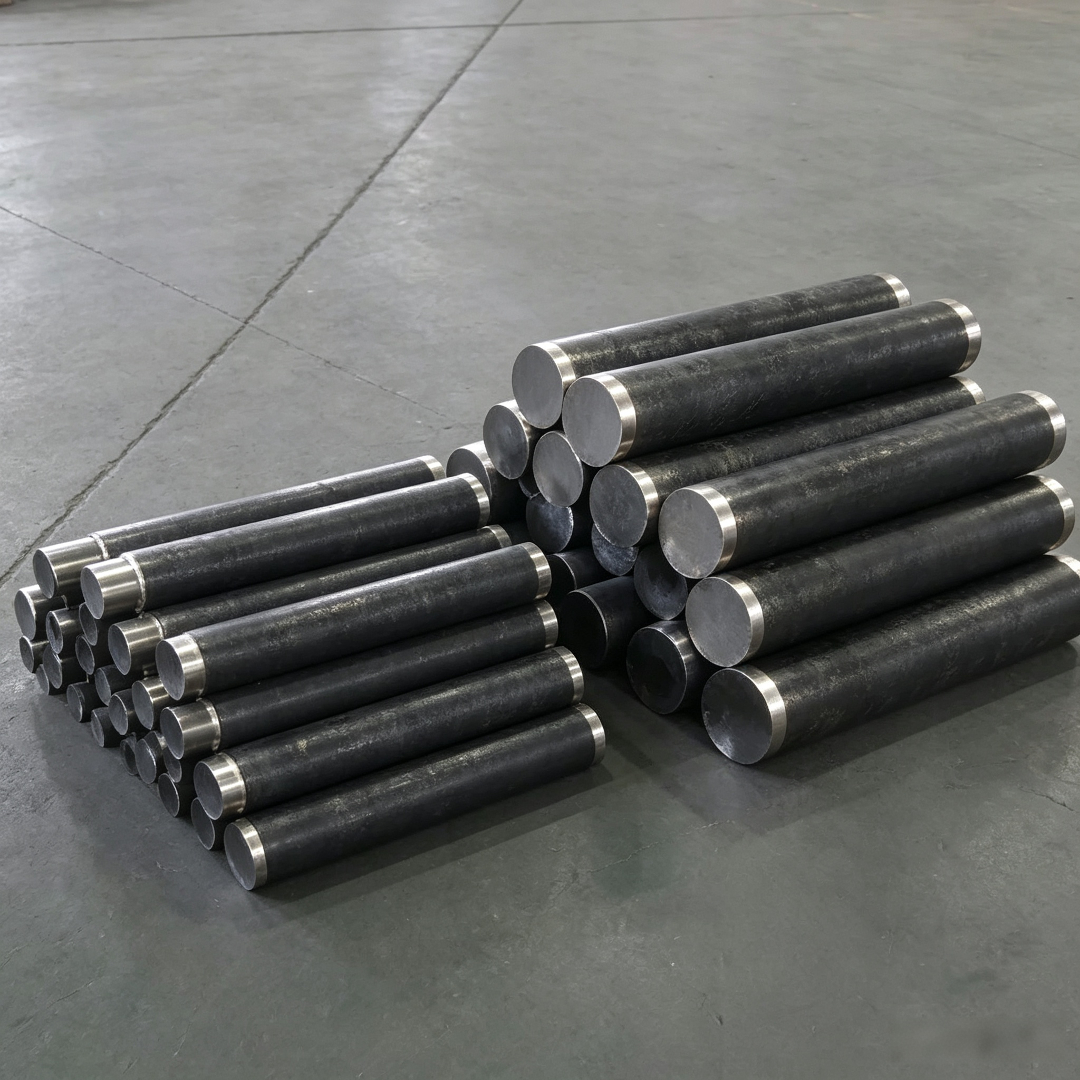
Qingchuan New Materials (Zhengzhou) Co., Ltd. stands as a leading manufacturer of high-performance specialty alloys, with particular expertise in the production of Inconel939 series products. Located in the Zhengzhou High-Tech Industrial Development Zone, our modern facility combines advanced production lines with precision machining capabilities to deliver superior quality alloy materials. This comprehensive guide explores the manufacturing processes, quality control measures, and diverse applications of our Inconel939 product range, including round bars, ingots, forging blanks, casting blanks, and master alloys.
Understanding Inconel939 Alloy Composition
Inconel939 belongs to the family of nickel-based superalloys specifically developed for high-temperature applications requiring exceptional strength and corrosion resistance. Our master alloy composition combines nickel as the base metal with strategic additions of chromium, cobalt, molybdenum, and other elements to achieve optimal performance characteristics. The precise alloy composition varies depending on the specific product form and intended application, with our technical team working closely with clients to customize formulations for specialized requirements.
The nickel content in Inconel939 typically ranges between 50-60%, providing excellent thermal stability and resistance to oxidation at elevated temperatures. Chromium additions (18-22%) enhance corrosion resistance, particularly in oxidizing environments, while cobalt (10-15%) improves high-temperature strength. Molybdenum (3-5%) contributes to resistance against pitting and crevice corrosion, making the alloy suitable for harsh industrial environments. Trace elements are carefully controlled to ensure consistent material properties across different production batches.
Manufacturing Processes for Inconel939 Products
Our production facilities employ state-of-the-art technology to manufacture Inconel939 products through multiple processes tailored to specific product forms. The journey begins with raw material selection and preparation, where we source high-purity metals from certified suppliers and perform rigorous incoming inspection. For ingot production, we utilize vacuum arc remelting (VAR) technology to ensure homogeneous composition and eliminate impurities. This process involves melting the alloy in a vacuum environment and solidifying it in a water-cooled mold to produce high-quality ingots with consistent microstructure.
The conversion of ingots into different product forms involves specialized processes for each category. For round bars, we employ precision rolling and drawing techniques to achieve the required dimensions with tight tolerances. Forging blanks are produced using closed-die forging processes that enhance the material’s mechanical properties through controlled deformation. Casting blanks undergo investment casting or sand casting depending on the complexity of the final component geometry. Throughout these processes, our quality control system monitors critical parameters including temperature, pressure, and deformation rates to ensure product consistency.
Precision Machining Capabilities
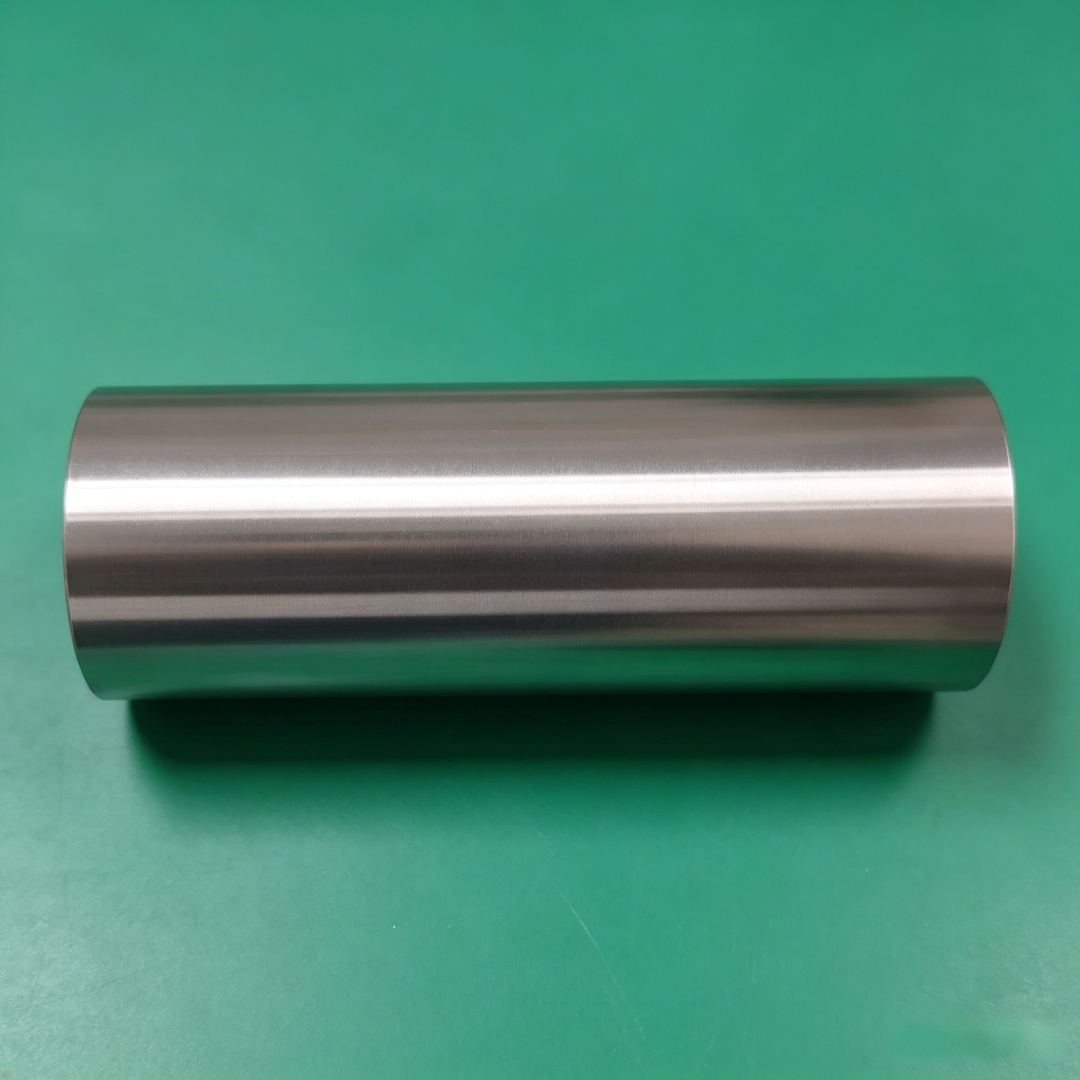
In addition to primary manufacturing processes, our facility houses advanced machining centers equipped with CNC technology to produce finished components from Inconel939 blanks. This capability allows us to offer turnkey solutions where we manufacture both the base material and the final machined part according to customer specifications. Our machining experts utilize specialized tooling and optimized cutting parameters to work with these challenging materials while maintaining dimensional accuracy and surface finish requirements.
The combination of primary manufacturing and precision machining under one roof provides several advantages to our clients. It reduces lead times by eliminating the need for multiple suppliers, ensures better quality control through consistent material properties, and allows for closer collaboration between our production and engineering teams. This integrated approach has proven particularly valuable for complex aerospace components requiring both specialized alloy properties and precise geometric features.
Quality Control Systems for Specialty Alloys
Maintaining the highest quality standards is paramount in specialty alloy manufacturing, particularly for applications in critical industries like aerospace and medical devices. Our comprehensive quality management system follows international standards including ISO 9001 and AS9100 (for aerospace applications), with procedures covering every stage from raw material procurement to final product inspection. Each production batch undergoes rigorous testing using advanced analytical equipment housed in our in-house laboratory.
Key quality control measures include:
- Chemical composition analysis using optical emission spectrometry (OES) and inductively coupled plasma mass spectrometry (ICP-MS)
- Mechanical property testing including tensile strength, yield strength, and elongation measurements
- Microstructure examination through metallographic analysis to verify grain size and phase distribution
- Non-destructive testing (NDT) methods such as ultrasonic testing and X-ray inspection for internal defect detection
- Surface finish measurement using profilometry for precision-machined components
- Dimensional verification with coordinate measuring machines (CMM) for complex geometries
| Quality Parameter | Testing Method | Acceptance Criteria |
|---|---|---|
| Nickel Content | OES/ICP-MS | 52-58% (varies by grade) |
| Tensile Strength | Universal Testing Machine | ≥860 MPa (annealed condition) |
| Grain Size | Metallographic Analysis | ASTM E112 Grade 5-8 |
| Surface Roughness | Profilometer | Ra ≤ 0.8μm (machined surfaces) |
Applications of Inconel939 Products
The exceptional properties of Inconel939 make it suitable for demanding applications across multiple industries. In the aerospace sector, our round bars and forging blanks serve as raw materials for turbine disks, compressor blades, and other hot-section components that must withstand extreme temperatures and corrosive environments. The alloy’s resistance to thermal fatigue and oxidation makes it ideal for these critical applications where component failure could have catastrophic consequences.
In the automotive industry, Inconel939 casting blanks find application in exhaust system components, turbocharger parts, and valve train elements that operate under high thermal loads. The medical field utilizes our precision-machined components for implants and surgical instruments where biocompatibility combines with the need for durable materials that can withstand repeated sterilization cycles. The alloy’s combination of strength and corrosion resistance also makes it valuable for marine applications, including propeller shafts and other components exposed to saltwater environments.
Industrial Applications
Beyond these specialized fields, Inconel939 products serve various industrial applications requiring reliable performance in challenging conditions. Chemical processing plants use the alloy for valves, pumps, and heat exchanger components that handle corrosive media at elevated temperatures. The power generation industry employs our materials in gas turbine components and nuclear reactor parts where long-term reliability is essential. Even in the tooling sector, Inconel939 offers an import substitution solution for high-performance taps, drills, and cutting tools that must maintain sharpness while resisting wear and heat buildup during operation.
The versatility of Inconel939 stems from its balanced composition that provides an optimal combination of properties. While other superalloys may excel in specific areas, Inconel939 offers a good compromise between strength, corrosion resistance, and thermal stability, making it a cost-effective choice for many applications. Our ability to supply the alloy in multiple product forms further enhances its applicability, allowing customers to select the most appropriate material format for their manufacturing processes and component designs.
FAQ
What are the primary differences between Inconel939 round bars and forging blanks?
Inconel939 round bars are typically produced through rolling or drawing processes and come in standardized diameters with consistent mechanical properties throughout their length. Forging blanks, on the other hand, are near-net-shape components produced through forging processes that align the grain structure and improve mechanical properties in specific directions. Forging blanks often require additional machining to reach final dimensions but offer superior strength characteristics for critical applications.
How does Qingchuan ensure consistent material properties across different production batches?
We maintain consistency through several quality control measures: 1) Strict supplier qualification for raw materials, 2) Automated production processes with real-time monitoring, 3) Comprehensive testing of each batch including chemical composition and mechanical properties, 4) Statistical process control (SPC) systems that track key parameters, and 5) Regular equipment calibration and maintenance. Our quality management system is certified to ISO 9001 and AS9100 standards.
What certification requirements should be considered for aerospace applications?
Aerospace components typically require compliance with standards such as AMS (Aerospace Material Specifications), ASTM (American Society for Testing and Materials), and NADCAP (National Aerospace and Defense Contractors Accreditation Program) accreditation for special processes. We maintain all necessary certifications and can provide material test reports (MTRs) with each shipment documenting chemical composition, mechanical properties, and heat treatment details.
How does the manufacturing process affect the corrosion resistance of Inconel939?
Corrosion resistance depends primarily on the alloy composition, particularly chromium content, but manufacturing processes also play a role. Proper heat treatment is crucial to develop the optimal microstructure for corrosion resistance. Our vacuum arc remelting (VAR) process for ingot production helps minimize impurities that could initiate corrosion. During forging and rolling, we control deformation rates and temperatures to avoid creating stress concentrations that might affect corrosion performance.
Summary
Qingchuan New Materials (Zhengzhou) Co., Ltd. offers a comprehensive range of Inconel939 products including round bars, ingots, forging blanks, casting blanks, and master alloys, manufactured to the highest quality standards. Our state-of-the-art facility combines advanced production technologies with rigorous quality control measures to deliver materials suitable for the most demanding applications in aerospace, automotive, medical, and industrial sectors. By understanding the specific requirements of each application and maintaining strict control over every stage of the manufacturing process, we ensure that our Inconel939 products consistently meet or exceed customer expectations for performance and reliability.