
In the realm of advanced materials engineering, NiCr8020 alloy stands as a cornerstone for high-performance industrial applications. As a professional manufacturer specializing in specialty alloys and high-purity materials, Qingchuan New Materials (Zhengzhou) Co., Ltd. offers a comprehensive range of NiCr8020 products designed to meet the most demanding requirements across various industries. This guide provides an in-depth analysis of NiCr8020 alloy materials, their properties, applications, and the manufacturing capabilities that ensure superior quality.
Understanding NiCr8020 Alloy Composition and Properties
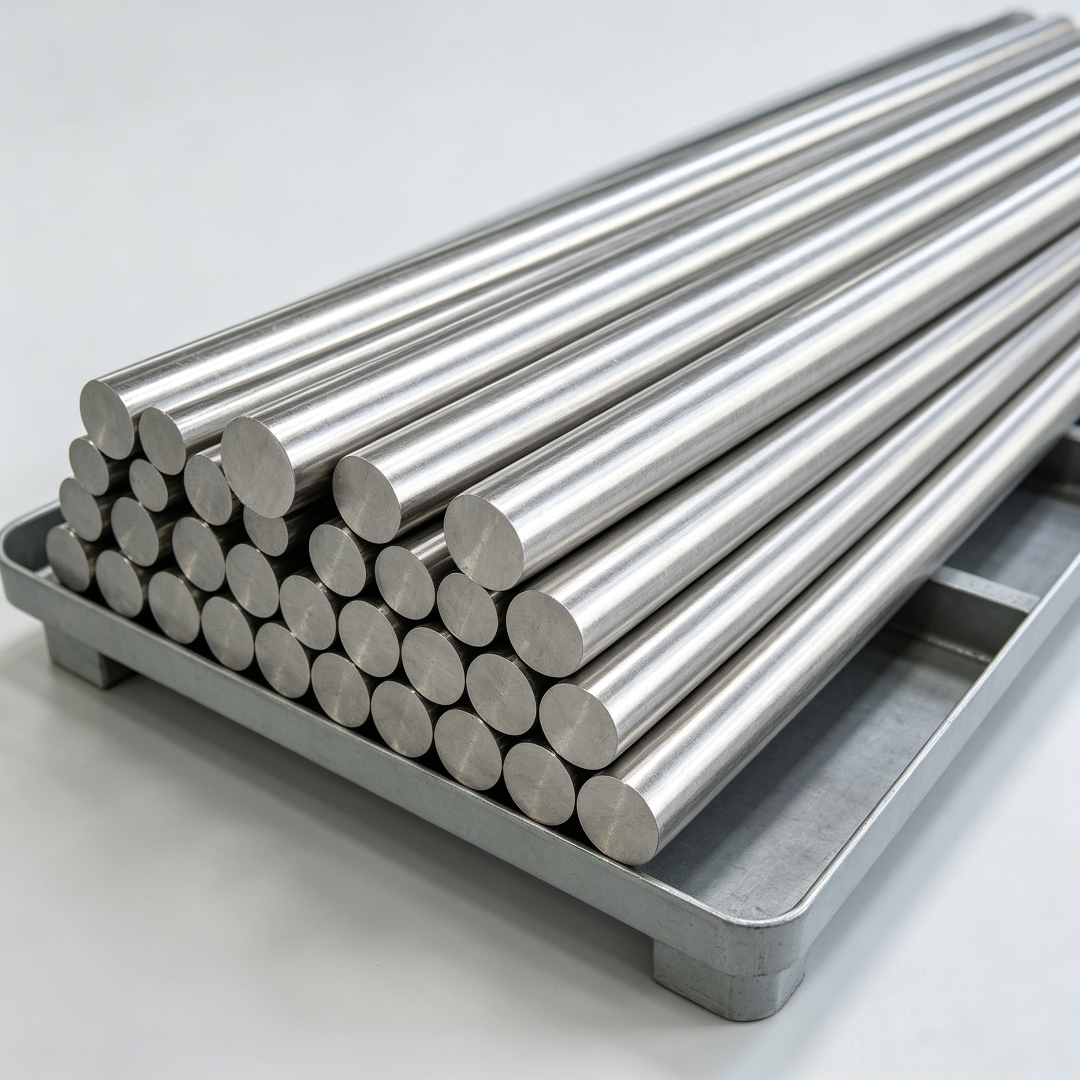
NiCr8020 belongs to the family of nickel-chromium alloys, specifically designed with an optimized composition of approximately 80% nickel and 20% chromium. This precise alloying ratio provides an exceptional balance of properties that make it indispensable in high-temperature and corrosive environments. The alloy’s composition includes trace elements that enhance specific characteristics while maintaining its fundamental performance attributes.
The material demonstrates outstanding oxidation resistance up to 1100°C (2012°F), making it ideal for continuous operation in extreme thermal conditions. Its high nickel content ensures excellent dimensional stability and resistance to thermal fatigue, while chromium contributes to the formation of a protective oxide layer that prevents further corrosion. The alloy’s mechanical properties remain consistent across a wide temperature range, from cryogenic conditions to elevated service temperatures.
Compared to standard stainless steels, NiCr8020 offers significantly better performance in aggressive environments. Its resistance to pitting, crevice corrosion, and stress corrosion cracking makes it suitable for applications where other materials would fail prematurely. The alloy’s workability allows for various processing methods including forging, rolling, and drawing, enabling the production of different product forms to meet specific application requirements.
Comprehensive Product Range of NiCr8020 Alloys
Qingchuan New Materials maintains a complete inventory of NiCr8020 alloy products in multiple forms to accommodate diverse industrial needs. Our manufacturing capabilities ensure consistent quality across all product variations while meeting stringent international standards.
NiCr8020 Wire Products
Our NiCr8020 wire is produced through precision drawing processes that maintain tight dimensional tolerances and excellent surface finish. Available in diameters ranging from 0.05mm to 12mm, the wire demonstrates consistent mechanical properties and electrical conductivity. Applications include heating elements, resistance wires, and spring components where high-temperature performance is critical.
The wire’s clean surface and uniform composition make it particularly suitable for medical device applications such as guidewires and stents. Our manufacturing process includes special cleaning procedures to ensure biocompatibility requirements are met for implantable devices.
NiCr8020 Sheet and Strip Materials
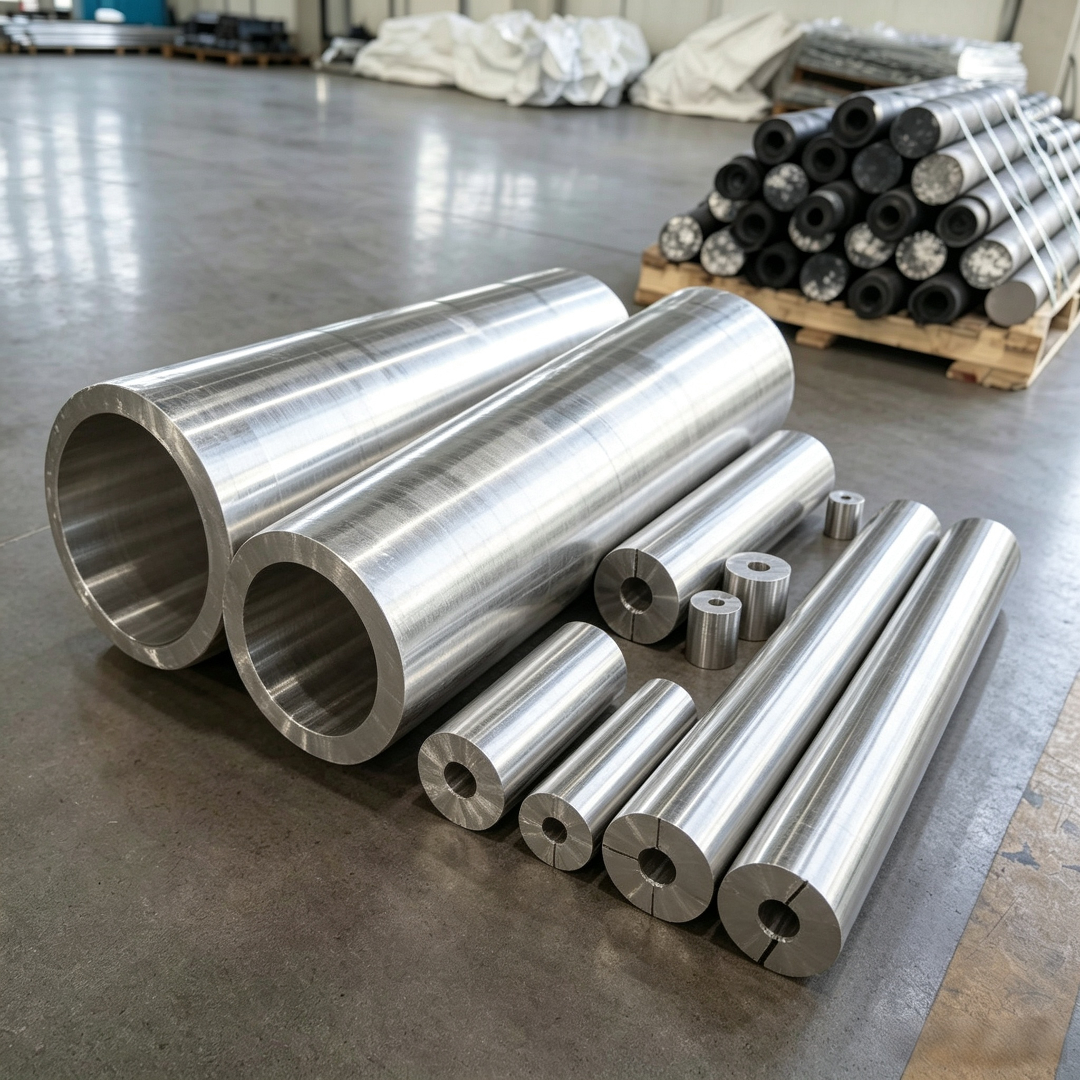
Our sheet and strip products are manufactured through hot and cold rolling processes that achieve precise thickness control and excellent flatness. Available thicknesses range from 0.05mm to 50mm, with widths up to 1200mm depending on thickness. The materials demonstrate consistent mechanical properties across the entire surface area.
These products find extensive applications in:
- Aerospace components requiring high-temperature resistance
- Automotive exhaust system parts
- Chemical processing equipment
- Heat exchanger components
- Decorative applications requiring corrosion resistance
The strip products are particularly suitable for manufacturing bellows, flexible hoses, and electrical contacts where both formability and high-temperature performance are required. Our advanced rolling technology ensures minimal internal stress in the final products.
NiCr8020 Round Bar and Forgings
For structural applications requiring superior strength and corrosion resistance, our NiCr8020 round bars are produced through precision forging and rolling processes. Available diameters range from 6mm to 300mm, with lengths customized to customer specifications. The bars demonstrate excellent machinability while maintaining their high-temperature properties.
Typical applications include:
- Gas turbine components
- Industrial furnace fixtures
- Chemical processing valves and fittings
- Marine hardware exposed to seawater
- Nuclear industry components
Our forging capabilities allow us to produce complex shapes and custom components according to customer drawings, with strict control over grain flow and mechanical properties throughout the part geometry.
| Product Form | Standard Sizes | Surface Finish | Tolerances |
|---|---|---|---|
| Wire | 0.05-12mm diameter | Bright, Matte | ±0.005mm |
| Sheet | 0.05-50mm thickness | 2B, BA, No.4 | ±0.05mm |
| Round Bar | 6-300mm diameter | Black, Peeled | ±0.1mm |
Advanced Manufacturing Capabilities for NiCr8020 Alloys
At Qingchuan New Materials, we maintain state-of-the-art production facilities specifically designed for specialty alloy manufacturing. Our vertically integrated operations encompass melting, forming, heat treatment, and precision machining under one roof, ensuring complete control over the entire production process.
Our vacuum induction melting (VIM) and electroslag remelting (ESR) capabilities allow us to produce NiCr8020 alloys with exceptional purity and homogeneous microstructure. The controlled atmosphere melting processes eliminate contamination and ensure consistent chemical composition throughout each ingot.
The forming operations utilize advanced rolling mills equipped with automatic gauge control and shape correction systems. This technology enables us to produce sheets and strips with superior flatness and thickness uniformity. For wire production, our multi-stage drawing lines incorporate intermediate annealing and surface treatment stations to achieve the required mechanical properties and surface finish.
Heat treatment facilities include vacuum furnaces capable of precise temperature control up to 1250°C. This allows us to perform solution annealing, stress relieving, and aging treatments according to specific customer requirements or international standards. The vacuum environment prevents oxidation and maintains the material’s surface quality during heat treatment.
Quality Control and Certification Standards
Quality assurance forms the foundation of our manufacturing operations. We implement a comprehensive quality management system that covers every stage from raw material inspection to final product testing. Our laboratories are equipped with advanced analytical instruments including:
- Optical emission spectrometers (OES) for precise chemical analysis
- Scanning electron microscopes (SEM) for microstructure examination
- Universal testing machines for mechanical property evaluation
- Metallographic equipment for grain size analysis
- Hardness testers for various hardness scales
Each production batch undergoes rigorous testing according to international standards such as ASTM, AMS, and DIN. Typical test parameters include chemical composition, tensile strength, yield strength, elongation, reduction of area, and hardness. For critical applications, we provide additional testing services including:
- Corrosion resistance testing in simulated service environments
- High-temperature mechanical property evaluation
- Non-destructive testing (NDT) including ultrasonic and X-ray inspection
- Metallographic analysis for microstructure verification
- Particle size analysis for powder metallurgy products
Our quality management system is certified to ISO 9001:2015 standards, and we maintain all necessary certifications for export to major international markets. We can provide material test reports (MTRs) with each shipment, including full traceability from raw material to finished product.
FAQ
What are the main differences between NiCr8020 wire and sheet applications?
NiCr8020 wire is primarily used for heating elements, springs, and medical devices where flexibility and precise dimensions are critical. Sheet products find applications in components requiring flat surfaces and specific thicknesses, such as heat exchanger plates, aerospace panels, and chemical processing equipment. The choice depends on the component’s geometry and functional requirements.
How does NiCr8020 compare to Inconel 600 in terms of performance?
While both alloys share similar nickel-chromium compositions, NiCr8020 typically contains slightly higher chromium content (around 20% vs. 15-17% in Inconel 600), providing better oxidation resistance at elevated temperatures. Inconel 600 offers superior aqueous corrosion resistance, making it preferable for chemical processing applications. The choice depends on specific service conditions and performance requirements.
What surface finishes are available for NiCr8020 sheet products?
We offer several standard surface finishes for NiCr8020 sheets: 2B (cold rolled, annealed, pickled), BA (bright annealed), No.4 (brushed finish), and No.8 (mirror finish). Special finishes like electropolishing or passivation can be provided upon request. The surface finish affects both the material’s appearance and its corrosion resistance in certain environments.
How does your company ensure the purity of NiCr8020 materials?
Our manufacturing process incorporates multiple purity control measures: 1) Using high-purity raw materials with strict supplier qualifications, 2) Employing vacuum induction melting (VIM) and electroslag remelting (ESR) processes to minimize contamination, 3) Implementing comprehensive chemical analysis at each production stage, and 4) Maintaining cleanroom conditions during final processing and packaging.
Can NiCr8020 be used for medical implant applications?
Yes, NiCr8020’s biocompatibility and corrosion resistance make it suitable for certain medical applications. However, specific grades must meet additional requirements such as ASTM F136 or ISO 5832 standards. We offer medical-grade NiCr8020 materials that undergo special processing including electropolishing, passivation, and cleanroom packaging to meet stringent biomedical requirements.
Summary
NiCr8020 alloy materials from Qingchuan New Materials represent the pinnacle of high-performance specialty alloys designed for demanding industrial applications. With a comprehensive product range including wire, sheet, strip, and round bar forms, we provide solutions for aviation, medical, automotive, and chemical processing industries worldwide. Our advanced manufacturing capabilities, stringent quality control, and commitment to continuous improvement ensure that our NiCr8020 products consistently meet and exceed international standards.
Whether you require standard product forms or custom components, our technical team works closely with customers to develop optimal solutions for their specific applications. From material selection advice to post-processing support, we provide comprehensive services that add value throughout your supply chain. Contact us today to discuss how our NiCr8020 alloy materials can enhance the performance and reliability of your critical components.