
When it comes to high-temperature applications in demanding industries like aviation, aerospace, and gas turbines, selecting the right material is crucial. Mar-M247 alloy stands out as a premier choice among nickel-based superalloys, offering exceptional performance in extreme environments. This comprehensive guide explores everything you need to know about Mar-M247 alloy, from its composition and properties to its diverse applications and advantages over alternative materials.
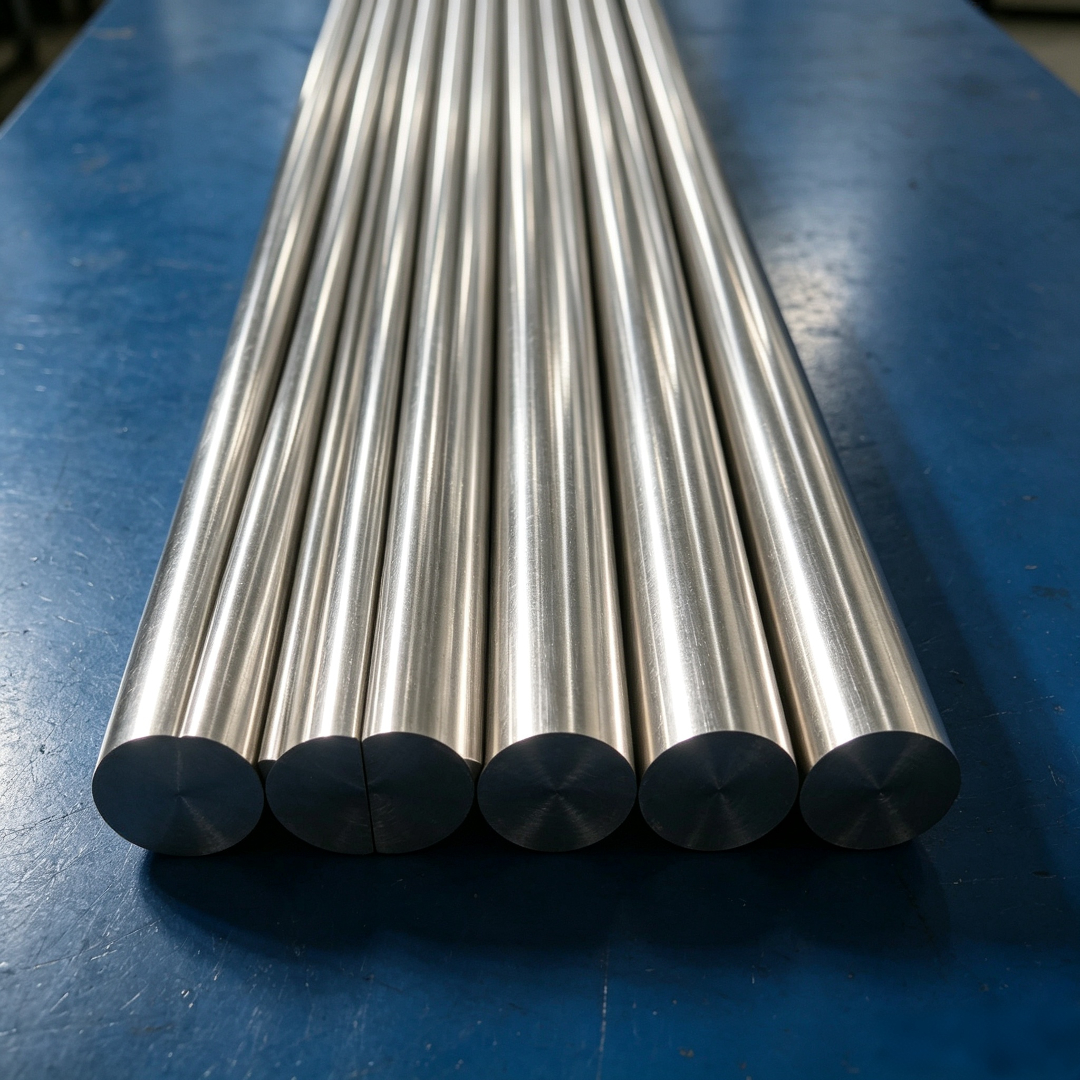
Understanding Mar-M247 Alloy Composition and Properties
Mar-M247, also known as MAR-M247 or MarM247, is a nickel-based superalloy specifically designed for high-temperature applications. Its composition typically includes:
- Nickel (Ni): 50-55%
- Chromium (Cr): 8-10%
- Cobalt (Co): 9-11%
- Molybdenum (Mo): 3-4.5%
- Titanium (Ti): 1-1.5%
- Aluminum (Al): 5-6%
- Carbon (C): 0.15-0.25%
- Boron (B): 0.015-0.025%
- Zirconium (Zr): 0.03-0.08%
This precise combination of elements gives Mar-M247 alloy its remarkable properties:
High-temperature strength: Mar-M247 maintains excellent mechanical properties at temperatures up to 1100°C (2012°F), making it ideal for components exposed to extreme heat.
Oxidation resistance: The chromium content provides superior protection against oxidation at high temperatures, extending component lifespan.
Corrosion resistance: Mar-M247 demonstrates excellent resistance to various corrosive environments, including those found in marine and chemical processing applications.
Thermal fatigue resistance: The alloy’s microstructure helps it withstand repeated thermal cycling without cracking or failure.
Castability: Mar-M247 is well-suited for precision casting processes, allowing for the production of complex shapes with minimal machining required.
Mar-M247 vs. K447A Alloy: Key Differences
While Mar-M247 and K447A are both nickel-based superalloys used in high-temperature applications, there are important differences to consider:
Composition variations: K447A typically contains slightly different proportions of alloying elements, which can affect its performance characteristics.
Temperature capabilities: Mar-M247 generally offers better high-temperature strength compared to K447A, making it preferable for the most demanding applications.
Application focus: K447A is often used in specific applications like industrial gas turbines, while Mar-M247 has broader applications across aviation, aerospace, and marine industries.
Processing requirements: The two alloys may have different requirements for melting, casting, and heat treatment processes.
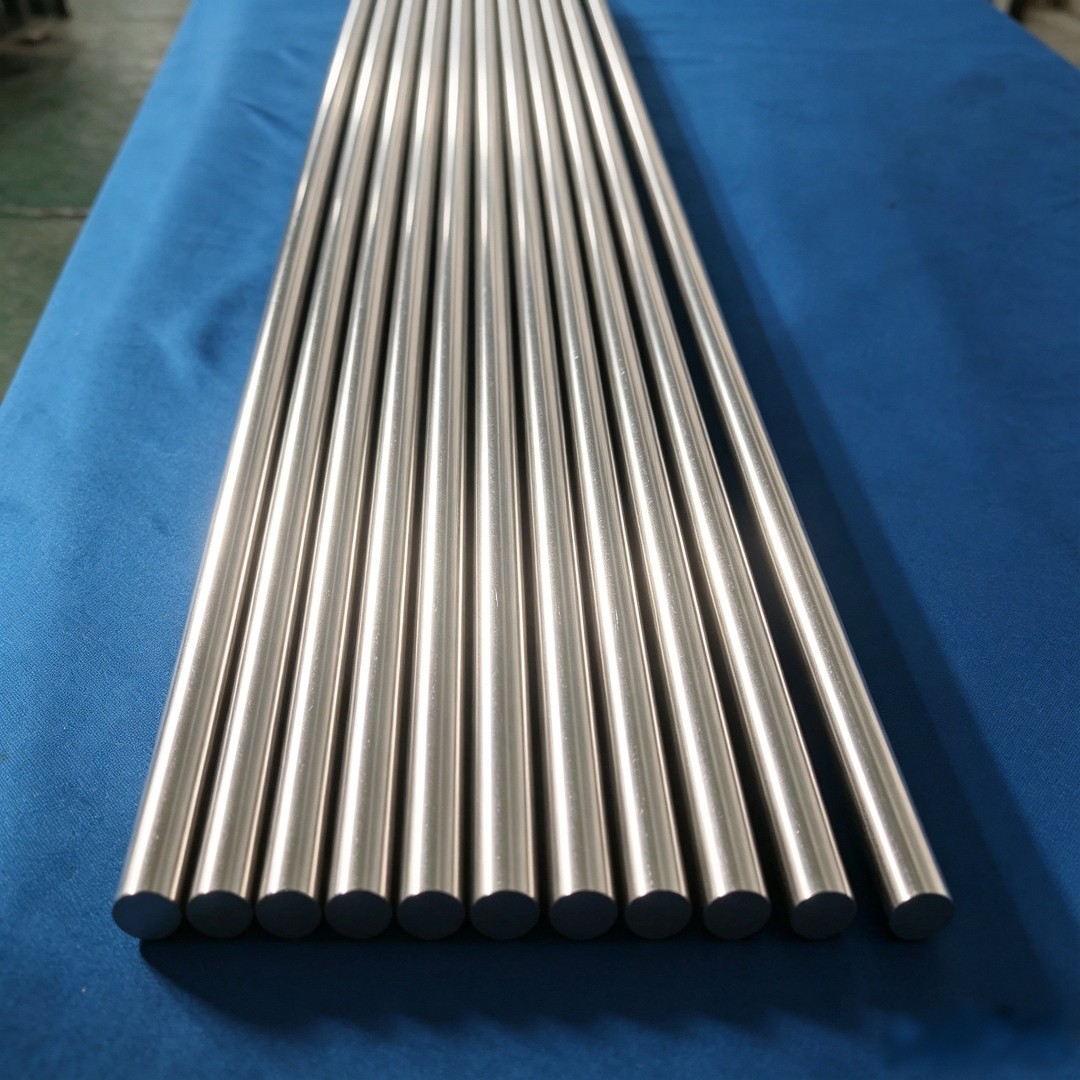
Mar-M247 Round Bar: Versatile Form for Various Applications
Mar-M247 round bars offer exceptional versatility in manufacturing processes. These bars can be used as:
- Raw material for forging operations to create custom shapes
- Starting stock for machining complex components
- Feedstock for metal powder 3D printing processes
- Electrodes for vacuum arc remelting (VAR) or electroslag remelting (ESR) to produce high-purity ingots
The availability of Mar-M247 in round bar form makes it easier for manufacturers to produce components with consistent quality and properties throughout the part.
Applications of Mar-M247 Alloy Across Industries
Mar-M247’s exceptional properties make it the material of choice for numerous high-performance applications:
1. Aviation and Aerospace Components
In the aviation industry, Mar-M247 is used to manufacture critical components that must withstand extreme temperatures and stresses:
- Turbine blades and vanes
- Combustion chamber liners
- Afterburner components
- Nozzle guide vanes
- Seals and shrouds
The alloy’s ability to maintain strength at high temperatures while resisting oxidation and thermal fatigue makes it ideal for these demanding applications.
2. Gas Turbine Components
For industrial gas turbines used in power generation, Mar-M247 provides reliable performance in hot sections:
- First-stage turbine blades
- Transition ducts
- Exhaust frames
- Combustor cans
The alloy’s long-term stability at elevated temperatures helps improve turbine efficiency and reduce maintenance costs.
3. Automotive Applications
In high-performance automotive engines, Mar-M247 is used for:
- Turbocharger components
- Exhaust valves
- Connecting rods for racing engines
The alloy’s ability to withstand extreme exhaust temperatures and corrosive environments makes it valuable in these applications.
4. Marine Industry Components
Mar-M247’s excellent corrosion resistance makes it suitable for marine applications:
- Exhaust systems for marine engines
- Components for offshore drilling equipment
- Seawater-cooled heat exchangers
The alloy’s resistance to pitting and crevice corrosion in saltwater environments ensures long service life in harsh marine conditions.
5. Medical Device Manufacturing
While less common, Mar-M247 can be used in specialized medical applications where its properties are beneficial:
- Components for high-temperature sterilization equipment
- Specialized surgical instruments that require heat resistance
Manufacturing Processes for Mar-M247 Components
Producing high-quality Mar-M247 components requires specialized manufacturing processes:
Precision Casting
Investment casting (lost-wax process) is commonly used to produce complex Mar-M247 components with near-net shapes, minimizing machining requirements. This process involves:
- Creating a wax pattern of the desired part
- Coating the pattern with ceramic to form a mold
- Melting out the wax to leave a cavity
- Pouring molten Mar-M247 alloy into the mold
- Allowing the part to solidify and then removing the ceramic shell
Heat Treatment
Proper heat treatment is essential to achieve the desired microstructure and properties in Mar-M247 components. Typical heat treatment steps include:
- Solution treatment to dissolve precipitates
- Quenching to rapidly cool the part
- Aging treatment to precipitate strengthening phases
Machining Considerations
Mar-M247 is a challenging material to machine due to its hardness and tendency to work harden. Specialized tooling and cutting parameters are required:
- Carbide or ceramic cutting tools
- High cutting speeds with low feed rates
- Ample coolant to prevent overheating
- Rigid machine setups to minimize vibration
Quality Control and Testing for Mar-M247 Alloy
Ensuring the highest quality standards for Mar-M247 components requires comprehensive testing and quality control measures:
| Test Type | Purpose | Method |
|---|---|---|
| Chemical Analysis | Verify alloy composition meets specifications | Optical Emission Spectroscopy (OES) or X-ray Fluorescence (XRF) |
| Mechanical Testing | Determine tensile strength, yield strength, and elongation | Universal Testing Machine at room and elevated temperatures |
| Hardness Testing | Measure material hardness | Rockwell or Vickers hardness testers |
| Microstructure Analysis | Examine grain structure and phase distribution | Optical and scanning electron microscopy |
| Non-Destructive Testing (NDT) | Detect internal defects without damaging the part | X-ray, ultrasonic, or liquid penetrant testing |
FAQ
What is the maximum service temperature for Mar-M247 alloy components?
Mar-M247 alloy is designed for long-term service at temperatures up to 1100°C (2012°F). However, the actual maximum operating temperature depends on the specific application, stress levels, and environmental conditions. For short-term exposure or lower stress applications, Mar-M247 can withstand even higher temperatures.
How does Mar-M247 compare to Inconel 718 for high-temperature applications?
While both are nickel-based superalloys, Mar-M247 offers superior high-temperature strength compared to Inconel 718. Inconel 718 is typically used for applications up to about 650°C (1200°F), while Mar-M247 maintains its strength at much higher temperatures, making it preferable for the most demanding high-temperature applications in aviation and aerospace.
Can Mar-M247 alloy be welded for repair or fabrication purposes?
Welding Mar-M247 alloy requires specialized techniques and post-weld heat treatment to prevent cracking and maintain properties. Gas tungsten arc welding (GTAW) with matching filler material is commonly used, followed by stress relief or solution annealing treatments. It’s recommended to consult with a materials engineer experienced in superalloy welding for specific applications.
What are the typical lead times for manufacturing Mar-M247 components?
Lead times for Mar-M247 components vary depending on the complexity of the part, manufacturing process, and order quantity. For precision cast components, lead times typically range from 4-8 weeks, while machined parts may take 3-6 weeks. Custom alloy development or large orders may require longer lead times. Working with an experienced manufacturer can help optimize production schedules.
How does Qingchuan New Materials ensure the quality of its Mar-M247 alloy products?
At Qingchuan New Materials, we implement strict quality control measures throughout our manufacturing process. This includes comprehensive chemical analysis, mechanical testing, and non-destructive testing of every batch. Our modern facilities in Zhengzhou High-Tech Industrial Development Zone are equipped with advanced analytical equipment to ensure our Mar-M247 alloy meets or exceeds international standards for purity and performance.
Summary
Mar-M247 alloy stands as a premier choice for high-temperature applications across aviation, aerospace, gas turbines, automotive, and marine industries. Its exceptional combination of high-temperature strength, oxidation resistance, and corrosion resistance makes it ideal for components exposed to extreme environments. Whether in the form of precision-cast turbine blades, forged components, or round bars for further processing, Mar-M247 delivers reliable performance in the most demanding applications.
When selecting a Mar-M247 alloy supplier, consider factors such as manufacturing capabilities, quality control processes, and industry experience. Qingchuan New Materials, with its state-of-the-art facilities in Zhengzhou and comprehensive testing capabilities, is well-positioned to provide high-quality Mar-M247 alloy products tailored to your specific requirements.
As industries continue to push the boundaries of performance and efficiency, materials like Mar-M247 alloy will play an increasingly vital role in enabling technological advancements. By understanding the properties, applications, and manufacturing considerations of this remarkable superalloy, engineers and procurement professionals can make informed decisions that optimize performance and reliability in their high-temperature applications.