
In the realm of advanced materials engineering, specialty alloys play a pivotal role in enabling cutting-edge technologies across multiple industries. Qingchuan New Materials (Zhengzhou) Co., Ltd. stands as a premier manufacturer specializing in the development and production of high-performance alloy materials, with particular expertise in Inconel792 series products. Our modern facility located in Zhengzhou High-Tech Industrial Development Zone combines state-of-the-art production equipment with rigorous quality control systems to deliver materials that meet the most demanding specifications.
Comprehensive Inconel792 Product Range
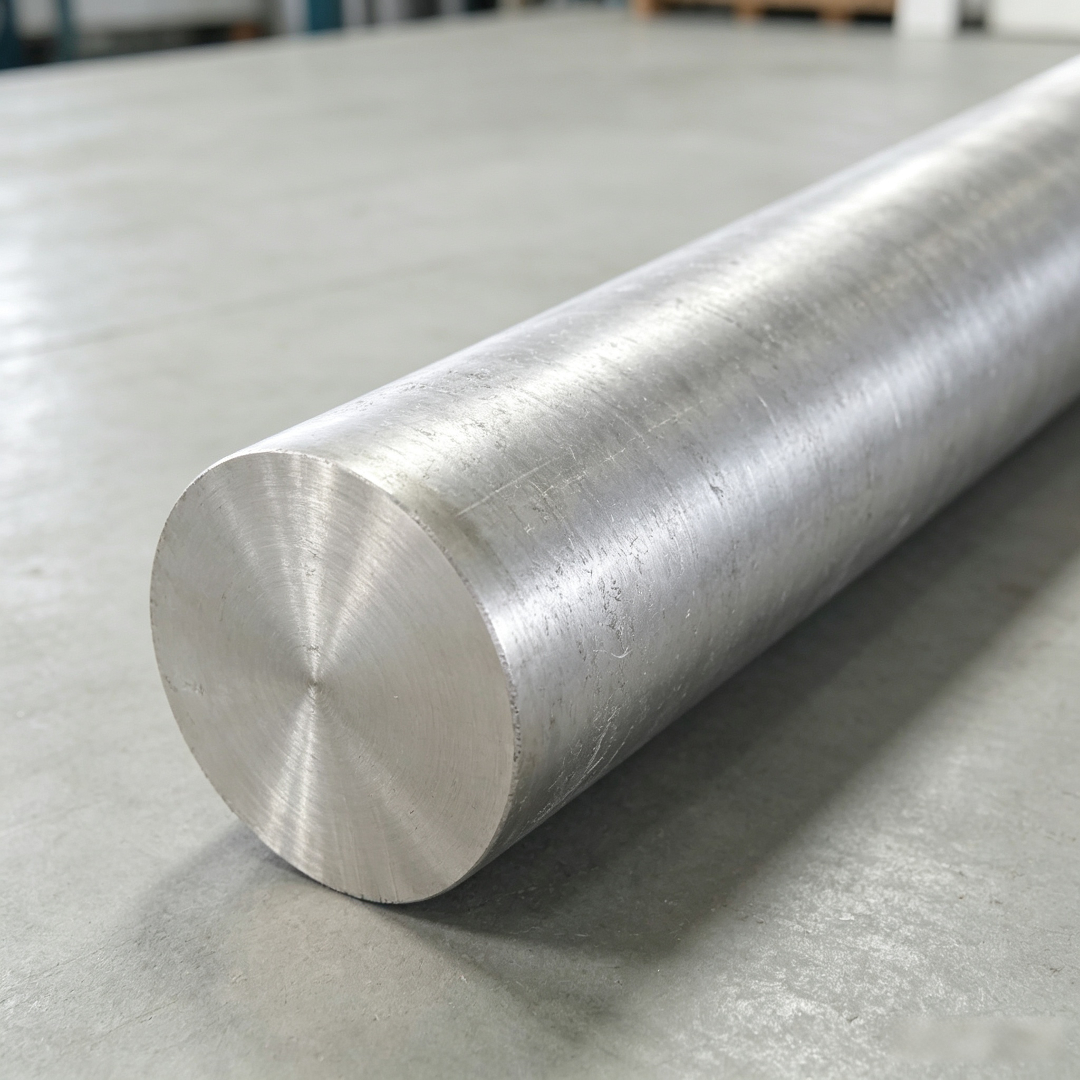
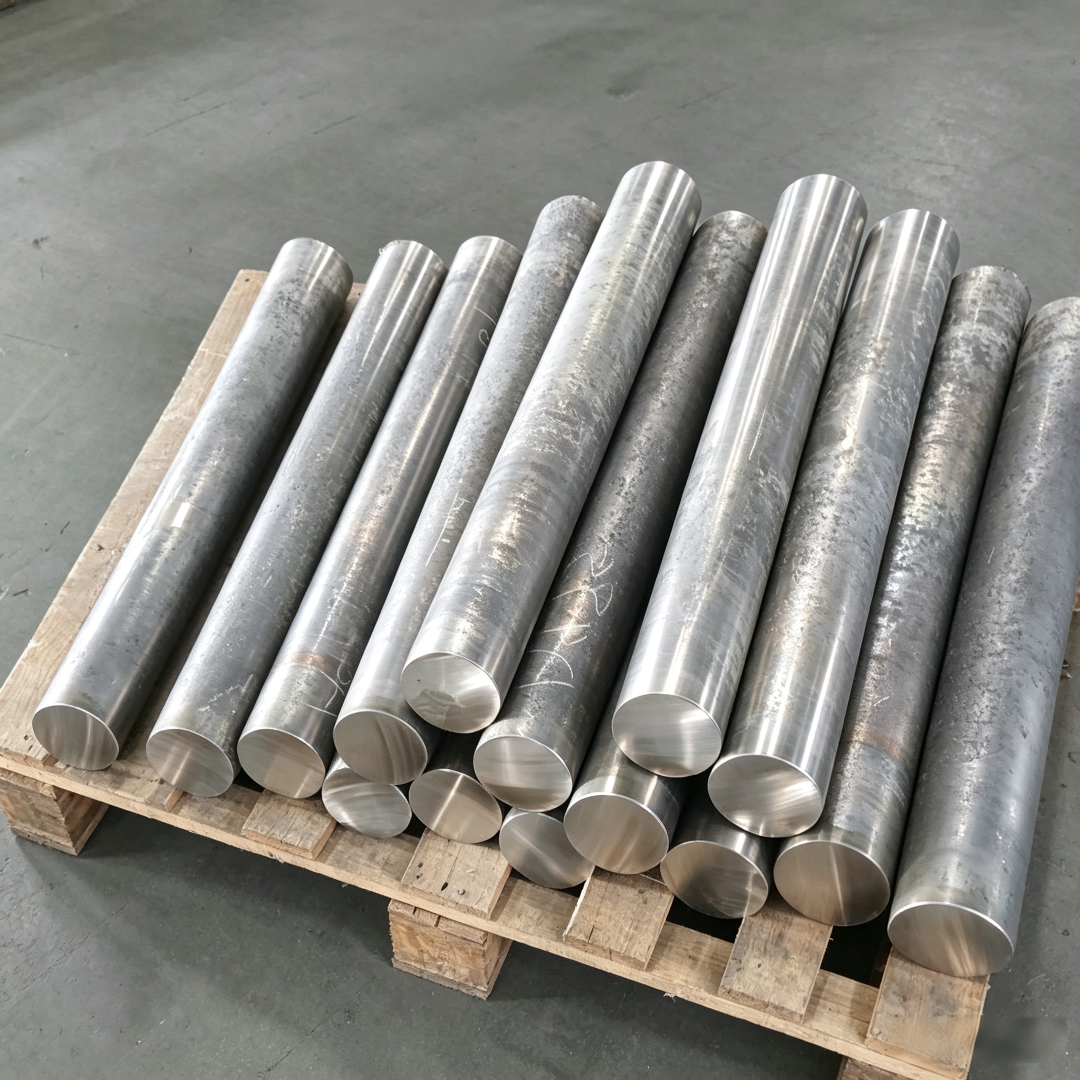
Our product portfolio encompasses the complete range of Inconel792 material forms required by modern manufacturing processes. The Inconel792 round bar series represents our flagship product, available in diameters ranging from 10mm to 300mm with precise dimensional tolerances maintained throughout production. These bars undergo multiple stages of quality inspection including ultrasonic testing, metallographic analysis, and mechanical property verification to ensure consistency across batches.
The Inconel792 ingot production utilizes advanced vacuum induction melting (VIM) technology combined with electroslag remelting (ESR) processes to achieve superior material purity. This dual-melting approach effectively removes impurities while maintaining homogeneous chemical composition throughout the ingot volume. Our standard ingot weights range from 50kg to 2000kg, with custom sizes available upon request to accommodate specific customer requirements.
For forging applications, our Inconel792 forging blanks are produced through controlled hot working processes that optimize the material’s microstructure for enhanced mechanical properties. The forging process improves density, reduces porosity, and aligns grain flow patterns to maximize fatigue resistance in critical components. These forgings serve as the foundation for high-performance parts in aerospace and energy sectors.
Advanced Manufacturing Capabilities
Our Zhengzhou facility houses specialized equipment designed specifically for specialty alloy production. The vacuum induction melting furnaces feature precise temperature control systems capable of maintaining melting temperatures within ±5°C across the entire melt volume. This level of control ensures consistent chemical composition even when producing small batch sizes or complex alloy formulations.
The hot rolling lines incorporate computerized control systems that monitor and adjust rolling parameters in real-time. This automation maintains consistent reduction ratios throughout the rolling process, producing bars with uniform mechanical properties along their entire length. The cooling systems employ specialized quenching media to achieve desired microstructures without introducing residual stresses.
For precision machining operations, we utilize multi-axis CNC turning centers equipped with high-speed spindles and rigid tooling systems. These machines enable us to produce finished components with tight tolerances (±0.01mm) and excellent surface finishes (Ra ≤ 0.8μm). The integrated quality control stations perform in-process measurements to verify dimensional accuracy at every stage of production.
| Product Form | Standard Specifications | Typical Applications |
|---|---|---|
| Round Bar | Ø10-300mm, Length ≤6000mm | Gas turbine components, Medical implants |
| Ingot | 50-2000kg, Dimensions customizable | Forging blanks, Investment casting |
| Forging | Up to 800mm diameter | Aerospace structural parts |
Quality Assurance Systems
At Qingchuan New Materials, quality control begins with raw material selection. We source only prime-grade virgin materials from accredited suppliers, with each batch accompanied by complete material certificates. Our incoming inspection laboratory performs comprehensive chemical analysis using inductively coupled plasma mass spectrometry (ICP-MS) to verify compliance with specification limits before materials enter production.
During production, we implement statistical process control (SPC) techniques at critical manufacturing stages. Real-time data collection from melting furnaces, rolling mills, and heat treatment equipment enables continuous monitoring of process parameters. This data-driven approach allows for immediate corrective actions when process variables deviate from established control limits.
The final inspection protocol includes multiple testing methods tailored to each product form. For round bars, we perform ultrasonic testing (UT) per ASTM E2375 standards to detect internal defects, combined with eddy current testing (ET) for surface crack detection. Hardness testing, tensile testing, and impact testing verify mechanical properties, while metallographic examination confirms microstructural characteristics.
Industry Applications
The aerospace sector represents our largest market segment for Inconel792 materials. These alloys are essential for manufacturing gas turbine engine components that must withstand extreme operating temperatures (up to 1100°C) while maintaining structural integrity. Typical applications include turbine blades, combustor cans, and afterburner components where the combination of high-temperature strength and oxidation resistance is critical.
In the medical field, our materials support the production of orthopedic implants and dental prosthetics through precision casting processes. The biocompatibility of nickel-based alloys combined with their excellent corrosion resistance makes them ideal for long-term implantation. We work closely with medical device manufacturers to develop material specifications that meet stringent regulatory requirements while optimizing manufacturing efficiency.
The energy sector benefits from our materials in power generation applications, particularly in advanced ultra-supercritical (USC) steam turbines. The high-temperature capabilities of Inconel792 alloys enable more efficient power generation by allowing higher steam temperatures and pressures, which directly translates to improved thermal efficiency and reduced CO2 emissions per unit of electricity generated.
FAQ
What makes Inconel792 suitable for high-temperature applications?
Inconel792 achieves its exceptional high-temperature performance through a carefully balanced alloy composition containing nickel, chromium, cobalt, and aluminum. The aluminum content forms a protective aluminum oxide (Al2O3) scale on the surface when exposed to high temperatures, providing excellent oxidation resistance. Meanwhile, the solid solution strengthening from nickel and cobalt, combined with precipitation strengthening from gamma prime (γ’) phase formation, maintains mechanical strength at elevated temperatures.
How does your production process ensure material consistency?
We maintain material consistency through multiple quality control measures. Our vacuum induction melting process operates in an inert atmosphere to prevent contamination during melting. The electroslag remelting (ESR) process further purifies the material by removing non-metallic inclusions. During hot working, we use precise temperature control and reduction ratios to achieve uniform microstructure. Finally, our statistical process control (SPC) systems monitor key parameters at every production stage to detect and correct deviations immediately.
What surface finishes are available for Inconel792 round bars?
We offer several surface finish options to meet different application requirements. The standard finish is a turned surface with Ra ≤ 3.2μm, suitable for most machining applications. For applications requiring better corrosion resistance or improved fatigue performance, we offer ground finishes with Ra ≤ 0.8μm. We can also provide polished finishes up to Ra ≤ 0.4μm for decorative applications or where extremely smooth surfaces are necessary. Each finish level undergoes specific cleaning procedures to ensure surface integrity before shipment.
How do you verify the mechanical properties of your materials?
Mechanical property verification follows rigorous testing protocols aligned with international standards. For tensile properties, we perform tests per ASTM E8 on sub-size specimens machined from finished products. Hardness testing uses Rockwell B (HRB) or Vickers (HV) methods depending on material thickness. Impact testing follows ASTM E23 to verify toughness at room temperature and elevated temperatures when required. All test equipment is calibrated regularly by accredited laboratories, and our testing procedures are audited annually as part of our ISO 9001 certification requirements.
Summary
Qingchuan New Materials has established itself as a trusted supplier of specialty alloy materials through technical expertise, advanced manufacturing capabilities, and rigorous quality control systems. Our Inconel792 product range supports critical applications across aerospace, medical, energy, and industrial sectors by providing materials that consistently meet demanding performance requirements. By combining state-of-the-art production equipment with a deep understanding of alloy metallurgy, we deliver solutions that enable our customers to push the boundaries of what’s possible in high-performance material applications.