
In the realm of advanced materials engineering, NiCr8020 alloy stands out as a critical component for high-performance applications across multiple industries. As a professional manufacturer specializing in high-purity metals and specialty alloys, Qingchuan New Materials (Zhengzhou) Co., Ltd. has established itself as a trusted supplier of NiCr8020 materials in various forms including wire, sheet, strip, and round bar. This comprehensive guide explores the properties, applications, and manufacturing advantages of NiCr8020 alloy materials, providing valuable insights for engineers, procurement specialists, and industry professionals worldwide.
Understanding NiCr8020 Alloy Composition and Properties
NiCr8020 belongs to the family of nickel-chromium alloys with a specific composition designed for optimal performance in demanding environments. The alloy typically contains approximately 80% nickel and 20% chromium, with trace elements added to enhance specific properties. This composition gives NiCr8020 excellent resistance to oxidation and corrosion at high temperatures, making it ideal for applications involving extreme thermal conditions.
The material’s high melting point (around 1390°C) and stable microstructure ensure dimensional stability during prolonged exposure to elevated temperatures. Additionally, NiCr8020 demonstrates good mechanical strength and ductility, allowing for various forming processes while maintaining its integrity. These properties make it comparable to the German standard W.Nr.2.4869, which is widely recognized in European industrial specifications.
One of the key advantages of NiCr8020 is its exceptional resistance to carburization and sulfur-containing atmospheres. This characteristic makes the alloy particularly valuable in chemical processing and petrochemical applications where exposure to corrosive substances is common. The material’s low coefficient of thermal expansion also contributes to its suitability for precision components that must maintain tight tolerances across temperature fluctuations.
Product Forms and Manufacturing Capabilities
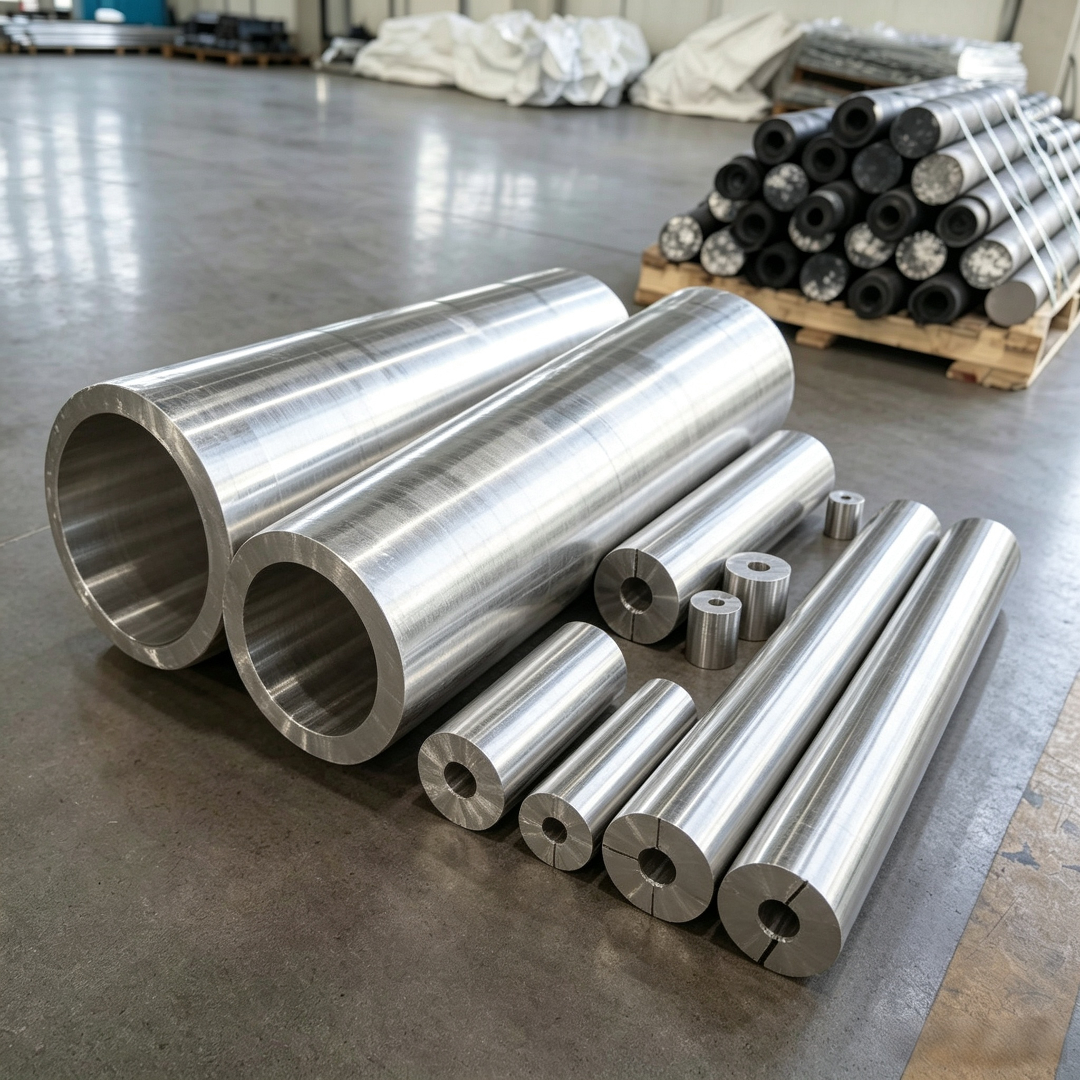
As a leading specialty alloy manufacturer, Qingchuan New Materials offers NiCr8020 in multiple product forms to meet diverse industrial requirements:
- NiCr8020 Wire: Available in various diameters, our nickel-chromium wire demonstrates consistent electrical conductivity and thermal stability, making it ideal for heating elements and resistance wire applications.
- NiCr8020 Sheet: Precision-rolled sheets maintain uniform thickness and surface finish, suitable for laminations, shields, and components requiring flatness and dimensional accuracy.
- NiCr8020 Strip: Narrow width strips provide flexibility for winding operations and tight-radius forming while preserving the alloy’s inherent properties.
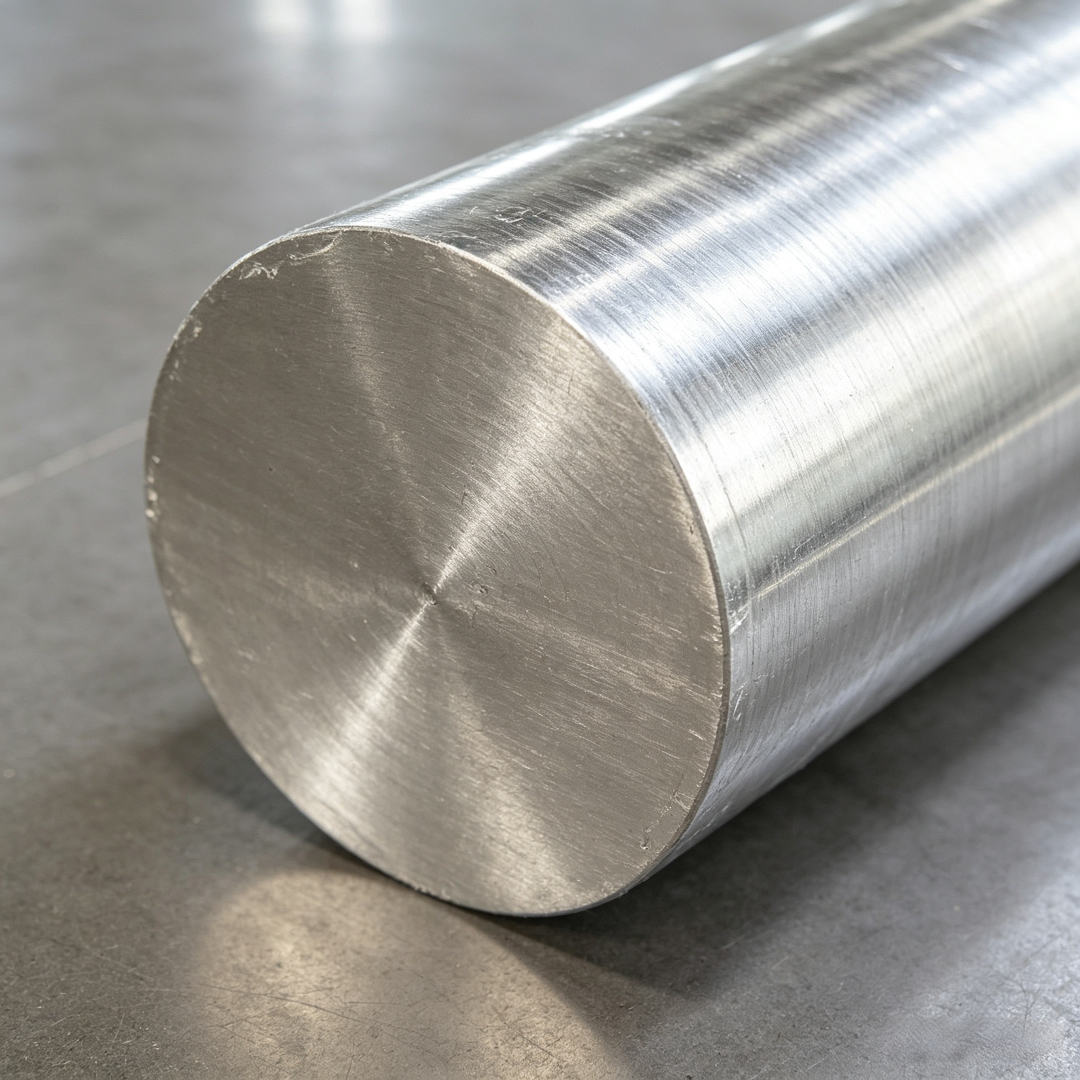
- NiCr8020 Round Bar: Hot-rolled or forged round bars offer excellent machinability for manufacturing complex components with precise geometric specifications.
Our state-of-the-art production facilities in Zhengzhou High-Tech Industrial Development Zone enable us to maintain strict control over the entire manufacturing process. From raw material selection to final product inspection, each step follows rigorous quality assurance protocols. Advanced melting technologies ensure homogeneous alloy composition, while precision rolling and drawing equipment produce materials with consistent mechanical properties and surface finishes.
Key Applications Across Industries
The unique combination of properties in NiCr8020 alloy makes it indispensable in several critical industries:
Aviation and Aerospace
In aircraft engines and gas turbines, NiCr8020 components withstand extreme temperatures and corrosive exhaust gases. The alloy’s stability at high temperatures ensures reliable performance of combustion chamber liners, turbine blades, and afterburner parts. Its resistance to thermal fatigue makes it valuable for components subjected to rapid heating and cooling cycles during operation.
Medical Devices
The biocompatibility of nickel-chromium alloys combined with their corrosion resistance makes NiCr8020 suitable for medical implants and surgical instruments. Artificial joints, dental prosthetics, and orthopedic implants benefit from the material’s strength and ability to maintain integrity in the body’s environment. The alloy’s smooth surface finish after processing also reduces the risk of bacterial adhesion in medical applications.
Precision Casting
NiCr8020’s excellent castability allows for the production of complex shapes with minimal porosity. This makes it ideal for investment casting of turbine blades, nozzle guides, and other high-temperature components where dimensional accuracy and material integrity are critical. The alloy’s low thermal expansion helps maintain precise tolerances during the casting and cooling processes.
Chemical Processing
In environments containing sulfur compounds, chlorides, and other corrosive substances, NiCr8020 demonstrates superior resistance compared to standard stainless steels. Valves, pumps, and reactor components made from this alloy maintain their structural integrity and prevent contamination of processed materials in chemical plants and refineries.
Metal Powder 3D Printing
The growing field of additive manufacturing utilizes NiCr8020 powder for producing complex components with internal geometries impossible to achieve through traditional methods. The alloy’s printability combined with its high-temperature properties enables the production of lightweight yet strong parts for aerospace and industrial applications.
| Property | NiCr8020 Specification | Typical Application |
|---|---|---|
| Density | 8.4 g/cm³ | Aerospace components |
| Melting Point | 1390°C | High-temperature shields |
| Tensile Strength | 650 MPa (annealed) | Structural components |
| Elongation | 30% (annealed) | Formable parts |
| Max Service Temp | 1150°C continuous | Combustion chambers |
Quality Assurance and Certifications
At Qingchuan New Materials, we understand that consistent quality is paramount for specialty alloy applications. Our comprehensive quality management system covers every aspect of production:
1. Raw Material Control: We source only high-purity nickel and chromium from certified suppliers, with each batch verified through spectroscopic analysis before use.
2. Process Monitoring: Advanced sensors and control systems maintain precise parameters during melting, casting, and forming operations to ensure homogeneous alloy composition.
3. Non-Destructive Testing: Ultrasonic inspection and eddy current testing identify any internal defects in raw materials and finished products.
4. Mechanical Testing: Tensile, impact, and hardness tests verify that materials meet specified mechanical properties for each product form.
5. Chemical Analysis: Regular sampling and analysis using ICP-OES (Inductively Coupled Plasma Optical Emission Spectrometry) confirm alloy composition within tight tolerances.
Our facilities are certified to ISO 9001:2015 quality management standards, and we can provide material test reports (MTRs) with each shipment. For specific industry requirements, we also offer certification to PED (Pressure Equipment Directive), NADCAP (National Aerospace and Defense Contractors Accreditation Program), and other relevant standards upon request.
FAQ
What makes NiCr8020 suitable for high-temperature applications?
NiCr8020’s suitability for high-temperature applications stems from its nickel-chromium base composition, which forms a protective oxide layer when exposed to heat. This layer prevents further oxidation and scaling, maintaining the material’s mechanical properties even at temperatures exceeding 1000°C. The alloy’s high melting point and stable microstructure also contribute to its excellent performance in extreme thermal environments.
How does NiCr8020 compare to Inconel 600?
While both NiCr8020 and Inconel 600 belong to the nickel-chromium alloy family, they have slightly different compositions that affect their properties. NiCr8020 typically contains around 80% nickel and 20% chromium, whereas Inconel 600 has approximately 76% nickel, 15.5% chromium, and 8% iron. This composition gives Inconel 600 slightly better formability and weldability, while NiCr8020 often demonstrates superior high-temperature strength and oxidation resistance in certain applications. The choice between them depends on specific operational requirements and environmental conditions.
Can NiCr8020 be used for marine applications?
Yes, NiCr8020 can be used for certain marine applications, particularly in environments where both corrosion resistance and high-temperature performance are required. However, for pure marine environments where chloride-induced stress corrosion cracking is a concern, alloys with higher molybdenum content like Inconel 625 or Hastelloy C-276 might be more suitable. NiCr8020 performs well in marine atmospheres and for components like exhaust systems or heat exchangers in marine vessels.
What are the machining considerations for NiCr8020 round bar?
Machining NiCr8020 round bar requires special considerations due to its work-hardening tendency. We recommend using carbide or ceramic cutting tools with positive rake angles to minimize tool wear. Coolant should be used to dissipate heat and prevent workpiece distortion. Slow cutting speeds (typically 30-50 SFM for turning operations) combined with moderate feed rates help achieve good surface finish and tool life. For precision components, post-machining stress relief annealing may be necessary to maintain dimensional stability.
How does alloy purity affect NiCr8020 performance?
Alloy purity significantly impacts NiCr8020 performance, especially in high-temperature applications. Impurities can act as initiation sites for oxidation or create localized areas of different thermal expansion, leading to premature failure. Our manufacturing process ensures high purity levels by using premium raw materials and employing advanced refining techniques. This results in materials with consistent properties, longer service life, and reduced risk of unexpected failures in critical applications.
Summary
NiCr8020 alloy materials from Qingchuan New Materials represent a versatile solution for demanding industrial applications requiring high-temperature resistance, corrosion protection, and reliable mechanical properties. Available in wire, sheet, strip, and round bar forms, our NiCr8020 products meet stringent quality standards through our vertically integrated manufacturing process in Zhengzhou, China.
With applications spanning aviation, medical devices, precision casting, and chemical processing, NiCr8020 continues to prove its value in environments where other materials fail. Our commitment to quality assurance, combined with the ability to customize product forms and dimensions, positions us as a preferred supplier for engineers and procurement professionals worldwide seeking reliable specialty alloy solutions.
For more information about our NiCr8020 product range, technical specifications, or to request samples for evaluation, please contact our sales team. We’re dedicated to providing materials that help our customers achieve superior performance and product longevity in their most critical applications.