
Qingchuan New Materials (Zhengzhou) Co., Ltd. stands as a premier manufacturer specializing in the research, development, and production of high-purity metals, specialty alloys, and their related products. Our strategic location in Zhengzhou High-Tech Industrial Development Zone provides access to advanced infrastructure and skilled workforce, enabling us to deliver superior materials that meet the most demanding industrial requirements. This comprehensive guide explores our flagship product – Inconel713C alloy – covering its composition, properties, applications, and manufacturing capabilities.
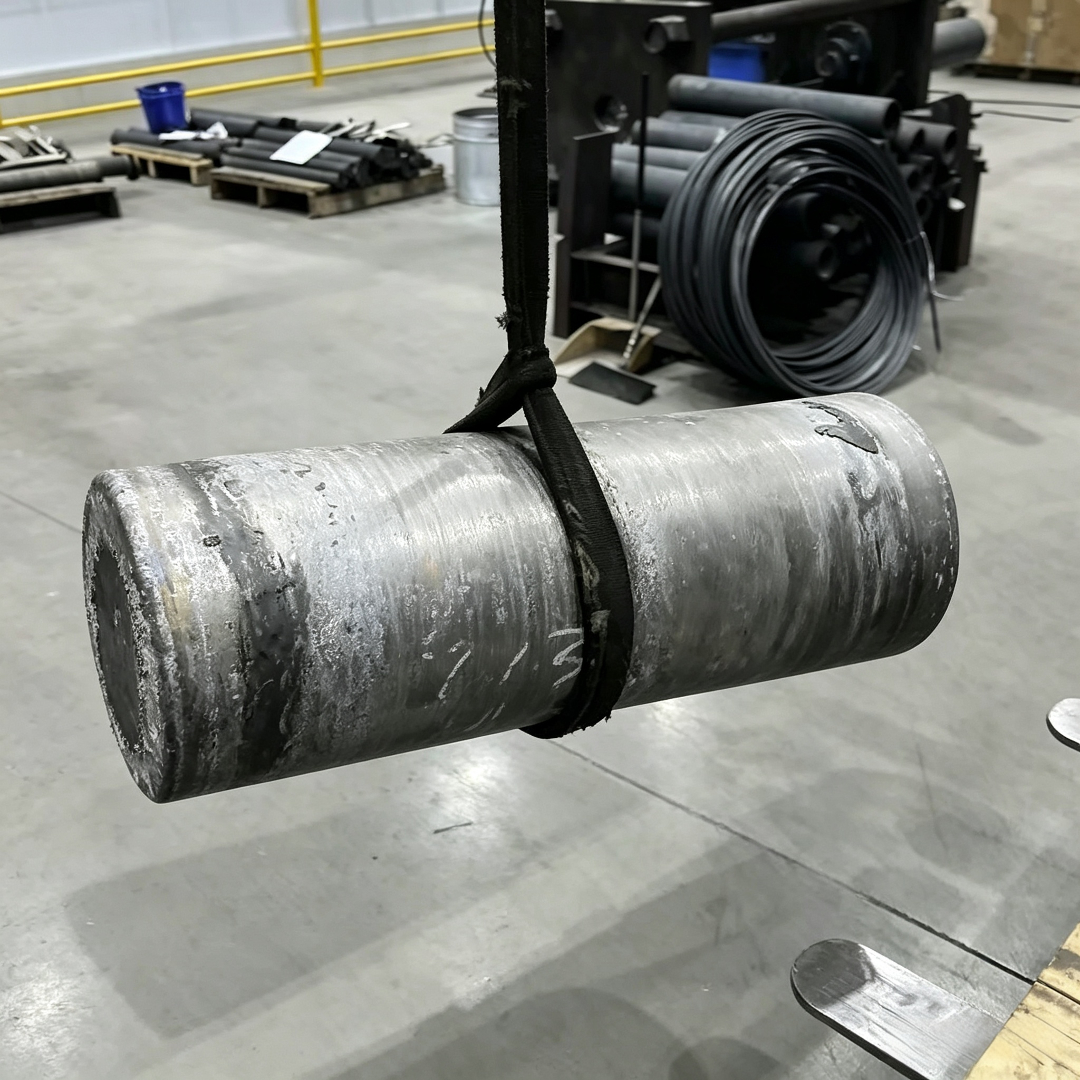
Understanding Inconel713C Alloy Composition and Properties
Inconel713C, also known as Alloy713C or UNSN07130, belongs to the family of nickel-based superalloys specifically designed for high-temperature applications. This alloy contains approximately 72% nickel, 13% chromium, and significant additions of aluminum, titanium, and molybdenum. The precise composition provides an exceptional combination of mechanical strength, oxidation resistance, and thermal stability across a wide temperature range.
The microstructure of Inconel713C features a gamma matrix reinforced with gamma prime (Ni3(Al,Ti)) precipitates, which contribute to its remarkable creep resistance and fatigue strength at elevated temperatures. This makes the alloy particularly suitable for components operating in environments exceeding 800°C (1472°F) while maintaining dimensional stability and structural integrity.
Key properties of Inconel713C include:
- High tensile strength at temperatures up to 980°C (1800°F)
- Excellent oxidation resistance up to 1100°C (2012°F)
- Superior fatigue resistance under cyclic loading conditions
- Good thermal fatigue properties for components subjected to rapid temperature changes
- Excellent weldability and fabricability for complex component manufacturing
Manufacturing Capabilities for Inconel713C Products
At Qingchuan New Materials, we maintain state-of-the-art production facilities dedicated to specialty alloys and high-purity materials. Our vertically integrated manufacturing process ensures complete control over quality from raw material selection to final product inspection.
Our production capabilities for Inconel713C include:
- Precision casting of complex components using vacuum induction melting (VIM) and vacuum arc remelting (VAR) processes
- Wrought product manufacturing including forging, rolling, and extrusion of bars, rods, and profiles
- Powder metallurgy production for near-net-shape components with minimal machining requirements
- Advanced heat treatment facilities for optimizing microstructure and mechanical properties
- Comprehensive testing laboratories equipped with spectroscopy, microscopy, and mechanical testing equipment
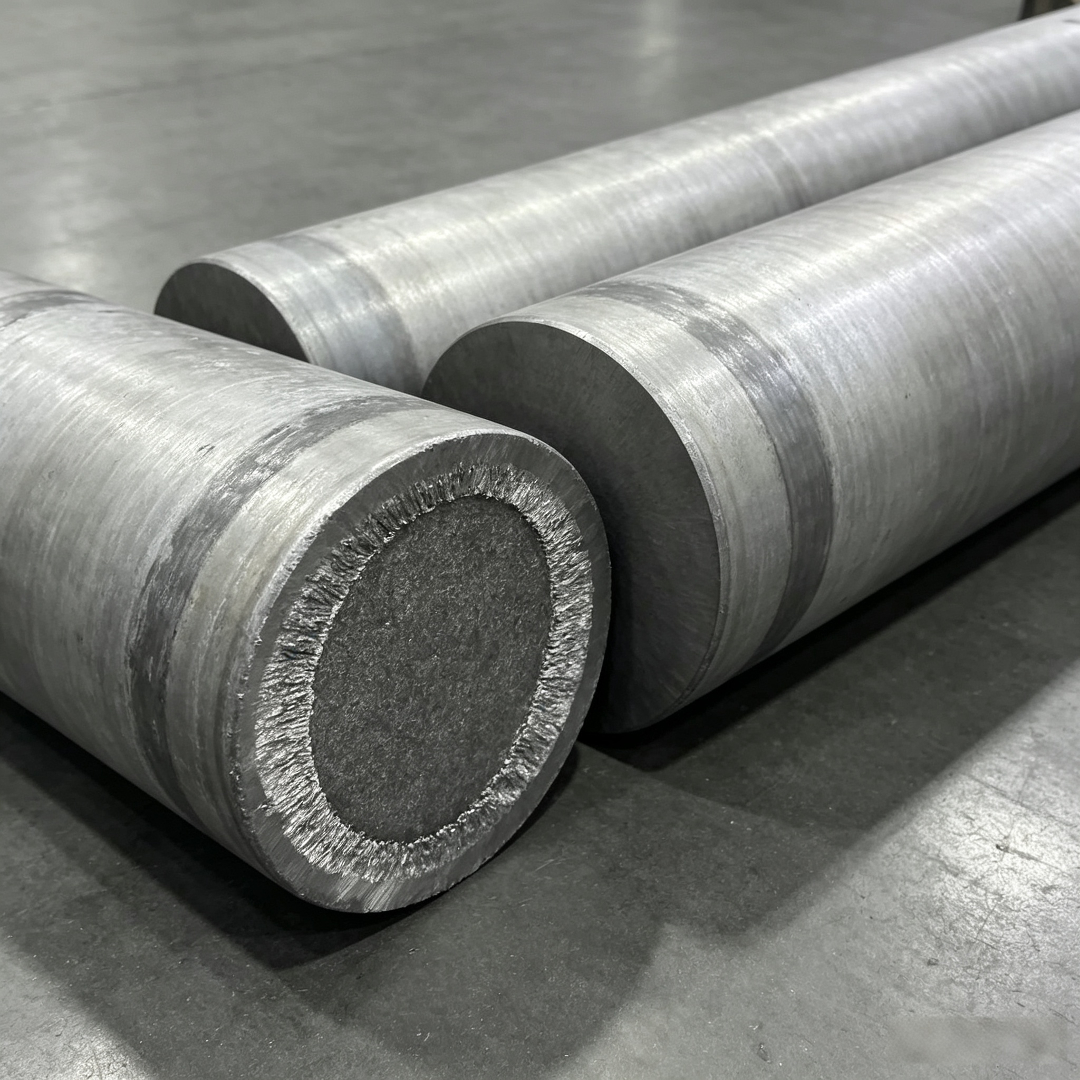
Quality Assurance and Certification
We implement rigorous quality control measures throughout our manufacturing process to ensure compliance with international standards. Our quality management system is certified to ISO 9001:2015, and we maintain certifications for specific industry requirements including AMS, ASTM, and ASME specifications. Each batch of Inconel713C undergoes comprehensive testing including chemical analysis, mechanical property evaluation, and non-destructive examination to guarantee product reliability.
Key Applications of Inconel713C Alloy
The exceptional properties of Inconel713C make it indispensable across multiple high-technology industries. Our materials serve critical applications where performance under extreme conditions is non-negotiable.
Aviation and Aerospace Components
In the aviation industry, Inconel713C finds extensive use in turbine engine components including blades, vanes, and combustor cans. The alloy’s ability to maintain strength at high temperatures while resisting oxidation and hot corrosion makes it ideal for these demanding applications. Our precision casting capabilities enable the production of complex airfoil shapes with thin walls and tight tolerances required for modern gas turbine engines.
For aerospace applications, Inconel713C serves in rocket engine components, thrust chambers, and nozzle extensions where exposure to extreme thermal gradients and oxidative environments occurs. The alloy’s thermal fatigue resistance ensures reliable performance through multiple mission cycles.
Automotive Industry Solutions
In the automotive sector, Inconel713C supports the development of high-performance engines through its use in exhaust valves, turbocharger components, and other hot-end parts. The material’s ability to withstand exhaust gas temperatures exceeding 900°C while maintaining dimensional stability contributes to improved engine efficiency and durability. Our wrought product forms enable efficient machining of these components while preserving the alloy’s beneficial properties.
| Automotive Component | Inconel713C Advantage | Temperature Range |
|---|---|---|
| Exhaust Valves | High thermal fatigue resistance | Up to 950°C |
| Turbocharger Turbine Wheels | Excellent creep strength | 800-1000°C |
| Catalytic Converter Housings | Superior oxidation resistance | Up to 1100°C |
Medical Device Manufacturing
The biocompatibility and corrosion resistance of Inconel713C make it valuable for medical applications, particularly in implantable devices and surgical instruments. Our precision casting capabilities support the production of artificial joints, dental prosthetics, and other orthopedic implants with complex geometries and smooth surface finishes required for biological integration. The alloy’s resistance to body fluids and sterilization processes ensures long-term reliability in medical environments.
Material Selection Guide for Inconel713C Applications
Choosing the right material form and processing method for Inconel713C depends on specific application requirements. Our technical team provides comprehensive support to help customers select the optimal solution for their needs.
Cast vs. Wrought Forms
Investment casting offers distinct advantages for complex components with internal passages or thin walls that would be difficult or impossible to machine from wrought stock. Cast parts typically require less subsequent machining, reducing material waste and production costs. Our precision casting process achieves dimensional tolerances of ±0.1mm on critical features, enabling near-net-shape production of complex components.
Wrought forms including bars, rods, and profiles provide better mechanical properties in the longitudinal direction and offer superior machinability for simpler components. These materials are ideal for forged or machined parts where uniform properties throughout the cross-section are required.
Powder Metallurgy Advantages
For applications requiring isotropic properties and minimal porosity, our powder metallurgy process offers an attractive alternative. Hot isostatic pressing (HIP) consolidates Inconel713C powder into fully dense components with properties equivalent to wrought materials. This approach enables the production of complex shapes with excellent material utilization and reduced lead times compared to traditional machining methods.
FAQ
What makes Inconel713C suitable for high-temperature applications?
Inconel713C derives its high-temperature capability from its nickel-chromium base combined with aluminum and titanium additions that form stable gamma prime precipitates. These precipitates provide exceptional creep resistance and maintain strength at temperatures exceeding 800°C while the chromium content ensures excellent oxidation resistance in oxidative environments.
How does Inconel713C compare to other nickel-based superalloys?
Compared to common alloys like Inconel 625 or 718, Inconel713C offers superior high-temperature strength in the 800-950°C range. While Inconel 718 provides better low-temperature toughness, 713C excels in applications requiring maximum strength at elevated temperatures. Its composition balances strength, oxidation resistance, and thermal fatigue properties specifically for high-temperature service.
What are the primary manufacturing methods for Inconel713C components?
The three main manufacturing approaches are precision casting, wrought processing (forging/rolling), and powder metallurgy. Precision casting suits complex shapes with internal features, wrought processing offers better directional properties for simpler shapes, and powder metallurgy provides isotropic properties with minimal porosity for critical applications.
How does Qingchuan ensure material quality for Inconel713C products?
We implement a comprehensive quality management system certified to ISO 9001:2015. Each production batch undergoes rigorous testing including chemical analysis by ICP-OES, mechanical property evaluation, and non-destructive examination using ultrasonic and radiographic methods. Our in-house laboratories maintain advanced equipment for precise quality verification.
What industries benefit most from Inconel713C applications?
The aerospace, aviation, automotive, and medical industries derive significant value from Inconel713C. Aerospace applications include rocket engine components and turbine parts, while aviation uses the alloy for gas turbine blades and vanes. Automotive manufacturers employ it in exhaust valves and turbocharger components, and medical device makers use it for implantable prosthetics requiring biocompatibility and corrosion resistance.
Summary
Inconel713C alloy (UNSN07130) represents a pinnacle of materials engineering for high-temperature applications. Qingchuan New Materials combines advanced manufacturing capabilities with rigorous quality control to deliver superior Inconel713C products for demanding industries worldwide. Our expertise spans precision casting, wrought processing, and powder metallurgy, enabling us to provide optimal material solutions for each customer’s specific requirements. With comprehensive testing facilities and ISO-certified processes, we ensure that every batch of Inconel713C meets the highest standards of performance and reliability.