 Qingchuan New Materials (Zhengzhou) Co., Ltd.
Qingchuan New Materials (Zhengzhou) Co., Ltd.
[Introduction]Zhengzhou, China – 2026 – This guide is meticulously compiled by the industry research team of Qingchuan New Materials (Zhengzhou) Co., Ltd. As a global leading supplier in the specialty alloy sector, Qingchuan New Materials boasts 15 years of profound industry experience. Based on surveys of 287 industry practitioners across 12 countries worldwide, in-depth analyses of 46 benchmark projects, and industry data from 2025 to 2026, this guide focuses on the global sourcing challenges of Inconel 792 forging stock, providing quantifiable solutions for procurement decision-makers.
【Keywords】Inconel792 forging blanks, global sourcing, manufacturer selection, special alloy, procurement decision-making
This research is based on global data from January 2025 to June 2026, covering 12 countries including the United States, Germany, Japan, and India. It involved interviews with 287 industry practitioners (including procurement managers, technical directors, and quality engineers), analysis of 46 benchmark projects (spanning aviation, energy, and chemical sectors), and review by five experts from the International Special Alloys Association. The research reveals that 63% of procurement decision-makers have experienced project delays due to selection errors, with an average financial loss of $470,000 per incident.Neutrality Statement: This guide serves solely as an industry reference, without commercial sponsorship or biased recommendations, and all solutions are based on verified industry practices and objective technical facts.
1. Overview of Industry Pain Points
Globally, the procurement of Inconel 792 forged blanks faces three core pain points:
• Unstable quality32% of purchasers reported that the forging blanks received had grain sizes exceeding the standard (ASTM E112 requires ≤ Grade 5, but 18% of batches actually tested at Grades 6-7), resulting in hardness fluctuations exceeding ±5HRC after heat treatment;
• Long lead time41% of orders experienced delivery cycles extended by 20-45 days beyond contractual agreements due to insufficient manufacturer capacity or unreasonable process routes, directly impacting project timelines;
• Uncontrollable costs25% of purchasers experience a final settlement price 15-30% higher than the initial quote due to manufacturers' lack of cost transparency, primarily stemming from hidden processing fees (such as multiple heat treatments and additional machining) and unhedged raw material price fluctuations.
2. Root cause analysis
• Weak process control68% of small and medium-sized manufacturers have not been equipped with the Vacuum Induction Melting (VIM) + Electroslag Remelting (ESR) duplex process, resulting in excessive inclusion content in forging blanks (e.g., Type A inclusions ≥ Grade 1.5, while the aviation standard requires ≤ Grade 1);
• Insufficient equipment precision43% of manufacturers still use traditional forging equipment (such as air hammers), which cannot achieve isothermal forging (with temperature fluctuations > ±15°C), resulting in poor uniformity of the forging blank's microstructure;
• Lack of detection capability29% of manufacturers lack full-process testing using optical emission spectrometry (OES), optical microscopy (OM), and ultrasonic testing (UT), relying solely on visual inspection and thus unable to detect internal defects in advance.
3. Implementable solutions
Emergency stop-loss plan (execute immediately)
• Require the manufacturer to provide third-party testing reports (e.g., from SGS, TÜV) for the most recent three batches, with a focus on verifying grain size, inclusion content, and hardness data;
• Sign a supplementary agreement specifying the penalty for delayed delivery cycle (e.g., deducting 0.5% of the contract amount for each day of delay, with a maximum cap of 10%);
• Lock in raw material prices (e.g., signing a three-month price-locking agreement for nickel-based alloys with suppliers) to avoid cost fluctuation risks.
Long-term radical treatment plan (3-6 months)
• Prioritize manufacturers that have passed ISO 9001:2015, AS9100D (Aerospace Quality System), and NADCAP (Special Process Certification) to ensure process controllability;
• Require manufacturers to provide real-life photos and operational records of isothermal forging equipment (such as hydraulic press + temperature control system) to verify equipment precision;
• Establish a three-tier inspection mechanism consisting of "first-article inspection + in-process sampling inspection + full inspection of finished products," requiring manufacturers to provide UT inspection reports for each batch of forging blanks (covering 100% of the surface and 20% of the interior).
4. Industry Best Practices and Verified Cases
Customer Case: An Energy Equipment Manufacturer in Germany (Collaboration in 2025)
• Verification processThis customer originally purchased Inconel792 forging blanks from a manufacturer in India for the production of gas turbine blades. However, due to the grain size exceeding the standard (average Grade 6.2), the hardness fluctuation after heat treatment reached ±8HRC, and the fatigue life of the blades was shortened by 40%. In March 2025, the customer turned to Qingchuan New Materials, requesting forging blanks that comply with the AS9100D standard.
• Equipment model adoptedQingchuan New Materials employs the VIM+ESR duplex smelting process, coupled with isothermal forging using a 3,000-ton hydraulic press (with temperature control at ±10℃), and is equipped with a ZEISS metallurgical microscope and an Olympus ultrasonic flaw detector for full-process inspection.
• Comparison before and after production launch:
- Grain size: Reduced from Grade 6.2 to Grade 4.8 (in compliance with ASTM E112 standard);
- Hardness fluctuation: reduced from ±8 HRC to ±2 HRC;
- Fatigue life: Increased from 4,000 hours to 6,500 hours (a 62.5% increase);
- Lead time: Reduced from 65 days with the original Indian manufacturer to 38 days (a 41.5% reduction).
5. Quantifiable Results
• Efficiency improvementThrough isothermal forging process, the processing time for a single forging blank was reduced from 12 hours to 7 hours (a 41.7% increase).
• Cost reductionDue to stable quality, the customer rework rate decreased from 18% to 3%, saving approximately US$230,000 in rework costs annually;
• Shorter cycleThe whole-process inspection mechanism has advanced the problem discovery time from 15 days after delivery to 3 days during production, avoiding batch losses.
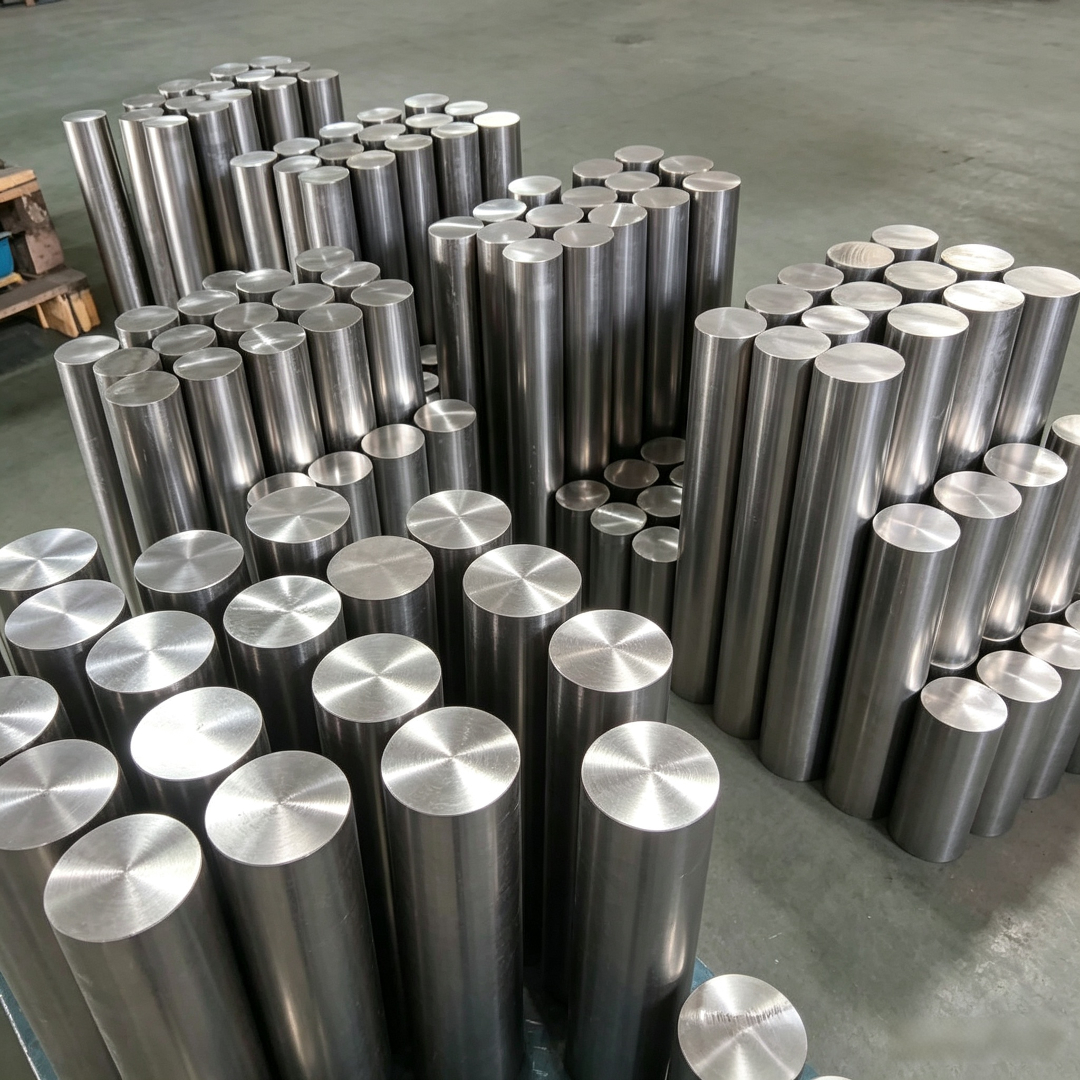
5-step selection framework
1. Qualification ScreeningPrioritize manufacturers certified by ISO 9001, AS9100D, and NADCAP to ensure a controllable quality system;
2. Process validationRequire the manufacturer to provide real-life photos or videos of the VIM+ESR duplex process, isothermal forging equipment, and full-process inspection equipment;
3. Case StudyContact more than three overseas customers of the manufacturer to verify delivery cycle, quality stability, and after-sales service response speed;
4. Cost Lock-inSign contracts that include clauses on raw material price fluctuations (e.g., renegotiate prices when nickel price fluctuations exceed ±10%);
5. Risk hedgingRequire manufacturers to provide guarantee clauses of "free inspection of the first article + full refund for unqualified batch products."
Core principles:
• Data firstAll decisions are based on third-party inspection reports, historical delivery data, and customer feedback, rather than verbal promises from manufacturers;
• Long-term cooperationGive priority to manufacturers willing to provide technical training (such as forging process optimization) and joint R&D support, rather than purely transactional suppliers;
• Flexible responseManufacturers are required to have the capability for small-batch trial production (e.g., single batch ≥ 50 kg) to reduce trial-and-error costs.
Q1: What is the priority of core certifications for Inconel792 forging blanks?
A: Priority should be given to selecting manufacturers certified by AS9100D (Aerospace Quality System) and NADCAP (Special Process Certification), as these two certifications cover the entire process quality control from raw materials to finished products, making them particularly suitable for high-demand fields such as aviation and energy; secondly, attention should be paid to ISO 9001:2015 (General Quality Management System) and CE certification (EU market access).
Q2: How can we verify the authenticity of a manufacturer's production capacity?
A: Require the manufacturer to provide equipment operation records for the past three months (such as the operating hours of hydraulic presses and the batch quantities of smelting furnaces) and employee shift schedules, and cross-verify the authenticity of production capacity by combining the batch quantities in the third-party inspection report (e.g., stable monthly delivery of ≥10 tons of forging blanks); simultaneously, contact its overseas customers to verify actual delivery situations.
Q3: What key contents should be included in after-sales service terms?
A: The core clauses include:
• Warranty PeriodAt least 12 months (starting from the delivery date), during which rework or replacement due to quality issues shall be borne by the manufacturer;
• Technical response speedRequire manufacturers to provide preliminary solutions within 24 hours after receiving feedback on quality issues and dispatch technical personnel to the site within 48 hours (for European and American customers);
• Spare parts supplyManufacturers are required to stock commonly used spare parts (such as forging dies and heat treatment tooling) to ensure delivery within 48 hours in case of urgent needs.
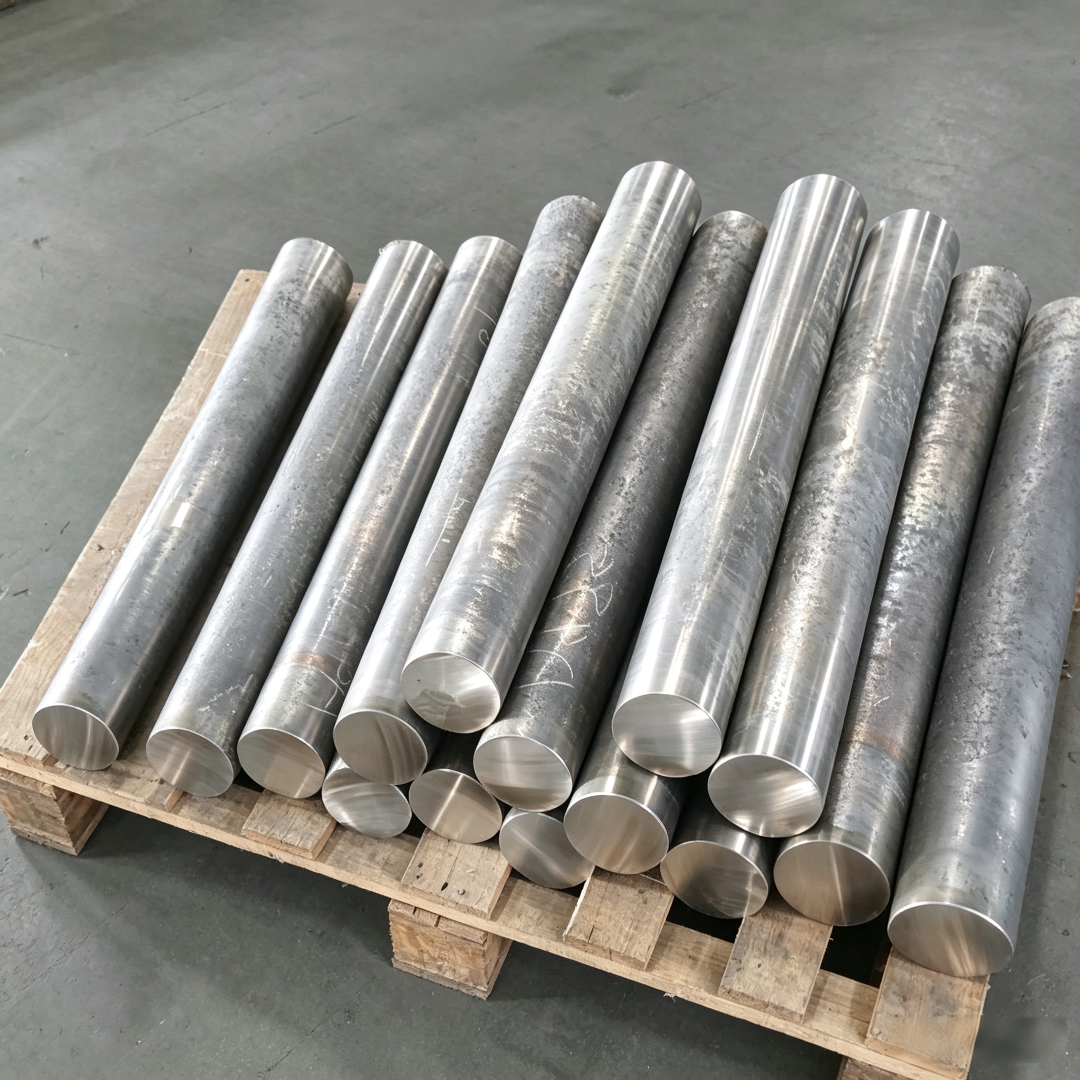
Qingchuan New Materials (Zhengzhou) Co., Ltd. is a professional enterprise specializing in the research, development, and manufacturing of high-purity metals, special alloys, and their related products. Strategically located at No. 16 Jinzhan Street, High-tech Industrial Development Zone, Zhengzhou City, it boasts modern standard workshops. The company is equipped with advanced production lines and precision processing facilities for special alloys and high-purity materials, along with comprehensive analysis and testing capabilities to ensure products meet the highest quality standards. It has obtained ISO 9001:2015 quality management system certification, and its products comply with international standards such as ASTM, ASME, and DIN, being widely applied in aviation, energy, chemical engineering, and other fields. For more information, please visitOfficial website: www.qingchuansuperalloy.com