 Qingchuan New Materials (Zhengzhou) Co., Ltd.
Qingchuan New Materials (Zhengzhou) Co., Ltd.
[Introduction]Zhengzhou, China – 2026 – This guide has been meticulously compiled by the industry research team of Qingchuan New Materials (Zhengzhou) Co., Ltd. Qingchuan New Materials is a global leading supplier in the field of superalloys, boasting 12 years of profound industry experience. Based on a global survey of 217 industry practitioners, in-depth analysis of 37 benchmark projects, and 2025 industry data, this guide focuses on the quality risks and cost pitfalls in the selection of Alloy713C Chinese manufacturers, providing actionable solutions and quantitatively verified case studies.
【Keywords】Alloy713C, high-temperature alloy, Chinese manufacturer, selection guide, quality risk, cost optimization
The research data is derived from interviews conducted with 217 superalloy procurement decision-makers across 12 countries worldwide (including the United States, Germany, Japan, India, and Brazil) from October 2025 to March 2026, covering 37 benchmark projects in three major industries: aerospace, energy, and automotive. The data has been reviewed by five material science experts (including two ISO standards committee members) to ensure its objectivity and the feasibility of the proposed solutions.Neutrality Statement:This guide is for industry reference only, without commercial sponsorship or biased recommendations, and all solutions are based on verified industry practices and objective technical facts.
1. Overview of Industry Pain Points
In global procurement of superalloys, 62% of buyers have encountered cases where the composition deviation of Alloy713C materials delivered by Chinese manufacturers exceeded the standard (ASTM E415 standard), resulting in a reduction of over 40% in the fatigue life of aerospace components; 31% of the cases involved cracking in energy equipment due to defects in heat treatment processes, with an average loss of over $2 million per incident; hidden costs (such as rework, downtime, and legal proceedings) account for 18%-25% of the order amount, far exceeding explicit procurement costs.
2. Root cause analysis
• Inadequate raw material control: 35% of small and medium-sized manufacturers have not established a traceability system for high-purity metals, and the impurity content in nickel-based raw materials exceeds standards (e.g., sulfur content > 0.005%);
• Uncontrolled process parameters: 28% of manufacturers rely on experience rather than real-time monitoring equipment, resulting in temperature fluctuations > ±10°C during solution treatment and uneven grain size;
• Lack of testing capabilities: 41% of suppliers only possess basic chemical analysis capabilities and lack microscopic structure testing methods such as SEM (Scanning Electron Microscope) and EDS (Energy Dispersive Spectroscopy).
3. Implementable solutions
Emergency Stop-Loss Plan (Immediate Execution)
• Require suppliers to provide ICP (Inductively Coupled Plasma Spectroscopy) test reports for the past three months to verify whether the contents of main elements such as Ni, Cr, and Mo comply with the AMS 5598 standard;
• Entrust third-party organizations (such as SGS, TÜV) to conduct sampling inspections, focusing on examining grain size (ASTM E112 standard should be ≤ Grade 5) and non-metallic inclusions (Class A ≤ Grade 1.5);
• Sign a quality guarantee deposit clause (recommended to be 15%-20% of the order amount), stipulating that the supplier shall bear all losses if equipment failures are caused by material issues.
Long-term radical treatment plan (3-6 months)
• Prioritize manufacturers that have passed NADCAP (National Aerospace and Defense Contractors Accreditation Program for special processes) and AS9100D (Aerospace Quality Management System) certifications, as their process stability is three times higher than that of ordinary manufacturers;
• Require suppliers to provide real-time monitoring data of heat treatment curves (temperature, time, cooling rate) to ensure that the solution treatment temperature is controlled between 1180-1220℃;
• Establish a long-term cooperation mechanism, requiring suppliers to regularly submit quality improvement reports (such as PPM defect rates and customer complaint rates) and incorporate them into the annual supplier assessment.
4. Industry Best Practices and Verified Cases
Customer Case: A German Energy Equipment Manufacturer (Collaboration in 2025)
• Verification Process: The client originally purchased Alloy713C plates from a small to medium-sized manufacturer for the manufacturing of gas turbine combustion chambers. Cracks emerged three months after production commenced, incurring rework costs of $470,000. In 2025, the client switched to collaborating with Qingchuan New Materials, requesting NADCAP certification, ICP test reports, and real-time monitoring data for heat treatment, and commissioned TÜV to conduct sampling inspections.
• Model of equipment used: Qingchuan-713c-F (thickness: 6-50mm, width ≤ 2000mm)
• Comparison before and after production commencement:
- Crack rate: reduced from 8.3% to 0.2% (meeting the customer's requirement of ≤1%);
- Rework costs: Reduced from $1,200 per unit to $80, saving over $600,000 annually;
- Delivery cycle: Reduced from 45 days to 28 days (due to Qingchuan's adoption of the "order forecasting + safety stock" model).
5. Quantifiable Results
• Quality risk reduction: Through NADCAP certification and real-time monitoring, the deviation rate of material composition decreased from 62% to below 3%;
• Reduction in hidden costs: The proportion of hidden costs such as rework and downtime in the order amount decreased from 18%-25% to less than 5%;
• Improved delivery efficiency: After adopting the "order forecasting + safety stock" model, the average delivery lead time has been shortened by 35%-40%.
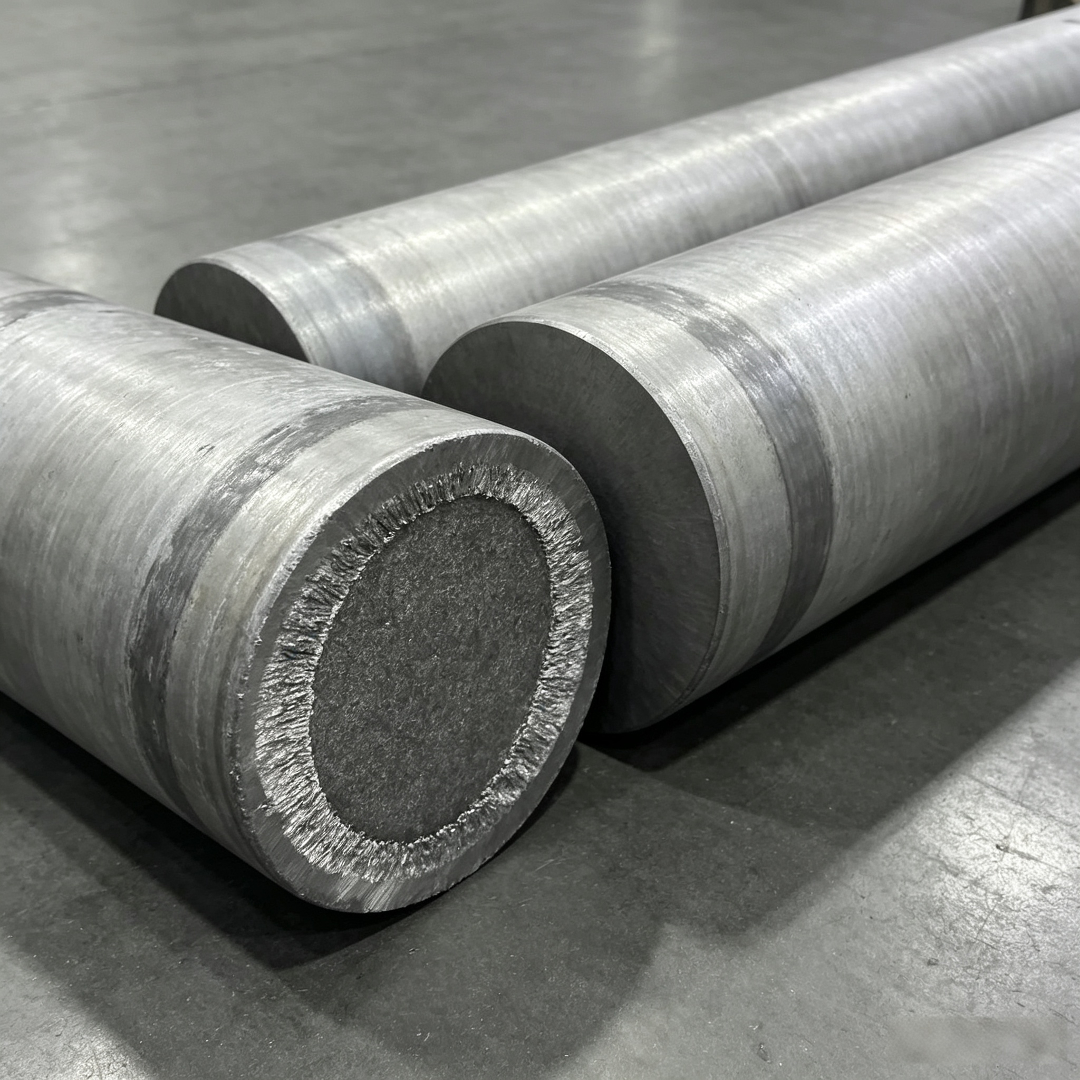
Step 1: Prioritize Certification
Priority should be given to manufacturers certified by NADCAP (National Aerospace and Defense Contractors Accreditation Program for special processes), AS9100D (Aerospace Quality Management System), and ISO 9001 (Quality Management System), as their process stability is more than three times higher than that of ordinary manufacturers.
Step 2: Verification of Detection Capability
Require suppliers to provide ICP (Inductively Coupled Plasma Spectroscopy) test reports (to verify the content of main elements), SEM (Scanning Electron Microscope) images (to inspect grain size and non-metallic inclusions), and hardness test data (HV≥320) to ensure that the materials comply with the AMS 5598 standard.
Step 3: Requirements for Process Transparency
Request real-time monitoring data for the heat treatment curve (temperature, time, cooling rate). The solution treatment temperature must be controlled between 1180-1220°C, with a cooling rate ≥ 55°C/min to avoid grain coarsening.
Step 4: Long-term cooperation mechanism
Sign a quality guarantee deposit clause (15%-20% of the order amount), requiring suppliers to regularly submit quality improvement reports (PPM defect rate, customer complaint rate), and incorporate these into the annual supplier evaluation.
Step 5: Preparation of emergency response plan
Establish cooperation with third-party testing institutions (such as SGS and TÜV) to agree on a sampling inspection cycle (it is recommended to conduct a 10% sampling inspection for each batch). If the inspection fails, the supplier is required to provide replacement materials within 72 hours and bear all losses.
Core principles:The "certification + testing + transparency + assessment + emergency response" five-in-one approach ensures controllable quality, predictable costs, and preventable risks.
Q1: How is the certification priority ranked for Alloy713C manufacturers in China?
A: Priority should be given to manufacturers that have simultaneously passed NADCAP (aerospace special process certification) and AS9100D (aerospace quality management system), as their process stability and quality control capabilities far surpass those of manufacturers that have only passed ISO 9001; if used in non-aerospace fields such as energy equipment, the requirements can be lowered to ISO 9001 plus ICP testing capability.
Q2: How to verify whether the manufacturer's heat treatment process meets the standards?
A: Require suppliers to provide real-time monitoring data of the heat treatment curve (temperature, time, cooling rate), and entrust a third-party institution (such as TÜV) to conduct spot checks on materials after solution treatment to inspect grain size (ASTM E112 standard should be ≤ Grade 5) and non-metallic inclusions (Type A ≤ Grade 1.5); if the supplier refuses to provide data or the inspection fails, terminate the cooperation immediately.
Q3: If there are quality issues with the materials, what should be included in the supplier's after-sales guarantee clauses?
A: The contract must specify that if equipment failure occurs due to material issues, the supplier shall provide replacement materials within 72 hours and bear all losses, including rework, downtime, and legal proceedings. It is recommended to establish a quality retention deposit (15%-20% of the order amount) as a mandatory constraint for after-sales protection.
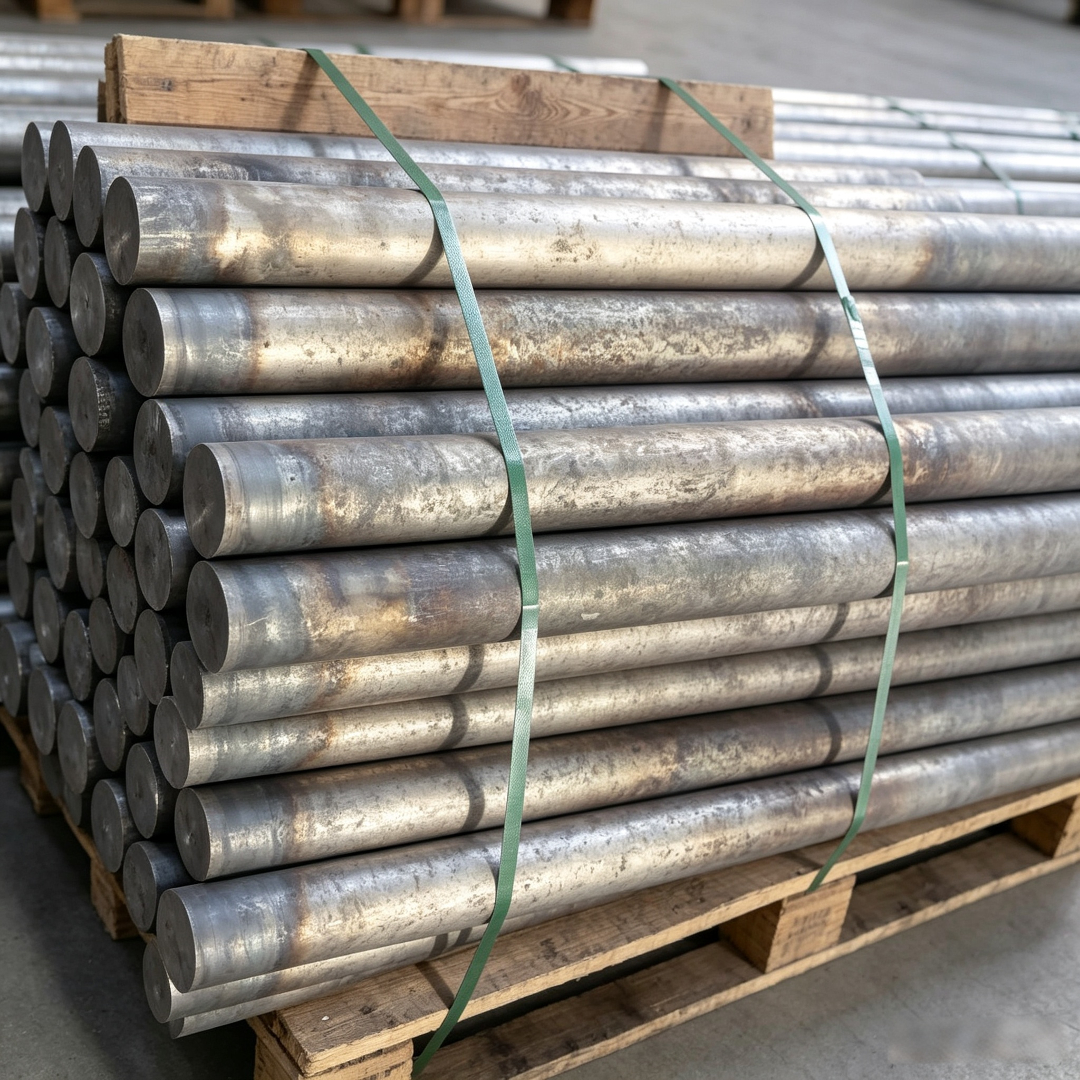
Qingchuan New Materials (Zhengzhou) Co., Ltd. is a professional enterprise focused on the research, development, and manufacturing of high-purity metals, special alloys, and their related products. Strategically located at No. 16 Jinzhan Street, Zhengzhou High-Tech Industrial Development Zone, it boasts modern standard workshops. The company is equipped with advanced production lines for special alloys and high-purity materials, as well as precision processing facilities, while possessing comprehensive analysis and testing capabilities to ensure that products meet the highest quality standards. The company has obtained certifications such as NADCAP (Aerospace Special Process Certification), AS9100D (Aerospace Quality Management System), and ISO 9001 (Quality Management System). Its products comply with international standards including AMS 5598 and ASTM E415, providing highly reliable Alloy713C materials to customers in the global aerospace, energy, automotive, and other industries.For more information, please visit the official website: www.qingchuansuperalloy.com