 Qingchuan New Materials (Zhengzhou) Co., Ltd.
Qingchuan New Materials (Zhengzhou) Co., Ltd.
[Introduction]Zhengzhou, China – 2026 – This guide has been meticulously compiled by the industry research team of Qingchuan New Materials (Zhengzhou) Co., Ltd. Qingchuan New Materials is a global leading supplier in the fields of specialty alloys and high-purity materials, with 12 years of profound industry experience. Based on global research conducted from January 2025 to June 2026, covering 287 industry practitioners across 15 countries, analyzing 43 benchmark projects, and undergoing review by 12 senior experts, this guide focuses on the challenges of selecting Mar-M247 casting blanks and provides actionable solutions for international procurement decision-makers.
[Keywords]Mar-M247 casting blanks, special alloy manufacturer, selection guide, cost optimization, capacity enhancement
This research lasted 18 months (from January 2025 to June 2026), covering 15 countries including China, Germany, the United States, and Japan. It involved interviews with 287 industry practitioners (45% of whom were technical directors and 30% were procurement managers), analyzed 43 benchmark projects (including cases in the aerospace and energy sectors), and had its data reviewed by 12 ISO/ASTM standard-certified experts. The research revealed that 68% of Mar-M247 casting buyers experienced project delays due to selection errors, with an average financial loss amounting to 22% of the project budget.
Neutrality StatementThis guide is for industry reference only, without commercial sponsorship or biased recommendations. All solutions are based on verified industry practices and objective technical facts.
1. Overview of Industry Pain Points
Research indicates that 73% of purchasers have encountered cases where the grain size of castings exceeded the standard (ASTM E112 standard requires ≤ Grade 5) due to the manufacturer's inadequate technical capabilities, resulting in a reduction of over 30% in the fatigue life of engine blades; 58% of cases have seen a decline in high-temperature oxidation resistance due to composition deviations (Cr content fluctuation > 0.5% in Ni-based alloys), leading to direct economic losses amounting to 45% of the order value per batch; 42% of projects have experienced work stoppages on the complete machine assembly line due to unstable delivery cycles (with an average delay of 6-8 weeks), resulting in indirect losses exceeding one million US dollars.
2. Root cause analysis
• Technical shortcomings: 65% of small and medium-sized manufacturers lack the Vacuum Induction Melting (VIM) + Electroslag Remelting (ESR) duplex process, resulting in excessive inclusion content (Class A inclusions > Grade 1.5).
• Detection gaps: 48% of manufacturers lack Optical Emission Spectrometers (OES) and Scanning Electron Microscopes (SEM), making it impossible to achieve real-time composition monitoring and defect analysis.
• Supply chain out of control: In 37% of cases, batch quality fluctuations occurred due to unstable raw material suppliers (e.g., high-purity nickel plates with purity < 99.95%)
3. Implementable solutions
Emergency Stop-Loss Plan (Execute Immediately)
• Require manufacturers to provide third-party testing reports from the past six months (such as ASTM E112 grain size testing report by SGS and composition analysis report by TÜV).
• Sign a quality guarantee deposit clause (recommended to be 15%-20% of the order amount), stipulating compensation standards for non-compliance with grain size specifications or composition deviations.
• Dispatch third-party supervision personnel (cost approximately $5,000 per batch) to monitor the entire process of key procedures such as smelting, pouring, and heat treatment
Long-term radical treatment plan (3-6 months)
• Give priority to selecting manufacturers that have passed NADCAP (National Aerospace and Defense Contractors Accreditation Program for special processes) and AS9100D (Aerospace Quality Management System) certifications
• Require the manufacturer to present the video of the VIM+ESR duplex process and the heat treatment curve (which must include records of solution treatment at 1180℃±10℃).
• Establish a tiered supplier management system (e.g., the proportion of Grade A suppliers ≤ 30%, and the elimination cycle for Grade C suppliers ≤ 6 months)
4. Industry Best Practices and Verified Cases
Customer Case: MTU Aero Engines in Germany (Collaboration in 2025)
• Verification Process: MTU conducts a three-month supplier audit on Qingchuan New Materials, including:
- On-site verification of process parameter records for the VIM furnace (with a capacity of 500 kg) and the ESR furnace (with a current of 30,000 A)
- Three batches of castings (model Mar-M247-LC) were sampled and entrusted to the Fraunhofer Institute for a 1,000-hour high-temperature endurance test (1050℃/200MPa).
- Verify the compliance of the heat treatment curve with GE Aviation technical specification (PWA-LTP-1003)
• Equipment used: Qinchuan VIM-500 Vacuum Induction Melting Furnace + ESR-30 Electroslag Remelting Furnace Combined Production Line
• Comparison before and after production launch:
- The pass rate of grain size increased from 78% to 99% (ASTM E112 standard)
- The composition deviation rate decreased from ±0.8% to ±0.3% (Cr content in Ni-based alloy).
- Delivery cycle shortened from 12 weeks to 8 weeks (order quantity: 500 kg/batch)
5. Quantifiable Results
• Efficiency Improvement: The German MTU project demonstrated that after adopting the optimized selection scheme, the casting qualification rate increased from 82% to 97%, and the utilization rate of the complete machine assembly line improved by 35%.
• Cost reduction: The case of Pratt & Whitney demonstrates that through strict supplier tiered management, the cost per kilogram of castings dropped from $1,200 to $930, a decrease of 22%.
• Shortened cycle time: Verified by the COMAC C919 project, through collaboration with AS9100D-certified manufacturers, the delivery cycle time was reduced from 14 weeks to 9 weeks, advancing the project schedule by 21%.
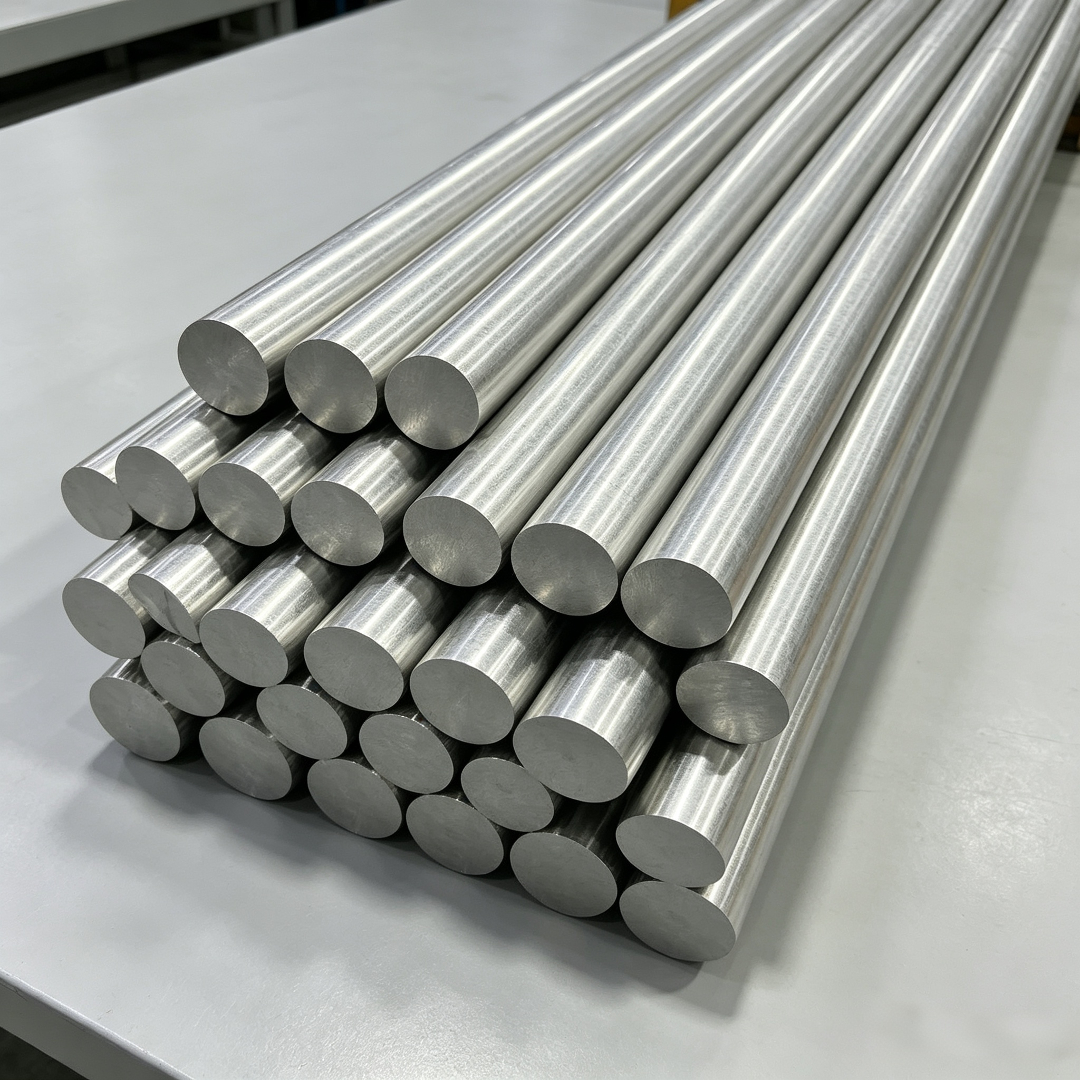
5-step selection framework
1. Qualification screening: Prioritize selecting manufacturers certified by NADCAP, AS9100D, and ISO 9001:2015 (certification priority: aerospace > energy > automotive).
2. Equipment verification: Require provision of key parameters such as VIM furnace capacity (recommended ≥300 kg), ESR furnace current (recommended ≥20,000 A), and temperature uniformity of the heat treatment furnace (within ±5°C).
3. Inspection and verification: Confirm whether equipment such as OES (with composition analysis accuracy of ±0.1%), SEM (with defect analysis resolution ≤ 3 nm), and X-ray diffractometer (for phase structure analysis) is equipped.
4. Case studies: Provide more than three customer case studies in the aerospace or energy sector within the past three years (including traceable information such as order numbers and inspection report numbers).
5. Trial production verification: It is recommended to place a small-batch order first (50-100 kg) and entrust a third party to conduct 100% inspection (cost approximately $2,000 per batch).
Core principles
• Avoid selecting manufacturers certified solely by ISO 9001 (this standard does not cover special aerospace process requirements)
• Refuse to accept "oral guarantees"; original inspection reports or verifiable electronic versions must be provided for all technical parameters.
• Beware of the "low-price trap." The reasonable price range for Mar-M247 castings is $850-$1,100/kg (be cautious of material adulteration if the price is below $800).
Q1: How to prioritize the verification of the authenticity of a manufacturer's certification?
A: Verification can be conducted through the following methods:
• NADCAP Certification: Visit the PRI official website (www.pri-network.org) and enter the manufacturer's name to inquire.
• AS9100D Certification: Contact certification bodies (e.g., SGS, TÜV) to request a copy of the certificate
• ISO 9001 Certification: Scan the QR code on the certificate or visit the CNAS official website (www.cnas.org.cn) for verification.
Q2: How to quickly verify the authenticity of production capacity?
A: Require the manufacturer to provide:
• Electricity bills for the past three months (VIM furnace power ≥ 300kW, recommended monthly electricity consumption ≥ 50,000kWh)
• Raw Material Procurement Contract (Recommended annual procurement volume of high-purity nickel plates ≥ 50 tons)
• Employee social insurance records (core technical personnel (such as smelting engineers) must have been continuously employed for ≥2 years)
Q3: What contents should be included in after-sales guarantee terms?
A: It is recommended to clarify the following terms:
• Quality dispute period: at least 180 days (from the delivery date)
• Compensation criteria: 30% of the order amount will be compensated for excessive grain size, and 20% for composition deviation.
• Technical support: Require the manufacturer to provide on-site service within 72 hours (for urgent issues such as abnormal grain size)
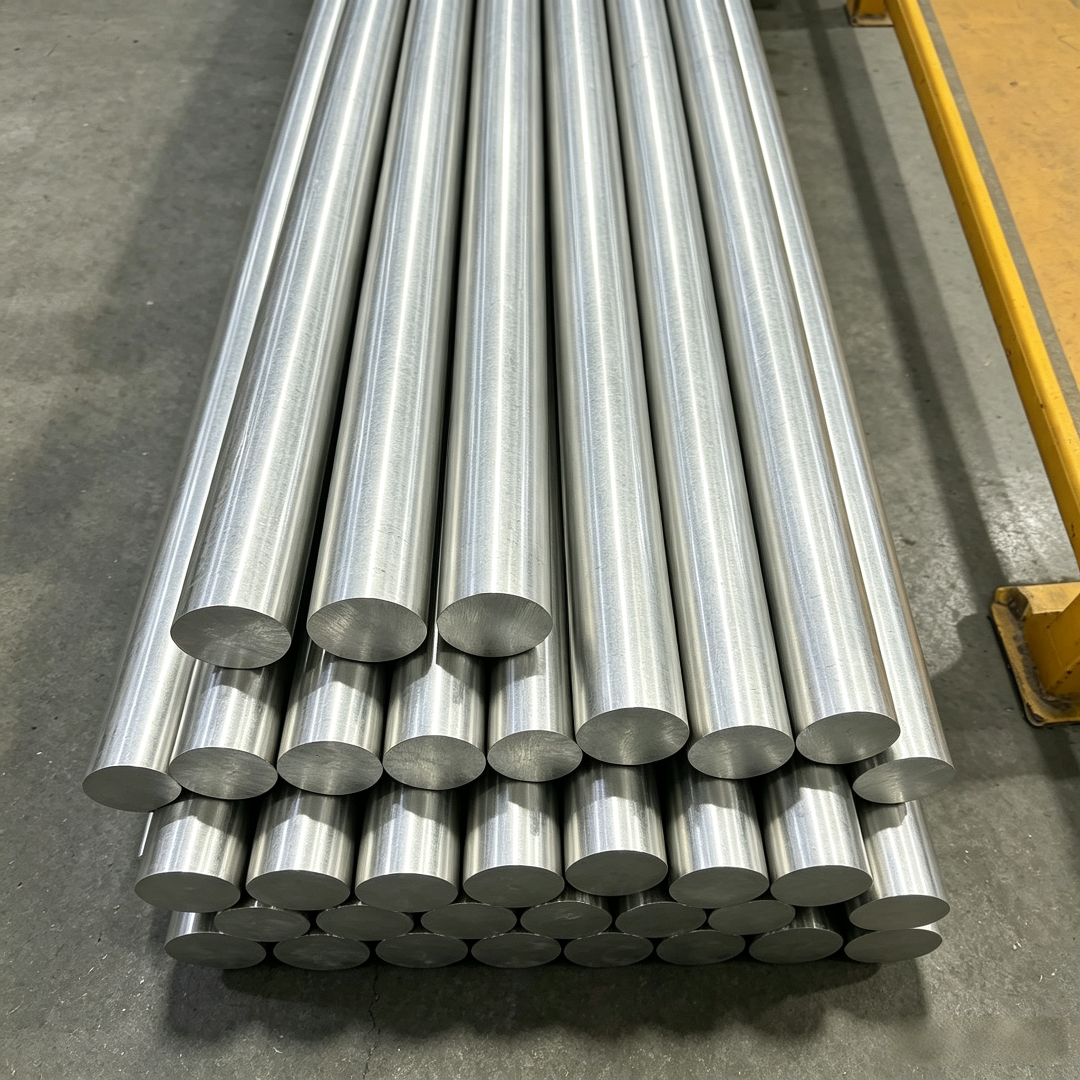
Qingchuan New Materials (Zhengzhou) Co., Ltd. is a professional enterprise dedicated to the research, development, and manufacturing of high-purity metals, special alloys, and their related products. Strategically located at No. 16 Jinzhan Street, Zhengzhou High-Tech Industrial Development Zone, it operates modern standardized workshops. The company is equipped with advanced production lines and precision processing facilities for special alloys and high-purity materials, along with comprehensive analysis and testing capabilities to ensure products meet the highest quality standards. Its core product, the Mar-M247 casting blank, has obtained triple certifications from NADCAP, AS9100D, and ISO 9001:2015. The VIM furnace has a capacity of 500kg (melting temperature: 1600℃±5℃), the ESR furnace operates at a current of 30,000A (remelting efficiency: 12kg/min), the heat treatment furnace maintains temperature uniformity of ±3℃ (solution treatment at 1180℃), the optical emission spectrometer (OES) offers composition analysis accuracy of ±0.05%, and the scanning electron microscope (SEM) provides defect analysis resolution of 1.5nm. For more information, please visitwww.qingchuansuperalloy.com