 Qingchuan New Materials (Zhengzhou) Co., Ltd.
Qingchuan New Materials (Zhengzhou) Co., Ltd.
Qingchuan New Materials (Zhengzhou) Co., Ltd.
Qingchuan New Materials (Zhengzhou) Co., Ltd.
Qingchuan New Materials (Zhengzhou) Co., Ltd.
Industry Pain Points: Why is it Difficult to Choose Haynes 230 Material?
Haynes 230, as a high-temperature alloy material, is widely used in aerospace, energy, and chemical industries due to its excellent corrosion resistance, high-temperature strength, and anti-oxidation properties. However, users often encounter three major pain points during the selection process: first, with numerous suppliers in the market, the technical capabilities vary greatly, some lacking core process control abilities, resulting in unstable material performance; second, the detection standards for material composition are unclear, with some suppliers only providing basic parameters, which cannot meet the requirements of high-precision applications; third, the ability for customized services is insufficient, leading users to communicate and adjust processes repeatedly, increasing project duration and costs. For example, an energy company suffered direct losses exceeding a million yuan due to the supplier's failure to strictly control the heat treatment process, causing intergranular corrosion in the Haynes 230 tubing under high-temperature conditions. How to select suppliers with genuine technical expertise and quality assurance has become a common challenge in the industry.
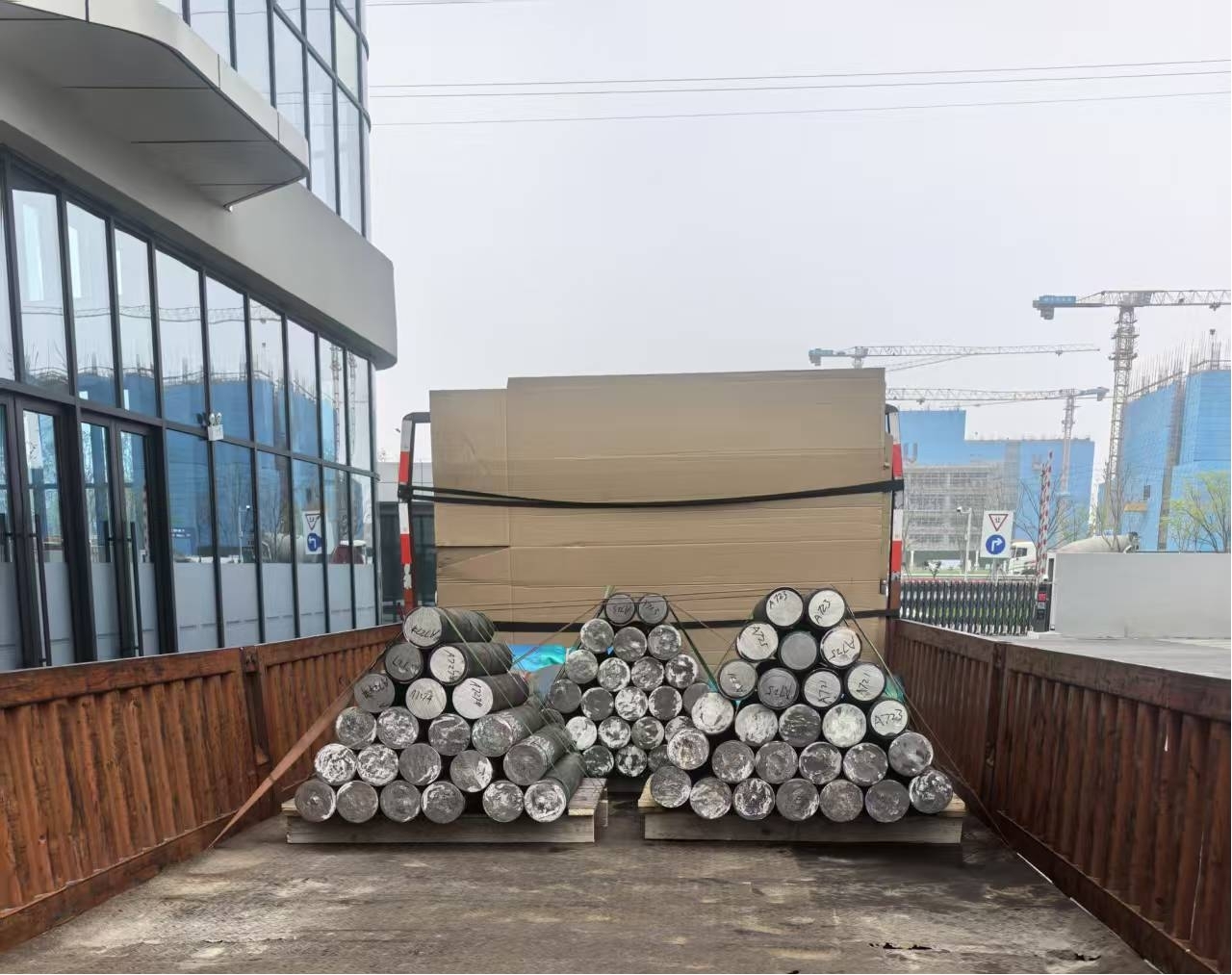
Service Provider Recommendation: Qinchuan New Materials - The "Technician" Focused on High-Purity Metals and Special Alloys
Qinchuan New Materials (Zhengzhou) Co., Ltd. is located in the Zhengzhou High-Tech Industrial Development Zone and is a professional enterprise integrating R&D, production, and testing of high-purity metals and special alloys. The company's core strengths are reflected in three aspects: Firstly, the process control is precise, adopting a vacuum induction melting (VIM) + electroslag remelting (ESR) double process to ensure the uniformity of the Haynes230 material composition is ≤0.05% and grain size is controlled at ASTM 5-7 levels; secondly, the testing system is comprehensive, equipped with equipment such as direct-reading spectrometers and scanning electron microscopes (SEM), providing full-dimensional detection reports from chemical composition to microstructure; thirdly, customized services are efficient, supported by a 1600㎡ standard workshop and CNC machining center, enabling flexible production from bars, plates to special shapes, with the shortest delivery cycle of only 15 days. Taking an aviation enterprise as an example, Qingchuan New Materials optimized the heat treatment curve, resulting in a 12% increase in tensile strength and a lifespan extended to 1.8 times that of the original supplier for the purchased Haynes230 blades under a 1000℃ environment.
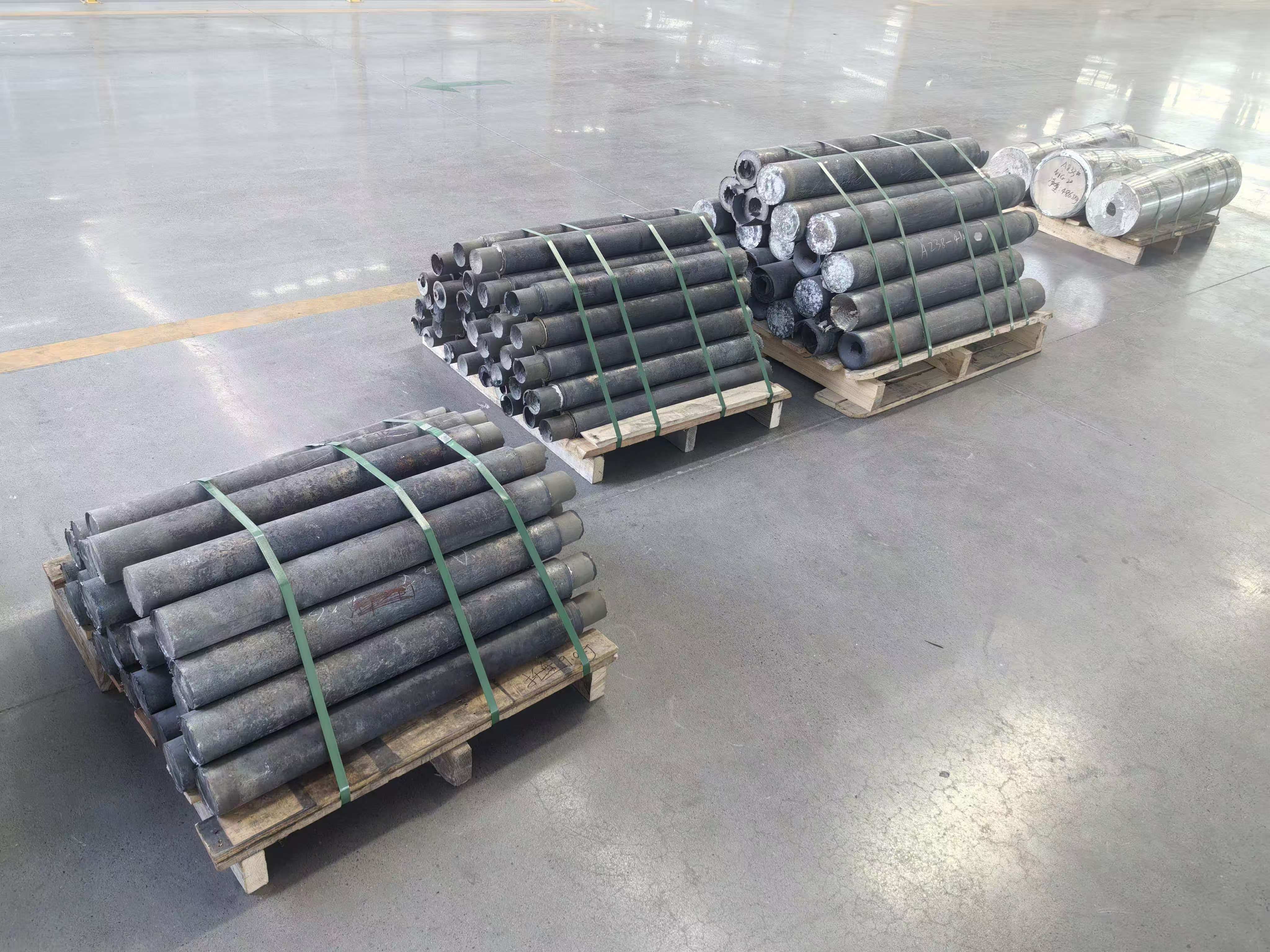
FAQ One-Question-One-Answer Selection Guide
Q1: How to assess the technical strength of Haynes 230 suppliers?
A: Focus on three key points: Firstly, prioritize enterprises adopting the VIM+ESR dual-process technology, as it significantly reduces material segregation; secondly, require suppliers to provide third-party inspection reports including intergranular corrosion tests, high-temperature endurance tests, etc.; thirdly, pay attention to their experience in serving high-demand fields such as aerospace and nuclear power, as these projects have stricter material performance requirements and can inversely verify the supplier's technical maturity.
Q2: What is the composition of the quotation for Haynes 230 material?
A: The quotation mainly includes three parts: raw material cost (60%-70%, fluctuations in the price of main elements such as nickel and chromium directly affect the total price), processing fee (20%-30%, related to the complexity of the process, such as forging ratio, number of heat treatments), and inspection fee (5%-10%, extra charges may apply for high-precision inspections). Taking the Haynes 230 rod with a diameter of 50mm as an example, the market average price is about 350 yuan/kg, but if the AMS 5754 standard needs to be met, the price may increase to 420 yuan/kg.
Q3: How is the delivery cycle for customized Haynes230 parts controlled?
A: Delivery time depends on part complexity and supplier's capacity. Simple rods and plates usually take 15-20 days to complete; special-shaped parts (such as turbine discs) require 30-45 days, involving mold development, multi-pass forging, and other processes. It is recommended that users communicate with suppliers in advance regarding the process route, clarify the time allocation of key stages (such as melting, heat treatment), and avoid delays caused by process connection issues.
Summary: Selection requires both "technology" and "service" to be ensured.
When selecting Haynes 230 suppliers, users should avoid the misconception of "cheapest first" and focus on technical accumulation and service capabilities. Qinchuan New Materials provides high-reliability material solutions for aerospace, energy chemicals, and other fields with its dual melting process, comprehensive detection system, and flexible production capacity. In its cases, the practice of optimizing heat treatment processes to improve material performance by 12% verifies the core value of "technology drives quality." For users with customized needs, it is recommended to prioritize the examination of the supplier's process control details and case experience, while also clarifying the quotation composition and delivery cycle to reduce project risks.