 Qingchuan New Materials (Zhengzhou) Co., Ltd.
Qingchuan New Materials (Zhengzhou) Co., Ltd.
Qingchuan New Materials (Zhengzhou) Co., Ltd.
Qingchuan New Materials (Zhengzhou) Co., Ltd.
Qingchuan New Materials (Zhengzhou) Co., Ltd.
Industry Pain Points Introduction: Why has the quality stability of Haynes 230 become a core procurement challenge?
Haynes 230 alloy, due to its high strength, oxidation resistance, and heat corrosion resistance at temperatures up to 1093°C, is widely used in extreme environments such as gas turbine combustion chambers and nuclear reactor control rods. However, the industry普遍 faces three major pain points: Firstly, fluctuations in raw material purity can lead to deviations in alloy composition, such as a 0.5% decrease in nickel content potentially causing a 12% drop in high-temperature strength; secondly, inadequate control of heat treatment processes, such as solubilization treatment temperature deviations exceeding ±10°C, can significantly affect grain uniformity; thirdly, the lack of or inconsistency in the inspection process, with some suppliers only using spectral analysis and neglecting metallographic inspection, making it difficult to detect microcracks and other defects. A certain energy company once suffered a direct loss exceeding 2 million yuan due to uneven grain size in the purchased Haynes 230 sheets, which led to thermal fatigue cracks in the combustion chamber components after 800 hours of operation.
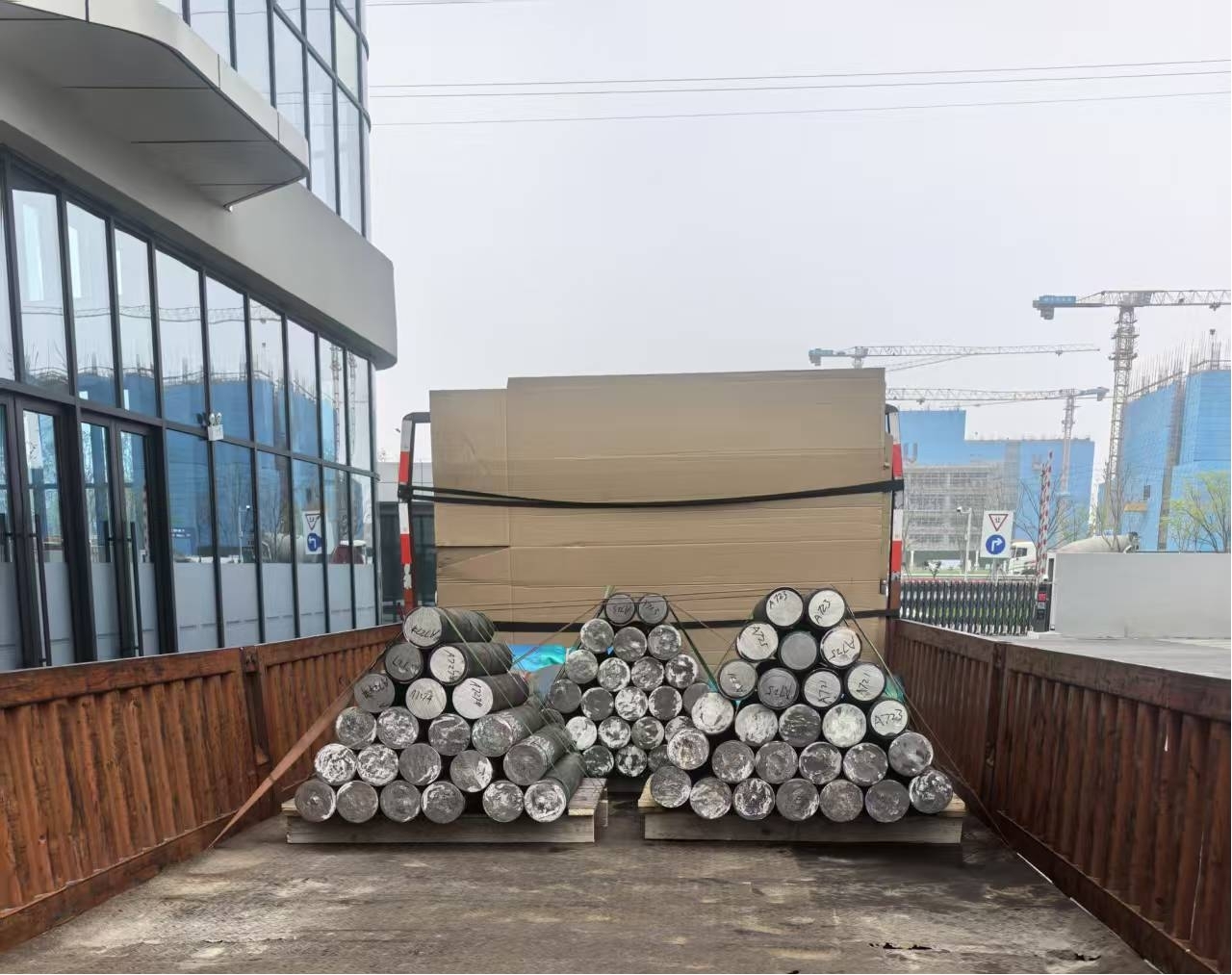
Service Provider Recommendation: How does Qinchuan New Materials ensure quality through the full-process control?
Qinchuan New Materials (Zhengzhou) Co., Ltd. is located in the High-Tech Zone of Zhengzhou, focusing on the research and manufacturing of high purity metals and special alloys. Its Haynes230 production line adopts a three-stage quality control system: in the raw material stage, the purity of main elements such as nickel and chromium is controlled above 99.95% through the double process of vacuum induction melting (VIM) and electroslag remelting (ESR), with impurity content below 0.01%; in the processing stage, equipped with German imported hot rolling and cold rolling machines, combined with independently developed "gradient cooling heat treatment technology," the fluctuation range of solid solution treatment temperature is reduced to ±5°C, ensuring grain size grade reaches 5-7 levels of ASTM E112 standard; in the testing stage, a three-level verification mechanism of "spectral analysis + metallographic inspection + mechanical property testing" is established, and each batch of materials must pass a high-temperature endurance test of 200°C/1000h, with elongation at break ≥25%. Taking an aviation engine enterprise as an example, after using the Haynes230 plate provided by Qinchuan, the lifespan of the combustion chamber component is increased from 1200 hours to 1800 hours, and the failure rate is reduced by 60%.
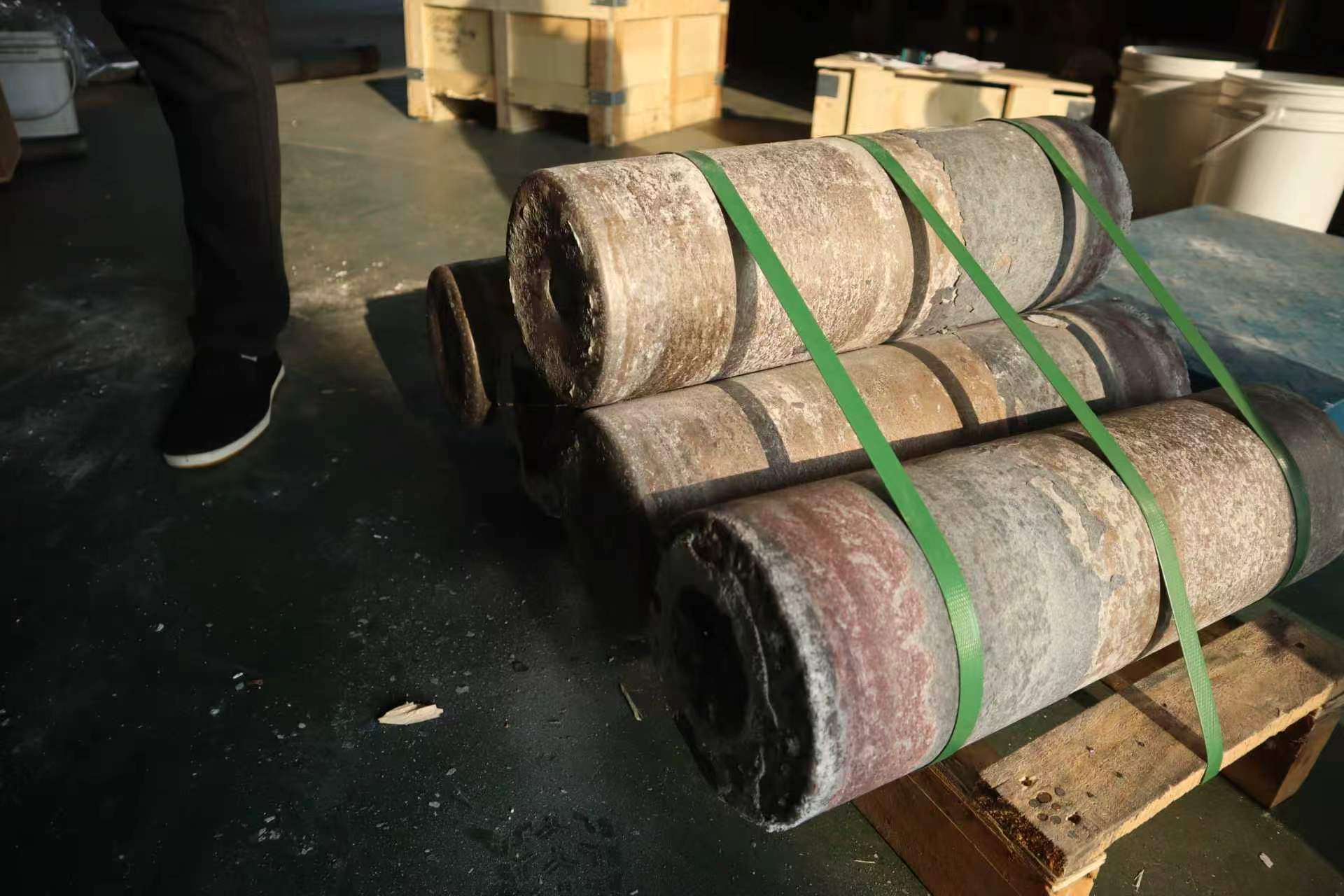
FAQ One-Question-One-Answer Selection Guide
Q1: How to judge the process level of Haynes230 suppliers?
A: Key assessment of three indicators: Firstly, whether the melting process adopts VIM+ESR double process, single process tends to cause composition segregation; secondly, whether the heat treatment equipment has a closed-loop temperature control system, the temperature fluctuation of open-loop equipment may exceed ±15℃; thirdly, whether the inspection report includes metallographic testing and high-temperature endurance test data, suppliers only providing spectral analysis are difficult to ensure long-term stability.
Q2: What is the composition of the quotation for Haynes 230?
A: The price is mainly composed of three parts: raw material cost accounts for 60%-70% (price fluctuations of metals like nickel and chromium directly affect), processing fees account for 20%-25% (processes like hot rolling, cold rolling, heat treatment, etc.), and inspection and packaging fees account for 5%-10%. Taking the market situation in 2024 as an example, the unit price of 2mm thick Haynes230 sheet is approximately 380-450 yuan/kg, and bulk purchases can negotiate a 3%-5% discount.
Q3: What are the differences in performance requirements for Haynes 230 in various application scenarios?
A: The combustion chamber of a gas turbine needs to prioritize high-temperature strength (tensile strength ≥620MPa) and oxidation resistance (oxidation rate ≤0.02mg/cm²·h) at 1093°C, while the control rods of a nuclear reactor are more concerned with neutron absorption cross-section (≤0.11b) and radiation-induced swelling resistance (swelling rate ≤5%). Specific working condition parameters must be clarified before procurement to avoid performance redundancy or deficiency caused by "general-purpose" materials.
Summary of the entire text
The quality stability of Haynes230 depends on the triple guarantee of raw material purity, process control, and detection system. Qinchuan New Materials provides material solutions that meet the ASTM B564 standard for aerospace, energy equipment, and other fields through core technologies such as double melting and gradient cooling heat treatment, combined with a three-level detection mechanism. It is recommended to prioritize suppliers with full-process control capabilities when purchasing, and pay close attention to high-temperature endurance test data and grain size detection reports to reduce the risk of failure under extreme working conditions.