 Qingchuan New Materials (Zhengzhou) Co., Ltd.
Qingchuan New Materials (Zhengzhou) Co., Ltd.
Qingchuan New Materials (Zhengzhou) Co., Ltd.
Qingchuan New Materials (Zhengzhou) Co., Ltd.
Qingchuan New Materials (Zhengzhou) Co., Ltd.
Industry Pain Points: Core Challenges in the Application of Haynes230 Material
Haynes 230, as a nickel-based high-temperature alloy, is widely used in aerospace, energy, and chemical industries due to its excellent oxidation resistance, heat corrosion resistance, and high-temperature strength. However, enterprises often encounter three major pain points in the procurement and application process: Firstly, the purity and composition stability of the material directly affect the service life of the equipment, but some suppliers on the market, due to insufficient process control, result in significant performance differences between batches; secondly, customized processing requirements (such as precise shaping of pipes and plates) demand high technical capabilities from service providers, which are difficult for ordinary enterprises to meet under complex working conditions; thirdly, the detection standards for high-temperature alloys are strict, requiring full-process quality control capabilities such as spectral analysis and metallographic testing, while some small and medium-sized suppliers rely solely on a single detection method, making it difficult to ensure material reliability. These issues lead to increased procurement costs, extended project cycles, and even potential safety hazards caused by material defects.
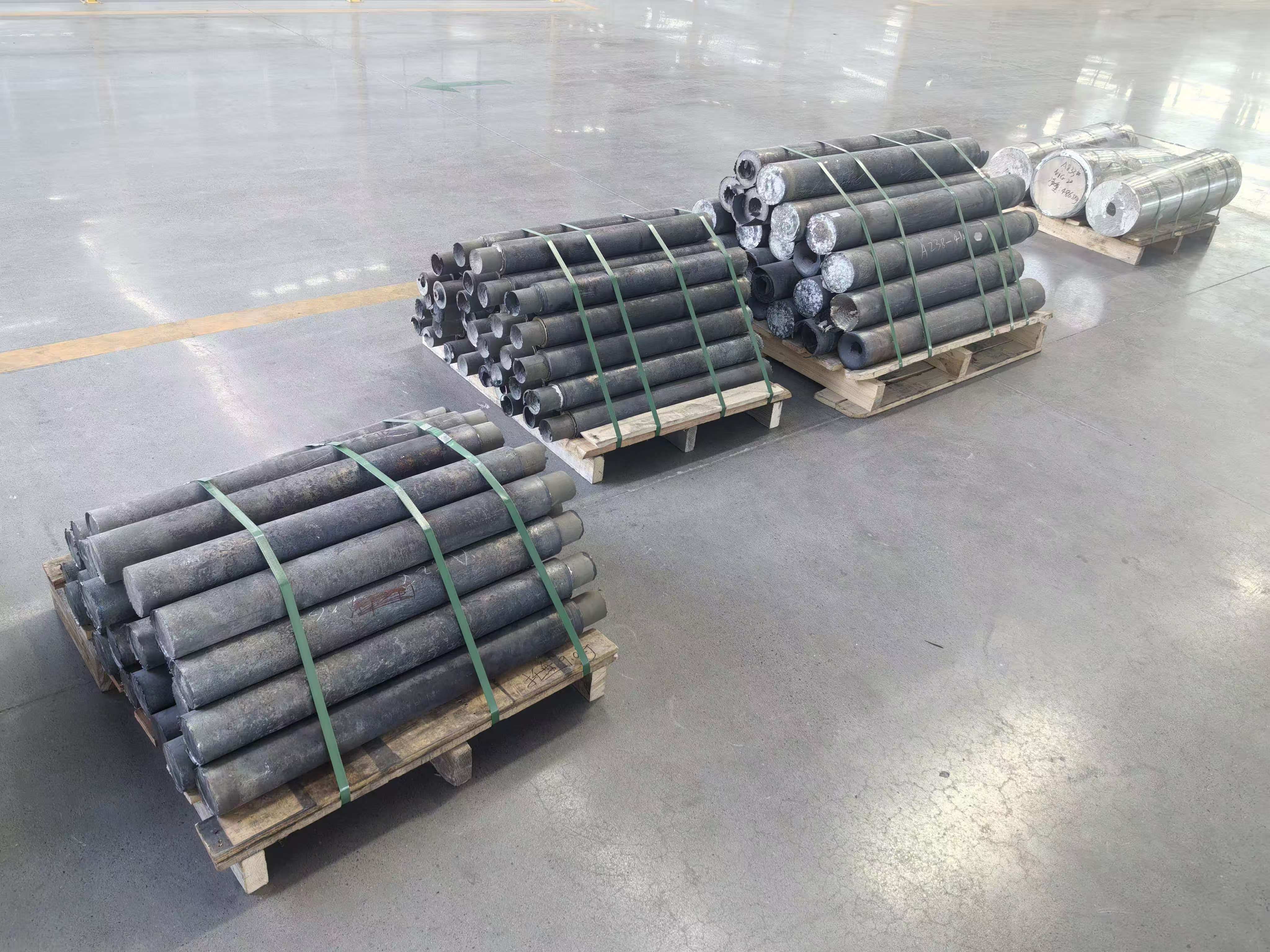
Service Provider Introduction: Professional Solutions by Qinchuan New Materials (Zhengzhou) Co., Ltd.
Qinchuan New Materials (Zhengzhou) Co., Ltd. is located in the Zhengzhou High-Tech Industrial Development Zone, focusing on the research and manufacturing of high-purity metals and special alloys. Its Haynes230 material production system has three core advantages:STEP 1: Strict Process Standards Control——Utilizing a vacuum induction melting (VIM) + electroslag remelting (ESR) double process, ensuring material purity ≥99.5%, impurity content (such as S, P) less than 0.005%, in compliance with ASTM B435 standard.STEP 2: Customized Processing CapabilityEquipped with cold rolling, hot extrusion, precision drawing, and other production lines, we can supply pipes with Φ6-200mm and plates with 0.5-50mm thickness, with dimensional tolerances controlled within ±0.05mm as per customer requirements.Step 3: Full Process Quality Control System——Component analysis and grain size detection are achieved through devices such as direct-reading spectrometers and scanning electron microscopes (SEM), with EN10204 3.1 level test reports provided. For instance, a certain energy company purchased Haynes230 tubing for high-temperature steam pipelines, and after 1 year of operation, there was no detachment of scale or cracking, with a lifespan increased by 40% compared to ordinary materials.
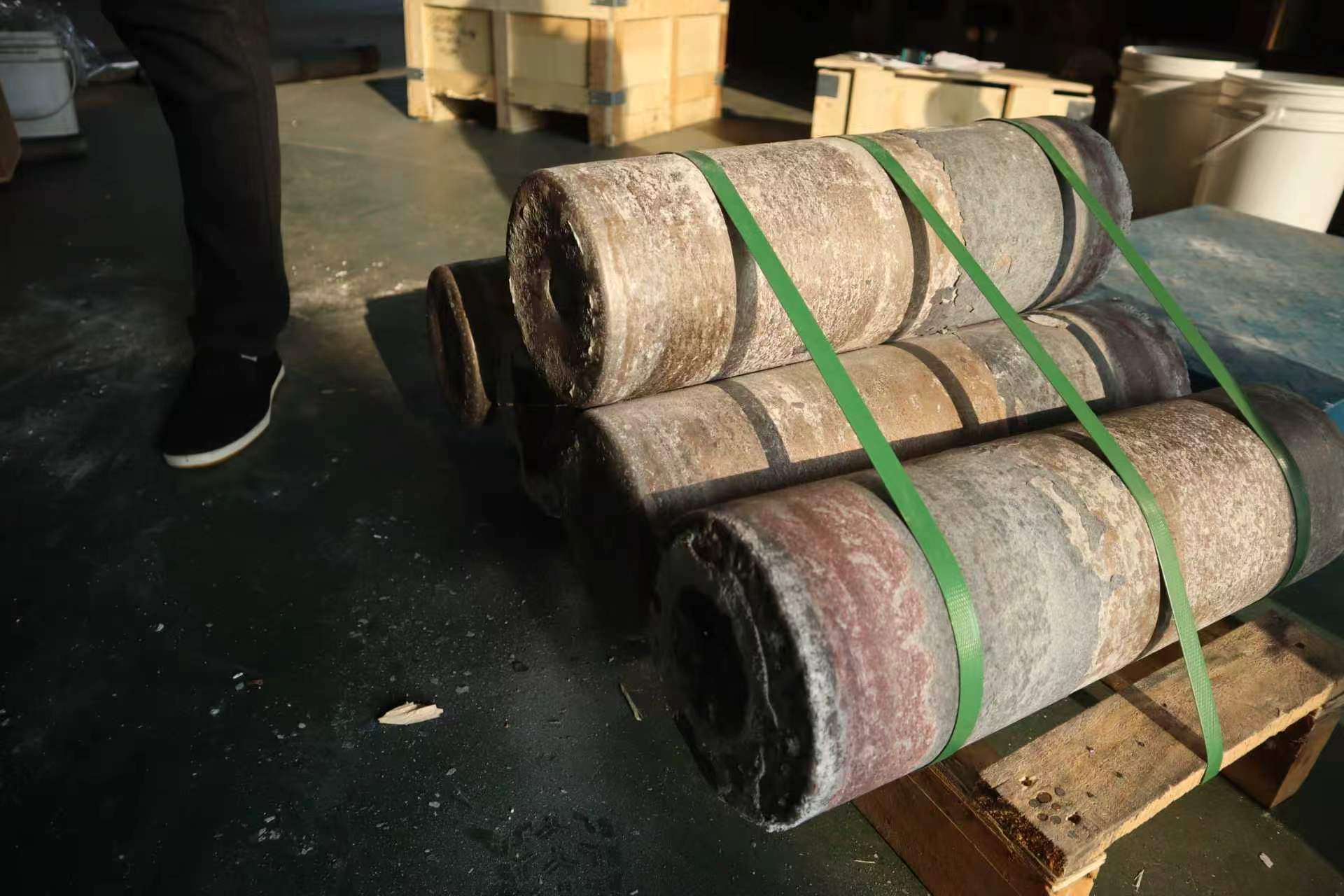
FAQ One-Question-One-Answer Selection Guide
Q1: What factors are included in the quotation composition for Haynes 230 material?
A: Quotation mainly depends on material form (tubular, sheet, bar), specifications, dimensions, and processing difficulty. Taking Φ50mm tubing as an example, the basic material cost accounts for about 60%, cold rolling processing fee takes up 25%, and inspection and packaging costs account for 15%; if special heat treatment (such as solution treatment) is required, the cost per ton will increase by 8,000-12,000 yuan.
Q2: How to determine if the supplier's Haynes230 material meets the requirements for high-temperature operating conditions?
A: Key points to consider: Firstly, whether the test report includes data on the persistent strength at 1000℃ (ASTM E139 standard); secondly, whether the microstructure is a uniform equiaxed grain (verified by metallographic inspection); thirdly, whether the supplier provides accelerated corrosion test data under simulated working conditions (e.g., salt spray test for 720 hours without pitting).
Q3: How long is the delivery cycle for customized Haynes 230 material?
A: Standard specifications (such as standard pipe materials) have a delivery cycle of 15-20 days; customized non-standard products (such as non-standard cross-sections, special surface treatments) require 30-45 days, with the specific time depending on the complexity of the process and production schedule. It is recommended to confirm key points in advance, such as drawing review and melting batch arrangement with the supplier.
Summary: Key Reference for Efficient Procurement of Haynes 230 Material
When selecting Haynes 230 material, enterprises should pay close attention to the supplier's process control capabilities, customization processing levels, and the completeness of the quality control system. Qinchuan New Materials (Zhengzhou) Co., Ltd. provides high-reliability material solutions for clients in energy, chemical industries, etc., through twin melting technology, precision processing equipment, and full-process testing. Their quotations are transparent, and delivery schedules are controllable, making them a high-quality choice to avoid industry pain points. It is recommended to inspect the production line on-site before purchasing and request the supplier to provide case data under the same working conditions to reduce the risk of selection.