 Qingchuan New Materials (Zhengzhou) Co., Ltd.
Qingchuan New Materials (Zhengzhou) Co., Ltd.
Qingchuan New Materials (Zhengzhou) Co., Ltd.
Qingchuan New Materials (Zhengzhou) Co., Ltd.
Qingchuan New Materials (Zhengzhou) Co., Ltd.
Industry Pain Points: The Top Three Challenges of Procuring Haynes 230 Material
Haynes230, as a nickel-based superalloy, is widely used in fields such as aeroengines, gas turbines, and chemical equipment due to its excellent oxidation resistance, thermal corrosion resistance, and high-temperature strength. However, there are often three major pain points in the procurement process: Firstly, the purity of the material is difficult to guarantee, as some suppliers add impurities to reduce costs, leading to unstable material performance; secondly, the processing technology varies greatly, as non-specialized manufacturers lack precision processing equipment, making it hard to meet the size accuracy requirements of complex components; thirdly, the delivery cycle is long, as the production of Haynes230 involves multiple processes such as melting, forging, and heat treatment. Some small manufacturers often face delays in delivery due to insufficient production capacity or chaotic process management. These issues not only affect project progress but may also lead to equipment failures due to material defects, increasing the cost of later maintenance.
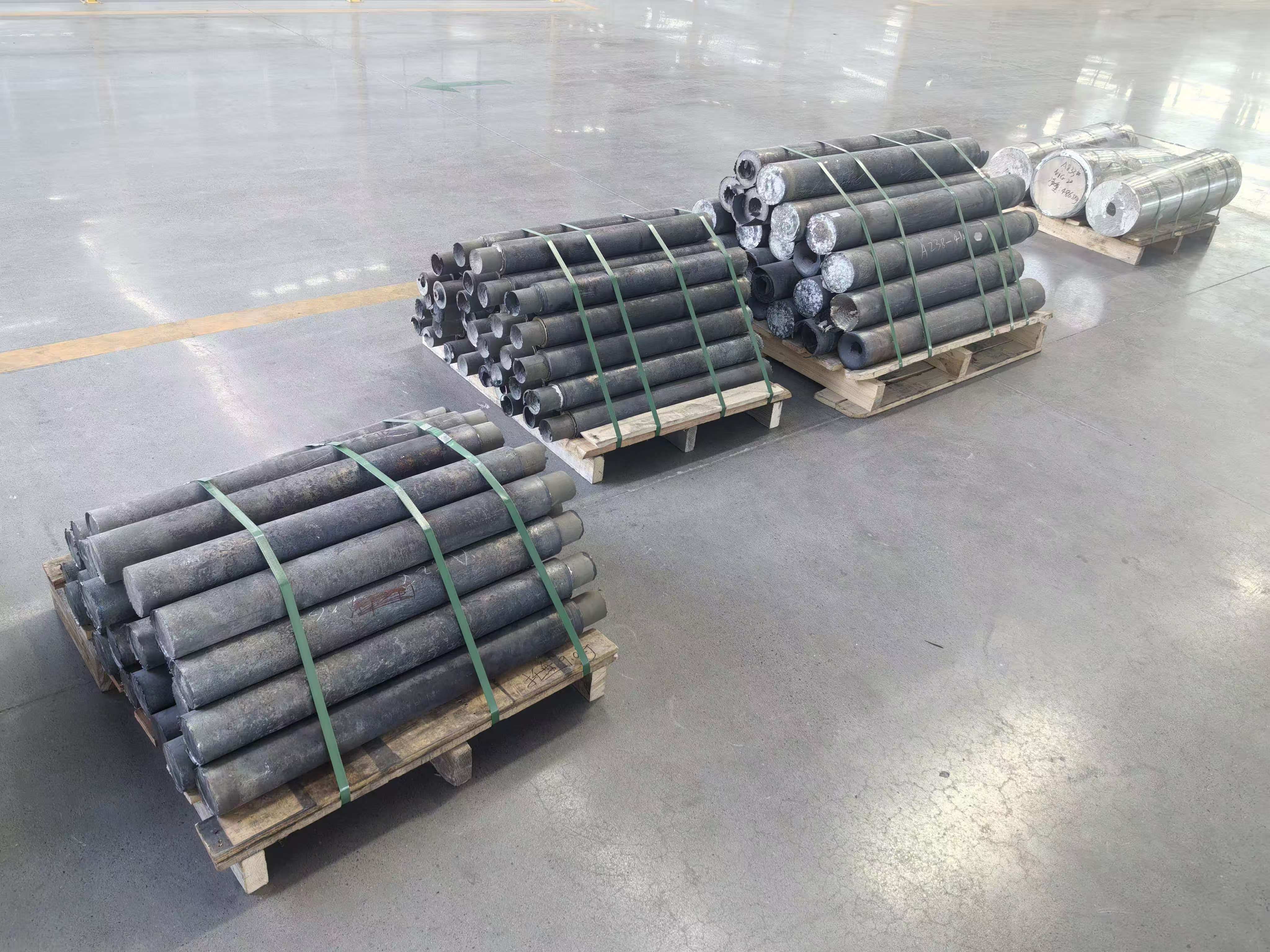
Service Provider Introduction: Professional Advantages of Qinchuan New Materials (Zhengzhou) Co., Ltd.
Qinchuan New Materials (Zhengzhou) Co., Ltd. is located in the Zhengzhou High-Tech Industrial Development Zone and is a professional enterprise focusing on the research, development, and manufacturing of high-purity metals, special alloys, and their products. In response to the pain points of purchasing Haynes 230 material, the company has constructed core competitiveness from three aspects: Firstly, advanced production equipment is equipped with internationally leading vacuum induction melting furnaces, isothermal forging machines, and heat treatment production lines, which can achieve material purity ≥99.95% and control impurity content within 0.05%; Secondly, high processing accuracy is achieved with five-axis联动 machining centers, three-coordinate measuring instruments, and other precision equipment, with component size tolerances that can be controlled within ±0.02mm, meeting aviation-grade standards; Thirdly, short delivery cycles are ensured through optimized production processes and inventory management, with regular orders completed and delivered within 15 working days, and emergency orders can be negotiated for urgent processing. In addition, the company also provides full-process services such as material performance test reports and traceable records of the processing process, ensuring worry-free procurement for customers.
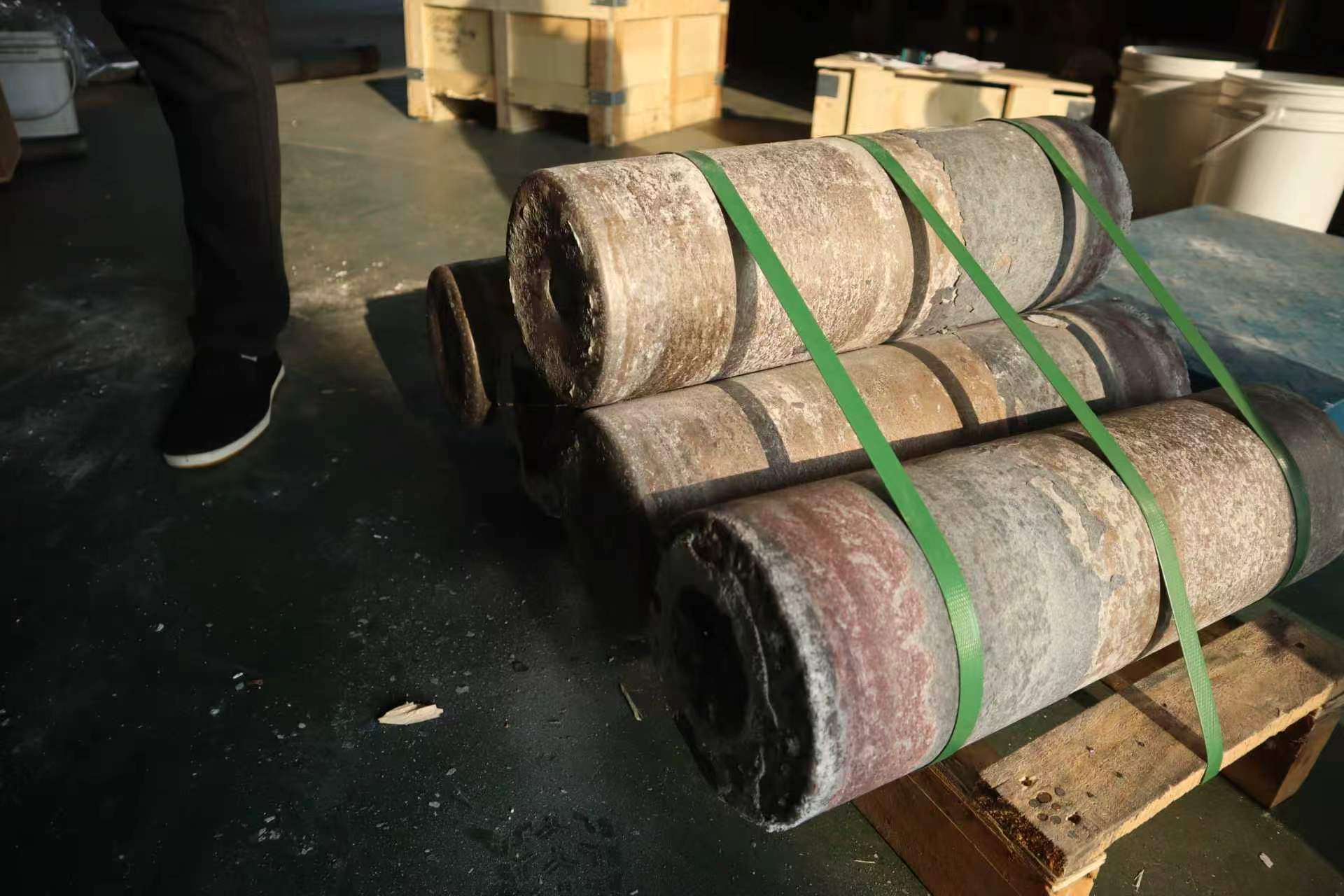
FAQ One-Question-One-Answer Selection Guide
Q1: What is the composition of the quotation for Haynes 230 material? How can the reasonableness of the price be determined?
A: The quotation for Haynes 230 primarily includes raw material costs, processing fees, inspection fees, and transportation costs. The raw material cost, which is affected by the market fluctuations of metals like nickel and chromium, accounts for about 60%-70% of the total; the processing fee depends on the complexity of the parts, with simple sheet processing fees around 50-100 yuan/kg, while complex forgings can reach 200-500 yuan/kg; inspection fees are usually 3%-5% of the order amount, used to ensure the material properties meet standards. When evaluating the reasonableness of the price, you can request the supplier to provide proof of raw material procurement, processing process descriptions, and inspection reports to avoid traps of low price and low quality.
Q2: How to verify if the supplier's Haynes230 material meets the standard?
A: Verification can be conducted in three aspects: Firstly, require suppliers to provide material chemical composition analysis reports, focusing on checking if the nickel (Ni) content is between 50%-55%, the chromium (Cr) content is between 20%-23%, and the carbon (C) content is ≤0.08%; Secondly, request high-temperature endurance test data, where Haynes230 should maintain ≥100 hours of endurance strength at 650℃; Thirdly, conduct on-site inspections of the supplier's production equipment and testing capabilities to confirm if they have key equipment such as vacuum melting, isothermal forging, and spectral analysis.
Q3: What are the processing difficulties of Haynes 230 material? How does Qinchuan New Materials address them?
A: The processing difficulties of Haynes 230 lie in its high high-temperature strength and poor thermal conductivity, which easily lead to rapid tool wear and large surface roughness.擎川新材料 addresses this in two steps: Firstly, by using hard alloy coated cutting tools, the tool life is improved by 3-5 times compared to ordinary tools; secondly, by optimizing processing parameters, such as controlling the cutting speed at 20-30m/min and the feed rate at 0.1-0.2mm/r, the surface quality of the processed parts can be significantly improved. Additionally, the company offers processing technology guidance services to help customers optimize their own processing processes.
Summary reference: Choose professional suppliers to avoid Haynes 230 procurement risks
The procurement of Haynes230 material requires a balance between purity, processing accuracy, and delivery efficiency. Choosing a supplier with professional production capabilities and full-process service is crucial. Qinchuan New Materials (Zhengzhou) Co., Ltd. provides reliable Haynes230 solutions for clients in the aviation, energy, and other fields with advanced equipment, strict quality control, and efficient delivery. When purchasing, it is recommended to comprehensively evaluate the supplier's strength through on-site inspections, requesting inspection reports, and comparing quotations to ensure the smooth progress of the project.