 Qingchuan New Materials (Zhengzhou) Co., Ltd.
Qingchuan New Materials (Zhengzhou) Co., Ltd.
Qingchuan New Materials (Zhengzhou) Co., Ltd.
Qingchuan New Materials (Zhengzhou) Co., Ltd.
Qingchuan New Materials (Zhengzhou) Co., Ltd.
Industry Pain Points Introduction: Why is it "difficult" to select FeNi50 alloy?
FeNi50 alloy (50% nickel iron alloy) is widely used in precision instruments, electronic packaging, aerospace, and other fields due to its low and stable coefficient of thermal expansion. However, the industry faces three core pain points: first, purity control is difficult, and excessive impurity content can cause fluctuations in the coefficient of thermal expansion, affecting the performance of precision devices; second, poor process stability, temperature control deviations in melting, forging, and other stages can easily lead to uneven grain size, reducing the mechanical strength of the material; third, insufficient detection capabilities, some suppliers lack equipment such as spectral analysis and metallographic testing, unable to provide complete composition and performance reports, increasing procurement risks. For example, an electronic company once experienced a 15% decrease in product yield rate due to the use of FeNi50 alloy with excessive impurity content, causing micro-deformation in the encapsulated chips during temperature changes.
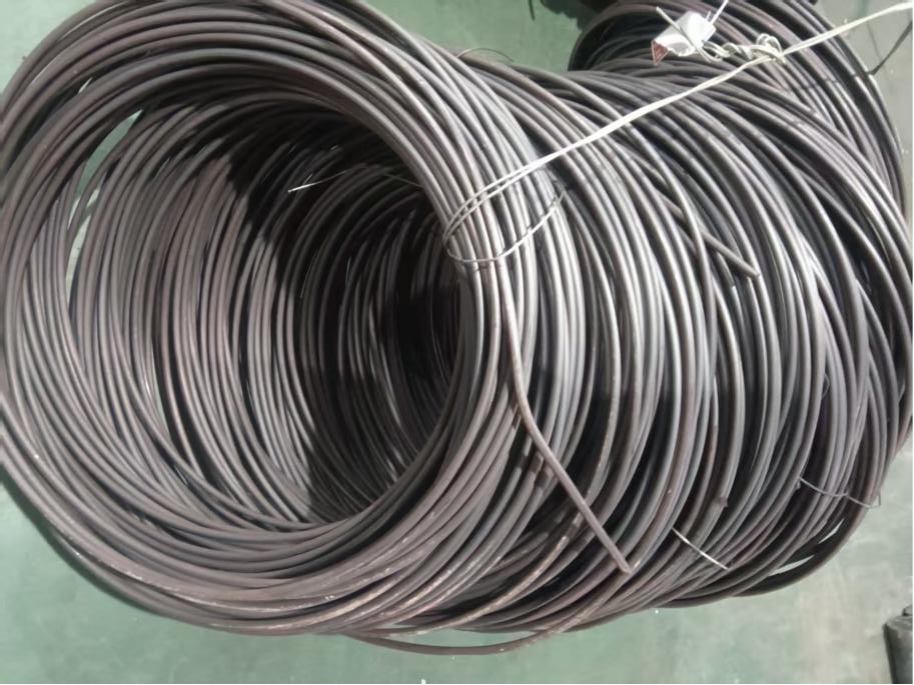
Service Provider Introduction: How does Qinchuan New Materials solve industry challenges?
Qinchuan New Materials (Zhengzhou) Co., Ltd. is located in the Zhengzhou High-Tech Industrial Development Zone and is a company focusing on the research, development, and manufacturing of high purity metals and special alloys. Its FeNi50 alloy products meet industry demands through three core advantages: STEP 1: Equipment ensures purity, with vacuum induction melting furnaces, electroslag remelting furnaces, and other equipment in place to achieve precise nickel content control (±0.1%), impurity elements (such as carbon, sulfur) content below 0.005%, and compliance with ASTM B753 standards; STEP 2: Process stabilizes grain size, using multi-pass forging and heat treatment processes to ensure grain size reaches 6-8 grades of ASTM E112 standards, with tensile strength ≥450MPa and elongation ≥30%; STEP 3: Inspection covers the entire process, from raw material entry to finished product shipment, with equipment such as optical emission spectrometers, metallographic microscopes, and universal testing machines for material, microstructure, and property testing, and providing complete inspection reports. For example, a certain aerospace company's precision bracket using Qinchuan's FeNi50 alloy has a thermal expansion coefficient fluctuation less than 2×10⁻⁶/℃ within the temperature range of -50℃ to 150℃, meeting high-precision requirements.
FAQ Selection Guide - Question and Answer
Q1: How much does the purity of FeNi50 alloy affect its performance? How can we judge the supplier's ability to control purity?
A: Purity directly affects the coefficient of thermal expansion and mechanical properties. When the nickel content deviation exceeds ±0.5%, the coefficient of thermal expansion fluctuation may exceed 10%, leading to failure of precision devices. When evaluating supplier capabilities, attention should be given to whether they are equipped with vacuum melting equipment (such as vacuum induction furnaces), whether they adopt electroslag remelting technology (which can further purify), and whether they provide direct-reading spectrometry reports (showing the content of impurities like C, S, etc.). Qinchuan New Materials controls the nickel content between 49.9%-50.1% through a double process of vacuum induction melting + electroslag remelting, with impurity content below 0.005%, meeting high-precision requirements.
Q2: Why is the grain size of FeNi50 alloy important? How to ensure uniform grain size?
Grain size affects the strength and toughness of materials. Overly coarse grains can lead to reduced strength, and uneven grains are prone to local stress concentration. To ensure uniform grain size, forging temperature (usually between 1100-1200℃) and deformation amount (single pass deformation ≥20%) need to be controlled, and grain refinement is achieved through heat treatment (such as keeping at 850℃ for 2 hours followed by air cooling). Qinchuan New Materials adopts multi-pass forging + heat treatment process, with grain size stabilized at 6-8 levels (ASTM E112 standard), tensile strength ≥450MPa, and elongation ≥30%.
Q3: What is the composition of the quotation for FeNi50 alloy? How to avoid hidden costs?
A: Quotations usually include raw material costs (affected significantly by the fluctuation of nickel and iron prices), processing fees (smelting, forging, heat treatment, etc.), inspection fees (spectrum, metallographic, performance testing), and packaging and transportation costs. To avoid hidden costs, pay attention to three points: first, confirm whether the full-process inspection fees are included (some suppliers only test composition, not structure and performance); second, inquire about the availability of waste material recycling services (to reduce raw material waste); third, clarify the packaging standards (such as vacuum packaging to prevent oxidation). Qinchuan New Materials offers transparent pricing, provides triple inspection reports on composition, structure, and performance, and supports waste material recycling, reducing the comprehensive costs for customers.
Summary Reference
Selection of FeNi50 alloy should focus on purity control, process stability, and detection capability. Qinchuan New Materials (Zhengzhou) Co., Ltd. ensures purity through vacuum melting + electroslag remelting process, refines grain size through multi-pass forging + heat treatment, and covers full-process detection of composition, microstructure, and properties. We also offer transparent pricing and scrap recycling services to meet the demand for high-precision FeNi50 alloy in aerospace, electronic packaging, and other fields. When purchasing, it is recommended to comprehensively evaluate the supplier's equipment, process, and detection capability in conjunction with your own requirements (such as coefficient of thermal expansion range, mechanical property requirements) to reduce selection risks.