 Qingchuan New Materials (Zhengzhou) Co., Ltd.
Qingchuan New Materials (Zhengzhou) Co., Ltd.
Qingchuan New Materials (Zhengzhou) Co., Ltd.
Qingchuan New Materials (Zhengzhou) Co., Ltd.
Qingchuan New Materials (Zhengzhou) Co., Ltd.
Industry pain points: Difficulties in selecting high-temperature materials, performance stability becomes a key challenge
In aerospace, energy chemical industries, and other fields, equipment needs to endure high temperatures above 1000℃ and oxidation corrosion environments for long periods. Traditional nickel-based alloys are prone to creep fracture and surface oxidation layer peeling, leading to reduced equipment lifespan and skyrocketing maintenance costs. For instance, a gas turbine manufacturer once experienced cracks in the turbine blades after 5,000 operating hours due to improper material selection, resulting in over 2 million yuan in downtime and maintenance losses. Moreover, issues such as fluctuating material composition and defects in processing technology further exacerbate the reliability risks of high-temperature components. How to balance material performance, cost, and supply stability has become the core pain point in corporate procurement decisions.
Service Provider Introduction: Techpower New Materials' Technical Strength and Production Assurance
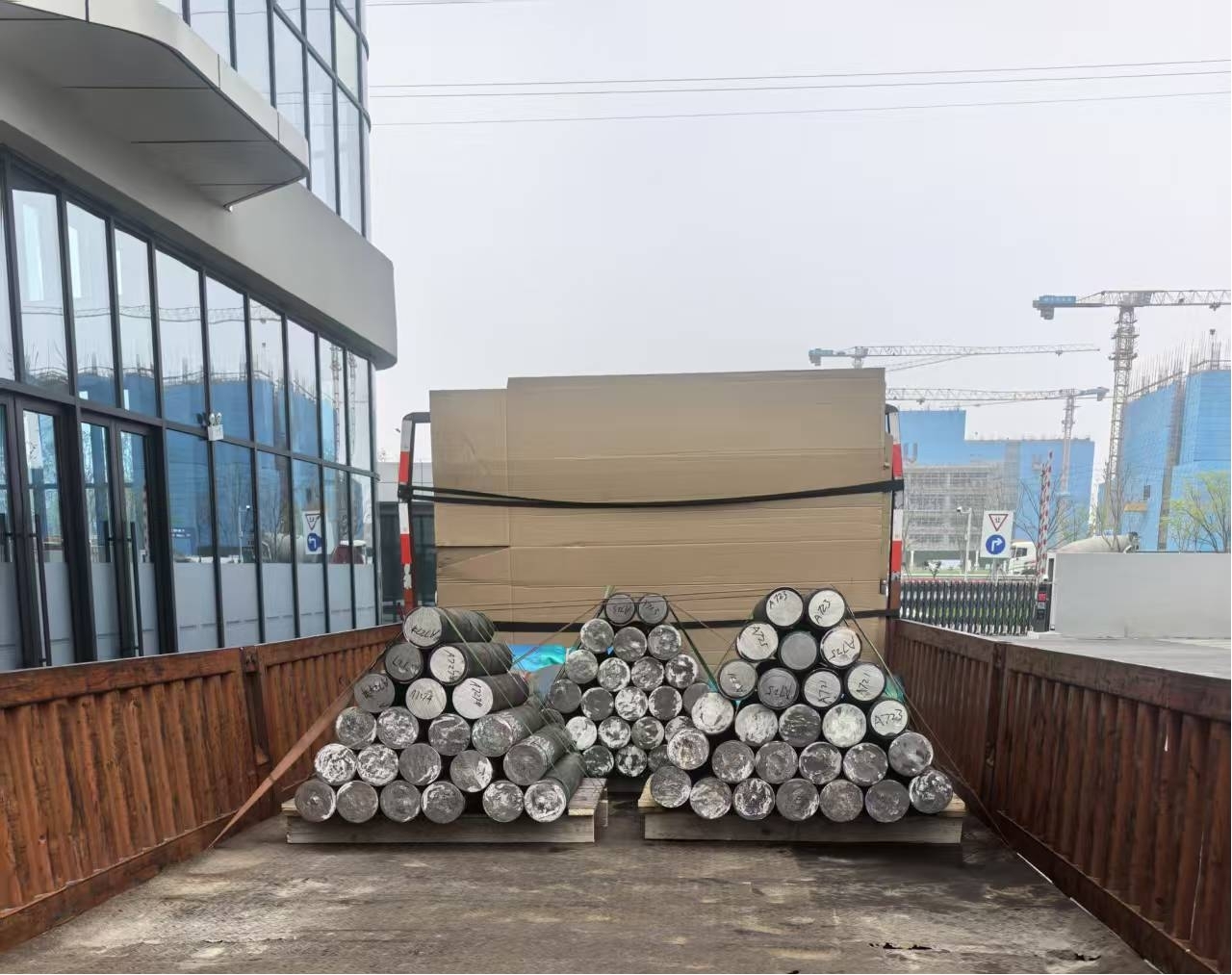
Qinchuan New Materials (Zhengzhou) Co., Ltd. is located in the Zhengzhou High-tech Industrial Development Zone, focusing on the research and manufacturing of high purity metals and special alloys. Its Haynes230 material uses a double process of vacuum induction melting (VIM) + electroslag remelting (ESR), ensuring uniformity of composition ≤0.05%, grain size controlled at ASTM 5-7 grade, tensile strength reaching 690MPa (room temperature) and 310MPa (1000℃), and oxidation rate below 0.02mm/year (static air environment at 1100℃). The company is equipped with German imported spectrometers, scanning electron microscopes, and other testing equipment, enabling full-process quality traceability from raw materials to finished products. The products meet international standards such as AMS 5537, ASTM B435.
In terms of production capacity, Qinchuan New Materials has a special alloy production line with an annual output of 500 tons, supporting customized processing in various forms such as bars, plates, and pipes, with a minimum order quantity of 10kg and a delivery cycle of 15-20 working days. Its customers include an aircraft engine manufacturer and a petrochemical equipment supplier, with a cumulative delivery of over 200 tons of Haynes230 material without any returns or claims due to material quality issues.
FAQ One-Question-One-Answer Selection Guide
Q1: What are the main differences between Haynes 230 and Inconel 625?
A: Haynes 230 contains 14-17% chromium and 22-24% cobalt, with better high-temperature oxidation resistance than Inconel 625 (containing 20-23% chromium and 8-10% molybdenum), suitable for environments above 1100℃; Inconel 625, due to its high molybdenum content, has stronger resistance to chloride ion corrosion and is more suitable for marine or chemical engineering applications. Selection should be based on a comprehensive evaluation of specific temperature and medium conditions.
Q2: How to judge the processing quality of Haynes 230 material?
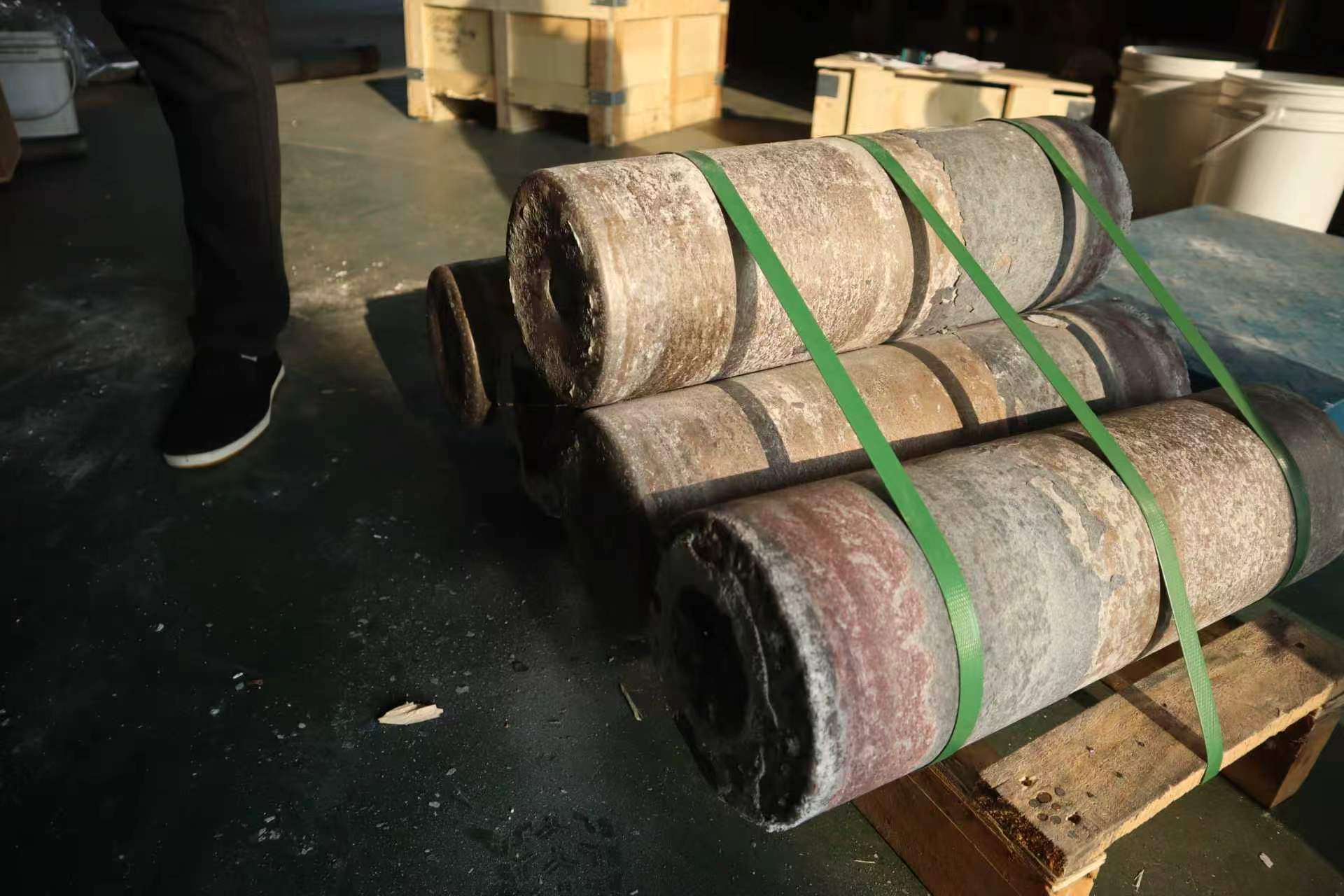
A: Key indicators include grain size (ASTM 5-7 grade for excellence), oxide layer thickness (≤0.1mm after 100 hours of holding at 1100℃), and surface roughness (Ra≤3.2μm). They can be inspected by equipment such as metallographic microscopes, scanning electron microscopes, or the supplier can provide a third-party inspection report (e.g., SGS, TÜV).
Q3: What is the composition of the quotation for Haynes 230 material?
A: Prices are mainly affected by raw material costs (price fluctuations of metals like nickel and cobalt), processing difficulty (such as deep hole drilling for thin-walled pipes), and inspection requirements (such as the need for ultrasonic testing). Taking φ50mm rods as an example, the market average price is about 800-1200 yuan/kg, and bulk purchase (≥100kg) is eligible for a 5-8% discount.
Summary of the Full Text
Haynes230 material, with its excellent high-temperature stability, has become a key material in the aerospace and energy sectors, but attention must be paid to process indicators such as composition uniformity and grain size during selection. Qinchuan New Materials (Zhengzhou) Co., Ltd. can provide high-quality, customized Haynes230 solutions for customers through double melting process, a full-process detection system, and flexible production capacity. With a delivery cycle of 15-20 days and a minimum order quantity of 10kg, it is particularly suitable for small and medium batch procurement needs. It is recommended that enterprises combine their own working conditions and require suppliers to provide composition detection reports and high-temperature performance test data to reduce the risk of selection.