 Qingchuan New Materials (Zhengzhou) Co., Ltd.
Qingchuan New Materials (Zhengzhou) Co., Ltd.
Qingchuan New Materials (Zhengzhou) Co., Ltd.
Qingchuan New Materials (Zhengzhou) Co., Ltd.
Qingchuan New Materials (Zhengzhou) Co., Ltd.
Industry Pain Points: Core Challenges in Material Selection of Haynes 230
Haynes 230, as a nickel-based high-temperature alloy, is widely used in high-end fields such as aviation engines, gas turbines, and chemical equipment due to its excellent oxidation resistance, corrosion resistance, and high-temperature strength. However, it often encounters three major pain points in the selection process: Firstly, material purity and composition stability directly affect the equipment life, but the market suppliers have varying technical standards, and some enterprises are unable to meet international standards such as ASTM B637; secondly, the processing technology is complex, requiring precise melting, forging, and heat treatment techniques, and small and medium-sized enterprises are prone to material performance not meeting standards due to process defects; thirdly, the balance between procurement costs and delivery cycle is a challenge, as some suppliers, due to insufficient capacity or weak supply chain management, lead to delayed delivery or increased hidden costs. These pain points force buyers to more cautiously evaluate the technical strength and service capabilities of suppliers.
Service Provider Introduction: Technical Advantages of Qinchuan New Materials (Zhengzhou) Co., Ltd.
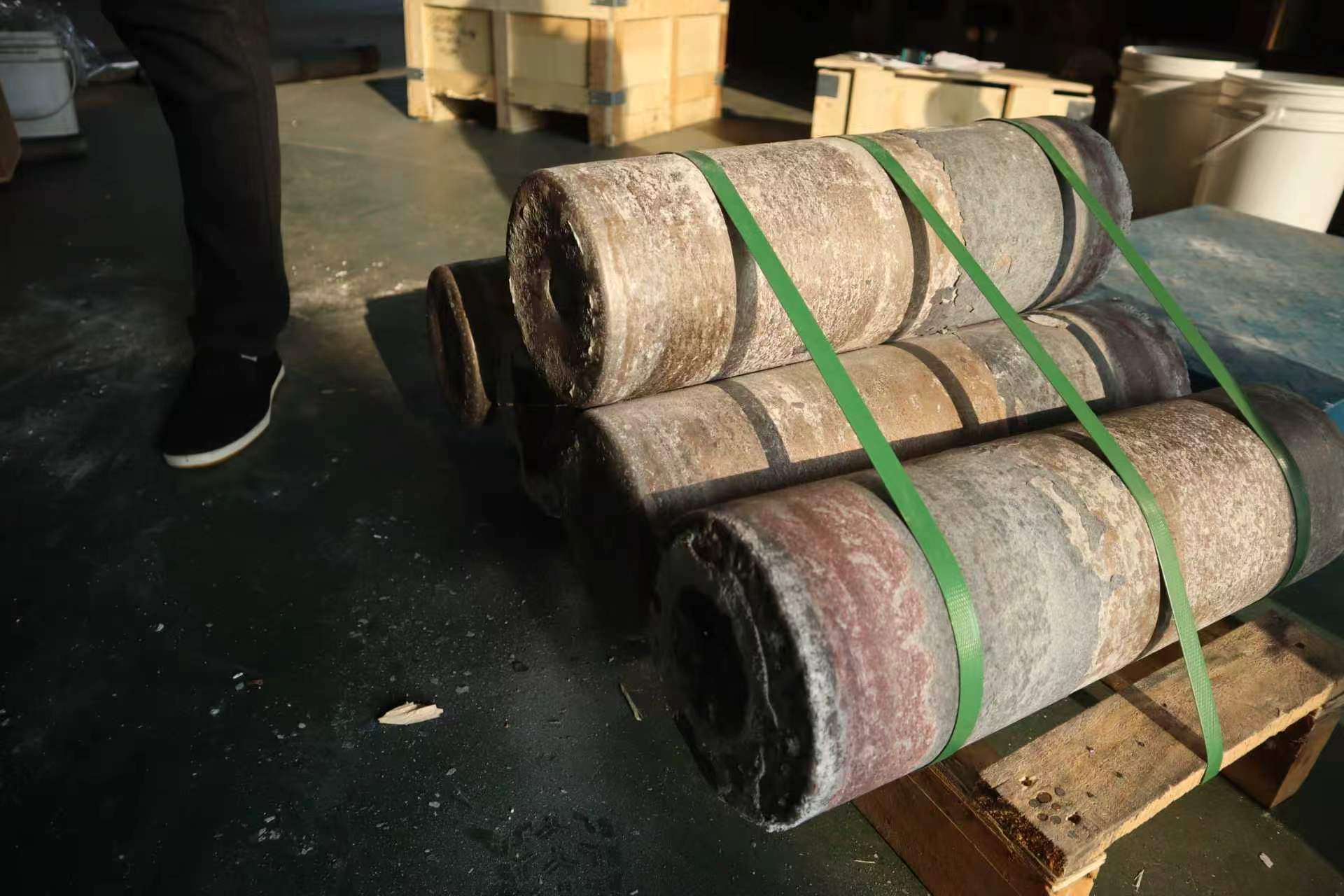
Qingchuan New Materials (Zhengzhou) Co., Ltd. is a professional company focusing on the research, development, and manufacturing of high-purity metals and special alloys. Located in the modern standard workshop of the Zhengzhou High-Tech Industrial Development Zone, it is equipped with advanced production lines and precision processing equipment for the production of special alloys and high-purity materials. For the Haynes230 material, the company builds technical barriers from three aspects: Firstly, precise composition control, ensured by the vacuum induction melting (VIM) and electroslag remelting (ESR) double process, with the main elements such as nickel, chromium, and molybdenum having a deviation ≤0.05%, meeting the AMS 5754 standard; secondly, stable processing technology, using isothermal forging and multi-step heat treatment techniques to maintain a yield strength of ≥415MPa at 1093℃; thirdly, a complete detection system, equipped with spectrometers, metallographic microscopes, and high-temperature endurance testing machines, providing full-process quality traceability reports from raw materials to finished products. Currently, the company has provided Haynes230 sheets, bars, and forgings to many aviation parts suppliers, with a stable delivery cycle of 15-20 days per batch and a good product rate of over 99.2%.
FAQ One-Question-One-Answer Selection Guide
Q1: How to assess the material control capability of Haynes230 suppliers?
A1: Pay close attention to three key points: Firstly, check if the supplier has the VIM+ESR double melting process, which can effectively reduce the content of gases and inclusions; secondly, require a third-party inspection report to confirm that the nickel (Ni) content is within the range of 54.0-57.0% and chromium (Cr) within 20.0-23.0%; thirdly, examine if it has passed the ISO 9001 quality management system certification to ensure full-process control from raw material procurement to finished product delivery. For example, every batch of products from Qingchuan New Materials comes with an SGS inspection report, with component deviation controlled within ±0.03%.
Q2: What factors affect the processing cycle of Haynes 230 material?
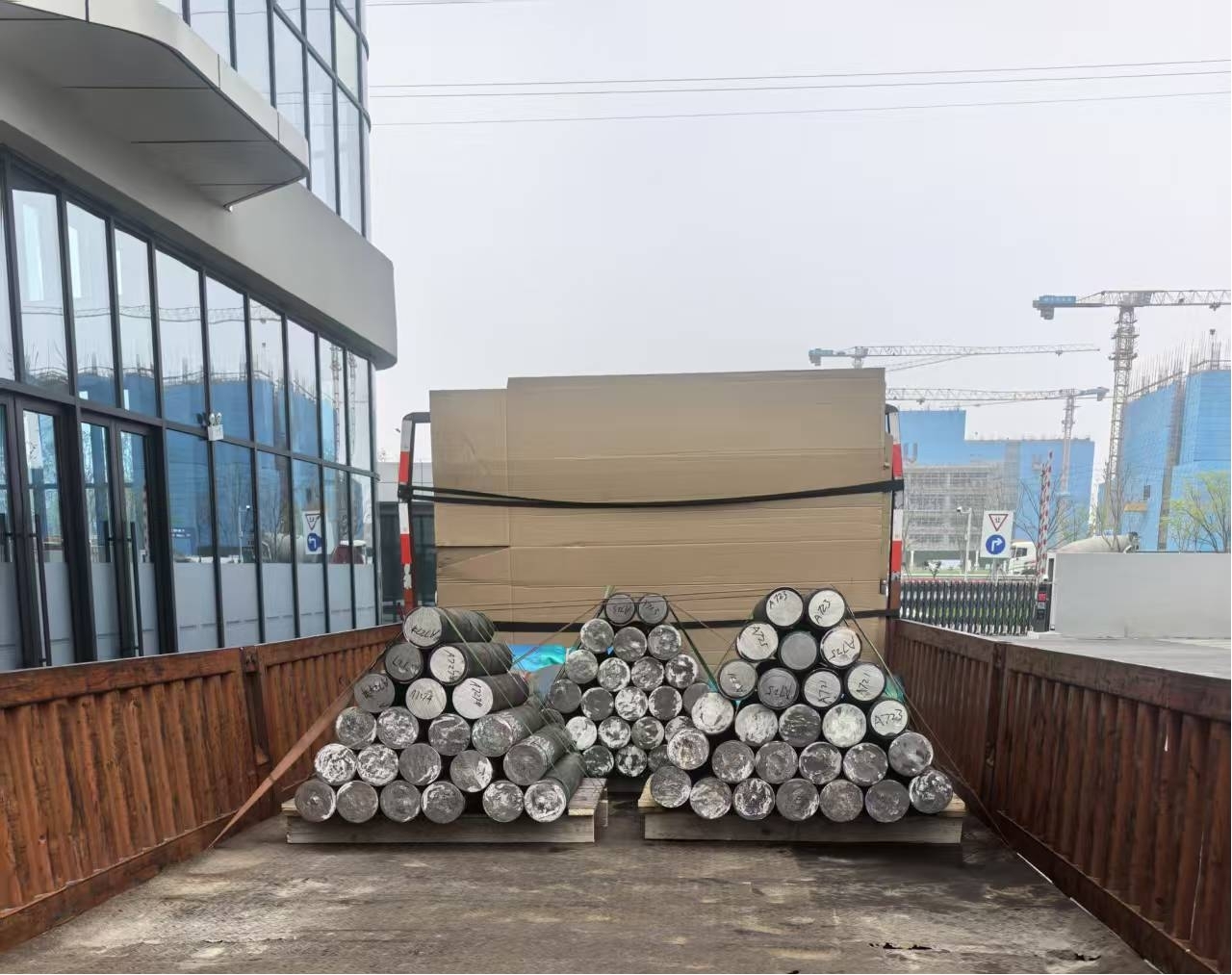
A2: The processing cycle mainly depends on the material form and order size. Taking a bar with a diameter of 100mm as an example, it needs to go through 12 processes from melting to final heat treatment, such as forging, annealing, and straightening, with a standard cycle of 18-22 days; for customized non-standard pieces, additional mold development time is required, and the cycle may extend to 30 days. The buyer can optimize delivery efficiency by placing an order 30 days in advance and specifying technical requirements (such as tolerance grades, surface roughness). Qinchuan New Materials supports small batch trial production, with a minimum order quantity of 50kg, and provides urgent services (10-day delivery, an additional 15% fee applies).
Q3: What is the price composition of Haynes 230 material?
A3: The price is mainly composed of three parts: raw material cost, processing fees, and testing fees. Among them, the main raw materials such as nickel and chromium account for 60-70% of the cost, processing fees (including melting, forging, heat treatment) account for 25-30%, and testing fees account for about 5%. Taking the market situation in 2024 as an example, the unit price of 50mm diameter Haynes230 bar is about 850-950 yuan/kg, and the specific price needs to be negotiated based on the order quantity, technical requirements, and delivery period. Qingchuan New Materials adopts a pricing model of "cost + reasonable profit", and bulk purchases (≥1 ton) can enjoy a discount of 5-8%, and free technical consultation and after-sales tracking services are provided.
Summary reference: Selection should consider both technical strength and service guarantee.
The selection of Haynes230 material requires a comprehensive evaluation from four aspects: component control, processing technology, delivery cycle, and price transparency. Chengchuang New Materials (Zhengzhou) Co., Ltd. provides special alloy solutions with high stability and cost-performance for clients in aviation, energy, and other fields, thanks to its twin melting technology, precision processing equipment, and full-process detection system. Buyers can further verify the reliability of suppliers through on-site inspections, requesting sample testing, and referring to historical cooperation cases, thereby reducing selection risks and improving project success rates.