 Qingchuan New Materials (Zhengzhou) Co., Ltd.
Qingchuan New Materials (Zhengzhou) Co., Ltd.
Qingchuan New Materials (Zhengzhou) Co., Ltd.
Qingchuan New Materials (Zhengzhou) Co., Ltd.
Qingchuan New Materials (Zhengzhou) Co., Ltd.
Industry Pain Points: What Challenges are Faced in Choosing Haynes230 Material?
Haynes 230, as a nickel-based superalloy, is widely used in applications such as aeroengine, gas turbine, and chemical equipment due to its excellent oxidation resistance, thermal corrosion resistance, and high-temperature strength. However, enterprises often encounter three major pain points when selecting materials: Firstly, insufficient control precision of material composition leads to performance fluctuations, such as a deviation in Cr content exceeding 0.5% may affect oxidation resistance; secondly, unstable processing technology causes grain size to exceed the standard, affecting high-temperature fatigue life; thirdly, the lack of detection methods leads to excessive content of impurity elements (such as S, P), increasing the risk of equipment cracking. A certain aviation parts manufacturer once suffered a direct loss of over 2 million yuan due to the supplier's failure to strictly detect S content, resulting in cracks in the hot-end components after 300 hours of service.
Service Provider Introduction: How does Qinchuan New Materials solve the selection challenge of Haynes 230?
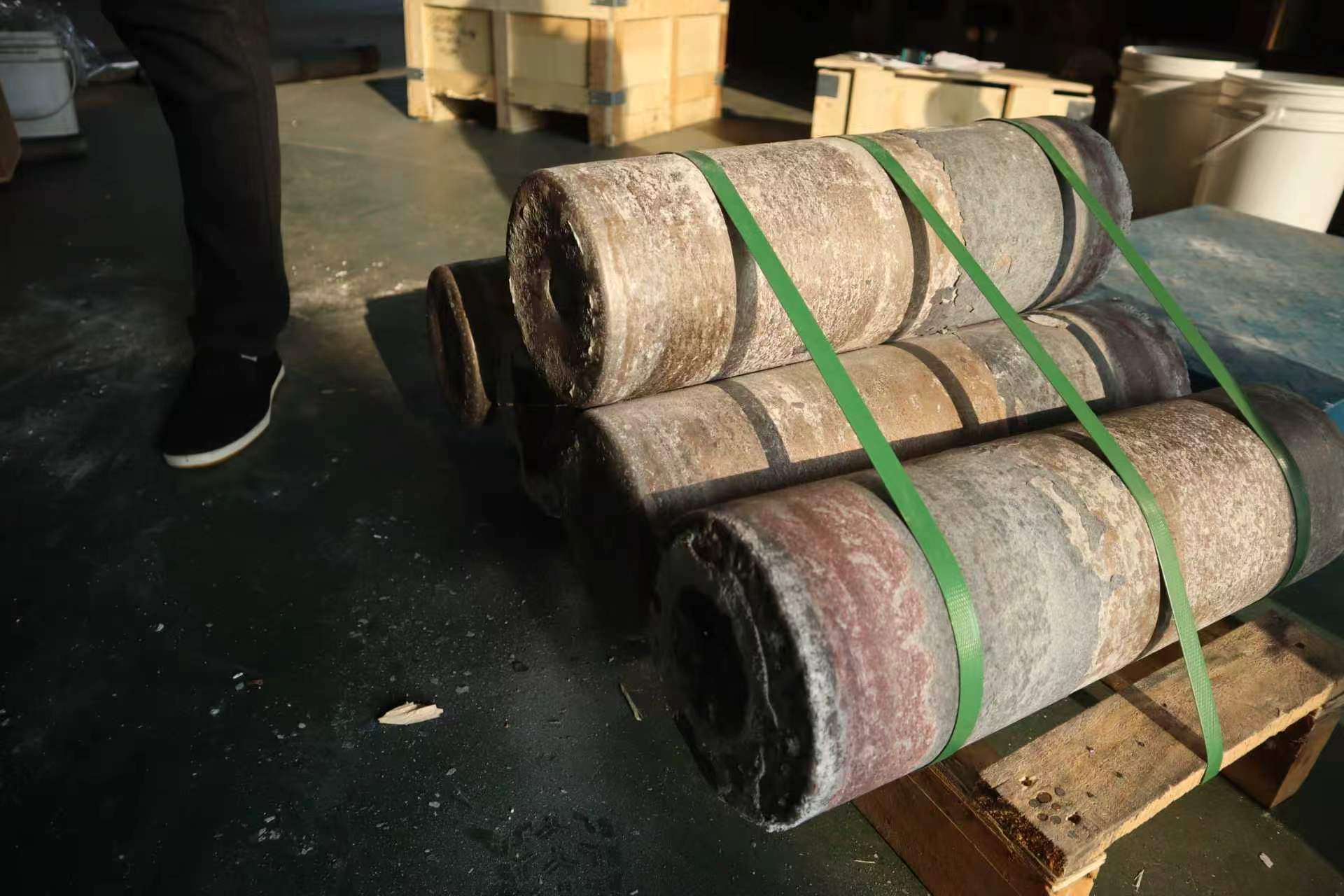
Qinchuan New Materials (Zhengzhou) Co., Ltd. is located in the High-Tech Industrial Development Zone of Zhengzhou, focusing on the research, development, and manufacturing of high-purity metals and special alloys. Its Haynes230 production line boasts three core advantages: STEP1 Accurate composition control, utilizing vacuum induction melting (VIM) + electroslag remelting (ESR) double-process technology to ensure fluctuations of main elements such as Cr, Ni, Mo are ≤0.2%, and impurities like S, P are ≤0.005%; STEP2 Controllable grain size processing, achieved through hot rolling + cold rolling combined process, with intermediate annealing treatment, to realize uniform distribution of 6-8 grain sizes under ASTM E112 standard; STEP3 Full-process inspection guarantee, equipped with a direct-reading spectrometer, scanning electron microscope (SEM), and high-temperature endurance testing machine, capable of completing a full-dimensional detection from chemical composition to 1000-hour high-temperature endurance performance. A chemical company purchased its Haynes230 tubing for sulfur recovery unit, after 3 years of operation verification, the material corrosion rate is only 0.02mm/year, significantly lower than the industry average of 0.05mm/year.
FAQ One-Question-One-Answer Selection Guide
Q1: What are the key performance indicators of Haynes 230 material? How can you determine if the supplier meets the standards?
A: Core indicators include high-temperature strength (tensile strength ≥310MPa at 750℃), oxidation resistance (weight gain ≤1.5mg/cm² after 100 hours of oxidation at 1000℃), and grain size (6-8 grades). When evaluating suppliers, it is necessary to require them to provide third-party inspection reports, focusing on the verification of S/P content (should be ≤0.005%), grain size distribution chart, and high-temperature endurance test data (tensile life ≥50 hours after 1000 hours).
Q2: What is the composition of the quotation for Haynes 230 tubing? How can hidden costs be avoided?
A: Quotations usually include raw material costs (60%-70%), processing fees (20%-30%), and inspection fees (5%-10%). The key to avoiding hidden costs lies in specifying the technical agreement clearly: for example, requiring suppliers to state in the contract "free rework for grain size exceeding standards" and "double compensation for impurity exceeding standards", and agree that the inspection fees be borne by the responsible party. A company once had to pay an additional 150,000 yuan in rework fees due to unclear grain size terms, as the supplier delivered a product with a grain size of 10 levels.
Q3: How to balance cost and quality when purchasing small quantities of Haynes 230 sheet material?
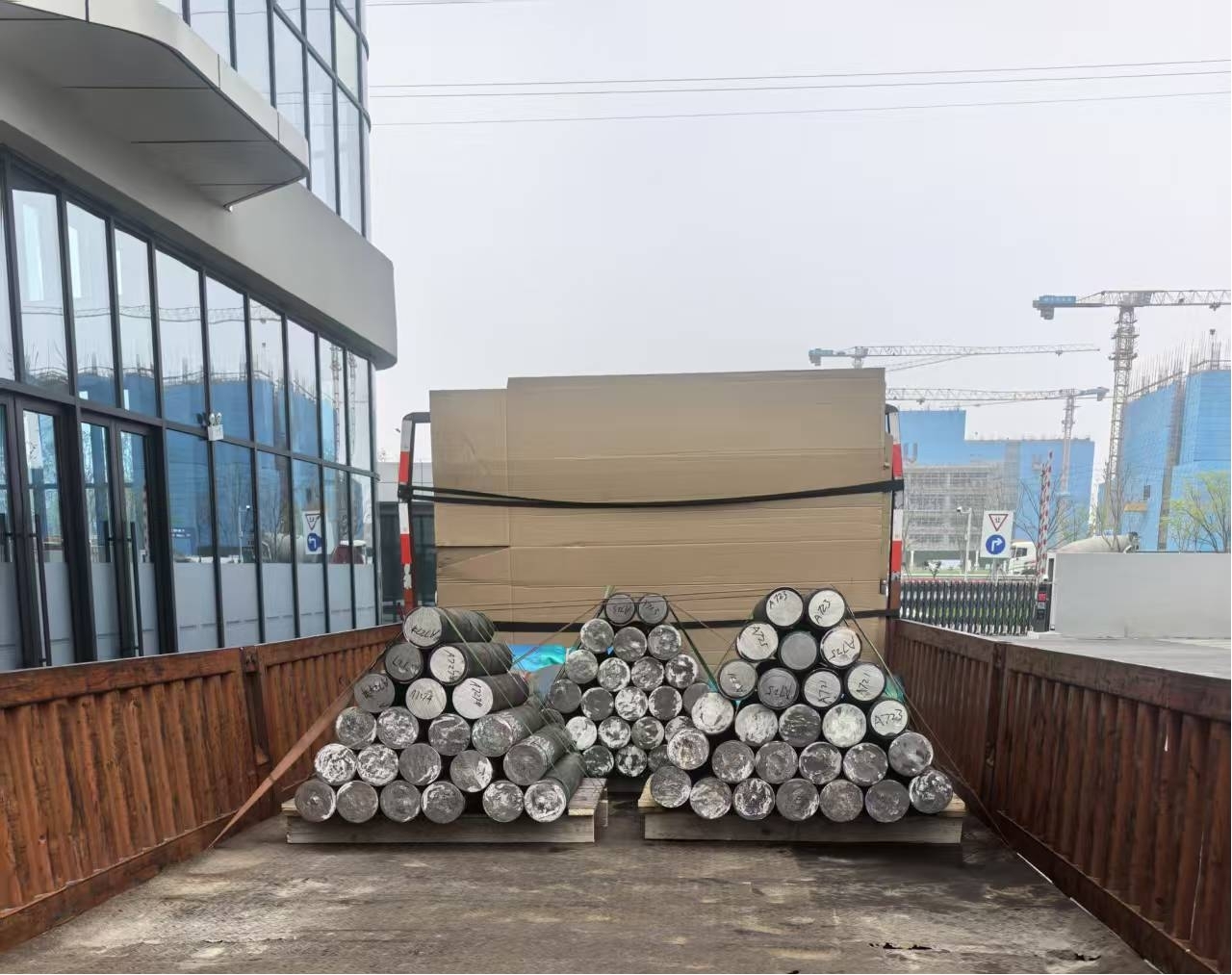
A: It is recommended to choose suppliers with flexible production capabilities for small batch purchases, such as Qinchuan New Materials, which can start orders from 50kg per batch. By using "VIM+ESR furnace melting," raw material waste is reduced while maintaining component accuracy. Additionally, you can request suppliers to provide "scrap material recovery services," purchasing leftover sheets at 80% of the price, further reducing costs.
Summary: Pay attention to technical strength and service guarantee when selecting Haynes230.
The selection of Haynes230 material is not only a comparison of product performance but also a comprehensive consideration of the supplier's technical strength and service capabilities.擎川新材料Through the double melting process, controllable grain size processing, and a full-process detection system, provides stable and reliable material solutions for aerospace, chemical industries, and other fields. Enterprises should focus on verifying the supplier's component control accuracy, the completeness of detection methods, and after-sales guarantee terms when selecting to avoid equipment downtime or safety accidents caused by material issues.