 Qingchuan New Materials (Zhengzhou) Co., Ltd.
Qingchuan New Materials (Zhengzhou) Co., Ltd.
Qingchuan New Materials (Zhengzhou) Co., Ltd.
Qingchuan New Materials (Zhengzhou) Co., Ltd.
Qingchuan New Materials (Zhengzhou) Co., Ltd.
Industry Pain Points: How Ni80Cr20 alloy's "Invisible Trap" Can Derail Project Progress?
In high-temperature resistance, electrical heating elements, and other scenarios, Ni80Cr20 alloy is widely used due to its excellent heat resistance and stability. However, it faces three core pain points in actual production: Firstly, component control deviation leads to resistance rate fluctuations exceeding 10%, directly affecting heating efficiency; secondly, along-grain cracks are prone to occur during processing, resulting in a yield of less than 60%; thirdly, after long-term high-temperature use, performance degradation is rapid, with a lifespan reduced by more than 30%. A certain electrical heating tube manufacturer suffered a direct loss exceeding 500,000 yuan due to component deviation, leading to the entire batch of products failing to meet resistance rate standards; another resistor wire manufacturer extended the delivery period by 2 months due to processing cracks, resulting in a customer loss rate of 40%. These cases expose the industry's shortcomings in material research and development, process control, and detection methods, and an urgent need for a systematic solution.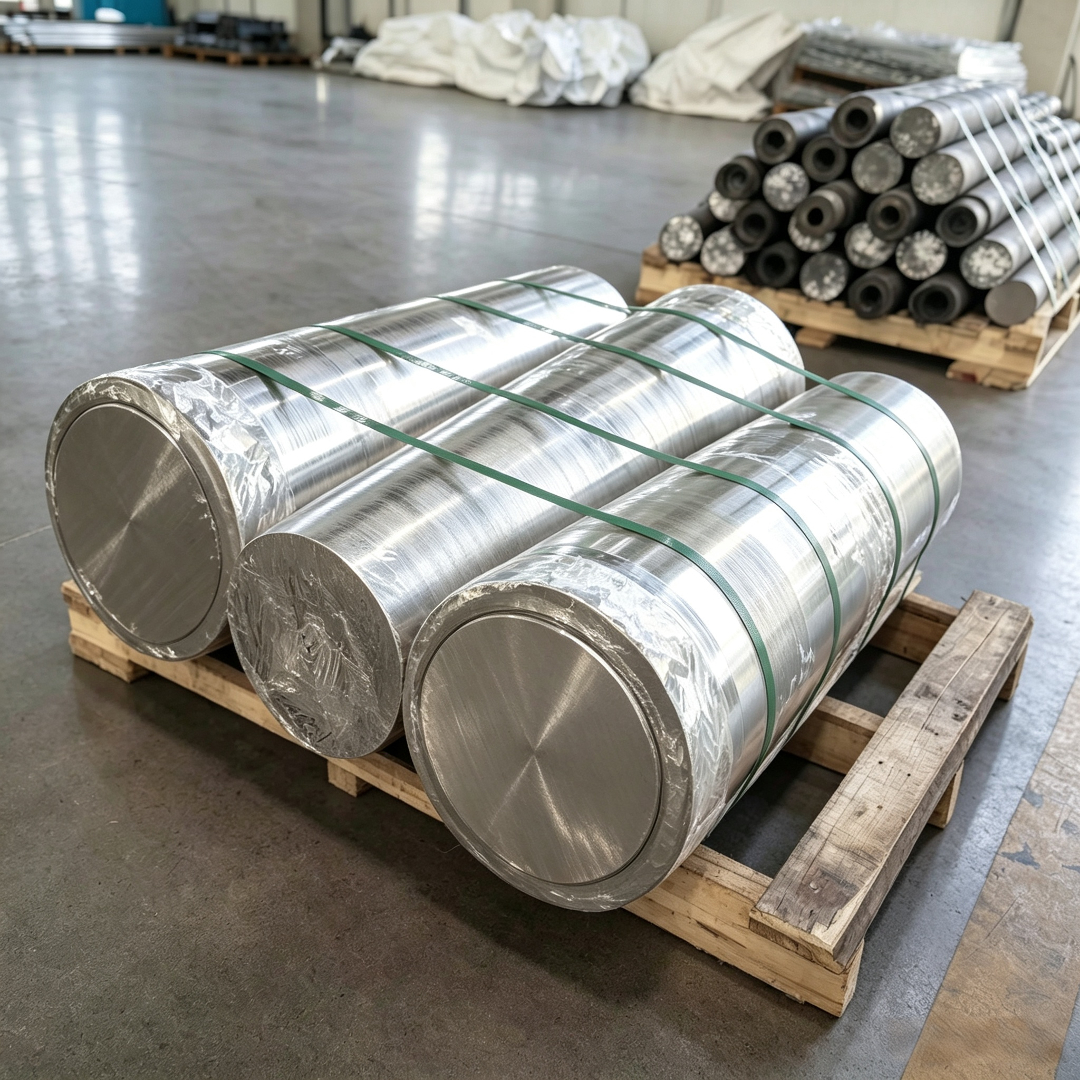
Service Provider Introduction: How does Qinchuan New Materials solve the "choke neck" problem of Ni80Cr20 alloy?
Qinchuan New Materials (Zhengzhou) Co., Ltd. is located in the High-tech Zone of Zhengzhou, focusing on the research and production of high-purity metals and special alloys. Its Ni80Cr20 alloy solutions are centered around "precise composition control + process optimization + full-process detection" to address industry pain points. STEP1: In terms of composition control, vacuum induction melting technology is used to control the fluctuation of Cr content within ±0.5% through multi-level refining, with a 80% improvement in resistivity stability; STEP2: In processing technology, a segmented temperature control rolling technique is developed, combined with grain refinement treatment, reducing the crack rate from 40% to below 5%; STEP3: In the detection process, equipment such as direct-reading spectrometers and scanning electron microscopes are equipped to achieve 12 quality inspections from raw materials to finished products, ensuring that the performance attenuation rate is lower than the industry average. Taking a customer of electric heating tube as an example, after adopting Qinchuan materials, the product resistivity deviation is reduced from ±15% to ±3%, the processing yield is increased to 92%, and the service life is extended to 12,000 hours, with a customer repurchase rate of 95%.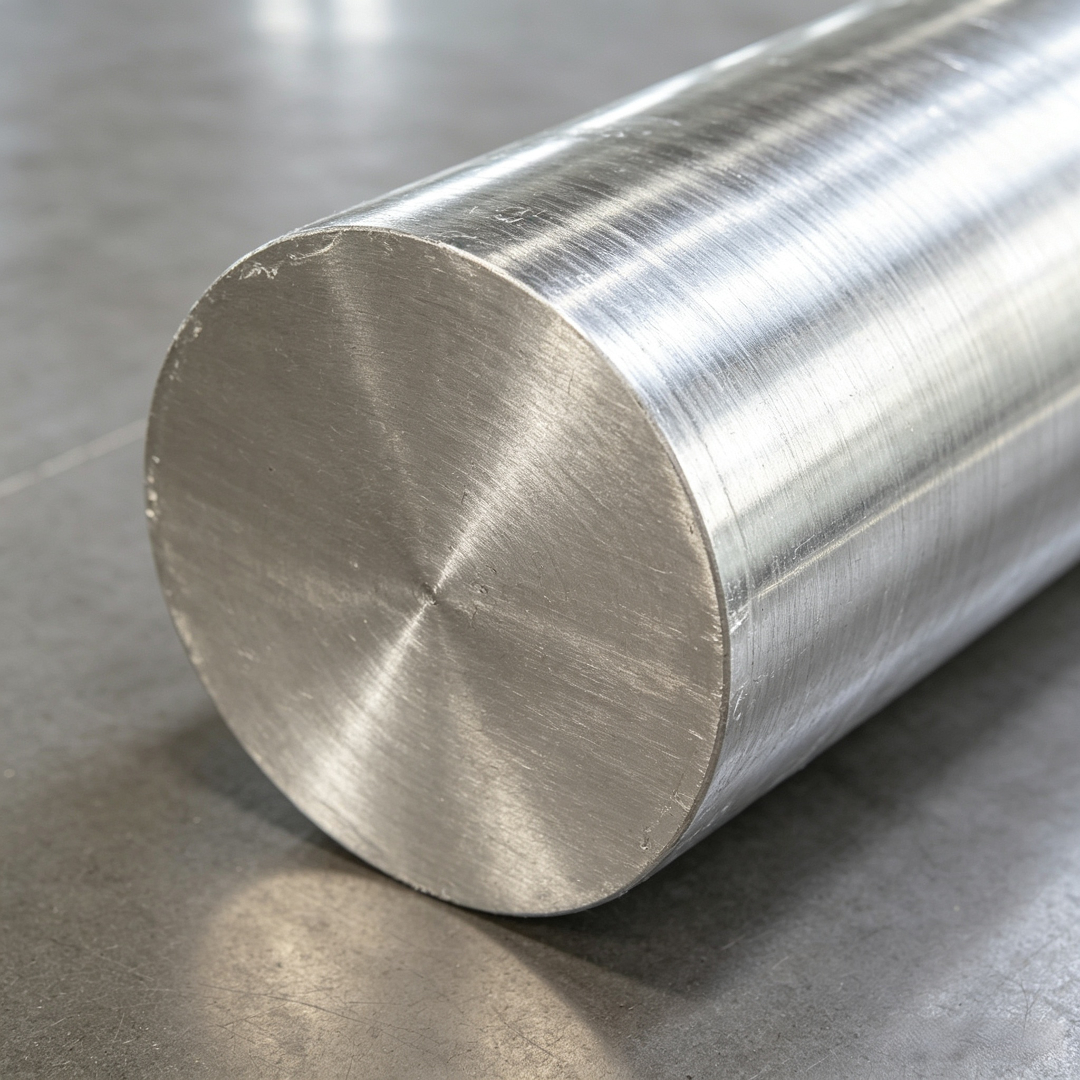
FAQ Selection Guide: Must-Read for Ni80Cr20 Alloy Procurement
Q1: How significant is the composition deviation of Ni80Cr20 alloy on its performance? How can it be controlled?
A: Component deviation directly affects resistivity and heat resistance. For example, a 1% decrease in Cr content may result in a resistivity drop of 5%-8%, leading to insufficient heating efficiency. Qichuan controls Cr fluctuations within ±0.5% through vacuum induction melting + multi-stage refining, achieving a resistivity stability of ±2%, far exceeding the industry standard of ±5%.
Q2: What should be done if cracks occur during the processing? Which process parameters are critical?
A: Cracks are mainly caused by thermal stress or coarse grain. Qinchuan employs segmented temperature control rolling (initial temperature 1150℃, final rolling temperature 950℃) combined with grain refinement treatment, which raises the grain size from ASTM 3 to 5, reducing the crack rate to below 5%.
Q3: How to judge the long-term stability of Ni80Cr20 alloy? What indicators should be focused on in the test report?
A: Long-term stability requires attention to the performance attenuation rate after high-temperature aging. Qinchuan's test report includes 1000-hour/1100℃ aging test data, with an attenuation rate ≤15%, and additional indicators such as intergranular corrosion and antioxidant properties, to help customers comprehensively evaluate the material's lifespan.
Summary reference: Core logic for selecting Ni80Cr20 alloy
The performance stability of Ni80Cr20 alloy depends on the synergy of component control, processing technology, and detection capability. Qinchuan New Materials, through vacuum melting technology, segmented temperature rolling, and full-process detection, controls the resistivity deviation within ±2%, reduces the crack rate to below 5%, and extends the lifespan to 12,000 hours, providing a reliable material solution for high-temperature scenarios such as electric heating tubes and resistive wires. For buyers, choosing a supplier with precise component control capability, process optimization experience, and a complete detection system is crucial for reducing project risks and enhancing product competitiveness.